
Bringing home those adorable little fluffballs can be an exciting experience, but it’s essential to remember that newly hatched chicks require special care. Handling them gently and introducing them to your flock correctly is crucial for their development and safety. As a chicken keeper, you want to ensure that your new additions thrive and grow into healthy, happy chickens. In this article, we’ll take you through the must-know tips on handling, caring for, and integrating newly hatched chicks into your existing flock. From the basics of chick brooding to socialization techniques, our comprehensive guide will walk you through everything you need to know to raise robust and thriving chickens.
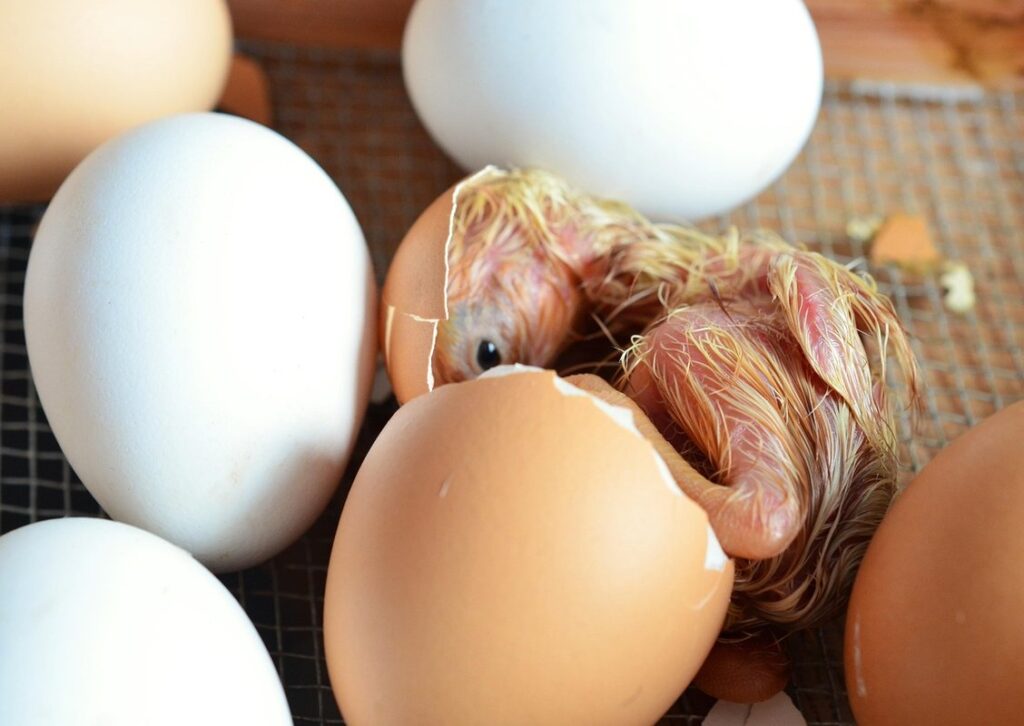
Understanding Newly Hatched Chicks
As a new chick parent, understanding the basics of how your newly hatched chicks grow and develop is crucial for their survival. This section will walk you through their initial growth stages.
Recognizing Signs of Health and Viability
When examining newly hatched chicks for signs of health and viability, it’s crucial to observe their weight, posture, and overall appearance. Healthy chicks should appear plump and well-rounded, with a firm, yet not overly tight, skin. Avoid chicks that look scrawny or have visible bones beneath the feathers.
Pay attention to the chick’s posture: a healthy chick will sit comfortably under its own weight, without appearing too loose or too stiff. Observe how the chick moves – it should be able to move freely and easily, with no signs of weakness or stiffness in its legs or wings.
Visible signs of health include shiny, well-distributed feathers, clean and dry vent area, and a healthy, dark-colored bill and feet. On the other hand, potential problems can manifest as pale or sunken eyes, labored breathing, or an unusual odor from the vent area. If you notice any of these warning signs, isolate the chick immediately to prevent the spread of disease to its siblings.
Preparing a Safe Environment for Chicks
When it comes to raising healthy newly hatched chicks, providing a safe and clean environment is crucial for their survival. This means paying close attention to temperature control, lighting, humidity levels, and air quality. A well-regulated temperature range of 90-100°F (32-38°C) is essential during the first few days, while gradually reducing it as they grow.
Proper lighting is also vital; chicks need UVB light to synthesize vitamin D3, which is necessary for calcium absorption and strong bone growth. Aim for a photoperiod of 14 hours of light and 10 hours of darkness. Humidity levels should be around 50-60% during the first week, with gradual reduction as they grow.
To prevent accidents and injuries, create a chick-proof area within the coop by securing any loose wiring, removing sharp objects, and covering vents or openings. Ensure that food and water are placed at a safe distance from the chicks to avoid overcrowding and contamination. By prioritizing these environmental factors, you’ll be well on your way to raising healthy and thriving newly hatched chicks.
Caring for Newly Hatched Chicks (0-4 Weeks)
During the critical first four weeks, your newly hatched chicks require gentle care and attention to thrive. Here’s how to provide them with a safe and nurturing environment for growth.
Nutrition: The Key to Early Growth
Newly hatched chicks have high nutritional demands due to their rapid growth rate. They require a diet rich in protein, calcium, and other essential nutrients for optimal development. A starter feed specifically formulated for young chickens is ideal as it contains the right balance of these critical components.
At 0-4 weeks, chicks need around 20% protein in their diet. You can provide this through starter feeds or by supplementing with mealworms or hard-boiled eggs. However, be cautious not to over-supplement as excessive protein can lead to digestive issues. For calcium, oyster shells are an excellent option – crush them and mix into the chick’s feed for easy digestion.
It’s also essential to provide access to fresh water at all times. Dehydration can be a significant issue in young chicks, so ensure their water supply is clean and free from contamination. Monitor your chicks’ behavior and adjust their diet accordingly. If you notice any signs of malnutrition or poor health, consult with a veterinarian for professional guidance.
Hydration and Water Management
Providing clean and fresh water is essential for newly hatched chicks to stay hydrated and thrive. As they grow from 1-4 weeks old, their water intake increases significantly, making it crucial to ensure a steady supply of clean drinking water.
It’s not uncommon for chick owners to overlook the importance of water management during this critical period. Dehydration can set in quickly if the water is contaminated or dirty. To prevent this, consider using waterers specifically designed for chicks. These waterers are typically shallower and have a larger surface area than regular bird waterers, making it easier for young chicks to access and drink from.
Another method for preventing dehydration is providing electrolyte-rich water. You can add an electrolyte supplement or mix 1-2 tablespoons of unrefined sea salt in a gallon of water. This will help replace the essential minerals lost during hatching and support the chick’s overall health. Remember, a clean waterer should be filled daily to ensure the chicks always have access to fresh drinking water.
Health Issues Common in Newly Hatched Chicks
Newly hatched chicks are prone to certain health issues that can be devastating if left unchecked, so it’s essential to know what to watch for. In this crucial section, we’ll cover common health problems that may arise in young chicks.
Identifying Symptoms of Common Ailments
Newly hatched chicks are susceptible to various health issues that can be distressing for their owners. Respiratory problems, bacterial infections like E. coli, and parasitic infestations are common concerns.
When it comes to respiratory problems, keep an eye out for labored breathing, wheezing sounds, or a visible gurgling in the trachea. Chicks may also exhibit lethargy, loss of appetite, or refusal to move around. A simple way to identify respiratory issues is by observing your chicks’ behavior and watching for changes in their usual activities.
Bacterial infections, particularly E. coli, can cause diarrhea, bloody stools, or a sudden drop in body temperature. In some cases, affected chicks may exhibit lethargy or loss of coordination.
Parasitic infestations are often accompanied by visible signs such as mites, lice, or ticks on the chicks’ feathers or bodies. However, not all parasites have obvious external symptoms; internal worms can cause weight loss, lethargy, and poor growth.
Identifying these symptoms early is crucial for taking corrective measures to prevent the spread of illness within your flock. Regular monitoring and prompt veterinary attention are essential in maintaining a healthy environment for your newly hatched chicks.
Preventing and Treating Health Issues
Preventing and treating health issues is crucial for newly hatched chicks. Maintaining a clean environment is essential to prevent the onset of diseases such as coccidiosis and respiratory infections. Ensure you change bedding regularly, keep feeders and waterers clean, and store supplies away from brooder areas.
Adequate ventilation is also vital in preventing ammonia buildup and maintaining good air quality. Provide sufficient space for your chicks to move around and install a reliable ventilation system if necessary. You may need to administer preventative medications, such as coccidiostats or vaccines, depending on the specific health risks in your area.
If your chicks do contract an illness, seek veterinary care immediately. Monitor their behavior, appetite, and stool quality closely for signs of distress. Be prepared to provide a detailed history of their environment, diet, and health since hatching. Your vet can diagnose the issue and recommend treatment options, which may include antibiotics, supportive care, or changes in management practices.
Some common health issues in newly hatched chicks include scours, pasty butt, and wet vent. If you notice any unusual behavior or symptoms, don’t hesitate to contact a veterinarian for guidance on how to treat your flock.
Handling and Socialization (4-8 Weeks)
At 4-8 weeks old, your chicks are growing rapidly, and it’s essential to handle them regularly to help build trust and confidence. This section will walk you through the socialization process to ensure they become friendly and tame birds.
Gentle Handling Techniques
When handling newly hatched chicks, it’s essential to use gentle techniques that minimize stress and prevent injury. At this age, they are fragile and easily damaged. Start by supporting the chick under its wings and gently lifting it from beneath, rather than picking it up directly. This will help distribute your weight evenly and reduce the risk of injuring their tiny bones.
As chicks grow, you’ll need to adapt your handling techniques accordingly. Between 4-6 weeks, they become more confident and less skittish, making them easier to handle. At this stage, you can begin to lift them directly, but still be mindful of their fragile wings and legs.
Regular handling from an early age is crucial for socialization purposes. It helps the chicks become comfortable with human interaction, reducing aggression and fear-based behaviors later in life. Handle your chicks daily, ideally during feeding or playtime, and take turns holding different chicks to ensure they get used to various hands and faces. This will help them grow into confident, well-adjusted adult chickens.
Encouraging Social Behavior in Chicks
Encouraging social behavior in chicks is crucial for their overall development and well-being. Chicks that are exposed to other birds at a young age tend to grow into more confident and friendly adult chickens. To introduce them to the flock, start by allowing them to explore and interact with each other under close supervision. Begin with short introductions, gradually increasing the time they spend together.
Rotating toys and accessories is another effective way to stimulate social behavior in chicks. This not only keeps them engaged but also provides mental stimulation. Consider introducing a new toy or accessory every few days to keep things interesting. Providing enough space for exercise and exploration is equally important. A spacious run or enclosure will allow your chicks to move around, scratch, and play freely.
Aim to provide at least 2-3 square feet of floor space per chick. This may seem like a lot, but it’s essential for their physical and mental health. With enough space, your chicks will be able to explore, exercise, and engage in natural behaviors like pecking and scratching. Remember to also provide plenty of perches and roosts for them to climb on. By following these tips, you’ll be well on your way to raising friendly and social chickens.
Integrating Chicks into the Flock (After 8 Weeks)
Now that your chicks are eight weeks old, it’s time to introduce them to the flock, a process that requires careful planning and execution to ensure a smooth transition. This section will walk you through the steps to integrate new birds into an existing flock.
Gradual Introduction to Mature Hens
When introducing newly hatched chicks to mature hens in the flock, it’s essential to do so gradually to prevent stress and potential aggression. A sudden introduction can lead to pecking and bullying of the younger birds. To avoid this, start by separating the chicks from the rest of the flock for a few days after their initial integration with the other chickens.
Once the chicks appear comfortable and energetic around each other, you can begin introducing them to the mature hens in small groups. Start by having the hens observe the chicks through a fence or divider, allowing them to become familiar with each other’s presence without direct contact. This step is crucial in helping the mature hens understand that the younger birds are not threats.
Monitor their interactions closely, and if you notice any aggressive behavior, intervene promptly by separating the birds again. Introduce one or two mature hens at a time to the chicks, ensuring they have enough space and resources to prevent competition for food and water. By introducing them gradually, you can minimize conflicts and ensure a harmonious flock dynamic.
Ensuring a Harmonious Flock Dynamic
As your chicks grow and mature, it’s essential to maintain harmony within the flock. A harmonious dynamic can significantly reduce stress levels among birds, promoting overall well-being. To achieve this, prioritize proper nutrition for all birds. Ensure each member of the flock has access to fresh water, a balanced diet, and adequate shelter.
Regular health checks are also crucial in detecting potential issues early on. Schedule weekly check-ups with your chicks to monitor their behavior, droppings, and overall condition. Be mindful of any changes or signs of illness, such as labored breathing, lethargy, or unusual vocalization.
Additionally, provide ample space for your birds to roam freely. Aim for at least 3-4 square feet per bird inside the coop and 10-12 square feet in the run area. This will allow them to exercise naturally, reducing stress caused by overcrowding. By prioritizing nutrition, health checks, and adequate space, you’ll foster a harmonious flock dynamic that promotes happy and healthy birds.
Common Mistakes to Avoid When Raising Newly Hatched Chicks
When raising newly hatched chicks, it’s easy to overlook a few crucial details that can impact their health and well-being. This section highlights common mistakes to avoid when caring for these tiny birds.
Overlooking Essential Needs
When caring for newly hatched chicks, it’s easy to overlook essential needs that can have long-term consequences for their health and well-being. One common mistake novice chicken keepers make is not providing adequate nutrition. Chicks need a balanced diet rich in protein, calcium, and vitamins to support rapid growth and development. A good quality starter feed should be the main staple of their diet, supplemented with fresh water, grit, and oyster shells for strong bones.
Maintaining a clean environment is another critical aspect that’s often neglected. Newly hatched chicks are prone to diseases and infections if their living space isn’t kept clean and free from drafts. Ensure good ventilation by placing their brooder in an area with adequate airflow or installing a screen top. Regularly cleaning the brooder, changing bedding, and disinfecting surfaces can help prevent the spread of disease.
It’s also essential to monitor temperature and humidity levels to prevent chilling or overheating. A safe range is between 90-100°F (32-38°C) for the first few days after hatching, gradually decreasing as they grow. By being mindful of these essential considerations, you can provide your newly hatched chicks with a strong foundation for healthy growth and development.
Prioritizing Health Checks and Regular Monitoring
As you care for your newly hatched chicks, it’s essential to prioritize regular health checks and monitoring. At different ages, chicks exhibit unique vulnerabilities that can lead to potential issues if left undetected.
At 1-3 days old, keep an eye out for wetness around the vent area, which can indicate a respiratory infection. Monitor temperature fluctuations in their brooder, as drafts or overcrowding can cause stress. Ensure adequate ventilation and maintain a consistent temperature between 90-95°F (32-35°C).
Between 4-6 days old, inspect beak condition closely. Chicks may chew on beak trimmers, causing damage or infection. Monitor for signs of pasty butt, where droppings stick to the vent area, leading to discomfort and potentially serious infections.
Regular health checks should become a habit throughout your chicks’ first few weeks. Keep an eye out for unusual behavior, lethargy, loss of appetite, or changes in droppings. If you notice any potential issues, consult with a veterinarian promptly.
Conclusion
Now that you’ve successfully raised your newly hatched chicks, it’s essential to maintain their health and well-being. As they grow, introduce them to a balanced diet, providing fresh water and nutritious feed at all times. Monitor their living conditions closely, ensuring adequate ventilation and temperature control in the coop. Keep an eye out for signs of disease or illness, such as labored breathing, lethargy, or changes in droppings. Consult with a veterinarian if you notice any unusual behavior or health issues.
Maintaining a clean environment is crucial in preventing diseases from spreading among your flock. Regularly disinfect feeding and watering equipment, nesting boxes, and perches to prevent bacterial growth. This will help keep your chicks safe and healthy as they grow into strong, thriving birds. By following the guidelines outlined in this guide, you’ll be well on your way to raising a happy, healthy flock of chickens.
Frequently Asked Questions
How often should I weigh my newly hatched chicks?
You should weigh your chicks at least once a day for the first week, then gradually reduce the frequency as they grow. This will help you monitor their growth and catch any potential health issues early on. A general rule of thumb is to weigh chicks twice a week from 1-4 weeks old.
What if I notice a chick has stopped pecking or seems lethargic?
If you notice a chick showing signs of lethargy, such as reduced activity or lack of appetite, it’s essential to investigate the cause. Check for any visible signs of illness, and ensure their environment is clean and comfortable. Consult a veterinarian experienced in poultry care if you suspect health issues.
Can I raise chicks alongside adult hens?
Yes, but it’s crucial to introduce them gradually to prevent stress on both the chicks and mature hens. Start by keeping them separated for the first few weeks, then begin supervised interactions under close observation.
How can I ensure my flock remains healthy despite introducing new chicks?
Maintaining a clean and hygienic environment is vital when integrating new chicks into your existing flock. Ensure all surfaces are disinfected regularly, and provide ample space for both new and mature birds to roam freely.
What’s the best way to identify potential health issues in newly hatched chicks?
Be aware of any changes in behavior or appearance that may indicate health problems, such as lethargy, labored breathing, or visible signs of illness. Consult a veterinarian experienced in poultry care for guidance on recognizing and addressing common health issues in young chickens.