
Are you considering raising Indian Runner ducks for their prolific egg-laying abilities? If so, you’re not alone. This popular breed has been a favorite among backyard farmers and large-scale commercial producers alike due to its high egg production rates. But before you start collecting eggs from your own flock, it’s essential to know how to raise healthy and productive Indian Runner ducks.
In this article, we’ll cover the key elements of raising Indian Runners for eggs, including selecting the right breed, building suitable housing, providing optimal nutrition, and preventing common diseases. We’ll also share expert tips on maximizing egg production and marketing your farm-fresh eggs to get the best return on investment. Whether you’re a seasoned farmer or just starting out, this guide is designed to help you succeed with raising Indian Runner ducks for their valuable eggs.
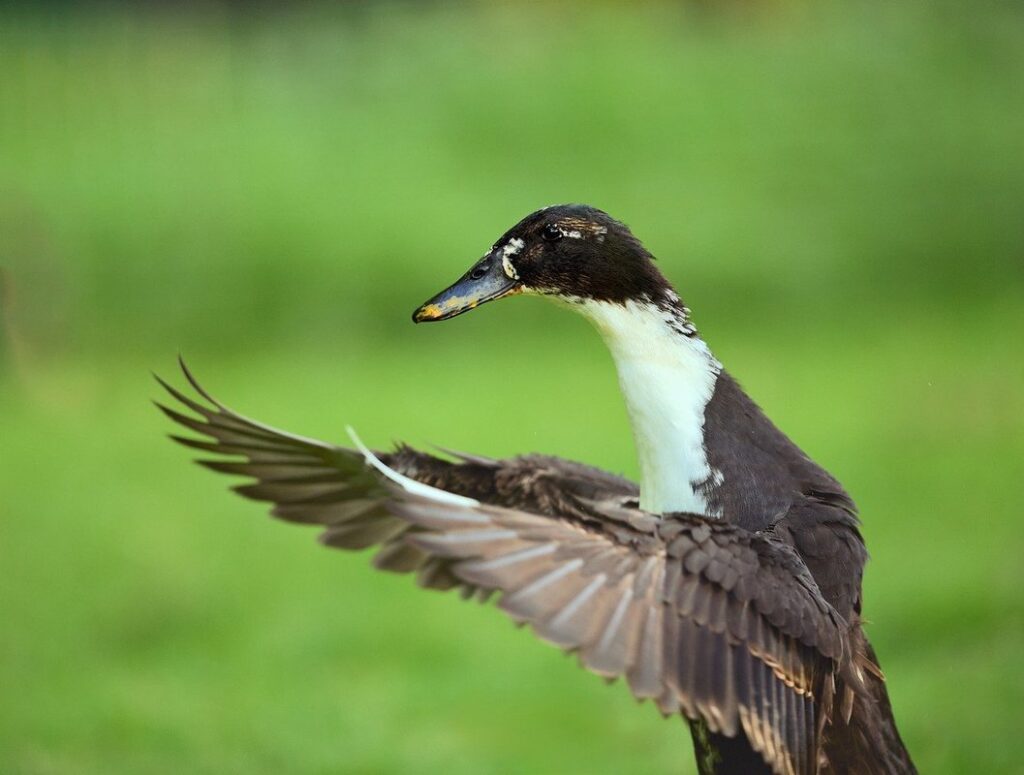
Benefits of Keeping Indian Runner Ducks
Indian Runner ducks are not just charming companions, but also provide numerous benefits that can enhance your backyard experience. Let’s explore some of these advantages together.
History and Origin of Indian Runner Ducks
Indian Runner ducks have a rich history that dates back to ancient China, where they were first bred as a distinct egg-laying breed. These ducks were highly prized for their unique appearance and prolific egg production. It’s believed that they were introduced to Europe by Dutch traders in the 17th century, where they became popular among farmers and hobbyists alike.
Over time, Indian Runners were selectively bred to emphasize their speed, agility, and hardiness. This led to the development of distinct breeds, such as the White Indian Runner, which is one of the most widely kept varieties today. With proper care and management, Indian Runner ducks can lay up to 300 eggs per year, making them a valuable addition to any backyard flock.
Interestingly, the unique appearance of Indian Runners – characterized by their upright posture and long, slender bodies – has led some breeders to believe that they may have descended from the Muscovy duck. However, this remains a topic of debate among avian experts, and more research is needed to confirm or deny this theory.
Despite their uncertain origins, it’s clear that Indian Runner ducks have been selectively bred for centuries to produce high-quality eggs, making them an excellent choice for backyard farmers and egg enthusiasts. With the right care and attention, these remarkable birds can thrive in a variety of environments, providing a steady supply of fresh eggs for months on end.
Temperament and Personality Traits
Indian Runner ducks are known for their energetic and lively personalities, making them an excellent addition to backyard flocks. These birds are highly social and thrive on interaction with other ducks, so it’s essential to have at least two or more Indian Runners together to keep them happy and stimulated.
One of the unique characteristics of Indian Runner ducks is their ability to adapt to small spaces. They can comfortably live in a compact area as long as they have access to water and foraging opportunities. This makes them an ideal choice for urban backyard enthusiasts who want to raise ducks without taking up too much space.
Indian Runners are also known for their friendly demeanor towards humans, making them easy to handle and care for. They are curious birds that love to explore and play, so be prepared to provide plenty of toys and activities to keep them entertained. With proper socialization and handling from an early age, Indian Runner ducks can become gentle and affectionate companions.
It’s also worth noting that Indian Runners are relatively low-maintenance pets when it comes to noise level. They are not as vocal as some other duck breeds, making them a great choice for families or neighbors who prefer quieter surroundings.
In terms of behavior, Indian Runner ducks are prolific foragers and love to scratch and peck at the ground in search of food. This makes them excellent egg-layers, as they will forage around the yard for insects and other small invertebrates that can help fertilize their eggs.
When raising Indian Runner ducks, it’s essential to provide a balanced diet that meets their nutritional needs. A mix of commercial duck feed and fresh fruits and vegetables should be sufficient to keep them healthy and happy. Also, make sure to provide plenty of clean water at all times, as ducks need access to water for drinking, swimming, and egg-laying.
Overall, Indian Runner ducks are an excellent choice for backyard flocks due to their unique characteristics, adaptability, and friendly personalities. With proper care and attention, they can become loving companions that will provide you with hours of entertainment and a steady supply of fresh eggs.
Egg-Laying Capacity
When it comes to egg production, Indian Runner ducks are known for their impressive capabilities. On average, a healthy adult Indian Runner duck can lay around 300-320 large white eggs per year. This is significantly higher than many other breeds of domesticated ducks, making them an excellent choice for backyard farmers and small-scale egg producers.
However, several factors can influence the egg-laying capacity of your Indian Runner ducks. Nutrition plays a crucial role in maintaining optimal health and fertility. Ensure that your ducks have access to a balanced diet rich in essential nutrients, including protein, calcium, and vitamins. Adequate exercise and stress management also contribute to healthy egg production.
Environmental conditions such as temperature, light exposure, and space can also impact egg-laying capacity. Indian Runner ducks thrive in warm temperatures between 60-75°F (15-24°C) and require at least 4 hours of direct sunlight daily. Providing adequate shelter and a safe, spacious enclosure will help maintain their overall health and well-being, ultimately supporting optimal egg production.
Choosing the Right Breed and Stock
When it comes to raising Indian Runner ducks for eggs, choosing the right breed and stock is crucial for success. Let’s dive into selecting high-quality birds that will thrive in your backyard flock.
Characteristics to Look for in Indian Runners
When selecting breeding stock or purchasing ducklings, it’s essential to consider several key characteristics that will ensure you raise healthy and productive Indian Runner ducks for eggs. First and foremost, look for the typical feather type of an Indian Runner duck, which is a breed-specific characteristic. They should have a unique “pencil neck” appearance with long, slender legs and feet.
In terms of egg production, consider the egg color and size. Indian Runners lay white eggs, typically around 2-3 inches in length. While some lines may produce larger or smaller eggs, this is generally what you can expect from a healthy flock.
Another crucial characteristic to evaluate is growth rate. Indian Runner ducklings should grow rapidly during their first few weeks of life, reaching maturity in about 16-20 weeks. A slow-growing line can impact your overall egg production and quality, so it’s vital to select stock with a suitable growth rate for your needs.
When evaluating breeding stock or purchasing ducklings, also consider the temperament and adaptability of the ducks. Indian Runners are known for their friendly and energetic nature, making them an excellent choice for backyard farmers and families.
Where to Buy Indian Runner Ducks
When it comes to purchasing Indian Runner ducks, it’s essential to find reputable breeders and suppliers who can provide healthy, disease-free birds. Start by searching online for local breeders and suppliers in your area. You can also check with local farming associations or poultry clubs for recommendations.
Some popular online marketplaces where you can buy Indian Runner ducks include Cackle Hatchery, Metzer Farms, and Meyer Hatchery. These companies specialize in selling high-quality ducklings to backyard farmers like yourself. Make sure to research each supplier thoroughly before making a purchase, reading reviews and checking their reputation with the Better Business Bureau.
Additionally, consider attending local poultry shows or visiting farms that raise Indian Runner ducks to get a firsthand look at the birds and ask breeders about their breeding practices. This will help you find the perfect duck for your needs and ensure you’re getting healthy, fertile eggs from your flock.
Health Considerations When Selecting Stock
When selecting stock for your Indian Runner duck flock, it’s crucial to prioritize their health and genetic diversity. A healthy and genetically diverse group of ducks will not only lay better-quality eggs but also be more resilient to diseases and environmental stressors.
Begin by sourcing stock from reputable breeders who have a proven track record of producing healthy birds with good egg-laying ability. Look for breeds that are resistant to common duck health issues, such as Marek’s disease and avian influenza. It’s also essential to consider the genetic diversity of your flock to avoid inbreeding.
Evaluate the fertility of potential stock by checking their sex ratio and overall breeding performance. You can ask breeders about the success rates of their birds or request documentation on breeding records. Additionally, inspect the physical health of the ducks, looking for signs of disease, injury, or nutritional deficiencies.
By prioritizing the health and genetic diversity of your Indian Runner duck stock, you’ll be setting yourself up for a successful and sustainable egg-laying operation.
Housing and Environmental Requirements
When it comes to raising Indian Runner ducks for eggs, providing a suitable living space is crucial. Here, we’ll cover the essential housing and environmental requirements your flock needs to thrive.
Space and Housing Needs for Indian Runners
Indian Runner ducks require sufficient space to roam and exercise, making them a good choice for larger backyards. When it comes to housing these birds, provide a sturdy coop with adequate ventilation to keep them safe from predators and harsh weather conditions.
Design the coop with the following features:
* Minimum floor space of 4 square feet per bird, considering Indian Runners are active and need room to move around.
* Nesting boxes that are about 2-3 inches wide, 6-8 inches long, and 6-8 inches high. The ideal number is one box per 5 birds.
When planning the coop’s run, allocate at least 10 square feet of outdoor space per bird for them to exercise and stretch their wings. Consider adding a covered area or awning to protect the ducks from direct sunlight and rain.
Remember that these birds are social and require some interaction with each other, so make sure they have enough space to move around comfortably within the run.
Permits and Zoning Regulations
Before bringing home your new feathered friends, it’s essential to ensure that you’re complying with local regulations and zoning laws regarding backyard duck keeping. In the United States, for instance, many cities have ordinances governing the number of ducks allowed on a property, noise restrictions, and required permits.
To get started, research your city or county’s regulations and contact your local government office for information on necessary permits and licenses. Some common requirements include:
* A permit to keep a certain number of ducks (e.g., 5-10)
* Compliance with setback rules from neighboring properties
* Regular inspections to ensure proper care and health of the ducks
In some areas, you may need to obtain a zoning variance or conditional use permit if your property doesn’t meet standard zoning requirements. Don’t get caught off guard – familiarize yourself with local regulations before bringing home those adorable Indian Runner Ducks.
Remember, it’s always better to err on the side of caution and consult with authorities before setting up your backyard duck haven.
Providing a Balanced Diet and Clean Water
When it comes to raising Indian Runner ducks for eggs, providing a balanced diet and clean water is essential for their optimal health and egg production. A high-quality feed should be the foundation of your duck’s diet, containing all the necessary nutrients for growth and development. Look for feeds specifically formulated for laying ducks, as they will have a higher protein content to support egg production.
In addition to a balanced feed, clean water is also crucial. Change the water frequently to prevent bacterial growth and ensure it’s free from contaminants. You can also add supplements such as oyster shells or crushed eggshells to provide extra calcium for strong eggshell formation.
Aim to provide 1/4 cup of supplement per duck daily, mixed with their feed. A good rule of thumb is to offer a mix of 70-80% grains and 20-30% protein sources in their diet. For example, you can offer oats or barley as the main grain component, accompanied by mealworms or crickets for added protein.
By following these guidelines, you’ll be well on your way to creating an optimal environment for your Indian Runner ducks to thrive and produce high-quality eggs.
Breeding and Rearing Indian Runner Ducklings
Breeding and rearing healthy Indian Runner ducklings requires careful planning, specialized knowledge, and attention to detail from the moment of hatching. In this section, we’ll guide you through the process step-by-step.
Breeding Season and Mating Practices
When it comes to breeding Indian Runner ducks for eggs, understanding their breeding season and mating practices is crucial. The ideal breeding season for these ducks typically runs from late winter to early summer, with the optimal time being around 2-3 years of age.
During this period, you should introduce males (drakes) to females (hens) in a ratio of one male to five or six females. This will help ensure adequate fertility and reduce aggression among males. It’s essential to monitor your ducks’ behavior closely during mating, as they can become quite aggressive during courtship.
Fertility considerations are also vital when breeding Indian Runner ducks. A fertility rate of around 90% is expected from healthy, well-bred birds. To maximize fertility, ensure the drakes have access to a female before they reach maturity (around 20-24 weeks). This early introduction can improve their mating skills and increase fertilization success.
Keep in mind that Indian Runner ducks are prolific breeders, laying around 300 eggs per year. However, poor breeding practices or inadequate nutrition can negatively impact fertility and overall egg production. By understanding these basic principles and adopting responsible breeding practices, you’ll be well on your way to raising healthy, productive Indian Runner duck flocks for years to come.
Incubation and Hatching
Incubating eggs is a crucial step in raising Indian Runner ducklings. To ensure a high hatch rate, it’s essential to maintain optimal temperature and humidity levels. The ideal incubation temperature for Indian Runner duck eggs is between 99°F (37°C) and 100°F (38°C). It’s also vital to control the humidity level at around 50-60% during the first 24 days of incubation.
To simulate a natural brooding environment, it’s recommended to turn the eggs every 2 hours or use an automatic egg turner. This ensures even heat distribution and prevents the developing embryo from becoming accustomed to one side. During the last week of incubation, humidity levels should be increased to around 70-80%. Proper temperature and humidity control can increase hatch rates significantly.
A study by a leading poultry farm showed that with precise temperature control and regular egg turning, their hatch rate increased by 20% within just two weeks. By following these guidelines and maintaining a controlled environment, you’ll be well on your way to successfully incubating your Indian Runner duck eggs.
Raising Ducklings: Tips and Best Practices
When you bring home newly hatched ducklings, it’s essential to provide them with proper care and attention. First things first, make sure they have a warm place to live – their brooder should be kept at around 90-95°F (32-35°C) for the first week or two after hatching.
As for feeding, Indian Runner ducklings require a starter feed specifically formulated for waterfowl. This nutrient-rich feed will help them grow strong and healthy. Supplement with fruits and vegetables like leafy greens, carrots, and apples to provide essential vitamins and minerals. However, avoid giving them human food or treats that can be detrimental to their health.
In terms of socialization, it’s crucial to handle your ducklings gently and regularly from an early age. This will help them become tame and friendly adults. Place the brooder in a quiet area where they won’t get stressed by external noises or predators. Aim for at least 1/4 inch of space per duckling to allow for proper growth and development.
Health Considerations and Common Issues
When raising Indian Runner ducks for eggs, it’s essential to be aware of potential health considerations that can affect your flock, including common issues and how to address them. Let’s take a closer look at these important concerns.
Diseases Affecting Indian Runner Ducks
Indian Runner ducks are generally hardy and resistant to disease, but they can still be susceptible to certain health issues. One of the most common problems is mites, tiny parasites that feed on their blood and cause discomfort. Check for signs such as excessive feather loss, labored breathing, and lethargy, which may indicate a mite infestation.
Respiratory infections are another concern, often caused by bacteria or viruses that can spread through close contact with other ducks or contaminated environments. To prevent these infections, maintain good ventilation in their enclosure, keep it clean, and ensure they have access to fresh water. Monitor for symptoms like coughing, sneezing, and discharge from the eyes or nostrils.
Parasites like lice, fleas, and ticks can also affect your Indian Runners. Regularly inspect their plumage and check for any signs of infestation. Use a gentle cleaner and follow the instructions carefully to avoid harming your ducks.
Vaccination and Biosecurity Measures
When raising Indian Runner ducks for eggs, it’s essential to prioritize their health and well-being through vaccination programs, biosecurity measures, and disease prevention strategies. This is crucial not only for the birds’ individual health but also for maintaining a healthy flock and preventing the spread of diseases.
Vaccination programs should be implemented according to the veterinarian’s recommendations, taking into account the specific needs of your flock based on factors such as age, location, and exposure risk. For example, vaccinating your ducks against common duck diseases like avian influenza, Marek’s disease, and Newcastle disease can help protect them from severe health issues.
To maintain biosecurity, ensure that visitors to your farm are required to clean their shoes and hands before entering the enclosure. You should also establish a regular cleaning schedule for feeders, waterers, and nesting boxes. Moreover, isolate new additions to the flock for an initial 30-day period to prevent any potential diseases from spreading.
Additionally, practice good hygiene by washing your hands frequently when handling ducks or their equipment.
Managing Common Health Issues
As you raise your Indian Runner ducks for eggs, it’s essential to be aware of common health issues that may arise. These birds are generally hardy and relatively low-maintenance, but they can still fall prey to certain conditions.
One common issue is respiratory problems, often caused by cold stress or damp environments. Look out for labored breathing, coughing, or discharge around the eyes and nostrils. To manage this, ensure good ventilation in your coop and avoid overstocking. You can also provide a humidifier to help maintain a comfortable moisture level.
Another issue is mites and lice infestations, which can lead to discomfort and stress for your birds. Check for these pests by looking for tiny brown spots or moving specks on the feathers or skin. To control them, use a gentle mite powder or spray according to the manufacturer’s instructions.
Regular monitoring of your flock’s health will help you catch any issues early, allowing for prompt treatment and prevention of more severe problems.
Marketing and Selling Your Eggs
As you start collecting eggs from your Indian Runner ducks, it’s time to think about how to market and sell them effectively. In this next step, we’ll explore strategies for turning your hobby into a profitable venture.
Building a Customer Base and Brand Identity
Establishing a customer base and building brand identity are crucial steps in successfully marketing and selling your Indian Runner duck eggs. As an Indian Runner duck breeder, you’re not just raising eggs for consumption, but also creating a business that requires a strong online presence and local reputation.
To establish a customer base, start by identifying your target market. This could be local farmers’ markets, specialty grocery stores, or even restaurants looking to source fresh, free-range eggs. Attend these events, network with potential customers, and offer them samples of your high-quality Indian Runner duck eggs. Create a loyalty program that rewards repeat customers and encourages word-of-mouth referrals.
Developing your brand identity involves creating a unique name, logo, and tagline that reflects the quality and uniqueness of your eggs. Utilize social media platforms to showcase your farm’s story, share customer testimonials, and provide behind-the-scenes glimpses into duck care and egg production. Design eye-catching flyers or brochures highlighting the health benefits of Indian Runner duck eggs and distribute them in local areas where customers are likely to see them.
By investing time in building a strong brand identity and establishing relationships with potential customers, you’ll be well on your way to creating a loyal customer base that will drive sales and grow your business.
Labeling and Regulations for Egg Sales
When selling eggs from your Indian Runner ducks, it’s essential to comply with labeling requirements and regulations. These laws vary by country and even state, so be sure to familiarize yourself with the specific guidelines in your area.
In the United States, for example, egg labels must include information about the product’s nutritional content, such as protein, fat, cholesterol, calories, and vitamins A and D. The FDA also requires origin statements on egg cartons, indicating whether the eggs come from a single farm or multiple farms. This transparency helps consumers make informed decisions.
To comply with labeling regulations, you’ll need to calculate the nutrient content of your duck eggs using standardized methods. You can consult resources like the USDA’s Agricultural Research Service for guidance on testing and reporting methods. Be sure to keep records of your testing procedures and results, as you may be required to provide this information to buyers or regulators.
When it comes to origin statements, consider grouping your ducks into separate flocks based on their breed, feed, or living conditions. This will allow you to create distinct labels highlighting the unique characteristics of each flock’s eggs. For instance, if you’re raising heritage breeds like Indian Runner ducks on pasture, you can market this as a distinct selling point.
Tips for Successful Egg Marketing
When marketing and selling eggs from your Indian Runner ducks, it’s essential to consider a few key factors to ensure success. First, understand that consumers are looking for high-quality eggs with specific characteristics such as rich yolk color, firm whites, and clean packaging.
To achieve this, focus on providing a stress-free environment for your ducks, ensuring they have access to nutritious feed and adequate space to roam. A well-balanced diet will not only improve egg quality but also increase production.
Another crucial aspect is proper handling and storage of the eggs. Ensure that eggs are collected daily and stored in a cool, dry place to maintain their freshness. This attention to detail will pay off when presenting your eggs to potential buyers.
Consider selling directly to consumers through farmers’ markets or online platforms to build a loyal customer base. Develop a strong brand identity and highlight the unique characteristics of Indian Runner duck eggs, such as their rich flavor and firm texture.
Frequently Asked Questions
What’s the ideal age for Indian Runner ducks to start laying eggs?
Indian Runner ducks typically begin laying eggs at around 18-20 weeks of age. However, some breeds may mature earlier or later than this average range. It’s essential to monitor your flock closely and ensure they’re receiving adequate nutrition to support egg production.
Can I raise Indian Runner ducks without proper housing and equipment?
No, it’s not recommended to keep Indian Runner ducks in inadequate housing or without suitable equipment. These birds require a safe and healthy environment to thrive, which includes a clean coop, adequate space for exercise, and proper ventilation to prevent diseases.
How often should I collect eggs from my Indian Runner duck flock?
It’s essential to collect eggs daily from your Indian Runner duck flock to maintain cleanliness and prevent breakage. This will also help you monitor egg production rates and identify any potential issues early on.
What are some common health issues affecting Indian Runner ducks, and how can I prevent them?
Indian Runner ducks are prone to respiratory issues, particularly in cold climates or areas with poor ventilation. To prevent these issues, ensure your birds have access to clean water, provide a balanced diet rich in nutrients, and maintain good biosecurity practices.
Can I breed my own Indian Runner ducks for egg production, or is it recommended to buy stock from reputable breeders?
While breeding your own Indian Runner ducks can be rewarding, it’s often recommended to start with high-quality stock from reputable breeders. This ensures you’re working with birds that have been bred specifically for their egg-laying abilities and are less likely to experience health issues.