
Are you looking to boost your backyard flock with some high-performing Leghorn white egg layers? These birds are known for their impressive egg-laying abilities, and for good reason. Not only do they produce an abundance of large, creamy-white eggs, but they’re also relatively easy to care for and maintain. As a poultry enthusiast, you likely know the importance of selecting the right breed for your needs, and Leghorns are definitely a top choice.
In this comprehensive guide, we’ll cover everything you need to know about breeding, raising, and caring for Leghorn white egg layers. From nutrition and health tips to expert advice on breeding and selection, we’ve got you covered. Whether you’re a seasoned poultry farmer or just starting out, our guide will walk you through the ins and outs of successfully rearing these incredible birds.
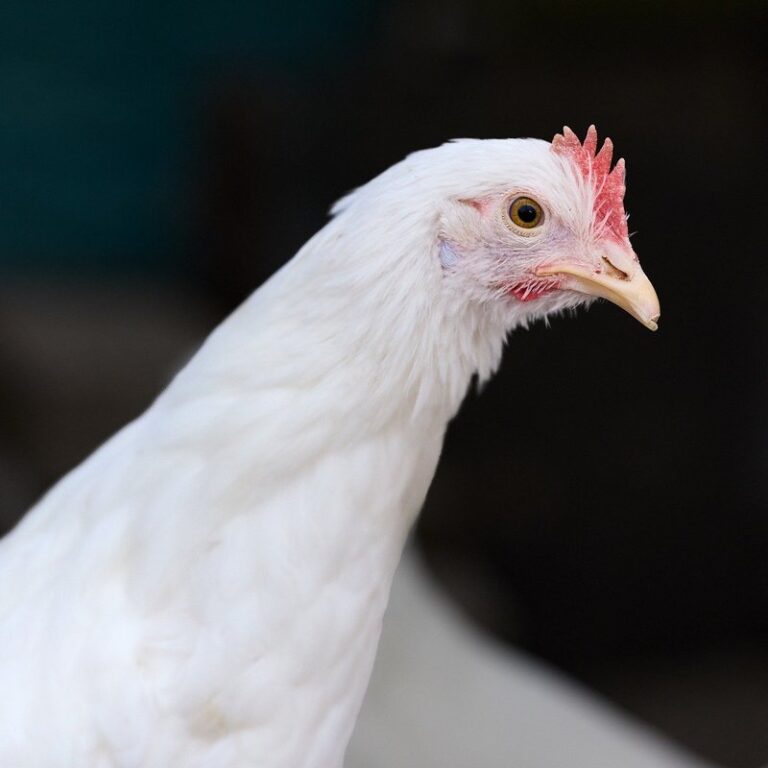
Introduction to Leghorn Chickens
If you’re new to raising chickens, let’s start with the basics of these incredible birds. In this overview, we’ll delve into the origins and characteristics that make Leghorns such renowned egg layers.
History of Leghorns as Egg Laying Birds
Leghorns have been prized for their remarkable egg-laying abilities for over two centuries. Their journey to becoming one of the most sought-after breeds among backyard chicken enthusiasts and commercial farmers began in 18th-century Italy. Initially, Leghorns were bred for meat production, but it wasn’t long before their impressive laying capacity caught the attention of poultry enthusiasts.
By the mid-19th century, Italian breeders had selectively bred Leghorns to accentuate their reproductive prowess. These efforts led to a significant increase in egg production, with some hens producing over 300 eggs per year – an astonishing feat for its time. This remarkable progress was largely due to the introduction of cross-breeding techniques and strict selective breeding practices.
The result of these concerted efforts was a bird that not only produced a large number of eggs but also exhibited exceptional hardiness and adaptability. Today, Leghorns are renowned worldwide for their impressive egg-laying abilities, with many backyard flocks relying on them to provide a steady supply of fresh eggs. Their incredible laying capacity, coupled with their robust constitution and low maintenance requirements, has cemented their status as one of the most beloved breeds among chicken enthusiasts.
Overview of Leghorn Characteristics
Leghorns are one of the most recognizable chicken breeds due to their striking appearance and exceptional egg-laying abilities. One of the key reasons they’re a popular choice among backyard chicken keepers is their temperament – Leghorns are known for being friendly, docile, and social birds. They thrive in flock environments and are often described as “easy-going” and “relaxed.” However, it’s worth noting that some individuals may be more flighty or skittish than others.
In terms of size, Leghorns are considered a medium-weight breed, with roosters weighing around 4-5 pounds (1.8-2.3 kg) and hens reaching approximately 3-4 pounds (1.4-1.8 kg). Their compact stature makes them ideal for small backyards or coops.
When it comes to appearance, Leghorns are easily recognizable by their sleek, slender bodies and short legs. They have a distinctive red or gold crown on top of their heads, which often contrasts with their white or light-brown plumage. Overall, Leghorns’ charming appearance and gentle nature make them an attractive choice for many chicken enthusiasts.
Breeding and Raising Leghorn Chicks
Breeding and raising Leghorn chicks requires careful planning, attention to detail, and a good understanding of their unique needs and characteristics. Here’s how to successfully raise healthy and thriving Leghorns from day one.
Choosing the Right Breeder or Hatchery
When it comes to selecting a breeder or hatchery for high-quality Leghorn chicks, there are several factors to consider. First and foremost, research the reputation of the breeder or hatchery by reading reviews and asking fellow poultry enthusiasts about their experiences. Look for breeders who have extensive knowledge of Leghorns and can provide you with information on the heritage, temperament, and egg-laying abilities of your chicks.
Another crucial factor is health certification. Ensure that the breeder or hatchery has a strong commitment to health testing and vaccination programs, as this will significantly reduce the risk of introducing diseases into your flock. Check if they adhere to industry standards for health certifications and ask about their biosecurity measures.
You should also consider the quality of the parent stock used by the breeder or hatchery. A reputable breeder will provide you with detailed information on the pedigree and genetic makeup of your chicks’ parents, which can give you valuable insights into their potential performance.
Don’t forget to inquire about the cost of the chicks, shipping procedures, and any additional services they may offer, such as nutrition guidance or support during the first few weeks after arrival. By doing your due diligence, you’ll be able to choose a breeder or hatchery that will provide you with healthy, high-quality Leghorn chicks for years of productive egg-laying.
Importance of Genetics in Egg-Laying Capacity
When it comes to breeding Leghorn white egg layers, genetics play a significant role in determining an individual chicken’s egg-laying potential. Heritability is the measure of how much of a trait is passed down from parents to offspring, and when it comes to egg production, heritability is relatively high.
Studies have shown that heritability for egg production can range from 30-50%, indicating that genetics account for a substantial portion of an individual chicken’s egg-laying capacity. This means that selecting for desirable traits in your breeding stock is crucial for achieving optimal egg production.
To maximize the potential of your Leghorn flock, consider the following when making selection decisions: prioritize birds with high egg production records, and select for breeds that have been specifically bred for high egg production, such as Leghorns. Additionally, consider factors like feed efficiency, health, and temperament to create a well-rounded breeding program.
By understanding the importance of genetics in egg-laying capacity, you can make informed decisions when selecting breeding stock and take steps towards creating a flock that meets your egg production goals.
The Characteristics of Leghorn White Egg Layers
When it comes to determining if a Leghorn White Egg Layer is right for you, understanding their characteristics is key. This section will explore the unique traits that make them an ideal choice for many backyard farmers and homesteaders.
Size and Weight Considerations
When it comes to raising Leghorn White Egg Layers, their size and weight can significantly impact egg production. One of the advantages of keeping smaller Leghorns is that they require less space and feed, making them a great option for backyard chicken keepers or small-scale farmers with limited resources.
Smaller Leghorns (around 4-5 pounds) typically produce around 280-300 eggs per year, which is still a respectable amount. However, their smaller size can make them more susceptible to health issues and predators.
On the other hand, larger Leghorns (around 6-7 pounds) tend to produce more eggs (around 320-340 per year), but they require more feed and space, increasing costs and management challenges.
To raise smaller Leghorns effectively, it’s essential to provide them with a balanced diet, regular health checks, and adequate protection from predators. Conversely, larger Leghorns benefit from generous feeding, a spacious coop, and ongoing monitoring of their egg production and overall well-being.
Ultimately, the ideal size for your Leghorn flock depends on your specific needs, resources, and management capabilities.
Temperament and Socialization Needs
Leghorns are renowned for their friendly nature, making them an excellent choice for backyard flocks. These birds thrive on social interaction and attention from their human caregivers, which is essential for their optimal health and happiness. In fact, studies have shown that Leghorns can become stressed if they don’t receive enough attention or interaction, leading to a decrease in egg production.
To ensure your Leghorns receive the necessary socialization, it’s crucial to introduce them to other birds gradually. Start by introducing young chickens to each other and allow them to establish their hierarchy naturally. This process should be done under close supervision to prevent any potential conflicts. Once they’re comfortable with each other, you can expand their flock.
Aim for a ratio of 1-2 Leghorns per person in your household, so they receive adequate attention and interaction throughout the day. By providing them with socialization needs, you’ll not only promote their well-being but also encourage optimal egg production.
Nutrition and Feeding Strategies for Optimal Egg Production
When it comes to maximizing egg production, providing your Leghorn White girls with the right nutrition is crucial. A well-planned feeding strategy can make all the difference in their overall health and productivity.
Balanced Diets for Maximizing Egg-Laying Potential
To maximize the egg-laying potential of Leghorn white egg layers, it’s essential to provide them with a balanced diet rich in nutrients. These birds require an adequate supply of protein to maintain muscle tone and support reproductive health. Aim for a minimum of 16% crude protein content in their feed, ensuring they receive enough amino acids like lysine and methionine.
Calcium is also crucial for eggshell production, so provide a source of calcium-rich foods such as crushed oyster shells or dark leafy greens. Aim to supply around 3-4% calcium content in their feed to support strong eggshells. Vitamins A, D3, and E are also vital for overall health and reproductive function. Consider adding a vitamin supplement specifically formulated for laying hens.
Ensure access to fresh water at all times, and avoid over-reliance on grains, which can lead to digestive issues. Aim for a balanced feed that includes a mix of grains, legumes, and vegetables to provide the necessary nutrients. For example, you could offer a mixture of wheat, oats, and alfalfa hay as a base, supplemented with crushed oyster shells and fresh fruits and vegetables daily.
Tips on Providing Free-Range or Pasture-Raised Access
Providing free-range or pasture-raised access is essential for the overall health and well-being of Leghorn white egg layers. This type of environment not only allows them to engage in natural behaviors but also promotes a more diverse gut microbiome, which can lead to improved immune function and egg quality.
When creating a free-range system, it’s crucial to consider the layer’s specific needs. A minimum of 2-3 square feet per bird is recommended for adequate space to move around and exercise. Make sure the area is safely enclosed with no gaps or openings that could allow predators in or birds out.
Additionally, provide access to fresh water at all times, as well as a balanced diet rich in nutrients, including calcium and protein. Consider using pastures with a mix of grasses, clover, and other legumes, which can be rotated seasonally to ensure optimal nutrient uptake.
Aim to provide at least 6-8 hours of sunlight per day for the birds, either by opening up the coop during the morning or creating shaded areas under trees. This will help maintain a healthy circadian rhythm and promote natural egg-laying behaviors.
Health Considerations for Leghorn Flocks
When it comes to keeping your Leghorn flock healthy, there are several key considerations to keep in mind, from vaccinations to parasite control. Proper care is essential to maintaining strong and productive hens.
Managing Common Health Issues in Leghorns
Leghorns are generally a hardy breed, but they can be susceptible to certain health issues that can impact their productivity and overall well-being. One of the most common health concerns affecting Leghorns is respiratory problems, which can arise from factors such as dust, dampness, or poor ventilation in the coop. To mitigate this risk, it’s essential to ensure good airflow within the henhouse, use proper cleaning and disinfection practices, and maintain a balanced temperature range.
In addition to respiratory issues, parasites are another common problem faced by Leghorns. Lice, mites, and internal worms can all affect the health of your flock, so it’s crucial to implement regular parasite control measures. These may include administering medicated feed or using topical treatments, as well as maintaining a clean environment that discourages the presence of parasites.
Some diseases, such as Newcastle disease and avian influenza, are also worth being aware of when managing Leghorns. To protect your flock from these threats, ensure they receive up-to-date vaccinations, maintain strict biosecurity protocols, and closely monitor their behavior for any signs of illness.
Implementing Biosecurity Measures to Prevent Disease Outbreaks
Implementing biosecurity measures is crucial to prevent disease outbreaks among Leghorn flocks. These birds are highly prolific layers, but their susceptibility to certain diseases makes it essential to take preventive steps. A key practice to reduce the risk of disease transmission is maintaining a clean and disinfected environment.
Ensure that all equipment, feeders, and watering systems are regularly cleaned and sanitized. Regular disinfection of nesting boxes, perches, and roosts can also help in reducing the spread of diseases. Furthermore, it’s essential to implement a strict quarantine policy for new birds entering the flock to prevent disease introduction.
Additionally, practice good hygiene among personnel handling the birds. This includes washing hands thoroughly before and after handling birds, and wearing protective clothing such as gloves and masks when interacting with them. Vaccination programs can also be implemented under the guidance of a veterinarian to protect against specific diseases that affect Leghorn flocks.
Tips for Successful Breeding Programs
When it comes to breeding Leghorn White Egg Layers, many farmers struggle with consistency and profitability. Here are some crucial tips to help you optimize your breeding program.
Selective Breeding Strategies for Enhanced Egg-Laying Capacity
When it comes to breeding Leghorns for enhanced egg-laying capacity, selective breeding strategies play a crucial role. The key to success lies in understanding the heritability of desirable traits and implementing targeted selection methods.
Heritability refers to the extent to which a trait is influenced by genetics rather than environment. In Leghorns, heritability for egg production is relatively high, meaning that genetic factors contribute significantly to an individual bird’s egg-laying capacity. By focusing on these genetically predisposed birds, you can selectively breed them to amplify their desirable traits.
One common method used in selective breeding is phenotypic selection, where birds are chosen based on their external characteristics, such as egg size and production rate. For example, a breeder might select hens that consistently lay large, high-quality eggs, and then breed them with roosters known for their fertility and genetic diversity.
In practice, this means regularly monitoring your flock’s performance, identifying top-performing birds, and selecting the best candidates to be bred. By doing so, you can gradually increase egg production over time, leading to improved overall flock productivity.
Genetic Diversity in Small-Scale Flocks
When breeding Leghorn white egg layers on a small scale, maintaining genetic diversity is crucial to avoid inbreeding depression and ensure the health and productivity of your flock. Inbreeding can lead to reduced fertility, decreased hatch rates, and increased susceptibility to disease.
To maintain genetic diversity in small-scale flocks, you can implement a few strategies. First, consider introducing new birds from reputable breeders or suppliers every 2-3 years to inject fresh genetics into your flock. This will not only bring in new traits but also help dilute any potential recessive disorders that may have developed over time.
Additionally, manage your breeding program by keeping detailed records of each bird’s ancestry and pedigree. This information will allow you to identify potential relationships between birds and make informed decisions about which individuals to breed together. By prioritizing genetic diversity, you’ll be able to maintain a healthy, productive flock that meets your needs for years to come.
When selecting new birds, look for those with a diverse genetic background and a strong pedigree. This might involve working with multiple breeders or suppliers to create a robust gene pool.
Conclusion: The Benefits and Challenges of Raising Leghorn White Egg Layers
Raising Leghorn White Egg Layers can be a rewarding experience for backyard chicken enthusiasts, offering numerous benefits. Not only do these birds provide an abundance of fresh eggs, but they are also known for their friendly personalities and low maintenance requirements. However, like any other poultry breed, there are challenges associated with raising Leghorns that you should be aware of. For instance, they require regular exercise to stay healthy, and their high egg production can lead to strain on their bodies if not managed properly.
When considering whether or not to raise Leghorn White Egg Layers, it’s essential to weigh the pros and cons carefully. If you’re willing to invest time in providing your birds with adequate care and attention, the benefits far outweigh the challenges.
Frequently Asked Questions
Can I start raising Leghorn white egg layers with just a small backyard flock?
Yes, you can start breeding or buying Leghorns for your small backyard flock, but it’s essential to understand the space and resource requirements for these birds. Make sure you have enough room for them to move around, exercise, and roost comfortably.
How do I determine if my existing flock already has some genetic diversity, especially in small-scale operations?
To ensure genetic diversity in your Leghorn flock, consider running a DNA test or analyzing pedigree records from reputable breeders. This will help you identify the genetic makeup of your birds and make informed decisions about breeding strategies to enhance egg-laying capacity.
What’s the ideal ratio for male-to-female Leghorns when starting a new breeding program?
The ideal male-to-female ratio can vary depending on specific goals, but generally, it’s recommended to have at least 5-7 females per one rooster. This allows you to monitor mating behavior and health without overpopulating your flock.
How do I handle common health issues like mites or respiratory problems in Leghorn flocks?
Common health issues can be managed through proper biosecurity measures, such as maintaining clean living conditions, controlling parasite populations (e.g., using diatomaceous earth for mite control), and ensuring adequate ventilation. It’s also essential to have a veterinarian on standby for expert advice.
Can I use natural or pasture-raised systems instead of traditional coop-based housing?
Yes, you can consider free-range or pasture-raised systems for your Leghorn flock. These methods not only promote better egg quality but also offer birds the opportunity for exercise and social interaction, which is essential for their overall well-being. However, ensure you’re providing adequate shelter, protection from predators, and proper feeding strategies to maximize egg-laying potential.