
If you’re an avid poultry enthusiast or simply looking to add some personality to your backyard, chances are you’ve come across long crowing roosters. These magnificent birds are known for their impressive vocal patterns, which can be both a joy and a challenge for owners. Not only do they boast impressive intelligence and trainability, but with proper care, they can become loyal companions and prized additions to any farm or homestead. In this article, we’ll delve into the unique characteristics of long crowing roosters, exploring their benefits and discussing how to overcome common challenges that come with owning one. From learning to care for these magnificent birds to understanding their intelligence and trainability, you’ll discover everything you need to know about long crowing roosters and why they make such wonderful pets.
Characteristics and Behaviors
When it comes to long crowing roosters, there are several characteristics that set them apart from other birds. Let’s explore some of these unique traits up close.
Physical Traits of Long Crowing Roosters
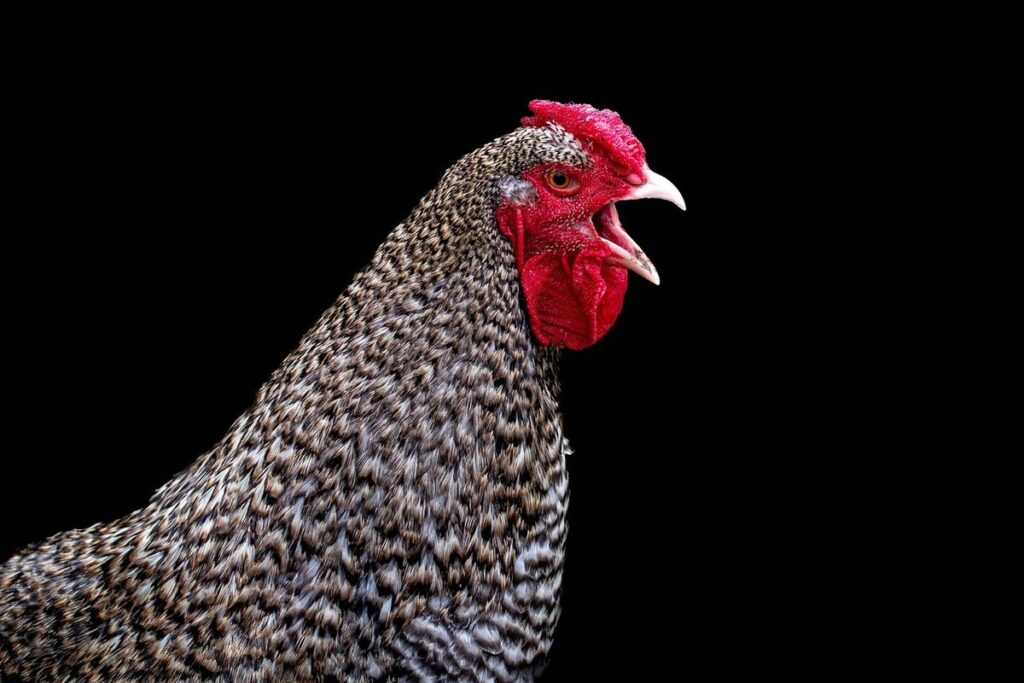
When it comes to identifying long crowing roosters, their physical traits often give them away. One of the most noticeable differences is their size – these birds tend to be larger than average, with some breeds reaching up to 25 pounds or more. This is due in part to selective breeding for desired characteristics.
Another distinguishing feature is their plumage, which can range from sleek and shiny to fluffy and full-bodied. Some long crowing roosters have an impressive amount of hackle feathers on their necks, while others boast vibrant tail feathers that add to their dramatic appearance. The comb shape also varies among breeds, with some having a large, single comb or multiple smaller combs.
Breed examples include the Brahma, Jersey Giant, and Sultan, all known for their exceptional crowing abilities. In fact, the Brahma is often considered one of the loudest birds in the world, with its deep, resonant calls capable of carrying over long distances. When selecting a rooster for your flock, look for these physical characteristics – they can be a good indicator of his crowing prowess.
Vocal Patterns and Crowing Habits
Long-crowing roosters are known for their unique vocal patterns and distinctive crowing habits. As they mature, these birds develop a wide range of calls that can be startlingly loud and frequent. On average, a long-crowing rooster will make between 15 to 30 distinct sounds per hour, with some individuals reaching an astonishing 50 or more different calls.
The frequency and volume of their crowing are influenced by factors such as their natural habitat, social environment, and breeding history. For instance, roosters raised in isolation may develop a louder, more intense crow than those living in flocks. Furthermore, long-crowing roosters will often modify their vocal patterns to convey specific messages or warnings to other birds.
Developing your own long-crowing rooster’s distinctive voice requires patience and observation. By paying close attention to the bird’s natural behaviors and responses, you can encourage its unique characteristics to emerge. To start, try providing a stimulating environment with plenty of space to roam, varied feeding schedules, and adequate social interaction. Over time, you should begin to notice subtle changes in your rooster’s vocal patterns as it develops its own distinct crowing style.
Intelligence and Trainability
Long crowing roosters are renowned for their exceptional intelligence and trainability. One of their most impressive features is their ability to recognize commands and respond accordingly. With patience and consistency, you can teach your long crowing rooster a wide range of tricks and behaviors.
To start training your rooster, it’s essential to establish a strong bond based on trust and respect. Begin with simple commands like “come” or “step up,” using positive reinforcement techniques such as treats and praise when they perform correctly. For example, if you’re teaching your rooster to come when called, be sure to reward them immediately after they respond.
As your rooster becomes more confident in their training, you can gradually introduce more complex commands and behaviors. Be prepared to spend time observing and responding to your rooster’s cues, as this will help you understand their learning style and tailor your approach accordingly. With consistent effort and positive reinforcement, your long crowing rooster can become a well-behaved and engaging companion.
Breeds Known for Long Crowing
Some roosters are naturally more vocal than others, and certain breeds are known to crow for extended periods of time, making them a delight to keep on your farm. Let’s take a look at some popular breeds that fit this bill.
Heritage Breeds with Exceptional Crowing Ability
If you’re looking for roosters that can put on an impressive crowing show, consider heritage breeds like the Brahma and Cochin. These gentle giants have been prized for their stunning appearance and exceptional vocal talents.
The Brahma, one of the largest chicken breeds in existence, is a popular choice among backyard flock owners due to its calm nature and impressive crowing ability. Originating from India, this breed was developed in the 19th century as a hybrid of local birds and European breeds. With their massive size, striking appearance, and thunderous crows, it’s no wonder they’re often sought after by collectors.
The Cochin is another heritage breed known for its impressive crowing capabilities. This soft-feathered giant originated from China and has been a favorite among poultry enthusiasts for centuries. Their calm demeanor, striking looks, and melodious calls make them an excellent choice for anyone looking to add some long-crowing charm to their backyard flock.
Both breeds are relatively easy to care for and can thrive in small backyards or large farms. With proper attention and care, they’ll reward you with years of entertainment from their impressive crowing abilities.
Modern Breeds that Excel in Crowing
Modern breeds have revolutionized the world of long crowing roosters, offering exceptional loudness and frequency. One notable example is the Modern Game breed, renowned for its ability to produce a deep, rich tone that can be heard from miles away. Developed specifically for its crowing prowess, this breed has become a favorite among backyard chicken keepers.
The Malay breed is another standout modern breed, known for its impressive vocal range and volume. Its large, broad wingspan allows it to project its calls with incredible force, making it an ideal choice for those seeking a rooster that can cut through the morning mist.
Both breeds boast impressive crowing abilities due in part to their genetic makeup. The Modern Game’s rich, resonant voice is attributed to its unique vocal tract anatomy, while the Malay’s sheer power is thanks to its robust physical build. If you’re looking for a modern breed that can truly showcase your rooster’s full potential, consider bringing home either of these exceptional birds.
Health Considerations
When it comes to caring for a long crowing rooster, understanding potential health issues is crucial. We’ll cover common problems and tips for keeping your bird in top shape throughout its life.
Factors Contributing to Long Crowing
When it comes to long crowing roosters, their ability to produce loud and sustained vocalizations is often a result of a combination of genetic, nutritional, and environmental factors. Genetics play a significant role, as some breeds are naturally more inclined to crow loudly due to their ancestral background. For instance, the Asil and Brahma breeds are known for their exceptional crowing abilities.
Proper nutrition also contributes to long crowing. A balanced diet rich in protein, vitamins, and minerals helps support the rooster’s vocal cords and overall health. Research has shown that a deficiency in certain nutrients can lead to weakened vocal cords and reduced crowing ability. For example, a study on game bird nutrition found that birds fed with adequate levels of vitamin E had better vocal performance compared to those lacking this essential nutrient.
Additionally, environmental factors such as exposure to daylight, temperature, and humidity also impact the rooster’s ability to crow long. A well-ventilated coop with sufficient light and proper temperature control can help promote optimal health and vocal performance. It’s essential for breeders and owners to provide their long crowing roosters with a conducive environment that supports their natural behavior.
Common Health Issues Affecting Roosters
As you strive to raise long crowing roosters, it’s essential to be aware of common health issues that can impact their ability to produce those loud and proud crowns. Respiratory problems are a significant concern for roosters, particularly those with heavy combs or kept in hot climates. Signs of respiratory distress include labored breathing, wheezing, or a persistent cough.
Infections such as bronchitis or pneumonia can also affect a rooster’s crowing ability. These may be caused by bacterial or viral pathogens and require prompt veterinary attention. Keep an eye out for symptoms like lethargy, loss of appetite, or difficulty walking.
Parasites like mites, lice, or internal worms can also cause problems for your roosters. Regular checks and preventative measures are crucial to maintaining their overall health and preventing these issues from impacting their crowing ability. Ensure you provide a clean environment, change bedding regularly, and monitor your birds closely for signs of infestation.
Regular veterinary check-ups will help identify any potential health issues early on, allowing you to take corrective action and maintain the health and well-being of your long crowing roosters.
Caring for Your Long Crowing Rooster
To keep your long crowing rooster happy and healthy, it’s essential to focus on providing a stimulating environment that meets his unique needs and personality traits.
Nutrition and Diet
Providing the best nutrition for your long crowing rooster is essential to maintaining their vocal health and overall well-being. A high-quality feed should be your primary source of nutrition, but you may also want to consider adding supplements to support their specific needs.
When selecting a feed, look for a balanced formula that includes a mix of grains, proteins, and vitamins. Some key ingredients to focus on include calcium, phosphorus, and niacin, which are essential for vocal cord health. You can find these nutrients in feeds specifically formulated for poultry or roosters.
In addition to a high-quality feed, consider adding supplements such as crushed oyster shells or cuttlebone to provide extra calcium and other minerals. These can be sprinkled on their feed or offered as a treat. It’s also essential to ensure they always have access to fresh water and a balanced diet that meets their energy needs.
A good rule of thumb is to introduce new foods gradually, starting with small amounts and increasing the quantity over time. This will help prevent digestive upset and ensure your rooster can tolerate any new ingredients.
Environmental Factors Affecting Crowing
When it comes to caring for your long crowing rooster, environmental factors play a significant role in influencing its crowing ability. Temperature and humidity levels can either encourage or suppress vocalization. In hot climates, it’s essential to provide shade and ventilation to prevent heat stress, which can lead to decreased crowing frequency. On the other hand, some breeds thrive in cooler temperatures, so adjusting the environment accordingly may be necessary.
Another crucial factor is space. Roosters need room to roam and exercise to maintain their physical and mental health. Insufficient space can result in pent-up energy, leading to excessive crowing as a means of expression. Ensure your rooster has access to a spacious enclosure or coop with adequate perches and scratching posts. Consider factors like wind direction and sunlight exposure when placing the coop.
To create an optimal environment for your long crowing rooster:
* Monitor temperature fluctuations and adjust the environment accordingly
* Provide shade structures or misting systems in hot climates
* Ensure sufficient ventilation to maintain a healthy atmosphere
* Allocate ample space for exercise and exploration
Benefits and Challenges
Now that you’ve learned how to identify a long crowing rooster, let’s dive into the benefits of owning one, as well as some common challenges you might encounter.
The Joy of Raising Long Crowing Roosters
Raising long crowing roosters can be an incredibly rewarding experience. These birds are not only entertaining to watch, but they also possess a unique set of characteristics that make them excellent watchdogs. For instance, their loud and persistent crowing serves as an effective alarm system, alerting you to any potential threats or unusual activity on your property.
In fact, many long crowing rooster owners have reported that their birds have successfully deterred intruders, such as trespassers or predators like coyotes. This is due in part to the roosters’ natural instinct to defend their territory and alert their flock to any perceived danger. By incorporating a long crowing rooster into your backyard flock, you can enjoy added peace of mind knowing that your property is being protected.
To maximize the entertainment value of your long crowing rooster, consider creating a designated “rooster zone” in your yard where your bird can roam freely and strut its stuff. Provide plenty of space for exercise and stimulation, as well as a source of food and water to keep them happy and healthy.
Overcoming Common Challenges
Owning a long crowing rooster can be a wonderful experience, but it’s not without its challenges. One of the most common issues is noise complaints from neighbors, especially if you live in a residential area. If you’re concerned about disturbing those around you, consider investing in soundproofing materials for your coop or running some white noise to mask the crowing.
Another challenge is managing aggressive behavior, which can be particularly problematic if your rooster isn’t well-socialized. To minimize this risk, introduce your young roosters to new environments and people gradually, rewarding calm behavior with treats and praise. You can also try separating your roosters at night to prevent dominance issues and territorial behavior.
In some cases, it’s not possible to silence a long crowing rooster completely, but there are ways to redirect their vocalizations towards quieter hours or areas of the property where they won’t be as bothersome. With patience, proper socialization, and a bit of creative problem-solving, you can enjoy the many benefits of owning a long crowing rooster while minimizing its potential drawbacks.
Conclusion
As you’ve reached the end of this comprehensive guide on long crowing roosters, you’re now equipped with the knowledge to choose the perfect bird for your flock. Remember, long crowing roosters are more than just a loud noise – they’re a symbol of heritage and tradition. By considering factors like breed, temperament, and egg production, you can make an informed decision that suits your needs.
If you’re new to chicken keeping, don’t be discouraged by the early morning wake-up calls from your long crowing rooster. Instead, view it as a benefit – it’s a sign that your birds are happy and healthy. With proper care and attention, your long crowing rooster can thrive in its new home.
In conclusion, owning a long crowing rooster is a rewarding experience for many chicken enthusiasts. By following the advice outlined in this guide, you’ll be well on your way to becoming a seasoned expert in the world of long crowing roosters.
Frequently Asked Questions
Can long crowing roosters be kept as pets if I live in an apartment with noise restrictions?
While long crowing roosters can be quite vocal, it’s not impossible to keep them as pets even in apartments with noise restrictions. However, it’s crucial to check local regulations and consider the potential disturbance to neighbors before bringing a loud bird into your home. Some breeds are naturally quieter than others, so research carefully to find one that fits your lifestyle.
How can I minimize health issues in my long crowing rooster?
Regular veterinary check-ups, a balanced diet, and providing a safe and healthy environment are key to minimizing health issues in your long crowing rooster. Make sure to provide adequate space for exercise, fresh air, and plenty of opportunities for socialization to reduce stress.
Can I train a long crowing rooster to be quieter or more selective with its crowing?
While it’s challenging to completely eliminate loud crowing from these birds, you can teach them to associate certain times of day with quiet periods. Start by establishing a regular routine and gradually introducing rewards for quieter behavior. Consistency is key when training your long crowing rooster.
How do I handle situations where my neighbors complain about the noise?
Address any noise complaints promptly and empathetically, explaining that you’re taking steps to manage your rooster’s vocalizations. Consider implementing measures like providing a quiet space or using noise-dampening materials in the coop to minimize disturbance. Open communication with your neighbors can often resolve issues.
Can I raise multiple long crowing roosters together safely?
While it’s possible to keep multiple males together, ensure they’re from the same breed and have been raised together from an early age. Introduce them slowly and under close supervision to avoid any conflicts or territorial behavior that may arise when housing multiple males in close proximity.