
Raising meat chickens can be a rewarding experience, but it requires careful planning and attention to detail. If you’re new to backyard chicken keeping or looking to expand your flock for meat production, understanding the timeline is crucial to ensure a successful harvest. A well-planned schedule will guide you through every step, from acquiring healthy chicks to preparing them for slaughter and processing.
In this article, we’ll take you through the entire process of raising meat chickens with a detailed timeline guide. We’ll cover acquisition, grow-out phases, health considerations, and post-processing steps. By following our comprehensive timeline, you’ll be well-prepared to manage your flock and ensure that every bird reaches its full potential. Whether you’re looking for guidance on integrating new birds or want to optimize your existing system, this article will provide valuable insights into the meat chicken raising process.
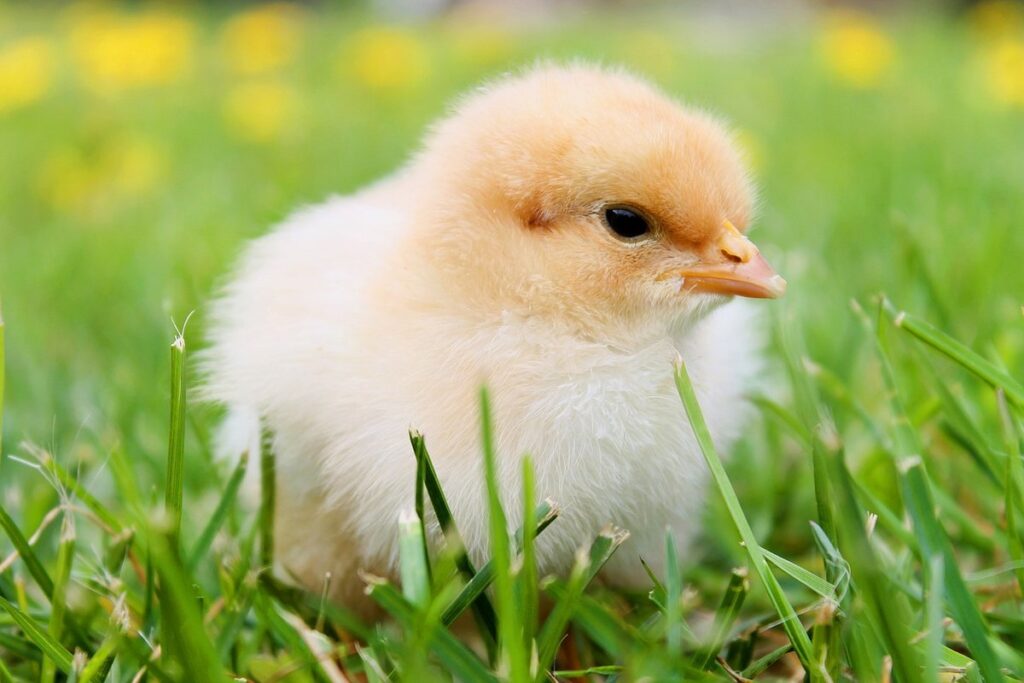
Week 1-2: Preparing for Arrival
Now that you’ve made the decision to raise meat chickens, it’s time to prepare your coop and flock for arrival, which is just around the corner. This week, focus on getting everything ready.
Acquiring Healthy Chicks
When acquiring healthy chicks, it’s essential to buy from reputable breeders or hatcheries. Reputable sources will provide you with high-quality chicks that are less likely to succumb to diseases and health issues. Look for breeders or hatcheries that specialize in meat chicken breeds and have a good track record of producing healthy birds.
Before making a purchase, research the breeder or hatchery to ensure they are well-established and reputable. Check online reviews, ask for referrals from other farmers, and look for certifications such as National Poultry Improvement Plan (NPIP) certification. A good breeder will be transparent about the health status of their birds and provide documentation to support their claims.
When selecting chicks, look for signs of overall health, such as bright eyes, fluffy feathers, and active movement. Avoid chicks with labored breathing, lethargy, or visible deformities. Reputable breeders will often offer a guarantee on the health of their chicks, so be sure to ask about this when making your purchase. By buying from reputable sources and carefully selecting healthy chicks, you’ll set yourself up for success in raising strong, healthy meat chickens.
Setting Up the Brooder
When it comes to setting up a brooder for your meat chickens, creating a safe and comfortable environment is crucial for their health and development. This starts with the basics: heating, lighting, and ventilation.
First, ensure the brooder has adequate heat. Chicks need a temperature of around 90-95°F (32-35°C) during the first week, gradually decreasing by 5-10°F (3-6°C) each week until they’re about six weeks old. You can use a heat lamp or ceramic heat emitter, but make sure it’s at least 2-3 feet away from the chicks to prevent overheating.
Next, consider lighting. Chicks need UV light to develop strong bones and immune systems, so use LED bulbs specifically designed for brooding. Place them about 18 inches above the birds’ heads, shining downwards to mimic natural daylight.
Lastly, don’t forget ventilation! Proper airflow helps maintain a healthy environment by removing ammonia from their droppings and keeping temperatures stable. Ensure good air circulation around the brooder using windows, vents, or fans – just be sure to direct airflow away from the chicks.
By following these guidelines, you’ll set your meat chickens up for success in their early days, laying the foundation for a healthy, thriving flock.
Week 3-6: Growing and Development
As we enter weeks three through six, your meat chickens will undergo significant growth and development, requiring adjustments to their care and living arrangements. Proper management during this period is crucial for optimal health and production.
Feeding and Watering Essentials
When it comes to feeding and watering your meat chickens, getting it right is crucial for their growth and overall health. In this stage of their development (Week 3-6), they will be consuming a significant amount of feed and water. It’s essential to provide them with high-quality starter feed that meets their nutritional needs.
A good quality starter feed should contain around 20% protein, which is crucial for muscle growth and development. You can expect your chickens to grow at an average rate of 1-2 pounds per week during this period. To manage their water intake effectively, make sure they always have access to fresh water that’s changed regularly.
To encourage healthy drinking habits, it’s recommended to use a waterer that prevents droppings from contaminating the water source. You can also add a few ice cubes to the water to lower its temperature and make it more appealing to your chickens. By following these simple tips, you’ll be able to provide your meat chickens with the essentials they need to grow strong and healthy.
Monitoring Health and Growth
As you approach week 3-6 of raising meat chickens, it’s essential to keep a close eye on their health and growth. Young chicks are prone to illness and stress, which can impact their development and even lead to death. To identify potential issues, look out for changes in behavior, appetite, or physical condition.
Monitor your chicks’ droppings regularly; abnormal colors or textures can indicate problems such as bacterial infections or internal parasites. Keep an eye on temperature fluctuations in the brooder, as sudden drops or rises can cause stress. Also, watch for signs of respiratory issues like coughing, sneezing, or labored breathing.
If you notice any unusual symptoms, isolate affected birds immediately to prevent the spread of disease. Provide a clean and well-ventilated environment, and consult with a veterinarian if necessary. In many cases, minor issues can be addressed through adjustments in feed, water quality, or living conditions. Regular monitoring will help you catch problems early, ensuring your chicks continue to grow strong and healthy until harvest time.
Week 7-12: Transitioning to Outdoor Living
As your flock grows and becomes more established, it’s time to start thinking about moving them outdoors, where they can forage and exercise freely. This crucial transition marks a significant milestone in their development.
Moving to a Coop or Run
As your meat chickens approach 12 weeks of age, it’s time to transition them from the warmth and safety of their brooder to a more natural outdoor environment. This process is crucial for their health, happiness, and eventual harvest. The goal is to move them to a coop or run that provides adequate shelter, protection from predators, and sufficient space to roam.
When selecting a coop or run, consider factors such as size, material, and location. A good rule of thumb is to provide at least 2-4 square feet of outdoor space per bird. Also, ensure the coop has sturdy walls, a secure roof, and predator-proof mesh for windows and vents.
To prevent predators from accessing your flock, install a robust fence around the run and cover any gaps with hardware cloth or chicken wire. You’ll also want to add a few essential features like roosts, nesting boxes, and feeders to create a comfortable environment for your birds. It’s also a good idea to gradually introduce them to their new surroundings by placing food and water outside the coop before making the final move.
Introduction to Foraging and Exercise
As we approach week 7-12 of raising your meat chickens, it’s essential to introduce them to foraging and exercise routines. This transition phase is crucial for their overall health, happiness, and development. By providing a safe and enriching environment, you’ll encourage natural behavior, reduce stress, and promote a balanced lifestyle.
Create a designated area for foraging by introducing new plants or fruits in the chicken run. Start with simple options like clover, dandelions, or cherry tomatoes, and gradually introduce more complex foods. Supervise your flock during mealtime to ensure they’re eating their fill without becoming overwhelmed. A 50/50 mix of foraged food and commercial feed is an excellent starting point.
For exercise, consider creating a ‘free-range’ zone within the coop or run. Allow chickens to roam freely, exploring and exercising at their own pace. This not only promotes physical activity but also mental stimulation. Rotate toys and objects regularly to prevent boredom and keep your flock engaged. Remember, foraging and exercise are not just essential; they’re also incredibly fun for both you and your meat chickens!
Week 13-18: Fattening and Finishing
Now that your meat chickens are growing, it’s time to focus on fattening them up for a succulent harvest between weeks 13-18. This crucial period requires careful management to ensure optimal flavor and tenderness.
Adjusting Feed and Nutrition
During the fattening phase of raising meat chickens, nutritional requirements become even more critical to ensure optimal growth and marbling. At this stage, you’ll want to adjust feed types and amounts to support increased energy needs.
Meat chickens require a diet rich in protein and calories to build muscle mass and deposit fat evenly. A good starting point is to switch from starter or grower feeds to finisher feeds around week 13-14. Finisher feeds typically contain around 16-18% protein, which is higher than what your birds needed during the growth phase.
As for amounts, gradually increase feed intake by about 10-15% every week until you reach optimal weight. This will help prevent overfeeding and ensure that your chickens don’t become overweight or develop health issues. It’s also essential to provide adequate water access at all times, as this can affect overall nutritional absorption.
For example, if a chicken weighs around 3 pounds (1.4 kg) at week 13, you may increase feed intake by about 0.2-0.25 pounds (.09-.11 kg) per day to achieve the desired weight of 5-6 pounds (2.3-2.7 kg) by week 18.
Monitoring Weight Gain and carcass quality
As you approach week 13-18 of raising your meat chickens, it’s essential to monitor their weight gain and carcass quality closely. This is a critical period where chickens are transitioning from growth to finish. To achieve optimal results, regularly weigh your birds using a scale or balance to track their progress. A general rule of thumb is to expect a 1-2 pound (0.5-1 kg) weight gain per week.
When assessing carcass quality, look for even feather coverage, shiny plumage, and a well-rounded breast. Check the liveweight-to-carcass ratio by weighing birds at processing age. Aim for an ideal ratio of around 70-75%. This indicates that your chickens are efficiently converting feed into lean meat. Monitor water intake, as under-hydration can lead to poor weight gain and compromised carcass quality.
By monitoring these key indicators, you’ll be able to identify any issues early on and make adjustments to feeding or management strategies to optimize growth rates and final product quality. Remember, the goal is to produce healthy, flavorful meat while minimizing waste and ensuring food safety.
Week 19-24: Harvest Preparation
As you approach week 19, your meat chickens will be maturing rapidly, and it’s time to prepare for harvest – a crucial process that requires careful planning.
Vaccinations and Health Checks
As we approach week 19-24 of raising your meat chickens, it’s crucial to prioritize vaccinations and health checks to prevent disease outbreaks that can decimate your flock. During this critical period, young birds are most susceptible to illnesses like Marek’s disease, Newcastle disease, and infectious bronchitis.
To protect your flock, consider the following protocols: consult with a veterinarian or poultry expert to determine the best vaccination schedule for your specific breed and region. Typically, broiler chickens receive vaccinations against diseases like Newcastle disease and infectious bryonitis at 1-2 days old, followed by a booster shot around week 18.
In addition to vaccinations, regular health checks are vital during this period. Inspect your flock daily for signs of illness such as labored breathing, lethargy, or changes in droppings. Implement practices like foot baths and cleanliness standards to minimize disease transmission. Regularly monitor temperature and humidity levels in your coop to prevent heat stress.
By following these recommended protocols, you can ensure the health and well-being of your meat chickens, ultimately producing a thriving flock that meets your expectations.
Preparing for Slaughter and Processing
As you approach week 19-24 of raising your meat chickens, it’s essential to start preparing them for slaughter and processing. This process is crucial not only for the quality of the final product but also for ensuring food safety.
Firstly, assess your flock’s weight and growth rate. Meat chickens typically reach market weight between 12-16 weeks of age. Once you’ve determined that they’ve reached the desired weight, begin to reduce their feed intake by about 20% to prevent overfeeding. This will help maintain a healthy weight while reducing the risk of complications during processing.
When preparing for slaughter, ensure your birds are stress-free and well-rested. Provide them with clean water, shelter, and adequate space before the actual process. Consider consulting local or online resources for guidance on humane slaughter practices. Always follow proper food safety guidelines to prevent contamination and spoilage.
It’s also crucial to prepare your equipment and facilities for processing. Clean and sanitize all surfaces, utensils, and tools to minimize bacterial risks. If you’re new to processing, consider seeking advice from an experienced breeder or mentor to ensure a smooth and successful operation.
Post-Harvest Considerations
Now that you’ve successfully harvested your meat chickens, it’s time to think about what comes next: disposing of manure, storing carcasses, and managing cleanup. These considerations are crucial for a clean and healthy operation.
Marketing and Selling Your Meat
When it’s time to sell your homegrown meat chickens, having a solid marketing strategy in place can make all the difference. First and foremost, consider labeling and branding. This is more than just slapping a sticker on a package of chicken – it’s about creating an identity for your product that resonates with customers. Think about using a catchy name, designing a logo, and developing a consistent visual aesthetic across all marketing materials.
Local market options are a great place to start selling your meat chickens. Consider partnering with local restaurants, specialty food stores, or farmers’ markets to get your product in front of potential customers. You can also explore online platforms like Craigslist or social media groups dedicated to buying and selling local produce. Just be sure to follow any necessary regulations and guidelines for labeling and selling homegrown meat.
Ultimately, the key is to find a marketing strategy that works for you and your business – whether that’s through in-person sales, online marketplaces, or a combination of both.
Record-Keeping and Improvement Planning
Record-keeping is an often-overlooked yet crucial aspect of raising meat chickens. It’s essential to track various metrics to ensure the health and quality of your flock. Start by monitoring growth rates by weighing chicks at 1, 2, and 4 weeks of age. This will help you identify any potential issues with feed or environmental factors.
Health issues can also be tracked through regular record-keeping. Note any signs of illness or injury, as well as the date and time of treatment. Keep a log of vaccinations administered to ensure that your birds are up-to-date on their shots.
Carcass quality is another key metric to track. Record weights, lengths, and grades for each bird at slaughter. This will help you identify areas where improvements can be made in feed, nutrition, or overall flock management.
Regularly reviewing these records will enable you to make data-driven decisions to improve your operation. For example, if you notice that a particular breed is consistently producing birds with lower weights, you may need to adjust their diet or provide more space for exercise.
Frequently Asked Questions
What if I’m short on space for my meat chicken flock, can I still raise them successfully?
Yes, you can raise a small number of meat chickens even with limited space. Consider vertical integration by using stacked coops or converting an existing shed to create a compact living space for your birds.
How will I know when it’s time to start adjusting feed and nutrition for fattening and finishing?
Monitoring weight gain and carcass quality is key to determining when to adjust feed and nutrition for optimal growth. Consult with experts, conduct research on breed-specific requirements, or use online resources to determine the best feeding schedule for your meat chicken flock.
Can I raise multiple breeds of meat chickens together, and if so, how can I ensure compatibility?
Yes, you can raise multiple breeds together, but it’s essential to introduce them at a young age and monitor their behavior. Choose breeds that complement each other in terms of temperament, growth rate, and feed efficiency. Research breed-specific characteristics to create a harmonious flock.
How often should I be checking on vaccinations and health checks for my meat chickens?
Regular check-ups with a veterinarian or poultry expert are crucial during the fattening and finishing phases (Week 13-18). Schedule visits every 2-3 weeks, especially during times of high stress, disease outbreaks, or when introducing new birds to your flock.
What if I encounter an unexpected issue like a predator attack on my meat chicken flock – what’s my next step?
In the event of an attack, quickly assess damage and injuries. Prioritize bird safety by relocating surviving chickens to a secure area, then address any wounds or health concerns. Consider consulting with local experts or poultry associations for guidance on how to prevent future incidents and maintain flock security.
How can I ensure accurate record-keeping throughout the meat chicken raising process?
Use a dedicated notebook or app to track key milestones, feeding schedules, vaccinations, weight gains, and processing dates. Regularly review records to monitor progress, identify areas for improvement, and make data-driven decisions for future flocks.