
Are you considering adding some unique flair to your backyard with muscovy ducks? These fascinating birds can make entertaining pets, but they require special care. Before bringing them home, it’s essential to understand their specific needs and whether your yard is suitable for these feathered friends.
In this article, we’ll explore the ins and outs of caring for muscovy ducks in a backyard setting. We’ll discuss the ideal space requirements for keeping them happy and healthy, including enclosure suggestions and safety considerations. Nutrition is also crucial, so you can expect tips on providing a balanced diet that meets their unique needs. Plus, we’ll weigh the pros and cons of having these unusual birds as pets, helping you make an informed decision about whether muscovy ducks are right for your family.
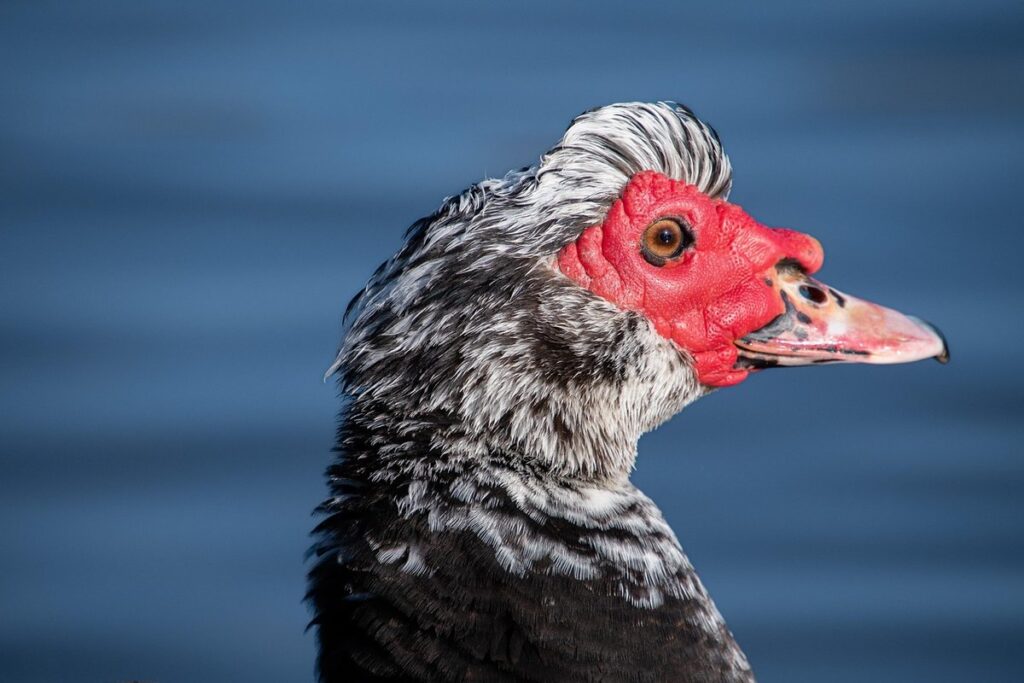
Understanding Muscovy Duck Basics
To start caring for your muscovy ducks effectively, it’s essential to understand their basic needs and characteristics, such as temperament and feeding requirements. Let’s dive into these key aspects first.
What are Muscovy Ducks?
Muscovy ducks have become increasingly popular as backyard pets due to their unique characteristics and low-maintenance requirements. Originating from South America, this breed was first introduced to Europe in the 16th century by Spanish conquistadors.
What sets Muscovy ducks apart is their ability to thrive in a variety of environments, making them an ideal choice for urban or rural settings. They are well-suited for small spaces due to their compact size, with males reaching approximately 2-3 feet in height and weighing around 8 pounds.
One key characteristic that makes Muscovy ducks suitable for backyard care is their omnivorous diet. Unlike other duck breeds, they do not require a high-protein aquatic feed, allowing owners to provide them with a varied diet of grains, fruits, and vegetables. This adaptability makes caring for Muscovies relatively straightforward, as owners can easily integrate them into their existing gardening or feeding routines.
Their quiet nature is another significant advantage, making them an excellent choice for those who prefer a peaceful backyard environment. Additionally, Muscovy ducks are known to be social animals and can form strong bonds with their human caregivers.
Pros and Cons of Keeping Muscovy Ducks
When considering keeping Muscovy ducks as pets, it’s essential to weigh the pros and cons of ownership. On the plus side, these birds are prolific egg producers, laying an average of 300-320 eggs per year, making them a great choice for backyard farmers or those looking to supplement their family’s egg supply.
Muscovy ducks are also known for being quiet and docile, which is a welcome relief from other noisy waterfowl. They’re relatively low-maintenance pets that require regular feeding, watering, and cleaning of their enclosure but can thrive in smaller spaces. Additionally, Muscovy ducks are generally easy to handle and interact with, making them suitable for families with children.
However, like any pet, there are also downsides to consider. Muscovy ducks can be territorial and may become aggressive if not socialized properly from an early age. They’re also known to make a loud hissing noise when threatened or startled, which can startle even the most seasoned duck owner. Furthermore, their droppings are quite strong-smelling and require regular cleaning of the enclosure to prevent messes.
Choosing the Right Environment
When deciding where to keep your muscovy ducks, it’s essential to consider both their needs and the requirements of your backyard. A suitable environment will depend on several factors.
Space Requirements
When it comes to creating a happy and healthy environment for Muscovy ducks in your backyard, space is essential. These birds require a significant amount of room to move around, exercise, and engage in natural behaviors.
A minimum enclosure size of 10 feet by 20 feet (2,400 square feet) is recommended for a small group of Muscovy ducks. However, bigger is always better when it comes to providing space for these feathered friends. A larger enclosure will give them ample room to roam and reduce stress caused by confinement.
Fencing requirements are also crucial to keep your Muscovy ducks safe from predators and prevent them from escaping. The fencing should be at least 3 feet high, with the bottom edge extending at least 12 inches below ground level to prevent digging. Chicken wire or hardware cloth with openings of no more than 1 inch is recommended for the fence material.
It’s also essential to ensure that your enclosure has adequate ventilation and shelter from harsh weather conditions, such as direct sunlight, wind, and rain. Providing a covered area or a coop will help protect your Muscovy ducks from extreme temperatures and give them a sense of security.
Climate Considerations
When it comes to caring for muscovy ducks in different climates, it’s essential to consider the specific needs of these birds in various regions. If you live in a hot and humid climate, such as Florida or Hawaii, you’ll need to take extra precautions to ensure your muscovy ducks stay cool and comfortable.
* Provide ample shade: Set up a shaded area where your muscovy ducks can retreat from the heat.
* Use misting systems: Install a misting system in their enclosure to help lower the temperature.
* Increase water intake: Ensure they have access to plenty of fresh, cool water to drink.
On the other hand, if you live in a cold climate, such as Minnesota or Canada, you’ll need to focus on keeping your muscovy ducks warm and protected from harsh weather conditions.
* Insulate their enclosure: Use insulation materials like straw or hay to keep the cold air out.
* Provide extra bedding: Add more bedding material to their enclosure to help retain body heat.
* Monitor temperature extremes: Keep a close eye on the temperature and move them to a sheltered area if it gets too cold.
Remember, muscovy ducks are hardy birds but still require special care in extreme climates. By taking these precautions, you can create a comfortable environment for your feathered friends regardless of where you live.
Noise and Disturbance
If you live in a residential area and are considering bringing Muscovy ducks into your backyard, one of the main concerns is likely to be noise. These birds can be quite vocal, especially when they’re communicating with each other or warning others of potential predators.
A single Muscovy duck can produce around 30-40 decibels (dB) of sound, which is roughly equivalent to a normal conversation between two people. But when you have multiple ducks in the same area, the noise level can quickly add up. For example, a study on urban animal noise found that the presence of Muscovy ducks contributed to an average increase of around 10 dB in residential areas.
To mitigate this issue, consider implementing some simple measures:
* Provide plenty of space for your ducks to roam freely and exercise.
* Create a quiet zone or enclosure for them during peak hours (usually early morning and late evening).
* Use noise-reducing materials such as sound-absorbing panels or plantings around the duck area.
* Develop a schedule that allows for regular quiet time, giving both you and your neighbors some much-needed peace.
Providing Proper Nutrition
When it comes to keeping muscovy ducks healthy and happy, feeding them a balanced diet is crucial. We’ll cover the essential nutrition requirements for your feathered friends in this section.
Dietary Requirements
When it comes to providing proper nutrition for your Muscovy ducks, understanding their dietary requirements is crucial. These birds are omnivores and require a balanced diet that includes grains, proteins, fruits, and vegetables.
A good starting point is to offer commercial duck feed as the main staple of their diet. You can supplement this with fresh fruits and vegetables daily, such as leafy greens like kale or spinach, carrots, apples, and berries. Avoid giving them avocado, onions, or raw beans, as these are toxic to ducks.
In addition to their regular meals, consider adding supplements like oyster shells for calcium and grit for digestive health. A balanced ratio is 1-2 cups of commercial feed per duck, with an additional 1/4 cup of fruits and vegetables daily.
For optimal health, feed your Muscovy ducks twice a day in the morning and evening. This will allow them to digest their food properly and ensure they have access to fresh water at all times. By following these guidelines, you’ll be able to provide your feathered friends with the nutrition they need to thrive in their backyard habitat.
Food Options
When it comes to feeding your muscovy ducks, you have various options to choose from. Commercial duck feed is a convenient and nutritionally balanced choice, but it can be expensive and may contain fillers that don’t provide much nutritional value. On the other hand, scratch grains like oats, barley, and wheat are a cost-effective option, but they often lack essential nutrients.
Vegetables make an excellent addition to your muscovy ducks’ diet. Dark leafy greens like kale and spinach are rich in iron and calcium, while carrots and sweet potatoes provide essential vitamins and minerals. It’s also essential to include fruits like berries, melons, and apples, which offer a burst of energy.
A balanced diet for your muscovy ducks should consist of 70-80% grains, 10-15% protein sources (like mealworms or crickets), and 5-10% vegetables. Avoid feeding them too many human foods like bread or junk food, as these can lead to health issues. By providing a mix of commercial feed, scratch grains, and fresh vegetables, you’ll be giving your muscovy ducks the nutrients they need to thrive in their backyard home.
Water Quality and Access
When it comes to keeping Muscovy ducks happy and healthy in your backyard, providing them with clean water and ensuring they have adequate access to it is crucial. A duck’s digestive system relies heavily on water, so it’s essential to prioritize their hydration needs.
Make sure the waterer you provide is clean and well-maintained. Change the water frequently, especially if you live in an area with high bacteria counts or contamination risks. You can also use a submersible UV filter to kill bacteria and algae that might be present in the water.
A duck’s access to water should include a shallow pool or tub where they can wade and splash around, as well as a source of fresh drinking water nearby. Provide enough space for your ducks to move around comfortably, ideally at least 2-3 square feet per bird. Avoid placing their waterer near their food or nesting areas to prevent contamination.
Remember to also check the pH level of the water regularly to ensure it’s within the safe range for Muscovy ducks (around 6.5-7.5). By prioritizing clean, accessible water, you’ll help keep your feathered friends happy and healthy in their backyard home.
Health Considerations
When it comes to caring for muscovy ducks, health considerations are crucial to ensure your feathered friends stay happy and healthy. Let’s take a closer look at some essential health tips.
Common Health Issues
As you care for your Muscovy ducks in their backyard habitat, it’s essential to be aware of common health issues that can arise. Respiratory problems are a significant concern, especially during colder months when the air is crisp and dry. Prolonged exposure to cold temperatures can cause bronchitis, pneumonia, or even sinus infections. To prevent respiratory issues, provide your Muscovy ducks with a warm and draft-free shelter where they can escape harsh weather conditions.
Another health issue to watch out for is parasites, particularly internal parasites like worms or mites. These pesky critters can be introduced through contaminated food or water sources. Regularly inspect your ducks’ droppings, and change their bedding frequently to prevent the spread of parasites. Treat any infestations promptly with a veterinarian-recommended deworming medication. Regular health checks by a qualified avian vet will also help identify any potential issues early on.
By staying vigilant and taking preventative measures, you can keep your Muscovy ducks healthy and thriving in their backyard habitat.
Vaccinations and Preventative Care
As a muscovy duck owner, it’s essential to prioritize vaccinations and preventative care measures to maintain a healthy flock. Just like humans, ducks can contract diseases and infections that can spread quickly among the flock if not addressed promptly. Vaccinations are crucial in preventing illnesses such as duck plague, which is highly contagious and often fatal.
To implement effective biosecurity measures, monitor your muscovy ducks regularly for signs of illness, such as labored breathing, lethargy, or changes in appetite. Keep their living area clean by removing soiled bedding, disinfecting food and water containers daily, and preventing wild birds from entering the enclosure.
A key aspect of preventative care is maintaining a balanced diet that includes essential nutrients, vitamins, and minerals. This can be achieved through commercial duck feed or a well-planned homemade mix. Additionally, provide regular access to fresh water and ensure that your muscovy ducks have adequate shelter from extreme weather conditions.
Handling and Socialization
Proper handling and socialization are crucial for muscovy duck care, teaching your feathered friends to interact gently and calmly around people. By doing so, you’ll create a harmonious backyard environment for both humans and ducks.
Introduction to Basic Handling
When it comes to caring for Muscovy ducks, handling them safely and regularly from an early age is crucial. It not only helps build trust between you and the duck but also makes the process of caring for them much easier.
To start with, get accustomed to holding a duckling as soon as possible after they hatch. Begin by gently lifting them out of their nesting box and supporting their body under their wings, making sure to secure their legs safely in your hands. As you handle them more frequently, they will become less stressed and learn to relax in your presence.
Handling Muscovy ducklings at a young age helps them develop into confident birds that are comfortable around people. This is especially important as they grow into adulthood because it allows you to perform essential tasks like nail trimming, wing clipping, and vaccinations with ease. By doing so, not only do you ensure their health but also create a positive bond between the duck and its caregiver.
Socialization Techniques
Socializing your Muscovy ducklings with their human caregivers and other animals is crucial for their development and integration into your household. When handling young ducklings, it’s essential to start socialization from an early age. Begin by gently picking them up and cuddling them for short periods, ideally 10-15 minutes a day. This helps the ducklings become comfortable with human presence and touch.
When introducing your ducklings to other animals in the household, do so gradually and under close supervision. Start with visual introductions, where all animals are kept separate but can see each other. Once they seem calm and interested, you can progress to scent introductions by swapping bedding or toys. Finally, allow them to interact under direct supervision, rewarding good behavior with treats.
Remember, socialization is an ongoing process that requires patience and consistency. With time and effort, your Muscovy ducklings will become confident and friendly companions for both humans and other animals in the household.
Integrating Muscovy Ducks into Your Backyard Ecosystem
Muscovy ducks are social birds that thrive on interaction, so integrating them seamlessly into your backyard ecosystem requires some planning and creativity when it comes to their social needs.
Fencing and Enclosure Design
When designing an enclosure for your Muscovy ducks, it’s essential to strike a balance between their needs and those of the humans who will be interacting with them. A well-designed enclosure can provide both safety and enjoyment for everyone involved.
For fencing materials, you’ll want to choose durable options that can withstand the elements and potential scratching from your ducks’ sharp claws. Options like cedar, cypress, or pressure-treated pine are good choices, as they’re resistant to rot and insect damage. You can also consider using chicken wire or hardware cloth for added security.
When it comes to fencing style, opt for a design that allows for easy cleaning and accessibility. Consider a simple rectangular shape with enough space for your ducks to move around comfortably. Make sure the enclosure is tall enough to prevent flying Muscovy ducks from escaping – a minimum of 6 feet high is recommended.
In terms of size, ensure the enclosure provides at least 2-3 square feet per duck, depending on their age and breed. This will give them ample space for exercise and movement.
Predator Deterrence
As you introduce muscovy ducks into your backyard ecosystem, it’s essential to consider the potential threats they may face from predators. Foxes and coyotes are two common culprits that can pose a significant risk to these waterfowl.
To deter predators from entering your backyard, start by securing any gaps or openings in your fencing. This includes holes around pipes, vents, and other areas where wildlife might squeeze through. Consider installing hardware cloth or chicken wire with openings of 1 inch or less to prevent predators from reaching your muscovy ducks.
You can also take steps to make your backyard less appealing to predators. Remove any food sources that may attract them, such as pet food or fallen fruit. Keep a clean and tidy yard by disposing of waste properly and storing trash in sealed containers. By implementing these simple measures, you’ll create a safer environment for your muscovy ducks to thrive.
If you live in an area with high predator activity, consider installing motion-activated sprinklers or other deterrents specifically designed to scare away wildlife. These can be an effective way to protect your birds without compromising their natural behavior.
Long-Term Commitment and Considerations
When it comes time to bring your muscovy ducks home, there are several long-term considerations to keep in mind to ensure their health and happiness. Let’s dive into what you need to think about.
Life Expectancy and Planning
When deciding to bring Muscovy ducks into your backyard, it’s essential to consider their lifespan and future plans. These birds can live up to 15-20 years with proper care, which means they’ll be a part of your family for nearly two decades.
Their long-term commitment requires careful planning, including housing, feeding, and healthcare costs. It’s crucial to think about the financial implications of caring for Muscovy ducks, not just for their initial purchase but also for ongoing expenses. A good rule of thumb is to budget at least $1,000 per year for each duck.
As you plan for the future, consider factors like veterinary care, potential health issues, and eventual replacement. Research reputable breeders who prioritize health and temperament to minimize these risks. When making a long-term commitment, think about how your lifestyle may change over time – will you be moving to a new home or traveling frequently? Ensure that your Muscovy duck’s needs remain a priority in all of your plans.
In terms of future planning, consider setting aside dedicated space for the ducks and planning for regular maintenance. With proper care and attention, your Muscovy ducks can become beloved members of your family, providing joy and companionship for years to come.
Breed Selection and Availability
When it comes to bringing Muscovy ducklings into your backyard, finding reputable breeders or suppliers is crucial. You want to ensure you’re getting healthy stock that will thrive in their new environment. Start by researching local and online breeders through word of mouth, online forums, or social media groups dedicated to raising waterfowl.
Check for credentials such as membership with organizations like the American Bantam Association (ABA) or the Muscovy Duck Breeders’ Association. These memberships often require breeders to adhere to strict guidelines regarding health and genetics.
When selecting ducklings, look for signs of vitality, such as bright eyes, alertness, and robust feathers. Avoid ducklings that appear lethargic, deformed, or have visible health issues. If possible, visit the breeder in person to get a firsthand assessment of their facilities and handling practices.
Frequently Asked Questions
Can I Keep Muscovy Ducks with Other Pets in My Backyard?
Yes, muscovy ducks can get along well with other pets like chickens, rabbits, or even dogs if introduced properly and given enough space. However, it’s crucial to ensure compatibility by monitoring their behavior and providing separate areas for each species. A gradual introduction under close supervision can help prevent conflicts.
How Often Should I Clean the Muscovy Duck Enclosure?
Regular cleaning is vital to maintain a healthy environment for your muscovy ducks. Aim to clean the enclosure at least once a week, removing soiled bedding and disinfecting any surfaces with a pet-safe solution. This frequency may vary depending on the size of your flock and the quality of the bedding used.
What If I Notice Signs of Mites or Lice on My Muscovy Ducks?
No. Regular checks can help prevent infestations, but if you notice mites or lice, treat promptly with a suitable medicated powder or spray recommended by a veterinarian familiar with avian health. Monitor your ducks closely after treatment for signs of improvement and consider integrating natural methods to deter these parasites in the future.
Can Muscovy Ducks Adapt to Harsh Winter Conditions?
Yes. While muscovy ducks prefer warmer climates, they can adapt to cooler temperatures if provided with adequate shelter and protection from harsh winds. Ensure their enclosure is designed with insulation and windbreaks to maintain a comfortable environment during winter months. Monitor their health closely for signs of stress.
What’s the Best Way to Introduce Muscovy Ducks to My Backyard Ecosystem?
A gradual introduction process, starting by allowing them to explore their new surroundings under close supervision, can help your muscovy ducks acclimate smoothly into their new environment. Ensure all other pets and wildlife are aware of their presence through scent marking or visual cues to prevent stress or aggression.