
Are you thinking of adding some new feathered friends to your backyard farm, but not sure how they’ll all get along? Integrating muscovy ducks with chickens can be a bit of a challenge, but with the right approach, it can also be a great way to create a harmonious and diverse flock. Muscovy ducks are known for their unique characteristics, such as their loud quacking and ability to eat pests that plague your garden. However, they do require some special considerations when housed alongside chickens. In this article, we’ll take you through the process of integrating muscovy ducks with chickens, covering topics like housing, nutrition, health, and more. We’ll share expert tips on how to create a peaceful coexistence between these two different bird species, so you can enjoy the benefits of a thriving and varied backyard farm.
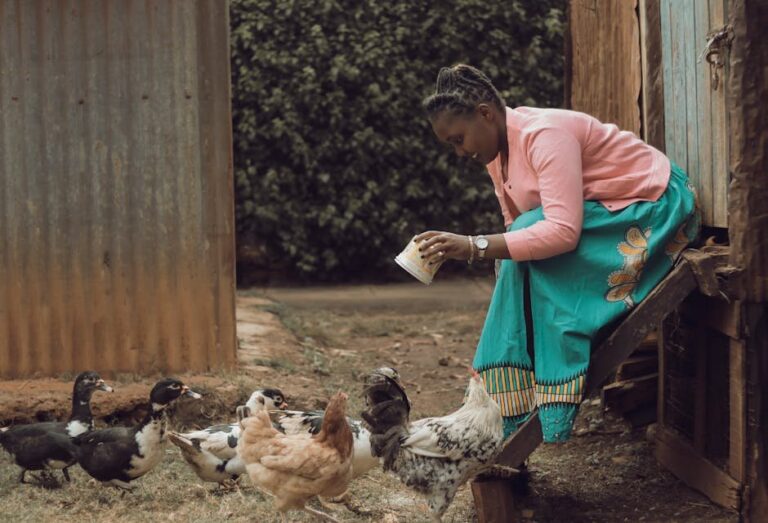
Benefits of Raising Muscovy Ducks with Chickens
By combining muscovy ducks with chickens, you can create a more diverse and resilient flock that provides numerous benefits to your backyard farm. Let’s explore some of these advantages up close.
Introduction to Muscovy Ducks
Muscovy ducks are a unique and fascinating addition to any backyard farm. Native to South America, these birds have been prized for their distinctive appearance, remarkable hardiness, and exceptional egg-laying abilities. Adult muscovy ducks can weigh between 8-12 pounds, with the males sporting a glossy green sheen on their heads, necks, and wings. Their plumage is also notable for its resistance to heat and cold, making them an excellent choice for farmers in various climates.
One of the primary reasons muscovy ducks are popular among backyard farmers is their impressive egg-laying capacity. While they don’t lay as many eggs as chickens, muscovies produce large, brown eggs that are often sought after by chefs and home cooks due to their rich flavor and firm texture. Muscovy ducks are also relatively low-maintenance pets, requiring less space and care than some other types of waterfowl. They’re social birds that thrive in the company of others, making them an excellent choice for farmers with existing chicken flocks.
Pros of Keeping Muscovy Ducks with Chickens
Keeping muscovy ducks alongside chickens can be incredibly beneficial for several reasons. For one, muscovy ducks are natural pest controllers, and they will happily munch on slugs, snails, and other unwanted insects that might damage your crops or garden. This means you’ll save time and money on pesticides and have a healthier garden as a result.
Another significant advantage is the boost to egg production. Muscovy ducks can lay up to 100 eggs per year, which may not seem like a lot, but when combined with the eggs from your chickens, it’s a substantial increase in overall output. Plus, muscovy duck eggs are often larger and have thicker shells than chicken eggs, making them perfect for baking or cooking.
By keeping muscovy ducks with chickens, you’ll also create a more diverse and resilient flock. This is because muscovy ducks have different behaviors and needs to chickens, so they’ll keep each other company and prevent boredom or stress from building up. With proper care and management, this harmonious coexistence can lead to increased productivity, reduced disease risk, and a more enjoyable experience for you as the caregiver.
Selecting Healthy Birds: Considerations for Both Species
When choosing muscovy ducks and chickens to raise together, it’s essential to consider the unique needs of each species to ensure a harmonious flock. Understanding these differences will help you make informed decisions about your bird selection.
Choosing Muscovy Ducklings and Chicks
When selecting muscovy ducklings and chicks for your flock, it’s crucial to choose healthy birds. At first glance, it can be challenging to determine whether a young bird is in good health. However, there are some key signs to look out for.
Look for plumpness: Healthy ducklings should have well-rounded bodies and not appear too thin or gaunt. Check the downy feathers; they should be clean and free from dirt or debris. The eyes should be bright and alert, with no discharge or crustiness around them.
Check the beak and legs: A healthy muscovy chick’s beak and legs should be straight and well-defined. Avoid birds with clubbed or deformed limbs, as this can be a sign of metabolic bone disease. Check the beak for any signs of deformity or misalignment.
In addition to these visual checks, it’s also essential to inspect the overall cleanliness and sanitation of the breeding facility where you’re purchasing your ducklings. This will help ensure that your new additions are free from disease and parasites.
Assessing Chicken Flock Health
When introducing muscovy ducks to an existing chicken flock, it’s essential to assess the health of the chickens beforehand. This will help you identify potential issues that may arise from intermingling species and ensure a harmonious coexistence.
Firstly, observe the overall appearance of the chickens. Do they appear clean and well-groomed? Are their feathers free from mites or lice? Check for any visible signs of illness such as labored breathing, lethargy, or loss of appetite. Monitor their behavior as well – are they interacting normally with each other?
Look out for red flags in the coop’s cleanliness and sanitation. Ensure that droppings are properly removed, and nesting boxes are clean and free from debris. Check the waterer and feeder to ensure they’re clean and accessible.
Next, check the chicken’s vital statistics. What is their average egg production? Have there been any instances of disease or illness in the flock recently? Research the common health issues that affect your breed of chicken and take steps to prevent them.
Also, note if you have a diverse range of breeds within your flock, which can be beneficial for cross-breeding and genetic diversity but also come with increased risk due to differences in immune systems.
Housing and Enclosure Requirements for Both Species
When raising muscovy ducks alongside chickens, it’s essential to consider their distinct housing and enclosure needs. We’ll explore specific requirements for both species in this section to ensure a harmonious flock.
Muscovy Duck Housing Needs
When it comes to housing muscovy ducks with chickens, their specific needs must be taken into account. Muscovy ducks require a significant amount of space to move around, exercise, and engage in natural behaviors. A minimum of 2-3 square feet per bird is recommended for muscovy ducks, but more space is ideal. This means that if you’re planning to keep four muscovy ducks together, you’ll need an enclosure or coop with a minimum area of about 8-12 square feet.
In addition to ample space, muscovy ducks also require good ventilation. They are prone to respiratory issues in enclosed spaces, so it’s essential to ensure that your coop has proper airflow and is well-ventilated. Consider installing windows or vents to allow for fresh air circulation and natural light. This will not only benefit the muscovy ducks but also create a healthier environment for the chickens.
It’s also crucial to consider the muscovy duck’s tendency to be noisy and active at night, so choose an enclosure location that minimizes disturbance to nearby neighbors. By providing your muscovy ducks with the space and ventilation they need, you’ll help create a harmonious flock that thrives alongside your chickens.
Introducing Muscovy Ducks into an Existing Chicken Coop
When introducing muscovy ducks into an existing chicken coop, it’s essential to consider their specific needs and requirements. Muscovy ducks are larger than chickens, so they need more space to move around comfortably. To accommodate them, you’ll need to modify the coop to provide adequate ventilation, lighting, and shelter.
First, ensure that the coop is large enough for both species. A good rule of thumb is to add at least 2-3 square feet of space per muscovy duck. You can achieve this by extending the coop or converting a adjacent area into a duck enclosure. Next, provide sufficient ventilation to prevent ammonia buildup from their droppings. Install windows and vents that allow for airflow and help keep the air fresh.
When integrating the muscovy ducks with your existing flock, introduce them gradually to prevent stress and aggression. Start by keeping them in separate areas but allowing them to see each other through visual barriers. Once they seem comfortable around each other, you can begin to integrate them fully under close supervision.
Nutrition: Ensuring Proper Diet for Both Species
When keeping a mix of muscovy ducks and chickens, it’s essential to ensure both species are receiving the nutrients they need through their diet. A well-planned feeding strategy will help keep your flock healthy and thriving.
Dietary Requirements of Muscovy Ducks
Muscovy ducks have distinct nutritional needs that differ from chickens. Their diet should comprise a mix of grains, fruits, and vegetables. As they’re not as efficient at converting plant-based food into protein as chickens are, they require more protein-rich foods. Include high-quality commercial duck pellets or game bird feed in their diet to meet these requirements.
In addition to their regular diet, muscovy ducks benefit from access to free-range grazing. This allows them to forage for insects and small plants, providing essential nutrients and fiber. Provide a balanced mix of grains like oats, barley, and wheat, along with fruits such as berries, apples, and melons.
Supplements can also support their nutritional needs. Consider adding crushed oyster shells or cuttlebone to provide calcium, which is crucial for strong bone development in muscovy ducks. Avoid over-supplementing, as this can lead to mineral imbalances. For example, excessive calcium can cause kidney damage. Keep a close eye on your flock’s overall health and adjust their diet accordingly.
When feeding muscovy ducks alongside chickens, ensure they have separate areas for eating to prevent competition and stress.
Feeding Chickens and Muscovy Ducks Together
Feeding both chickens and Muscovy ducks together can be challenging, but it’s not impossible. To ensure that neither species is compromising its nutritional needs, you’ll need to provide a balanced diet for both.
Start by offering a high-quality layer feed specifically formulated for chickens as the main staple. This will provide them with all the essential nutrients they require for optimal health. For Muscovy ducks, however, you’ll also need to supplement their diet with a commercial duck feed rich in protein and calcium.
It’s crucial to note that chickens can’t digest duck feed effectively, and vice versa, so ensure both species have access to separate feeding areas where only their respective feeds are available. This will prevent competition for food and reduce the risk of nutritional deficiencies.
To further promote harmonious feeding, consider providing fresh fruits and vegetables daily in moderation. Leafy greens like kale and spinach are ideal additions to their diets, while avoid giving them high-sugar foods like corn or wheat.
Health Considerations: Vaccinations, Parasite Control, and Disease Prevention
When keeping your muscovy ducks healthy alongside chickens, it’s essential to understand how to protect them from common diseases and parasites. We’ll cover the crucial vaccinations and preventative measures you need to consider.
Vaccination Needs for Both Species
When raising muscovy ducks and chickens together, it’s essential to consider their vaccination needs. Both species can be susceptible to various diseases, and vaccinating them is crucial for maintaining a healthy flock.
Muscovy ducks require specific vaccinations due to their unique genetic makeup. They need a Newcastle disease (ND) vaccine, which protects against a highly contagious virus that affects waterfowl. It’s also recommended to administer an avian influenza (AI) vaccine, as muscovy ducks can be carriers of the virus without showing symptoms.
Chickens, on the other hand, require vaccinations for diseases such as Marek’s disease and infectious bronchitis. However, when kept with muscovy ducks, they may also benefit from an ND vaccine to protect against outbreaks that could affect both species.
It’s essential to consult a veterinarian or poultry expert to determine the best vaccination schedule for your flock. They will assess the health status of both species and recommend the necessary vaccinations based on factors such as age, location, and exposure risks.
Managing Flock Health through Regular Checks and Maintenance
Managing Flock Health through Regular Checks and Maintenance is crucial when raising Muscovy ducks alongside chickens. A healthy flock is not only a joy to care for but also helps prevent the spread of diseases. One key area of focus is monitoring for signs of stress, disease, or parasites in both ducklings and adult birds.
Regular checks should be conducted daily, observing for changes in appetite, droppings, feather condition, and overall behavior. Keep an eye out for signs of mites, lice, or fleas, as these can spread quickly through a flock. Use a fine-toothed comb to gently inspect their feathers and skin for any visible parasites.
Maintain clean living quarters by removing soiled bedding regularly and disinfecting areas frequently touched by birds. A 5% bleach solution is effective against many pathogens without harming your ducks or chickens. Also, ensure all water sources are kept clean and free of debris. These simple yet essential checks will help you identify any issues before they escalate into major problems.
In the event of an outbreak, maintain a separate quarantine area for affected birds to prevent cross-contamination with the rest of the flock. Keep accurate records of vaccinations, treatments, and other health-related activities to ensure each bird receives the best possible care.
Integrating Muscovy Ducks into an Existing Chicken Flock
If you’re already raising chickens and want to introduce some new feathered friends, integrating muscovy ducks can be a fun and rewarding experience. Here’s how to do it successfully.
Introducing Muscovy Ducklings to a Mature Chicken Flock
Introducing Muscovy Ducklings to a Mature Chicken Flock requires careful planning and execution to ensure a smooth transition for both species. The goal is to minimize stress and disruption to the existing social dynamics of the mature chicken flock.
When introducing muscovy ducklings to a mature chicken flock, it’s essential to prioritize their safety and well-being. Muscovy ducks are naturally protective of their young, and chickens may see them as potential threats or food sources. To prevent conflicts, start by separating the muscovy ducklings from the mature chicken flock during the initial introduction process.
Begin by placing the muscovy ducklings in a separate enclosure adjacent to the chicken coop, allowing them to get accustomed to each other’s presence and sounds without direct contact. Monitor their behavior closely for signs of stress or aggression. Once you’ve observed calm behavior on both sides, it’s time to reintroduce the two groups under close supervision.
To minimize disruption, consider introducing only a few muscovy ducklings at a time, allowing the mature chicken flock to adjust gradually. Keep in mind that individual personalities within both species can greatly impact the integration process. Be prepared to intervene if you notice any signs of aggression or bullying.
By following these steps and taking your time, you can successfully integrate muscovy ducklings into a mature chicken flock without causing undue stress or disrupting their social dynamics. With patience and careful planning, you’ll be well on your way to creating a harmonious multi-species farm environment.
Common Challenges and Solutions for Muscovy Duck-Chicken Flocks
One of the most common issues you’ll face when keeping muscovy ducks with chickens is managing their different personalities, needs, and behaviors. Let’s tackle some of these challenges together!
Addressing Aggression or Dominance Issues
Aggression and dominance issues can arise when introducing muscovy ducks to chickens, especially if they’re not raised together from a young age. One common issue is the muscovy’s natural instinct to defend their space and food from other birds. To address this, it’s essential to introduce them slowly and under close supervision.
Start by keeping them separate for a few days to allow each bird to become familiar with the other’s sounds, movements, and scents. Once they seem comfortable around each other, you can begin supervised interactions in a neutral area. Reward calm behavior with treats and remove any birds that show aggression.
Another strategy is to create separate feeding areas and nesting boxes to reduce competition for resources. Provide enough space and enrichment activities to keep both muscovy ducks and chickens engaged and distracted from potential conflicts. Remember, patience and consistency are key when resolving dominance issues in a mixed flock.
Managing Feather Pecking and Cannibalism
Managing feather pecking and cannibalism is a crucial aspect to consider when integrating Muscovy ducks with chickens. These behaviors can be triggered by various factors, including stress, boredom, and nutritional deficiencies. In Muscovy duck-chicken flocks, you may notice that the ducks are more prone to these behaviors due to their natural pecking order instincts.
To mitigate feather pecking, provide a variety of perches for your birds to roost on at different heights. This will help them exercise and establish a hierarchy without focusing on each other’s feathers. A mix of wooden, rope, and swing perches can stimulate exploration and activity among the flock members.
In addition, ensure that your flock has access to plenty of space to move around. Muscovy ducks need room to swim and exercise their wings, while chickens require opportunities for scratching and pecking at the ground. A minimum of 10 square feet per bird is recommended to prevent overcrowding and stress-related behaviors.
Feeder management can also play a significant role in reducing feather pecking. Use feeders that allow multiple birds to access food simultaneously without competition or aggression. Consider using hanging feeders or ones with separate compartments for each species.
To discourage cannibalism, maintain a balanced and nutritious diet that meets the unique needs of both Muscovy ducks and chickens. Include supplements like calcium and probiotics in their feed to support strong beak growth and overall health. Regularly clean and disinfect feeding areas to prevent the spread of diseases that can lead to aggressive behavior.
Implementing these strategies will not only help prevent feather pecking and cannibalism but also promote a harmonious coexistence between Muscovy ducks and chickens in your flock.
Frequently Asked Questions
How do I introduce muscovy ducklings to a mature chicken flock?
Introducing muscovy ducklings to an existing chicken flock requires patience and careful planning. Start by separating the muscovy ducklings from the main flock for 2-3 weeks to ensure they’re healthy and acclimated. Then, begin introducing them gradually under close supervision, starting with visual introductions through wire mesh or netting before allowing face-to-face interactions.
Can I feed muscovy ducks and chickens together, or do they require separate feeding areas?
While it’s tempting to simplify your flock’s nutrition by feeding all birds together, muscovy ducks have specific dietary needs that may not align with chicken requirements. To avoid competition for food and potential health issues, consider using separate feeding areas or offering a balanced feed specifically formulated for muscovy ducks.
How do I manage feather pecking and cannibalism in my integrated flock?
Feather pecking and cannibalism can be challenging to address in an integrated flock. To minimize the risk, ensure your enclosure is spacious enough (at least 2-3 square feet per bird), provide adequate foraging opportunities, and maintain a balanced calcium level through oyster shells or crushed eggshells. Monitor your birds closely and intervene promptly if you notice any signs of aggression.
Are muscovy ducks prone to diseases that affect chickens?
Muscovy ducks are generally hardy birds but may be susceptible to certain health issues that also affect chickens, such as respiratory infections or parasites. Regularly monitoring their health, maintaining a clean living environment, and practicing good biosecurity can help prevent the spread of disease.
Can I integrate muscovy ducks with other bird species, like geese or turkeys?
While it’s technically possible to integrate muscovy ducks with other bird species, compatibility issues may arise due to differences in temperament, size, or dietary needs. Before introducing new birds, research their specific requirements and personalities to ensure a harmonious coexistence within your integrated flock.