
Are you getting ready to welcome some adorable newborn chicks into your family? Raising these tiny bundles of fluff requires attention to detail, patience, and a willingness to learn. But don’t worry, we’ve got you covered with this comprehensive guide on how to raise healthy newborn chicks. From nutrition and health to environment and behavior, we’ll walk you through the essential care tips for a successful start. You’ll learn about the critical growth milestones to expect, how to create a safe and nurturing environment, and what to feed your chicks to ensure they grow strong and healthy. With this expert advice, you’ll be well on your way to raising happy, thriving chickens that will bring joy to your family for years to come.
Understanding Newborn Chicks
When it comes to caring for newborn chicks, understanding their unique needs and behaviors is crucial. This section will walk you through the basics of chick development and how to provide the best care possible.
Characteristics of Newborn Chicks
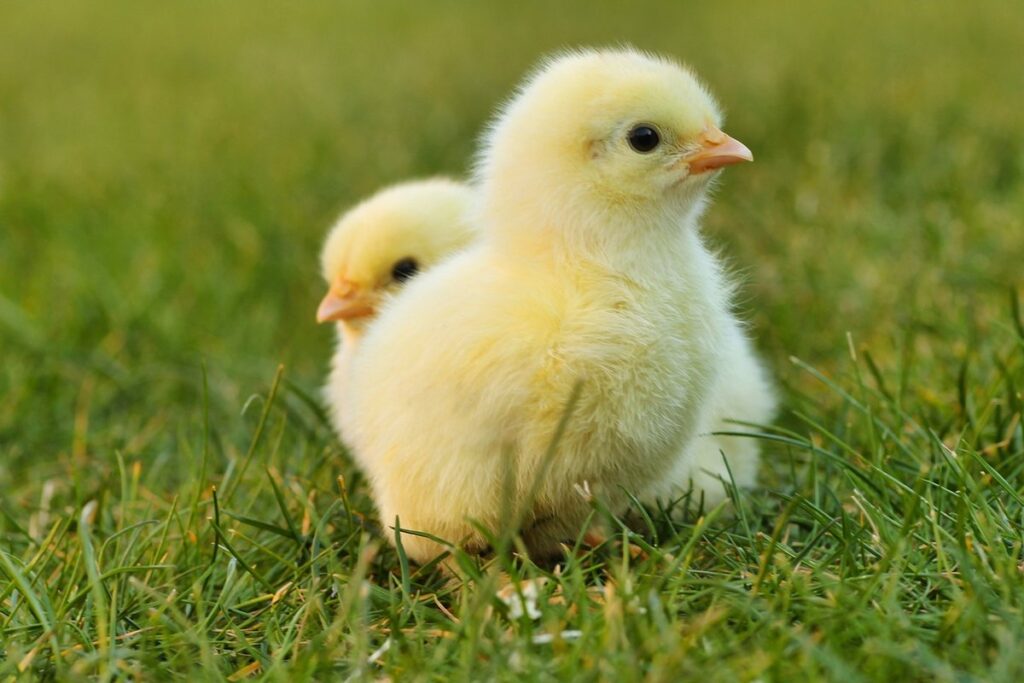
At hatching, newborn chicks exhibit distinct physical characteristics that are essential to understand for proper care and development. On average, a healthy newborn chick weighs around 30-35 grams (1-2 ounces) and measures about 10-12 centimeters (4-5 inches) in length. Their feathers, although soft and fluffy, are still developing and may appear patchy or sparse.
Newborn chicks also possess a few other notable features at hatching. They have downy plumage, which helps regulate their body temperature, but it’s not the same as adult feathers. The beak is short, hooked, and pink in color, while the legs are strong and relatively long compared to their body size.
As they start to dry off and develop further, newborn chicks will begin to grow more robust feathers and lose their downy covering. Keep an eye on your chicks’ development during this critical period, ensuring they receive proper nutrition, adequate hydration, and a safe environment to thrive in. Regular monitoring of their growth and any signs of illness or discomfort is crucial for optimal care and development.
Importance of First 24 Hours
The first 24 hours with your newborn chicks is a critical period that sets the stage for their overall health and development. During this time, it’s essential to ensure they receive adequate nutrition, maintain optimal temperature, and are properly acclimated to their brooder environment.
When it comes to feeding, newborn chicks rely on the nutrients stored in their yolk sac, which should last about 24 hours. However, around 18-20 hours after hatching, they will start to show interest in food and water. Provide a starter feed that’s formulated specifically for young chickens, as this will meet their nutritional needs during this critical growth phase.
Maintaining the right temperature is also crucial; the ideal brooder temperature is between 90°F to 95°F (32°C to 35°C) for the first week or two after hatching. Monitor your chicks’ behavior and adjust the temperature accordingly – if they’re too hot, they’ll be panting; if it’s too cold, they’ll become lethargic.
Proper brooder setup is also vital during this initial period. Ensure adequate ventilation to prevent ammonia buildup from droppings. Add a shallow waterer to prevent slipping hazards and ensure easy access to food and water. By focusing on these essential aspects of care within the first 24 hours, you’ll be setting your newborn chicks up for success in their early stages of development.
Feeding Newborn Chicks
Proper nutrition is crucial for newborn chicks, so it’s essential you understand how to feed them safely and effectively from day one. This guide will walk you through the process of feeding your new arrivals.
Nutritional Requirements
When it comes to meeting the nutritional needs of newborn chicks, it’s essential to provide a balanced diet that supports their rapid growth and development. Chicks require a high concentration of protein in their diet, which is typically between 18-22% on a dry matter basis. As they grow, this requirement decreases gradually. For example, by six weeks old, chicks only need around 12-15% protein in their diet.
In addition to protein, calcium is also crucial for the development of strong bones and beaks. Chicks need around 1.5-2% calcium in their diet, which can be sourced from oyster shells or limestone. Vitamin D3 is another essential nutrient that helps with calcium absorption and bone growth. You’ll want to ensure your chicks’ feed contains vitamin D3 or supplement it separately.
When choosing a starter feed for newborn chicks, look for one that’s specifically formulated for their needs. These feeds usually have the correct balance of protein, calcium, and vitamins. Always follow the manufacturer’s instructions for feeding amounts and monitor your chicks’ health closely to adjust as needed.
Brooding and Chick Starter Feed
When it comes to feeding newborn chicks, you have several options available. One of the most convenient and widely used is commercial chick starter feed. This type of feed is specifically formulated for young chicks, providing them with all the necessary nutrients for growth and development.
Commercial chick starter feed usually contains a balanced mix of protein, energy, and essential vitamins and minerals. It’s also easy to store and transport, making it a popular choice among backyard chicken keepers. However, some people prefer to make their own homemade starter feed using ingredients like oats, wheat, and vegetables.
When introducing new foods to your chicks, it’s essential to do so gradually to prevent digestive issues. Start by mixing a small amount of commercial or homemade feed with the mother’s milk or previous feed. Gradually increase the proportion of new food over the course of several days.
Some important things to keep in mind when making your own starter feed include using fresh and high-quality ingredients, avoiding moldy or spoiled foods, and ensuring that the mix is well-balanced and complete. It’s also crucial to consult with a veterinarian or poultry expert before making any significant changes to your chicks’ diet.
Health and Hygiene
Keeping your little chick healthy is crucial, so let’s talk about setting up a safe and hygienic environment to prevent illnesses and promote overall well-being.
Common Diseases in Newborn Chicks
As you care for your newborn chicks, it’s essential to be aware of common health issues that can arise. One of the most prevalent diseases is coccidiosis, a parasitic infection caused by Eimeria bacteria. Symptoms include diarrhea, lethargy, and a decrease in appetite. If left untreated, coccidiosis can lead to severe dehydration and even death.
Another condition to watch out for is respiratory infections, which are often caused by viruses or bacteria such as Mycoplasma gallisepticum. These infections can manifest as labored breathing, coughing, and sinusitis. To prevent the spread of these illnesses, ensure good ventilation in your coop, maintain cleanliness, and separate infected birds from the rest.
Regular monitoring of your chicks’ behavior and overall health is crucial for early detection and treatment. If you notice any unusual signs or symptoms, consult a veterinarian experienced in poultry care immediately.
Keeping the Brooder Clean
Keeping the brooder clean is crucial for preventing disease and promoting healthy growth in newborn chicks. A dirty environment can be a breeding ground for bacteria, viruses, and other pathogens that can harm your baby chicks.
Change the bedding material daily to prevent ammonia buildup from urates and droppings. Use a non-toxic, absorbent material like pine shavings or straw to line the brooder. Remove any wet or soiled bedding immediately to maintain good air quality.
Clean the waterers and feeders at least twice a day by washing them with mild soap and warm water. Rinse thoroughly to prevent residue buildup. Replace the water and feed frequently to ensure fresh supplies for your chicks. Disinfect the brooder itself by spraying it with a 1:10 dilution of white vinegar in water.
By following these simple tips, you can create a clean and healthy environment that supports the growth and development of your newborn chicks. Remember, a clean brooder is essential for preventing disease and ensuring the well-being of your baby birds.
Environmental Factors
When it comes to raising a healthy and thriving newborn chick, environmental factors play a crucial role in its development. Let’s take a closer look at how you can create an optimal environment for your chick.
Temperature Regulation
Temperature regulation is crucial for newborn chicks, as they are vulnerable to fluctuations in temperature. The ideal range for brooding should be between 90°F (32°C) and 95°F (35°C), with a humidity level of around 50-60%. Maintaining this range helps prevent chilling or overheating, which can lead to health issues.
In a brooder or incubator, you can use heat lamps or ceramic heat emitters to regulate the temperature. Ensure that these heat sources are placed at least 2-3 feet away from the chicks to avoid burns. A good rule of thumb is to provide about 1 square foot of space per chick under the heat source.
Monitor your brooder’s thermometer regularly, and adjust the heat as needed. It’s also essential to have a backup plan in case of power outages or equipment failure. Keep an eye on your chicks’ behavior; if they appear uncomfortable or are huddled together, it may be time to make adjustments to the temperature setting.
Remember that temperature requirements can vary depending on age and breed, so research specific guidelines for your chick’s needs. With proper temperature regulation, you’ll be giving your newborn chick a solid foundation for healthy growth and development.
Humidity Levels and Ventilation
When it comes to promoting respiratory health in newborn chicks, optimal humidity levels and ventilation are crucial factors to consider. The ideal humidity level for a brooder is between 40-60%, which allows the chick’s delicate lungs to develop without succumbing to moisture-related issues.
A lack of proper ventilation can lead to ammonia buildup from uneaten food and droppings, causing respiratory problems in chicks. On the other hand, over-ventilation can cause dryness in the air, leading to skin irritation and dehydration. To strike a balance, ensure that the brooder has adequate airflow while maintaining a humid environment.
For example, you can achieve optimal ventilation by placing the brooder near an open window or using a fan with a high-quality filter to remove dust and debris from the air. In terms of humidity control, you can mist the brooder lightly with water every day to maintain the ideal level. Remember, it’s essential to monitor your chicks’ behavior and adjust the environment accordingly – if they appear lethargic or show signs of distress, reassess their living conditions immediately.
Behavioral Development
As your newborn chick grows and develops, it’s essential to understand their unique behavioral needs and milestones, such as brooding and foraging. In this next part of our guide, we’ll explore these critical aspects of their development.
Natural Behavior
As newborn chicks begin to explore their surroundings, you’ll notice them exhibiting natural behaviors that are crucial for their development. One of the most fascinating things about chicks is their innate ability to peck and scratch from a very young age.
Pecking is an essential behavior for chicks as it helps them develop their beaks and learn how to eat solid foods. In the first few days, you’ll notice your chick pecking at anything that resembles food, including toys, papers, or even their own reflections. To encourage this natural behavior, offer your chick a variety of textures and tastes, such as mealworms, oats, or sunflower seeds.
Scratching is another vital behavior for chicks, allowing them to remove dirt from their feathers and develop strong legs. Provide your chick with a shallow dish of sand or a scratching post to help them exercise this natural instinct. By encouraging pecking and scratching, you’ll be supporting the development of essential skills that will serve your chick well throughout its life.
Socialization and Handling
When it comes to socialization and handling newborn chicks, it’s essential to establish trust and promote calm behavior from an early age. This is crucial for their emotional well-being and development.
To start socializing your newborn chicks, begin by gently handling them as soon as possible after hatching. Hold each chick securely but carefully, making sure not to hold them too tight or constrict their movement. Get them used to being picked up and handled regularly, ideally every 10-15 minutes, for the first few days.
This frequent handling will help your chicks become confident in their surroundings and less stressed when interacting with humans. You can also try placing them on a soft surface, like a towel or cloth, allowing them to move around freely under close supervision. This exposure to different textures and environments will broaden their understanding of their world.
Remember to be gentle and patient during handling sessions, as sudden movements or loud noises may startle your chicks. As they grow and become more confident, you can gradually increase the time spent handling them, helping them develop into well-adjusted, friendly birds.
Growth and Development Milestones
From day one, it’s essential to track your chick’s growth and developmental milestones, such as feathering, pecking, and walking. This will help you ensure they’re meeting their full potential.
Expected Weight Gain
As you monitor the weight gain of your newborn chick, it’s essential to know what to expect and when to be concerned. Typically, a healthy newborn chick gains around 1-2 grams per day for the first week after hatching. By the end of this period, they should have doubled their birth weight.
Signs of potential issues include slow weight gain or a lack of weight gain altogether. If you notice that your chick is not putting on weight as expected, check its feed and water intake. Ensure that both are clean and easily accessible to prevent dehydration and malnutrition.
A chick’s growth rate can also be affected by environmental factors such as temperature and light exposure. Keep the brooder at a consistent temperature between 90-100°F (32-38°C) for optimal growth. Adequate ventilation is crucial to prevent respiratory issues.
Monitor your chick’s behavior closely, and if you notice any signs of stress or discomfort, consult with a poultry expert or veterinarian immediately. Remember, every chick grows at its own pace, but it’s always better to err on the side of caution when it comes to their health and well-being.
Feather Development and Molting
Feathers are an essential part of a chicken’s life, providing insulation, protection from the elements, and even aiding in flight. As a new chick grows, its feather development is crucial for its overall health and survival. The process begins shortly after hatching, with tiny, soft quills starting to emerge from the skin.
At first, these quills are called “filoplumes” or “vibrissae,” but as they grow, they become more defined and take on a feathery appearance. This is called the “pin feather stage.” It’s during this time that feathers are still developing and may appear soft, fluffy, or even droopy.
As your chick grows, you’ll notice its feathers transitioning to the next stage: “soft feathers” or “powder down.” These feathers are longer and more mature, but they’re still not as stiff or fully developed as adult feathers. After about six weeks of growth, your chick will begin molting – a process where it sheds its old feathers in preparation for new ones.
This is a critical period, as the chick needs proper nutrition, care, and management to ensure a smooth transition to adulthood. Provide a balanced diet rich in protein, keep your coop clean and well-ventilated, and avoid any stressors that might hinder growth.
Frequently Asked Questions
What should I do if my newborn chicks are not pecking at food or water within the first hour of hatching?
Yes, this is a common behavior among newly-hatched chicks. They may be disoriented from their journey out of the egg and need some time to recover. Ensure that the feed and water are placed in a safe and accessible location for them. If you notice any signs of distress or lethargy, consult with a veterinarian for advice on how to stimulate their appetite.
How often should I check and clean the brooder to prevent disease among my newborn chicks?
It’s recommended to clean the brooder at least once a day, removing soiled bedding and disinfecting all surfaces. This will help maintain a healthy environment and reduce the risk of diseases such as coccidiosis and respiratory infections. Keep in mind that over-cleaning can also be detrimental; aim for a balance between cleanliness and minimizing stress to your chicks.
What is the ideal temperature range for my newborn chicks during the first few weeks of life, and how should I regulate it?
Newborn chicks require a warm environment, ideally with temperatures ranging from 90°F (32°C) to 95°F (35°C). To maintain this temperature, use heat lamps or ceramic heat emitters specifically designed for poultry. You can also cover the brooder with a towel to prevent drafts and ensure even heating.
Can I mix feed types to provide variety for my newborn chicks, or is it best to stick to one starter feed?
While it’s tempting to offer different feeds to keep things interesting, it’s recommended to start with a single, high-quality chick starter feed. This ensures that your chicks receive the necessary nutrients for growth and development without any potential imbalances. As they mature, you can gradually introduce other foods or supplements under close supervision.
How do I know if my newborn chicks are getting enough light, and what are some signs of light deprivation?
Newborn chicks need UVB lighting to support calcium metabolism and prevent diseases like rickets. Check for signs such as lethargy, feather development issues, or an increased risk of respiratory infections. If you notice any of these symptoms, consult with a veterinarian about supplementing your chicks’ diet with calcium-rich foods or increasing the duration and intensity of UVB lighting.