
If you’re like many suburban backyard enthusiasts, you’ve probably considered raising chickens for fresh eggs and a fun hobby. But if you live in close proximity to your neighbors or have limited space, loud roosters can be a major concern. Don’t worry – there are plenty of quiet chicken breeds perfect for the suburbs that won’t disturb those around you. In this article, we’ll explore some of the best breeds for suburban backyards and provide expert tips on how to raise happy, healthy flocks. From calm egg-layers to gentle foragers, we’ll cover everything you need to know about introducing quiet chickens into your backyard oasis. With our guide, you’ll be well on your way to enjoying fresh eggs and peaceful companionship in the comfort of your own home.
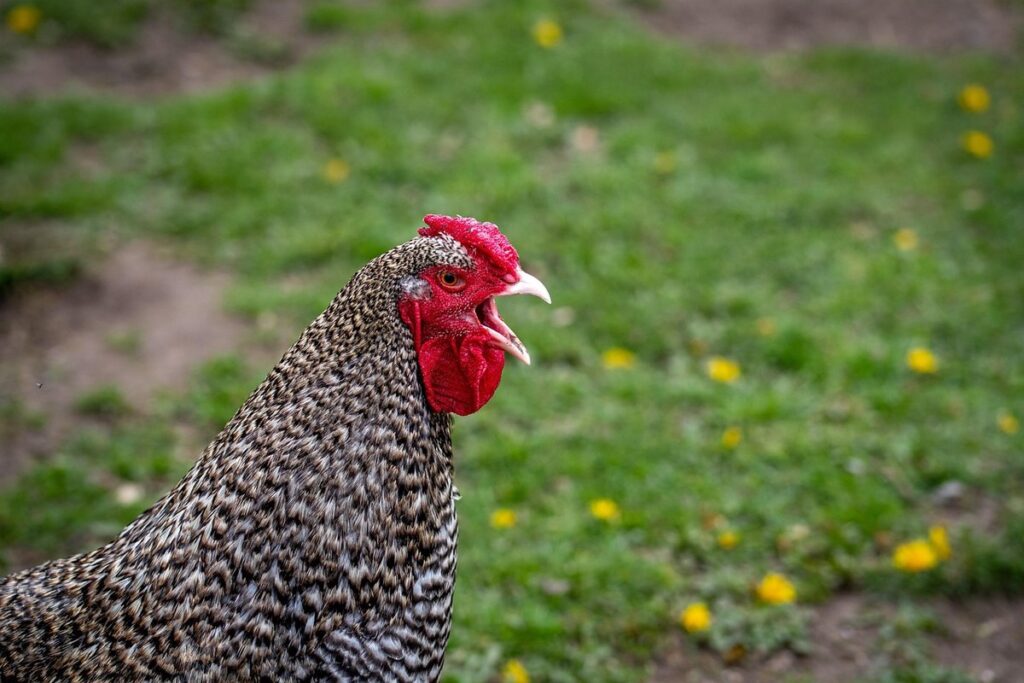
Choosing the Right Breed
When it comes to selecting the perfect quiet chicken breed for your suburban backyard, you’ll want to consider factors such as temperament and noise level. We’ll walk you through some key characteristics to look for.
Factors to Consider When Selecting a Quiet Breed
When selecting a quiet breed for your suburban backyard flock, there are several key factors to consider. Noise levels, temperament, and size are all crucial elements that can impact the overall peace and tranquility of your surroundings.
First and foremost, it’s essential to research the noise level of potential breeds. Some chickens, like Leghorns and Rhode Island Reds, are naturally loud and vocal, while others, such as Silkies and Cochins, are known for their gentle clucking. Consider the proximity of your coop to neighboring homes or living areas when choosing a breed.
Temperament is also vital in a suburban setting. A calm and even-tempered breed will be less likely to cause problems with neighbors. For example, Orpingtons are renowned for their friendly and docile nature, making them an excellent choice for quiet environments.
Lastly, size can impact the noise level of your flock. Smaller breeds tend to be quieter than larger ones, as they require less space and produce fewer loud noises. Keep in mind that even small chickens can still make some noise, so it’s essential to research each breed thoroughly before making a decision.
Top 5 Quietest Chicken Breeds for Suburbs
When it comes to choosing quiet chicken breeds for your suburban backyard flock, there are several popular options to consider. Here are five of the most sought-after breeds that are perfect for noise-conscious neighborhoods.
First up is the Silkie breed. Known for their fluffy feathers and gentle nature, Silkies are a popular choice among backyard chicken keepers. They’re relatively quiet, with an average cluck level of 3-4 on a scale of 1-10. However, they do require regular grooming to prevent matting and tangling of their fur-like feathers.
Another low-key option is the Polish breed. With their crested topskull, Polish chickens are a sight to behold. They’re friendly, docile birds that won’t disturb the neighbors with excessive squawking. In fact, they’re known for being one of the quietest breeds around, making them an ideal choice for suburban backyards.
Next is the Houdan breed, which originated in France. These beautiful birds have a unique mottled appearance and are prized for their gentle nature. They’re relatively low-maintenance and won’t disturb the neighbors with excessive noise. With proper care, they can live up to 10 years or more.
The Brahma breed is another popular choice among backyard chicken keepers. While they may not be as quiet as some of the other breeds on this list, they’re still significantly quieter than many other large breeds. With their impressive size and gentle nature, Brahmas make a great addition to any suburban flock.
Last but not least is the Cochin breed. These stunning birds are known for their soft, fluffy feathers and calm demeanor. They’re relatively quiet, with an average cluck level of 4-5 on a scale of 1-10. However, they do require regular exercise to stay healthy and happy.
When selecting one of these breeds for your backyard flock, be sure to research their specific needs and requirements. With proper care and attention, any of these quiet chicken breeds can thrive in your suburban environment and become beloved members of your family.
Benefits of Quiet Chickens
When choosing a quiet chicken breed for your suburban backyard, it’s essential to consider not only their temperament but also the benefits they can bring to your family and community. A well-behaved flock can be a true delight.
Reduced Noise Pollution in the Neighborhood
Quiet chickens can be a game-changer for suburban areas concerned about noise pollution. Many residents have been forced to choose between having a backyard flock and living near neighbors. However, by opting for quiet chicken breeds, you can enjoy the benefits of raising chickens without disturbing those around you.
Noise pollution not only affects your relationship with neighbors but also has an impact on property values. Studies have shown that loud noise from animals or traffic can decrease property values by up to 10%. By choosing quiet chicken breeds, you can increase your property value and attract potential buyers who appreciate the peaceful environment.
In addition to property values, reducing noise pollution can also improve community relationships. When neighbors are no longer disturbed by loud chickens, they’re more likely to be friendly and welcoming. This can lead to a stronger sense of community, making your neighborhood a more enjoyable place to live.
Stress Reduction and Therapy
Interacting with chickens has been found to have stress-reducing effects, particularly for those living in urban or suburban environments. Studies have shown that simply petting a chicken can lower blood pressure and heart rate, promoting relaxation and calmness. For individuals struggling with anxiety or depression, the gentle clucking and soft feathers of these birds can be incredibly soothing.
Chicken-assisted therapy programs are becoming increasingly popular, using chickens as a tool for stress relief and emotional healing. These programs often involve activities such as feeding, grooming, and simply spending time with the chickens. By doing so, participants can develop a sense of responsibility, empathy, and compassion while enjoying the therapeutic benefits of interacting with these gentle creatures.
In fact, some farms are now incorporating chicken-assisted therapy into their operations, providing a unique opportunity for people to connect with nature and find stress relief in an urban environment. So why not consider starting your own backyard flock? Not only will you enjoy the quiet companionship of your chickens, but you may also be contributing to the mental health and well-being of those around you.
Care and Maintenance for Quiet Chickens
Taking good care of your quiet chickens requires a few key practices, such as regular cleaning and monitoring their coop for health issues. By following these tips, you’ll ensure they stay happy and healthy.
Housing Requirements for Peaceful Flocks
When it comes to raising quiet chickens in suburban areas, providing a peaceful environment is crucial. A well-designed coop and thoughtful location can significantly minimize noise disturbance, ensuring that you and your neighbors can enjoy the benefits of backyard chicken-keeping without any issues.
To start, consider the placement of your coop. Ideally, it should be at least 10 feet away from any neighboring properties to prevent noise from carrying over. Additionally, face the coop north or east to reduce wind-driven noise and ensure maximum sunlight for the birds.
Inside the coop, create a quiet atmosphere by incorporating features such as soft bedding like straw or hay, which can help absorb sound. Also, consider adding some soothing elements like plants or music specifically designed for chickens. Keep in mind that even quiet breeds need some space to move around, so be sure to provide adequate ventilation and perches within the coop.
Regular cleaning and maintenance are also essential to maintain a peaceful environment. Make it a habit to clean out droppings daily and change bedding regularly to prevent odors from building up. By paying attention to these details, you’ll create a harmonious space for your feathered friends to thrive in.
Feeding and Nutrition Guidelines
When it comes to feeding your quiet chickens, providing them with a balanced diet is crucial for their overall health and happiness. Quiet chicken breeds have similar dietary requirements as other chickens, but they can be more sensitive to certain foods.
Firstly, make sure your quiet chickens are getting enough protein from a high-quality layer feed or a mix of grains like oats, barley, and corn. Aim for around 16-18% protein content in their feed. You should also supplement with fruits and vegetables daily, such as leafy greens, carrots, and apples.
Common mistakes to avoid include overfeeding on treats, which can lead to obesity and health issues. Stick to a balanced diet and limit treats to about 10% of their total intake. Also, be mindful of feeding them foods high in calcium, like dairy products or eggshells, as this can cause kidney stones.
For a happy and healthy backyard flock, consider incorporating a small amount of flaxseed oil into their feed to promote shiny feathers and overall well-being.
Common Concerns and Solutions
We’ve covered the basics of quiet chicken breeds, but now let’s address some common concerns that might be holding you back from raising a happy flock in your suburban backyard.
Addressing Noise Complaints from Neighbors
When raising backyard chickens in a suburban setting, it’s essential to consider the potential noise disturbance to neighbors. Addressing noise complaints promptly and effectively can help maintain good relationships with those around you. Start by educating your neighbors about the benefits of backyard chicken keeping and the steps you’re taking to minimize noise.
To resolve potential issues, establish open communication channels with your neighbors. If they express concerns about noise levels, work together to identify areas for improvement. This might involve adjusting feeding times or relocating the coop to a quieter location. Consider using noise-reducing materials such as sound-absorbing panels or white noise machines to minimize disturbance.
Minimizing noise during peak hours, typically between 7 am and 9 pm, is crucial. Try staggering egg collection or morning activities to avoid noisy periods. You can also install automatic feeders or nesting boxes with internal locks to reduce daytime clucking and scratching sounds. By being considerate of your neighbors’ concerns and implementing noise-reducing strategies, you can enjoy a harmonious backyard chicken-keeping experience.
Predator Protection for Quiet Chickens
When it comes to raising quiet chicken breeds in the suburbs, one of the most pressing concerns is predator protection. Despite their calm demeanor, chickens can still be vulnerable to predators such as foxes, coyotes, hawks, and owls. To safeguard your flock, consider investing in a sturdy fencing system that’s at least 3 feet high and extends at least 12 inches below ground level. This will prevent burrowing animals from digging under the fence.
Netting is another effective measure to keep birds of prey out. You can cover the top of the coop or run with hardware cloth or chicken wire, making sure it’s tightly secured to prevent gaps. Consider adding protective equipment like roof shields or overhead netting to further secure your flock.
To maximize protection, always choose a quiet breed that’s specifically developed for backyard keeping and has built-in natural defenses. For example, the Polish Silkied is known for its fluffy feathers and calm nature, making it an excellent choice for suburban flocks. With proper fencing, netting, and protective equipment in place, you can rest assured that your peaceful chickens are safe from predators and can thrive in their backyard home.
Tips for Starting a Quiet Chicken Flock
When starting a quiet chicken flock, it’s essential to consider their specific needs and personalities, and take steps to ensure they’re comfortable and happy in your suburban backyard. This section shares valuable insights on getting started with ease.
Initial Setup and Planning
When starting a quiet chicken flock, it’s essential to plan carefully to ensure a harmonious and thriving backyard ecosystem. To begin, determine the space requirements for your flock. A general rule of thumb is to provide at least 2-4 square feet per bird inside the coop, and 8-10 square feet per bird in the run.
Consider the mature size of your chosen breed and factor in additional space for future additions. For example, a Silkie chicken will require less space than a large Leghorn. Research the specific needs of each breed to ensure compatibility within your flock.
Next, acquire any necessary permits or licenses from your local government before purchasing chickens. Check with your homeowners association (HOA) to see if there are any breed-specific restrictions in place. Ensure you have adequate fencing and predator-proofing measures in place to protect both your flock and neighboring pets. With careful planning, you’ll be well on your way to establishing a peaceful and productive quiet chicken flock.
Ongoing Care and Management
As you continue to enjoy your quiet chicken flock, it’s essential to prioritize their ongoing care and management. Regular health checks are crucial to prevent and detect potential health issues early on. Inspect each bird regularly for signs of stress, illness, or injury, such as changes in appetite, droopy wings, or unusual behavior.
Parasite control is another critical aspect to maintain a healthy flock. Check your birds’ coop and run frequently for signs of mites, lice, or fleas. Use diatomaceous earth or a medicated powder specifically designed for chickens to keep these pests under control. Clean the coop regularly, removing any droppings or debris that can harbor parasites.
Monitor your birds’ living conditions closely, ensuring they have access to clean water, nutritious food, and adequate space to roam. A balanced diet is vital; provide a high-quality layer feed with essential nutrients. Rotate their feeding area regularly to prevent boredom and stress. By following these simple steps, you’ll create a peaceful and thriving flock that will bring joy to your backyard for years to come.
When introducing new birds to the flock, be cautious not to disrupt the existing social hierarchy. Gradually introduce them to the coop and run, allowing the birds to become familiar with each other’s presence. By taking proactive steps in their ongoing care, you’ll minimize stress and ensure a harmonious coexistence among your feathered friends.
Frequently Asked Questions
What’s the ideal space requirement for a quiet chicken flock in a suburban backyard?
The ideal space for a quiet chicken flock depends on several factors, including breed size, climate, and your available land. Generally, it’s recommended to provide at least 2-4 square feet of space per bird inside the coop and 8-10 square feet of outdoor run area per bird. This will give your quiet chickens enough room to roam and exercise without being too overwhelming for a suburban setting.
How do I ensure my quiet chicken breed continues to lay eggs consistently?
To maintain consistent egg production, make sure your quiet chickens have access to nutritious feed, fresh water, and adequate light. Ensure they’re getting 14 hours of daylight or supplement with artificial lighting during the winter months. Regular health checks and vaccinations will also help prevent diseases that can impact egg-laying.
Can I keep quiet chickens in a small garden or patio, or do I need a bigger yard?
While larger yards are ideal for chickens, it’s not impossible to raise quiet chickens in smaller spaces like gardens or patios. However, you’ll need to ensure the area is secure, predator-proofed, and meets local regulations. Consider consulting with local authorities and a veterinarian to determine the best setup for your space.
How do I address noise complaints from my neighbors if they object to my quiet chicken flock?
Addressing noise concerns promptly will help maintain positive relationships with your neighbors. Encourage them to observe your chickens during egg-laying hours (usually morning or late afternoon) when they tend to be quieter. Offer to provide information on the benefits of quiet chicken breeds and how they can contribute positively to a suburban environment.
What are some common health issues in quiet chicken breeds, and how can I prevent them?
While generally quieter, certain breeds can still be prone to specific health issues like parasites or respiratory problems. Regularly inspect your birds for signs of illness, maintain clean living conditions, and provide vaccinations as recommended by local veterinarians. Consider using natural remedies or supplements to boost their immune systems and overall well-being.