
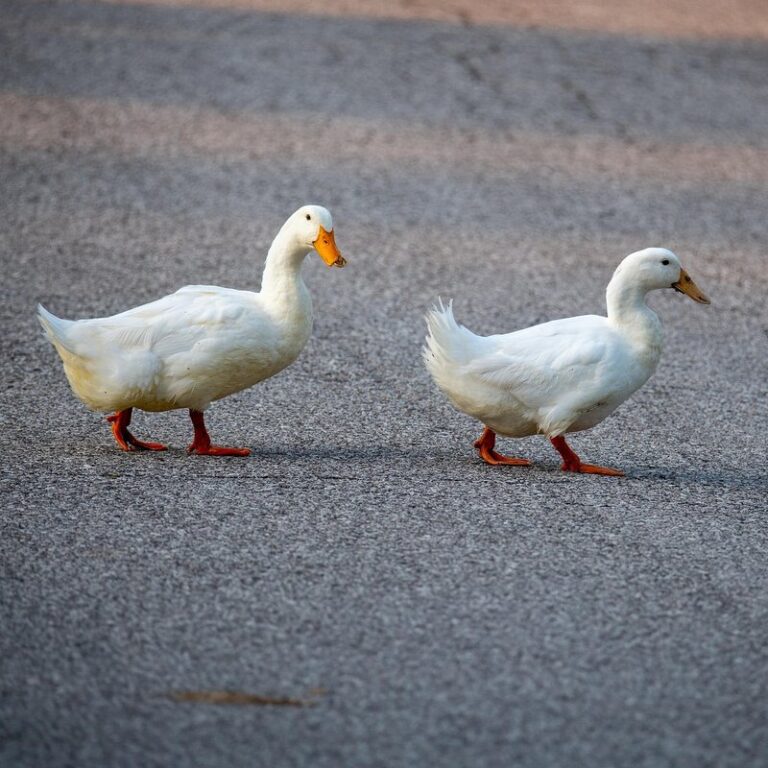
If you’re considering adding some new feathered friends to your farm or backyard, you might want to consider the Pekin White Duck. Originating from China, these ducks have become one of the most popular breeds worldwide due to their docile nature and impressive growth rate.
But why are they so well-loved? For starters, they’re incredibly easy to care for – providing optimal nutrition and living conditions will ensure your Pekin White Ducks thrive. This comprehensive guide is here to walk you through everything you need to know about these wonderful birds, from breeding and health requirements to the best ways to feed them a balanced diet.
In this article, we’ll delve into the characteristics that make Pekin White Ducks so appealing, as well as provide expert advice on how to care for them. Whether you’re an experienced farmer or just starting out, this guide will give you all the information you need to raise happy and healthy Pekin White Ducks.
History and Origins of Pekin White Ducks
The origins of the beloved Pekin White Duck date back to China, where they were first bred for their meat and eggs. Let’s explore how this breed has evolved over time.
Early Development in China
Pekin white ducks have a rich history that dates back to ancient China. It is believed that these ducks originated from the Yangtze River Valley, where they were highly valued for their unique white plumage and rapid growth rate. Initially, Pekin ducks were bred specifically for meat production due to their large size and tender flesh. They became a staple in Chinese cuisine and played a crucial role in feeding the country’s growing population.
In the early 20th century, American farmers took notice of the Pekin duck‘s impressive qualities and began importing them to the United States. The introduction of these ducks marked the beginning of breeding programs that focused on developing their unique characteristics further. However, it wasn’t until the 1950s that the modern Pekin white duck breed was officially recognized by the American Poultry Association.
The early breeding programs aimed at improving the Pekin duck’s growth rate, egg production, and overall health. Breeders selectively bred individuals with desirable traits, resulting in a more uniform and productive breed. Today, the Pekin white duck remains one of the most popular breeds worldwide, prized for its exceptional meat quality, rapid growth, and hardiness.
Introduction to the West
Pekin white ducks have an intriguing history that spans across continents. As we discussed earlier, they originated from China but eventually made their way to Europe and North America. The introduction of Pekin white ducks to these regions marked the beginning of a new era for commercial duck farming.
In Europe, particularly in the UK, Pekin white ducks quickly gained popularity due to their impressive egg-laying abilities. They proved to be an excellent choice for commercial farms looking to increase production. In North America, they were introduced as early as the 19th century and soon became a staple in many backyard flocks.
One of the key factors contributing to their success was their adaptability to new environments. Pekin white ducks can thrive in various climates, from the scorching heat of summer to the freezing cold of winter. This trait allowed them to flourish not only in traditional duck-keeping areas but also in regions where other breeds would struggle.
Their popularity as a commercial breed led to widespread adoption, and they soon became a household name. Today, Pekin white ducks remain one of the most widely kept duck breeds globally, prized for their hardiness, high egg production, and friendly demeanor.
Physical Characteristics and Temperament
Let’s dive into the unique physical characteristics of Pekin White Ducks, from their size to their plumage, which will give you a better understanding of these beautiful birds. You’ll also learn about their temperament and behavior.
Body Type and Size
One of the most recognizable features of Pekin White Ducks is their impressive physical stature. On average, mature males weigh between 8-12 pounds (3.6-5.4 kg) and females typically range from 7-11 pounds (3.2-5 kg). Their compact, well-proportioned bodies are a testament to their hybrid vigor, making them an excellent choice for backyard duck keepers.
In terms of body type, Pekin White Ducks have a broad, flat breast and a relatively short tail, which is often carried horizontally. Their wings are also shorter than those of other breeds, but still quite strong, allowing them to fly short distances when needed. This unique combination of physical characteristics makes them well-suited for a variety of environments, from urban backyards to rural farms.
When it comes to egg-laying abilities, Pekin White Ducks are prolific producers, laying around 200-250 eggs per year. While they may not be as prolific as some other breeds during their first year of laying, their eggs will typically weigh in at a generous 2 ounces (57g) and have a rich, brown shell color.
Their impressive egg-laying abilities make them an excellent choice for small-scale duck keepers looking to supplement their family’s table with fresh, farm-to-table eggs. However, be sure to provide your Pekin White Ducks with a balanced diet that includes plenty of protein and calcium to support their reproductive health.
Feathering and Coloration
One of the most recognizable features of the Pekin White Duck is its stunning white plumage. This breed’s feathers are soft and fluffy, with a subtle sheen that catches the light. However, like all ducks, the Pekin White Duck sheds its feathers seasonally, a process known as molting.
During molting, your duck may lose some of its beautiful white feathers, which can be a bit concerning if you’re not prepared. But don’t worry – it’s a natural process and will happen every year. To minimize feather loss during this time, make sure to provide your duck with a balanced diet rich in protein and nutrients.
If you notice excessive molting or feather loss, it may indicate underlying health issues such as malnutrition or stress. Regular checks on your duck’s overall health and well-being can help prevent these problems from arising. Additionally, keep an eye out for signs of mites or lice infestations, which can cause significant feather loss.
To maintain your Pekin White Duck’s stunning plumage, focus on providing a comfortable living environment with adequate shelter and protection from the elements. Regular grooming sessions can also help reduce stress and prevent feather damage.
Temperament and Socialization
Pekin white ducks are known for their gentle and docile nature, making them an excellent choice for families with children or for those who want a low-maintenance duck breed. They are relatively easy to train, as they are highly curious and eager to please. With patience and consistency, you can teach your Pekin white duck to follow basic commands, such as coming when called or performing tricks.
Socialization is also crucial for Pekin white ducks, especially during their juvenile stage. Introducing them to new people, environments, and other animals from an early age will help them become confident and calm in the presence of strangers. A happy duck flock requires a balance between individual attention and group interaction. Make sure to spend quality time with each duck, but also allow them to interact with one another.
To promote socialization, consider setting up a playpen or a secure outdoor area where your Pekin white ducks can exercise and engage in natural behaviors like foraging and preening. With proper care and attention, your Pekin white duck will grow into a well-adjusted and affectionate companion that brings joy to your family.
Breeding and Genetics
Understanding the breeding and genetics of Pekin White Ducks is crucial for any duck enthusiast, whether you’re a seasoned breeder or just starting out. This section will dive into the intricacies of their genetic makeup.
Selective Breeding for Desired Traits
Selective breeding has been instrumental in refining the Pekin white duck’s characteristics, making it one of the most sought-after breeds globally. One notable improvement is its remarkable egg-laying capacity. Breeders have selectively bred these ducks to produce an average of 300-320 eggs per year, which is significantly higher than other domesticated waterfowl. This increase in egg production is a testament to the power of selective breeding.
In terms of meat quality, Pekin white ducks are renowned for their tender and juicy flesh. Through careful selection, breeders have amplified the breed’s inherent genetic traits that make it an excellent choice for commercial poultry farming. Meat producers appreciate the consistent quality and rapid growth rate of these birds, which enables them to meet market demands efficiently.
To give you a better understanding of the importance of selective breeding in Pekin white ducks, consider this: if not for this process, the breed would likely still be relatively unchanged from its ancestors that were first introduced to the Western world in the early 19th century.
Genetic Considerations for Breeders
When breeding Pekin white ducks, understanding genetic considerations is crucial for maintaining the health and integrity of the breed. One key factor to consider is genetic diversity, which refers to the amount of variation within a population’s gene pool. Without sufficient genetic diversity, breeds can become vulnerable to diseases and decreased fertility.
Inbreeding, or breeding individuals with close genetic relationships, can exacerbate this issue. While it may seem appealing to keep the “best” traits within a small group, inbreeding can lead to a loss of vigor and increased susceptibility to health problems. Conversely, outbreeding – pairing individuals from different genetic lines – can introduce new genes and maintain diversity.
As a breeder, it’s essential to strike a balance between these two extremes. To achieve this, consider using outbreeding programs or selecting breeders with diverse genetic backgrounds. This will not only preserve the Pekin white duck’s genetic integrity but also ensure their continued health and adaptability in various environments. By prioritizing genetic diversity, you’ll be able to maintain a robust and thriving flock.
Health and Nutrition
When it comes to keeping your Pekin white ducks healthy, providing the right nutrition is essential. Here’s what you need to know about their dietary requirements and special considerations.
Common Health Issues
As you delve into the world of Pekin white ducks, it’s essential to be aware of potential health issues that may arise. Respiratory problems are a common concern for this breed, particularly during extreme weather conditions. Wet and cold environments can lead to infections such as pneumonia, which can be fatal if left untreated.
Another issue specific to Pekin white ducks is feather pecking. This behavior occurs when birds become stressed or bored, leading them to peck at their own feathers, often causing damage and pain. To prevent this, ensure your duck’s enclosure is well-ventilated and spacious, with adequate room for exercise.
Vitamin deficiencies are also a risk, especially if your Pekin white ducks don’t have access to a balanced diet. Make sure their feed includes essential nutrients like calcium and vitamin D3 to promote strong bones and overall health. Regular monitoring of your flock’s health will help identify any issues early on, allowing you to take prompt action and ensure the well-being of your beloved ducks.
Some common signs of illness in Pekin white ducks include labored breathing, lethargy, and changes in appetite or droppings. If you notice any of these symptoms, consult with a veterinarian experienced in caring for waterfowl as soon as possible.
Nutritional Requirements
When it comes to meeting the nutritional requirements of your Pekin white duck, providing the right balance of nutrients is crucial for optimal growth and egg production. Pekin ducks are omnivores and require a diet rich in protein, calcium, phosphorus, and other essential vitamins and minerals.
Aim to provide your Pekin white duck with a balanced commercial duck feed as the main staple, supplemented with fresh fruits and vegetables daily. For example, offering leafy greens like kale or spinach can help boost their vitamin and mineral intake. You should also ensure access to clean water at all times.
In terms of protein requirements, ducklings need around 18-20% protein in their diet for optimal growth, while adult ducks require around 14-16% protein for egg production. A good rule of thumb is to offer a mix of high-protein and low-protein feed to cater to different life stages. For instance, you can switch from a starter feed with higher protein content to a layer feed once your duck reaches maturity.
Providing the right balance of nutrients will help keep your Pekin white duck healthy and thriving. Remember to also provide a calcium supplement during breeding season to support strong eggshell production.
Care and Management
To ensure your Pekin White Ducks thrive, it’s essential to understand their specific care requirements, from diet and exercise to health checks and vaccinations.
Housing and Environment
When it comes to housing and environment for your Pekin White duck, creating a suitable space is crucial for their happiness and health. A good rule of thumb is to provide at least 2-3 square feet of floor space per duck indoors, with adequate ventilation and natural light.
Outdoor access is also essential, so consider setting up a secure enclosure or run that’s about 4-6 feet high to prevent escape attempts. A larger area will allow your ducks to forage, exercise, and enjoy the fresh air.
When choosing a location for their outdoor space, ensure it’s sheltered from harsh winds and direct sunlight. You’ll also want to provide enough water for them to bathe and swim in. Make sure the fencing is sturdy, with openings no larger than 1 inch square to prevent predators from getting through.
In terms of temperature control, Pekin White ducks are relatively hardy but may require some extra care during extreme weather conditions. A roof or canopy over their outdoor area can help protect them from heavy rain and sun exposure.
For the most part, though, your Pekin White duck will thrive in a well-ventilated and spacious environment that’s specifically designed for their needs.
Feed and Water Quality
Providing a balanced diet is crucial to ensure the overall health and well-being of Pekin white ducks. A good quality commercial duck feed should be the main staple of their diet, supplemented with fresh fruits and vegetables as treats. It’s essential to provide clean drinking water at all times, changing it frequently to prevent bacterial growth.
When it comes to water quality standards, ensure that the pH level is between 6.5 and 7.5, which is ideal for ducks. Regularly testing your water source will help you identify any potential issues. A general rule of thumb is to change about one-third of the water daily, especially if you have a large flock.
Maintaining a clean environment is vital to prevent disease and promote overall health in Pekin white ducks. Make sure their living space is well-ventilated, dry, and free from any debris or waste. Remove soiled bedding materials and replace them with fresh ones regularly. Providing adequate shelter from extreme temperatures, wind, and rain will also help keep your flock comfortable and healthy.
A clean and well-maintained environment also helps to prevent cross-contamination of diseases within the flock.
Conclusion and Future Prospects
Now that you’ve learned all about the fascinating world of Pekin White Ducks, let’s wrap up our guide by discussing their future potential and what to expect from these beloved birds.
Summary of Key Points
Raising Pekin white ducks can be a rewarding experience, but it’s essential to remember the key takeaways from this comprehensive guide. If you’re interested in keeping these lovely birds as pets or for egg production, make sure to consider their specific needs and characteristics.
Firstly, understand that Pekin white ducks are a cross between Khaki Campbell and White Campbell ducks, bred specifically for their rapid growth rate and high egg production. They require a large amount of space to roam and exercise, making them ideal for experienced duck keepers with suitable backyard spaces.
When it comes to feeding, provide your Pekin whites with a balanced diet that includes commercial duck pellets or a mix of grains, fruits, and vegetables. Fresh water should always be available, and make sure to clean the enclosure regularly to maintain hygiene.
In addition, remember that Pekin white ducks are social birds that thrive on interaction, so spend quality time with them daily. With proper care and attention, your flock will reward you with a steady supply of fresh eggs and endless entertainment.
Emerging Trends and Research
As we conclude our comprehensive guide to Pekin White Ducks, it’s essential to consider emerging trends and research that may shape the future of duck breeding, nutrition, and health. One area gaining attention is the use of genetic diversity in improving disease resistance and overall well-being of ducks. Researchers have been exploring ways to introduce new genes into breed lines to enhance their ability to fight off common diseases.
For example, scientists at universities like Iowa State University are studying the genetic factors that influence disease susceptibility in Pekin White Ducks. By identifying these genetic markers, breeders can develop more resilient birds that require fewer antibiotics and other medications. Additionally, advancements in nutritional science are focusing on creating balanced diets tailored to specific duck breeds. For instance, some studies suggest that incorporating omega-3 fatty acids into a Pekin White Duck’s diet may have benefits for their feather health.
These developments will undoubtedly impact future breeders as they strive to create healthier, more robust Pekin White Ducks.
Frequently Asked Questions
What is the recommended housing setup for Pekin White Ducks, especially if I’m a beginner?
A well-ventilated coop with adequate space for exercise and movement is essential. As a general rule, provide at least 2-3 square feet of floor space per duck inside the coop. Also, ensure access to a secure fenced area where they can roam freely. This will help prevent escape attempts and protect them from predators.
How often should I clean their living environment to maintain their health?
Regular cleaning is crucial to preventing disease and keeping your ducks healthy. Remove soiled bedding, disinfect feeding and watering equipment, and replace their living quarters with fresh bedding material every 2-3 months. This will help control odors, reduce the risk of disease, and ensure a clean and safe environment.
Can I breed Pekin White Ducks without prior experience in poultry management?
While it’s possible to breed Pekin White Ducks without extensive experience, having some knowledge of poultry breeding principles is recommended. Research and understand factors such as fertility rates, gestation periods, and sex ratios to increase your chances of successful breeding.
What are the common health issues that I should watch out for in my Pekin White Duck flock?
Monitor your flock regularly for signs of illness or stress, including changes in appetite, droppings, or feather condition. Be aware of common issues such as respiratory problems, mites, lice, and bacterial infections, which can be prevented with proper care and attention to hygiene.
Can I raise Pekin White Ducks on a small backyard farm, or are they best suited for large-scale commercial operations?
Pekin White Ducks can thrive in both small and large-scale settings. With proper planning, care, and management, you can successfully raise them on a small backyard farm, providing an excellent source of fresh eggs and meat for your family or community.