
If you’re thinking about adding some unique flair to your backyard flock, the Phoenix chicken might just be the perfect breed for you. But before you fall in love with their striking appearance and charming personality, there are a few things you need to know. For one, these birds have distinct characteristics that set them apart from other breeds – their large size, vibrant plumage, and ability to thrive in extreme temperatures make them quite special.
In this comprehensive guide, we’ll delve into the world of Phoenix chickens, covering everything from breeding and health requirements to housing and care tips. Whether you’re a seasoned chicken keeper or just starting out, understanding the needs and quirks of this breed is essential for ensuring they live their best lives.
Characteristics and Origins of Phoenix Chickens
Phoenix chickens are known for their stunning appearance, which is just one aspect of what makes them so unique. Let’s dive into the characteristics that set them apart from other breeds.
History and Development of the Breed
The origins of the Phoenix chicken breed date back to the early 20th century in Australia. Developed from the Australian Langshan and the English Orpington breeds, the Phoenix was specifically created for its exceptional egg-laying abilities and friendly temperament.
One of the key factors that contributed to the development of the Phoenix breed was the need for a hardy chicken capable of thriving in harsh weather conditions. Breeders worked tirelessly to select for birds with strong immune systems, good bone structure, and robust plumage. This selective breeding resulted in a stunningly beautiful bird with a glossy black coat and an impressive ability to lay around 300 large brown eggs per year.
The Phoenix breed’s unique combination of size, egg-laying prowess, and friendly nature quickly made it a favorite among backyard chicken enthusiasts. Today, the Phoenix is recognized as one of the top breeds for small-scale egg production, making it an excellent choice for homesteaders and families looking to raise their own flock.
Physical Characteristics of Phoenix Chickens
Phoenix chickens are known for their striking physical appearance. On average, they weigh between 8 and 12 pounds (3.6 to 5.4 kilograms) with roosters typically being larger than hens. Their body length can range from 18 to 22 inches (45.7 to 55.9 centimeters).
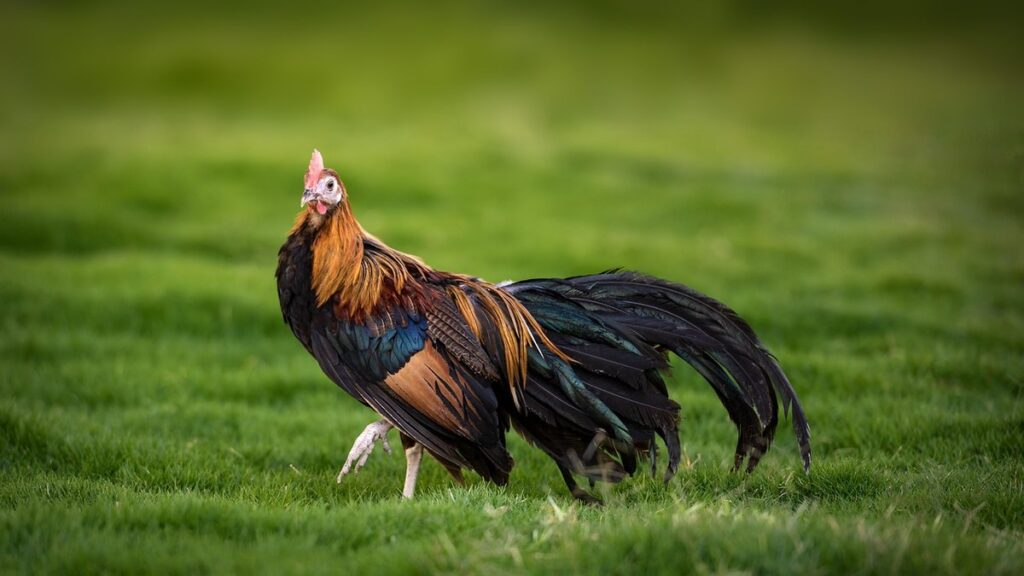
In terms of plumage, Phoenix chickens have a distinctive appearance with various colors and patterns. They are known for their iridescent feathers that shimmer in the light, giving them an exotic look. The breed comes in a wide range of colors including blue, black, red, and silver.
One notable feature of Phoenix chickens is their large comb and wattle. Roosters often have a larger comb than hens, which can be quite impressive in size. Another distinguishing characteristic is the chicken’s earlobes. They are relatively small, giving them an overall unique appearance.
When it comes to choosing a Phoenix chicken, look for birds with well-defined features, including a good-sized comb and wattle. Also, pay attention to their plumage, making sure they have a nice sheen to their feathers.
Temperament and Personality Traits of Phoenix Chickens
When it comes to personality, phoenix chickens are known for being friendly and curious birds that thrive on human interaction, making them a great fit for many families. They’re also surprisingly intelligent and can even be trained to do tricks.
Friendliness and Socialization with Humans
Phoenix chickens are renowned for their delightful and affectionate nature. They thrive on human interaction and socialization, making them an excellent choice for families with children or individuals seeking a friendly backyard companion. These birds are known to form strong bonds with their owners, often becoming quite demanding of attention and interaction.
In terms of socialization, Phoenix chickens are relatively easy-going and can be integrated into existing flocks with ease. However, it’s essential to introduce them gradually to prevent any potential conflicts or stress. They also get along well with other pets in the household, such as dogs and cats, provided they’re introduced properly.
Phoenix chickens are natural performers, often entertaining their owners with impressive displays of agility and charm. Their friendly nature makes them an excellent choice for therapy programs or educational settings, where their gentle demeanor and trainability can be harnessed to benefit others.
To foster a strong relationship with your Phoenix chicken, spend quality time with them daily, engaging in activities like foraging, playing, or simply cuddling. Regular handling and socialization will not only strengthen the bond but also help maintain their overall well-being.
Behavior Around Other Animals
Phoenix chickens are known for their unique personalities, and their behavior around other animals is no exception. In general, Phoenix chickens are social birds that thrive on interaction with their flock members. However, they can be quite particular about who they tolerate in close proximity.
When introduced to new animals, such as ducks or turkeys, Phoenix chickens may initially display aggression, especially if they feel their space is being invaded. This can manifest as loud squawking, flapping of wings, and even pecking at the newcomer’s eyes or face. However, with proper introduction and gradual integration, most Phoenix chickens will learn to coexist peacefully.
It’s essential to remember that each Phoenix chicken has its unique temperament, so it’s crucial to observe their behavior around other animals and adjust your approach accordingly. Some tips for a harmonious flock include introducing new animals slowly and under close supervision, providing plenty of space and resources, and rewarding calm behavior with treats and praise.
Handling and Training Tips for Phoenix Chickens
When it comes to handling and training Phoenix chickens, it’s essential to understand their unique personality traits. Known for being friendly and docile, Phoenix chickens are relatively easy to manage, but they still require patience, consistency, and positive reinforcement.
To start with, begin by letting your Phoenix chicken get used to your presence. Approach them slowly, allowing them to become comfortable with your scent and voice. Once they’re relaxed, you can start interacting with them more freely, offering treats like sunflower seeds or fresh fruits. Use a calm and gentle tone when communicating with your Phoenix chicken, as loud noises can startle them.
For training purposes, use a combination of verbal cues and rewards. For instance, teach your Phoenix chicken to follow you by holding treats in front of their beak while walking towards the desired location. Repeat this process several times until they learn the association. Consistency is key when it comes to training any animal, so stick to a routine and adjust it gradually as needed.
Be prepared for the possibility that your Phoenix chicken may not take immediately to commands or tasks. Some individuals may require more time and effort to train than others. With patience, persistence, and positive reinforcement, however, you can develop a strong bond with your Phoenix chicken and establish a harmonious relationship.
Health Considerations for Phoenix Chickens
When keeping Phoenix chickens, it’s essential to be aware of potential health concerns that may arise, such as respiratory issues and Marek’s disease. We’ll discuss these and other important considerations in this section.
Common Health Issues Affecting the Breed
As you care for your Phoenix chickens, it’s essential to be aware of the common health issues that may affect this breed. One significant concern is Marek’s disease, a viral infection that can lead to symptoms such as weakness, lethargy, and weight loss. Regular vaccinations can help prevent or minimize the impact of this disease.
Another issue that affects Phoenix chickens is respiratory problems, which can be caused by factors like poor ventilation, high humidity, or genetics. Keeping your coop well-ventilated and ensuring proper airflow can help alleviate these issues. Additionally, make sure to keep an eye out for signs of mites and lice infestations, as these parasites can cause discomfort and lead to more serious health problems if left untreated.
Regular check-ups with a veterinarian will also help identify any potential health concerns early on, allowing for prompt treatment and minimizing the risk of long-term damage. By being proactive about your Phoenix chickens’ health and taking preventative measures, you can ensure they live happy and healthy lives. Regularly inspecting your flock’s overall condition is crucial in maintaining their well-being.
Nutrition and Diet Requirements for Optimal Health
Providing the right nutrition is crucial for maintaining the optimal health of your Phoenix chickens. These birds are known to be robust and hardy, but they still require a balanced diet to thrive.
Firstly, ensure that your Phoenix chickens have access to clean water at all times. They need around 1-2 cups of water per bird per day, depending on their age, size, and activity level. Next, when it comes to feeding, offer a mix of high-quality commercial pellets as the main staple, supplemented with fresh fruits, vegetables, and occasional treats like mealworms.
In terms of specific nutrients, Phoenix chickens require around 16-18% protein content in their diet, which can be achieved through high-protein feed or by adding protein-rich ingredients like sunflower seeds. Calcium is also essential for strong eggshell production, so make sure to provide crushed oyster shells as a calcium supplement.
Aim to offer fresh veggies daily and limit treats to 10% of the total diet. Avoid overfeeding, as this can lead to obesity and related health issues. Keep an eye on your birds’ body condition and adjust their diet accordingly.
Breeding and Raising Phoenix Chickens
Breeding phoenix chickens requires careful consideration of genetics, temperaments, and health, while raising them demands attention to their unique needs and personalities. We’ll cover it all in this crucial section.
Selection and Acquisition of Breeder Stock
When selecting breeder stock for your Phoenix chickens, it’s essential to prioritize genetics and bloodline. Look for birds with a proven track record of producing high-quality offspring, such as champions from reputable breed clubs. Consider visiting breeders who specialize in Phoenix chickens or attending poultry shows to network with other enthusiasts.
Assess the overall health and conformation of the birds, checking for any signs of illness or defects. Research the breeder’s reputation online, reading reviews and asking for referrals from trusted sources. A good breeder will provide documentation on the bird’s pedigree, ancestry, and any relevant health testing.
Before making a purchase, ensure you have a suitable quarantine area to isolate new birds and prevent potential disease transmission. Acquire at least two birds of different sexes to maintain genetic diversity, but avoid buying too many at once to prevent overstocking. Consider purchasing chicks or started pullets rather than adult hens to give them the best possible start in life.
Tips for Hatching and Raising Chicks
When it comes to hatching and raising Phoenix chicks, there are several considerations you’ll need to keep in mind. First, ensure that you’re using fertile eggs from a reputable breeder, as the quality of the egg will directly impact the health and viability of the chick.
To increase the chances of successful hatching, provide a consistent temperature between 99-100°F (37-38°C) during incubation. Phoenix chicks are sensitive to sudden changes in temperature, so maintain a stable environment until they’re about two weeks old.
Once hatched, Phoenix chicks require a nutrient-rich starter feed specifically formulated for young chickens. A balanced diet will promote healthy growth and prevent nutritional deficiencies. Monitor their weight daily, adjusting the amount of food accordingly to avoid overfeeding or underfeeding.
Another challenge you may encounter is brooding – keeping the chicks warm and safe during their first few weeks of life. Phoenix chicks are relatively small, so they’ll need a secure enclosure with adequate ventilation to maintain optimal temperatures. Keep an eye out for signs of respiratory distress, such as labored breathing or coughing, which can be indicative of environmental stress.
Some breeders recommend using a heat lamp specifically designed for young chickens, rather than leaving the chicks under a brooder light. This will help regulate their body temperature and prevent overheating. By being aware of these specific considerations and taking proactive steps to address them, you’ll set your Phoenix chicks up for success from an early age.
Caring for Phoenix Chickens: Housing, Fencing, and Biosecurity
When it comes to keeping your Phoenix chickens happy and healthy, a well-planned housing setup is essential, along with secure fencing and strict biosecurity measures. Let’s dive into the specifics of creating a safe environment for your flock.
Requirements for Coop Design and Layout
When designing and building a coop for your Phoenix chickens, it’s essential to meet their specific needs. These birds require sufficient space to roam, exercise, and engage in natural behaviors like foraging and perching.
A good rule of thumb is to provide at least 3-4 square feet of floor space per chicken inside the coop, with additional outdoor space for free-range activities. Consider a rectangular or octagonal shape for maximum efficiency and minimal corners where dust can accumulate. Phoenix chickens are active birds, so ensure there’s enough room for them to stretch their wings and move around comfortably.
Ventilation is also crucial in a Phoenix chicken coop. A well-designed coop should include windows for natural light and ventilation, as well as a means of controlling airflow during extreme weather conditions. Aim for a minimum of 1-2 square feet of ventilation per chicken. Don’t forget to incorporate lighting that mimics natural daylight patterns, including both UVB and UVA rays, to promote calcium metabolism and overall health.
Remember to place your coop in a spot that receives direct sunlight but is also protected from harsh weather conditions and predators.
Tips for Secure Fencing and Enclosures
When it comes to caring for your Phoenix chickens, one of the most crucial aspects is ensuring their enclosure and fencing are secure. This may seem like a straightforward task, but it’s often overlooked by backyard chicken enthusiasts. A secure fencing system is essential to prevent escape or predation, which can lead to significant losses in terms of time, money, and even safety.
To start, consider the type of material you’ll use for your enclosure. Chicken wire with openings of about 1 inch is a popular choice, but it’s not the most effective option as predators like raccoons, opossums, and foxes can easily chew through it. Instead, opt for hardware cloth or welded wire mesh with openings of at least 2 inches to prevent escape and predation.
When building your enclosure, also consider the height of the fencing. The American Society for the Prevention of Cruelty to Animals recommends a minimum of 6 feet high to protect against aerial predators like hawks and owls. Finally, ensure that all gaps around gates and doors are securely closed to prevent unwanted visitors from slipping in.
By investing time and effort into creating a secure fencing system, you’ll be able to enjoy the joys of backyard chicken keeping with confidence, knowing your flock is safe and protected.
Conclusion: Bringing Home Your Very Own Phoenix Chicken
Now that you’ve read our comprehensive guide on Phoenix chickens, it’s time to bring one home! With their unique characteristics and versatility, they can make a wonderful addition to your backyard flock. Before making the final decision, consider your lifestyle and living situation – do you have enough space for these energetic birds? Have you researched local regulations regarding exotic or rare breeds? It’s essential to ensure that you’re prepared to provide the proper care and attention Phoenix chickens require.
To ensure a smooth transition, take note of their specific needs: dust baths, plenty of water, and a varied diet. Familiarize yourself with common health issues and know how to identify signs of stress or illness. With proper preparation and dedication, your Phoenix chicken will thrive under your care, bringing joy and entertainment to your family for years to come.
Frequently Asked Questions
How do I ensure my Phoenix chickens are safe from extreme temperatures?
While Phoenix chickens are known for their ability to thrive in harsh weather conditions, it’s still essential to provide them with proper shelter and ventilation. Ensure your coop is well-insulated, has adequate airflow, and provides shade or a cool area for the birds to escape direct sunlight during peak hours.
Can I keep Phoenix chickens with other breeds?
Phoenix chickens are known for their friendly temperament, making them an excellent addition to any flock. However, introducing new breeds can be challenging, especially if they have different personalities or require separate housing. Start by keeping the birds separated and gradually introduce them under close supervision to ensure a harmonious coexistence.
What are some common health issues I should watch out for in my Phoenix chickens?
As with any breed, Phoenix chickens are susceptible to certain health issues, such as respiratory problems, parasites, and vitamin deficiencies. Regularly inspect your flock’s health, keep up-to-date on vaccinations, and provide a balanced diet rich in nutrients to minimize the risk of these conditions.
How often should I collect eggs from my Phoenix hens?
Phoenix chickens are prolific egg-layers, producing an average of 200-220 brown eggs per year. Collect eggs daily to maintain cleanliness, prevent breakage, and encourage continued laying. Remember to handle the eggs gently to avoid damaging them or stressing your birds.
Can I hatch chicks from Phoenix breeders if I’m a beginner?
While it’s possible to hatch chicks from Phoenix breeders, it’s essential to consider your experience level and the specific needs of this breed. As a beginner, you may want to start with older pullets or purchase started chickens from a reputable breeder to ensure a smoother transition for both you and your birds.