
If you’re looking to boost your egg-laying production while cutting down on feed costs, you might want to consider raising pullet hens. These young birds are often overlooked in favor of mature laying hens, but they have a lot to offer. Not only do pullets require less feed and produce fewer eggs initially, but their early start to laying also sets them up for long-term success. By introducing pullet eggs into your operation, you can increase feed efficiency and improve overall laying performance. But that’s not all – the demand for smaller, more sustainable eggs is on the rise, making pullet eggs a lucrative market opportunity. In this article, we’ll explore the benefits of raising pullet hens and provide best practices for production, so keep reading to learn how you can get started.
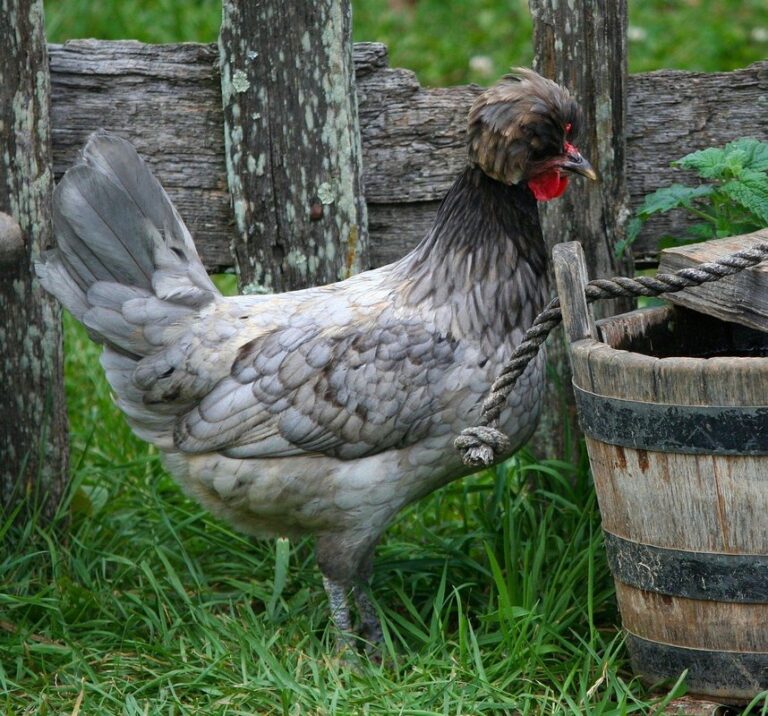
What are Pullet Eggs?
So, you’re curious about pullet eggs and want to know where they come from – let’s start by defining what exactly a pullet egg is.
Definition and Purpose
Pullet eggs are the eggs produced by young hens, typically between 16 and 24 weeks of age. They differ from regular chicken eggs in several ways, primarily due to the age and nutritional profile of the laying hen.
One key distinction is that pullet eggs have a higher yolk-to-white ratio compared to mature egg layers. This results in a richer, creamier texture and a deeper color. The nutritional content also varies slightly, with pullet eggs having lower levels of cholesterol but higher levels of omega-3 fatty acids.
In poultry farming, pullet eggs serve several purposes. They can be sold as a niche product, appealing to consumers seeking unique or specialty egg options. Additionally, these eggs are often used in baking and cooking due to their distinct flavor profile and texture. Some farmers also use pullet eggs as a feed supplement for young chickens, providing them with essential nutrients during critical growth periods.
When it comes to production, pullet eggs can be harvested at various stages of the hen’s development, allowing farmers to adjust their breeding programs and optimize egg yields.
Characteristics of Pullet Egg Laying Hens
When it comes to pullet egg laying hens, there are several key characteristics that set them apart from their counterparts. For one, these birds are typically young females that have not yet reached full maturity. They usually start laying eggs between 16 and 20 weeks of age, with some breeds beginning as early as 14 weeks.
The weight of pullet egg laying hens can also vary depending on the breed and sex. On average, a healthy pullet hen will weigh around 3-4 pounds (1.4-1.8 kg), although this can range from 2.5 to 6 pounds (1.1-2.7 kg) or more in some cases.
In terms of egg-laying capacity, pullet hens are known for their impressive output. They can lay anywhere from 280 to 320 eggs per year, making them an attractive choice for backyard chicken keepers and small-scale farmers looking to maximize their productivity.
Some popular breeds of pullet egg laying hens include the Leghorn, Rhode Island Red, and Barred Plymouth Rock. These birds are not only prolific layers but also friendly and docile, making them a joy to work with.
Benefits of Raising Pullet Egg-Laying Hens
Raising pullet egg-laying hens offers numerous benefits, from improved farm efficiency to enhanced environmental sustainability and nutritional profiles. Let’s explore these advantages in more detail.
Increased Feed Efficiency
Raising pullet egg-laying hens can be a game-changer for farmers looking to increase feed efficiency and reduce costs. One of the most significant advantages of raising pullets is that they tend to grow faster and mature earlier than layer hens, which means they’ll reach peak egg production sooner.
This accelerated growth rate enables pullets to convert feed more efficiently, resulting in higher feed conversion ratios (FCR). In fact, studies have shown that pullet flocks can achieve FCRs of around 1.8-2.0 compared to layer hens, which typically range from 2.5-3.0. By selecting the right breed and providing optimal nutrition, farmers can further improve feed efficiency.
To maximize feed efficiency in your pullet flock, focus on providing a balanced diet that meets their nutritional needs. This includes a mix of high-quality proteins, vitamins, and minerals. Also, consider implementing management practices such as regular health checks, proper ventilation, and optimal lighting to promote overall well-being.
By adopting these strategies, you can expect to see significant reductions in feed costs while maintaining or even increasing egg production levels. As an example, one farm reported a 12% decrease in feed costs by switching to pullet flocks, which directly translated to increased profitability.
Improved Laying Performance
Raising pullet egg-laying hens from an early age can have a significant impact on their overall performance and productivity. One of the key benefits of early egg production is higher total egg output. Research has shown that pullets raised for egg production tend to start laying eggs earlier, with some breeds reaching maturity as young as 16-18 weeks old.
This accelerated growth and development lead to improved overall flock performance, resulting in increased egg yields and reduced stress on the birds. By starting egg production earlier, farmers can also take advantage of a longer production cycle, allowing them to harvest more eggs from their hens over an extended period.
In practical terms, this means that pullet egg-laying hens can produce around 300-320 eggs per year, compared to around 280-290 eggs produced by hens that start laying at a later age. This increase in production not only benefits the farmer but also contributes to a more sustainable and efficient poultry farming operation.
By prioritizing early egg production, farmers can unlock significant gains in productivity and profitability.
Pullet Egg Nutrition: What to Consider
When it comes to choosing pullet eggs, nutrition is a crucial factor to consider. Let’s dive into what makes for high-quality pullet egg nutrition and what you should look for as a consumer.
Protein Requirements
When it comes to pullet egg nutrition, protein requirements are crucial for maximum egg production. A diet rich in protein helps support the growth and development of your flock, ensuring they lay healthy eggs consistently.
The optimal level of protein for pullet egg-laying hens is around 16-18% on a dry matter basis. However, this requirement may vary depending on factors like age, breed, and environmental conditions. For example, young pullets require more protein than mature hens to support rapid growth.
To meet the protein needs of your flock, consider the following:
* Use high-quality protein sources such as soybean meal or fishmeal in their feed.
* Aim for a balanced diet that includes a mix of plant-based and animal-based proteins.
* Consult with a nutritionist or veterinarian to determine the best protein levels for your specific flock.
Keep in mind that excessive protein can lead to health issues like kidney damage and reproductive problems. So, it’s essential to strike the right balance and monitor your flock’s response to their diet regularly.
Calcium and Vitamin D3 Supplementation
When it comes to pullet egg nutrition, calcium and vitamin D3 are two essential nutrients that play a crucial role in maintaining strong eggshell quality and overall hen health. Eggshells are made of approximately 95% calcium carbonate, making calcium the primary mineral responsible for their strength and integrity.
Vitamin D3, on the other hand, is vital for the absorption of calcium. When hens have sufficient vitamin D3 levels, they can absorb more calcium from their diet, leading to healthier eggshells. A study by the University of Maryland found that adding vitamin D3 supplements to laying hen feed resulted in improved eggshell quality and reduced breakage rates.
To ensure your pullets receive adequate amounts of calcium and vitamin D3, consider adding a balanced supplement to their feed or providing a calcium-rich mineral block as an alternative. For example, you can provide 1-2% calcium carbonate powder to the water or add a commercial layer feed with added vitamin D3. Regularly monitoring the hens’ access to clean water, nutritious feed, and providing a dust bath area for them to maintain their feathers and prevent mite infestations will also help maintain overall health.
Best Practices for Raising Pullet Egg-Laying Hens
To ensure your pullet egg-laying hens thrive and produce high-quality eggs, follow these essential best practices that cover health, nutrition, and care. Properly caring for your girls is key to a successful backyard flock.
Housing and Environmental Considerations
When it comes to raising pullet egg-laying hens, their housing and environmental needs are crucial for optimal health and productivity. Pullets require a safe and comfortable living space that meets their specific needs. The first consideration is space: pullets need enough room to move around comfortably, stretch their wings, and engage in natural behaviors like perching and dust-bathing. A general rule of thumb is to provide at least 2-3 square feet of floor space per bird.
Proper ventilation is also essential for maintaining a healthy environment. Pullets produce ammonia-rich droppings that can quickly accumulate and create respiratory issues if not managed properly. Ensure good airflow by installing adequate windows, vents, or fans in the coop. Temperature control is another critical factor: pullets prefer temperatures between 50°F to 70°F (10°C to 21°C), with a comfortable humidity level.
To ensure optimal housing conditions, regularly inspect the coop for cleanliness and damage. Make adjustments as needed, such as installing nesting boxes, perches, or dust baths. By prioritizing these basic needs, you’ll create a happy, healthy environment that fosters productive egg-laying in your pullet hens.
Health Management Strategies
Raising healthy pullet egg-laying hens is crucial for ensuring a steady supply of high-quality eggs. However, these birds are prone to several common health issues that can impact their performance and productivity.
Some common health issues in pullet egg-laying hens include respiratory problems, caused by dust, ammonia, or other environmental stressors. Beak trimming, mite infestations, and vitamin deficiencies are also prevalent. To prevent these issues, maintain a clean and well-ventilated coop with adequate perches and nesting boxes.
Implementing health management strategies is key to mitigating the risk of disease and promoting overall wellness. This includes regular vaccinations, parasite control measures, and a balanced diet rich in nutrients. Monitor your flock’s health closely, observing for signs of illness or stress.
Consider implementing a ‘dry litter’ system in your coop, which can help reduce respiratory problems by minimizing dust levels. Provide adequate access to fresh water and a nutrient-rich layer feed that meets the specific needs of your pullet hens.
Market Demand and Pricing for Pullet Eggs
When it comes to selling pullet eggs, understanding market demand and pricing is crucial for success. We’ll break down what drives egg prices and how to set competitive rates.
Current Trends and Statistics
According to recent market trends, there’s a noticeable shift towards more sustainable and environmentally-friendly egg production methods. Consumers are increasingly seeking out products that align with their values, driving demand for pullet eggs as a more eco-conscious alternative. A study by the National Agricultural Statistics Service (NASS) found that sales of cage-free and organic eggs have grown significantly over the past five years.
In terms of pricing, pullet eggs tend to be pricier than regular eggs due to factors like higher production costs and increased demand. On average, a dozen pullet eggs can cost anywhere from $4 to $6, depending on the region and quality of the eggs. However, prices have been steadily decreasing as more farmers transition to pullet egg production.
The US Pullet Market size is expected to reach USD 1.34 billion by 2025, growing at a CAGR of around 7% during the forecast period. As consumers become more health-conscious and environmentally aware, it’s likely that demand for pullet eggs will continue to rise.
Opportunities for Entrepreneurs and Small-Scale Producers
As you explore the world of pullet eggs, you may be wondering if there’s room for new entrants into this market. The good news is that there are many opportunities waiting to be seized by entrepreneurs and small-scale producers.
One niche market worth considering is the demand for locally sourced, organic, or free-range pullet eggs. Many consumers are willing to pay a premium for these products due to their perceived health benefits and environmental sustainability. You can tap into this trend by creating your own brand and highlighting the unique characteristics of your farm’s production methods.
To reach your target audience, consider implementing marketing strategies that emphasize the story behind your product. Share your farm’s history, highlight the welfare of your birds, and showcase the quality of your eggs through social media campaigns and on-farm tours. By building a strong brand identity and connecting with customers, you can differentiate yourself from larger producers and establish a loyal customer base.
Additionally, partnering with local businesses such as bakeries, restaurants, or cafes can help you expand your reach and create new revenue streams.
Conclusion: Maximizing Benefits from Pullet Egg Production
Now that you’ve learned how to optimize pullet egg production, let’s focus on maximizing the benefits of your efforts and getting the most out of this lucrative venture.
Summary of Key Takeaways
In conclusion, raising pullet egg-laying hens can be a rewarding experience for backyard farmers and commercial producers alike. By following the best practices outlined in this guide, you can maximize benefits from pullet egg production and enjoy a steady supply of high-quality eggs.
Key to successful pullet egg production is choosing the right breed. Research has shown that certain breeds, such as Leghorns and Rhode Island Reds, are more prolific layers than others. When selecting pullets for your flock, consider factors like climate, feed, and management practices to ensure a healthy and productive environment.
Proper nutrition is also essential for maximizing egg production. A balanced diet rich in protein, calcium, and other essential nutrients will support the hens’ reproductive health and overall well-being. Consider adding supplements or scratch grains to their diet to boost egg production and shell quality.
To maintain optimal egg production, regular monitoring of your flock’s health and management practices is crucial. Keep an eye out for signs of stress, disease, or nutritional deficiencies, and take prompt action to address any issues that arise. Regular cleaning and disinfection of the coop and run can also help prevent the spread of diseases.
By following these best practices and staying committed to providing a healthy environment for your pullets, you can enjoy the many benefits of pullet egg production, including high-quality eggs, reduced feed costs, and increased profitability.
Frequently Asked Questions
How Do I Determine the Optimal Age for Harvesting Pullet Eggs?
When deciding when to harvest pullet eggs, consider factors such as bird health, feed efficiency, and market demand. Generally, most producers aim to start harvesting around 20-24 weeks of age, but this can vary depending on individual flock performance and local regulations.
What Are the Key Differences in Nutrition Between Pullet Eggs and Regular Chicken Eggs?
Pullet eggs have a different nutritional profile due to their higher yolk-to-white ratio. They tend to have lower cholesterol levels and higher omega-3 fatty acid content compared to mature egg layers. However, it’s essential to note that these differences are relatively small, and pullet eggs should not be marketed as significantly healthier.
Can I Raise Pullet Hens in a Small Backyard Flock or Must I Scale Up for Commercial Production?
While large-scale commercial production can maximize efficiency, you can still raise pullet hens in smaller backyard flocks. In fact, many hobby farmers and homesteaders find success with small-scale operations by focusing on quality over quantity.
How Do I Ensure Adequate Protein and Calcium Supplementation for My Pullet Flock?
Protein requirements remain the same for pullet hens as for mature laying hens – around 16-18% protein in their diet. For calcium supplementation, consider using crushed oyster shells or other natural sources to maintain optimal eggshell quality.
Can I Sell Pullet Eggs Directly to Consumers Through an Online Platform?
Yes, selling directly to consumers through online platforms can be a viable option for small-scale producers. Many customers are willing to pay a premium for locally sourced, sustainable eggs, including pullet eggs.