
Pullet chickens are gaining popularity among backyard farmers and egg enthusiasts alike, and for good reason. Not only are these young hens more efficient and cost-effective than their mature counterparts, but they also offer a range of benefits that make them an attractive choice for small-scale poultry operations. With the right care and nutrition, pullet chickens can thrive and provide a steady supply of fresh eggs. In this article, we’ll delve into the characteristics, benefits, and nutritional needs of pullet chickens, as well as explore health considerations and tips for raising happy and healthy hens. Whether you’re looking to supplement your existing flock or start from scratch, understanding the ins and outs of pullet chicken care is essential for maximizing egg production and revenue streams.
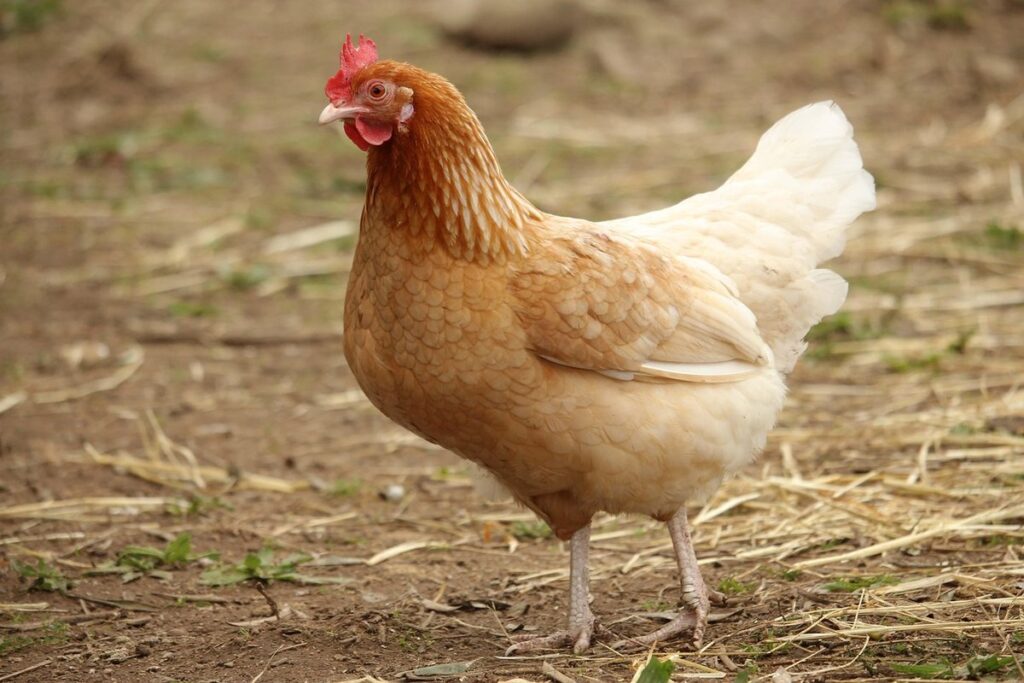
What is a Pullet Chicken?
If you’re new to raising chickens, understanding what a pullet chicken is can be quite confusing. Let’s break down the basics of these young female birds.
Definition and Characteristics of Pullets
Pullets are young hens that have not yet reached sexual maturity. They are typically between 16 and 20 weeks old when they begin to lay eggs. One of the defining characteristics of pullets is their growth rate, which can vary depending on breed and nutrition. Some pullets may grow faster than others, but most will reach maturity in about 6-8 months.
In terms of temperament, pullets are often described as friendly and docile. They tend to be curious and active, enjoying exploration and playtime. However, some breeds may be more skittish or nervous than others. For example, Silkies and Polish chickens are known for their gentle nature, while Leghorns can be more feisty.
When choosing a pullet, it’s essential to consider your lifestyle and needs. If you’re looking for a low-maintenance pet that will provide eggs, a pullet may be an excellent choice. However, if you’re interested in showing or breeding chickens, you may want to wait until they reach maturity as hens.
Difference Between Pullets and Other Chicken Types
When it comes to raising chickens, understanding the different types can be overwhelming, especially for beginners. Pullet chickens are often confused with other chicken types, such as hens, roosters, and chicks. But what sets pullets apart? The main difference between a pullet and these other types is their age and sex.
* Pullets are young female chickens that have not yet reached maturity.
* Hens, on the other hand, are mature female chickens that have started laying eggs regularly.
* Roosters are male chickens that play a crucial role in fertilizing eggs, but they do not lay eggs themselves.
* Chicks, as their name suggests, are young chickens of both sexes, typically under six weeks old.
In contrast to chicks and hens, pullets have reached a certain age (usually between 16-24 weeks) and have begun to develop their egg-laying abilities. However, they have not yet reached full maturity, which means they will continue to grow and develop over the next few months. Understanding these differences is essential when deciding whether to raise pullet chickens for eggs or as pets. By knowing what to expect from your flock, you can make informed decisions about their care and management.
Benefits of Raising Pullet Chickens
Raising pullet chickens can offer numerous benefits, from fresh eggs and entertainment to educational experiences for kids. Let’s explore the advantages of bringing these charming birds onto your homestead!
Advantages for Small-Scale Farmers and Homesteaders
Raising pullet chickens can be a game-changer for small-scale farmers and homesteaders. Not only do they provide a consistent source of fresh eggs, but they also offer superior meat quality compared to other chicken types. For example, a study by the University of Kentucky found that pullets raised on pasture produce eggs with higher omega-3 fatty acid content than those from conventionally-raised hens.
In terms of farm management, pullet chickens are surprisingly low-maintenance. They require minimal space and can thrive in small backyard flocks, making them an ideal choice for homesteaders or farmers with limited acreage. Additionally, their gentle nature makes them a great choice for families with children who want to learn about animal care.
To get started, consider the following tips: start with a well-planned breed selection that suits your climate and management style; provide adequate shelter and nutrition to ensure optimal health and egg production; and don’t be afraid to experiment with different feeding regimens or breeding programs to optimize performance. With these advantages and some careful planning, raising pullet chickens can become an integral part of your small-scale farming operation.
Potential for Increased Egg Production
When you raise pullet chickens, you can significantly boost egg production on your farm or in your backyard flock. This is due to several factors. Firstly, pullets are bred specifically for their high egg-laying potential. They begin laying eggs at a younger age than other types of chickens and will continue to do so throughout their lives.
Selecting breeds that excel in egg production is crucial. Some popular choices include Leghorns, which can lay up to 300 eggs per year, and Rhode Island Reds, with an average annual output of around 200-220 eggs. Consider factors such as climate, nutrition, and health when choosing a breed. For instance, Leghorns are best suited for cooler climates, while Rhode Island Reds thrive in warmer temperatures.
To maximize egg production, ensure your pullets have access to high-quality feed, fresh water, and adequate space to roam. Regular health checks will also help prevent illnesses that can impact egg-laying. By choosing the right breed and providing optimal care, you can increase egg production and enjoy a steady supply of fresh eggs from your pullet flock.
Nutrition and Health Considerations for Pullets
When raising pullet chickens, it’s essential to consider their specific nutritional needs and potential health risks to ensure they grow into healthy hens. This section will cover some key considerations to keep in mind.
Dietary Requirements for Healthy Growth and Development
When it comes to providing optimal nutrition for pullet chickens, meeting their dietary requirements is crucial for healthy growth and development. Pullets need a balanced diet that includes the right amounts of protein, calcium, and essential vitamins.
Protein is the building block of growth, and pullets require around 18-20% protein in their diet from day-old to 16 weeks old. A high-quality layer feed or starter/grower feed can provide this necessary protein. For example, a popular commercial layer feed contains 18.5% crude protein.
Calcium is also essential for strong bone growth and development. Pullets need about 1-2% calcium in their diet from day-old to 16 weeks old. Adding crushed oyster shells or dark leafy greens like kale or spinach can provide this necessary calcium. For instance, feeding pullets 1 tablespoon of crushed oyster shells per pound of feed can help meet their calcium needs.
In addition to protein and calcium, pullets also require essential vitamins A, D3, E, K, and B-complex. These vitamins play a crucial role in maintaining overall health and well-being. Feed manufacturers often fortify layer feeds with these vitamins. However, if you’re raising pullets on pasture or using homemade feed, make sure to provide supplements or consult with an avian nutritionist to ensure they get the necessary vitamins.
Common Health Issues Affecting Pullets
As you work with pullet chickens, it’s essential to be aware of the common health issues that can affect them. Prolonged exposure to certain diseases and parasites is one of the most significant risks. Marek’s disease, for instance, is a viral infection that affects young birds, causing neurological symptoms like tremors and paralysis.
Another concern is internal parasites, such as coccidiosis, which can lead to weight loss and poor growth rates in pullets. External parasites like mites and lice can also infest your flock, causing discomfort and stress.
Injuries are another risk factor for pullet chickens. Poor living conditions or inadequate ventilation can contribute to respiratory problems, while uneven flooring can cause leg issues. Monitor the behavior of your birds closely, and make adjustments as needed to prevent these common health issues.
To maintain healthy pullets, ensure proper hygiene and sanitation practices in their coop and surrounding areas. Regularly inspect the flock for signs of illness or injury, and take prompt action if you notice any unusual symptoms. With diligent monitoring and care, you can minimize the risk of disease and parasites affecting your pullet chickens.
Raising Pullet Chickens: Tips and Best Practices
If you’re raising pullet chickens, it’s essential to know how to care for them properly from day one to ensure they grow into healthy adult hens. This section shares expert advice on pullet chick care and management.
Housing and Environment Requirements
Raising pullet chickens requires careful consideration of their housing and environmental needs to ensure they lead healthy and happy lives. When it comes to providing a suitable home for your pullets, the first step is to choose a safe and secure enclosure that protects them from predators and harsh weather conditions. A well-ventilated coop with adequate space to roam will help prevent stress and disease.
A good rule of thumb is to provide at least 2-4 square feet of floor space per bird inside the coop, as well as an additional 8-10 square feet of outdoor run space. This allows them to move around comfortably and engage in natural behaviors like foraging and dust bathing.
In terms of environmental requirements, pullets need access to fresh air, clean water, and a balanced diet to thrive. Make sure their coop is equipped with nest boxes, perches, and roosting bars to promote restful sleep and ease egg-laying. Additionally, provide a shallow dish for dust baths and consider adding some enrichment activities like scratching posts or toys to keep them engaged and stimulated.
Biosecurity Measures to Prevent Disease
When raising pullet chickens, maintaining good biosecurity measures is crucial to preventing disease. Disease outbreaks can decimate a flock and be costly to manage. To minimize the risk of disease, it’s essential to have a robust vaccination protocol in place.
Typically, vaccinations for pullets begin at 1-2 weeks old and continue through to point-of-lay (POL) at around 18-20 weeks. The specific vaccines used may vary depending on factors such as geographic location, climate, and local disease pressures. For example, some areas may require vaccination against diseases like Marek’s or infectious bronchitis.
In addition to vaccinations, sanitation practices play a significant role in maintaining biosecurity. Regular cleaning of coops, runs, and equipment helps eliminate potential sources of infection. A thorough daily clean should involve removing soiled bedding, disinfecting feeders and waterers, and replacing with new, clean materials. Regular deep cleans using more aggressive chemicals or equipment are also necessary to remove stubborn stains and bacterial residue.
Some pullet producers choose to implement all-in/all-out systems, where the flock is moved out of the coop before cleaning begins. This minimizes cross-contamination between batches but requires careful planning and coordination. Whatever system you use, it’s crucial to have a strict protocol in place for maintaining cleanliness and preventing disease spread.
Marketing and Selling Pullet Chickens
If you’re raising pullets for profit, learning how to market and sell them effectively is crucial. We’ll explore strategies for finding buyers and creating a successful sales process in this next section.
Opportunities for Small-Scale Farmers and Breeders
As a small-scale farmer or breeder of pullet chickens, you’re likely eager to find ways to market and sell your birds. Fortunately, there are numerous opportunities for you to connect with potential buyers and increase your profits.
One way to tap into these opportunities is by using online platforms. Websites like Craigslist, local farming groups on Facebook, and specialized poultry marketplaces can help you reach a wider audience. For instance, the popular online marketplace, Local Harvest, allows farmers to list their products and connect with customers in their area. By creating a listing for your pullet chickens, you can attract buyers who are specifically looking for high-quality birds.
In addition to online platforms, don’t underestimate the power of local markets. Farmers’ markets, farm-to-table events, and community-supported agriculture (CSA) programs provide opportunities for face-to-face interactions with potential customers. Attend these events regularly, bring a selection of your best pullet chickens, and be prepared to share their unique characteristics and benefits with interested buyers. By diversifying your marketing efforts across online platforms and local markets, you can successfully sell your pullet chickens and build a loyal customer base.
Potential Revenue Streams from Pullet Sales
Selling pullet chickens can be a lucrative venture, offering multiple revenue streams that cater to various segments of the poultry industry. For breeding programs, you can offer high-quality pullets to experienced farmers and breeders who seek to enhance their stock through crossbreeding or linebreeding.
For instance, some breeders focus on producing dual-purpose birds for both meat and egg production, while others concentrate on developing heritage breeds that are prized for their unique characteristics. By partnering with reputable breeding programs, you can capitalize on the demand for superior genetics and potentially earn significant profits from each sale.
Egg production contracts offer another avenue for generating revenue. Large-scale egg producers often seek out reliable suppliers of high-quality pullets to meet their production needs. By establishing a contract agreement, you can ensure a steady income stream while also providing these producers with a consistent supply of healthy, productive birds.
Ultimately, diversifying your sales channels and exploring various revenue streams can help maximize the profitability of your pullet business.
Conclusion: The Value of Pullets in Modern Agriculture
In conclusion, pullet chickens are an essential component of modern agriculture. As the world’s population continues to grow, the demand for affordable and sustainable protein sources is on the rise. Pullet chickens offer a viable solution, providing a cost-effective alternative to traditional broiler chickens. By starting with pullets, farmers can reduce feed costs and minimize waste, ultimately leading to increased profitability.
In addition to their economic benefits, pullet chickens also contribute to environmental sustainability. Their smaller size means they require less space and resources, making them an attractive option for small-scale farmers or those looking to adopt more efficient production methods. Whether you’re a seasoned farmer or just starting out, incorporating pullets into your operation can have a significant impact on both your bottom line and the environment.
Frequently Asked Questions
Can I raise pullet chickens if I have a small backyard or limited space?
Yes, pullet chickens can thrive in small backyards or spaces with proper housing and care. They require less space than mature hens and can be easily integrated into existing flocks. Consider a coop design that maximizes vertical space and provides adequate ventilation to keep your birds healthy.
How do I ensure my pullets receive the right nutrition for healthy growth and development?
Pullets require a balanced diet rich in protein, calcium, and vitamins to support their growth and egg production. Provide a starter feed formulated specifically for young hens (16-20 weeks old), and gradually switch to a layer feed as they mature. Ensure access to fresh water and a mineral supplement to prevent nutritional deficiencies.
What are some common health issues affecting pullet chickens, and how can I prevent them?
Pullets are prone to respiratory infections, such as pneumonia, if not vaccinated or exposed to disease-causing pathogens. Implement biosecurity measures like regular cleaning, disinfection, and isolation of new birds to prevent the spread of disease. Also, consider vaccinating your flock against common poultry diseases.
Can I raise pullet chickens for meat production instead of egg production?
Yes, you can raise pullets for meat production, but keep in mind that they will eventually reach market weight (around 6-8 months). To optimize meat production, focus on breed selection, feeding, and management practices that promote rapid growth. Ensure proper handling and processing to maintain food safety standards.
How long does it take for pullet chickens to reach maturity and start laying eggs regularly?
Pullets typically begin laying eggs between 16-20 weeks of age, with some breeds starting as early as 12 weeks. Egg production will continue to increase over the next few months, reaching its peak around 6-8 months after hatching. Monitor your flock’s performance and adjust feeding and management practices accordingly to optimize egg production.