
If you’re considering adding some feathered friends to your backyard, you may have thought about keeping quails and chickens together. With a little planning, this can be a fantastic idea – not only for the social benefits it brings to both birds, but also for the entertainment value it provides to you! However, mixing these two species requires more than just tossing them into the same coop; you need to think about space considerations, make sure they’re getting along, and ensure their feeding requirements are met. In this article, we’ll take a closer look at how to successfully integrate quails and chickens into your flock, covering everything from socialization benefits to health considerations.
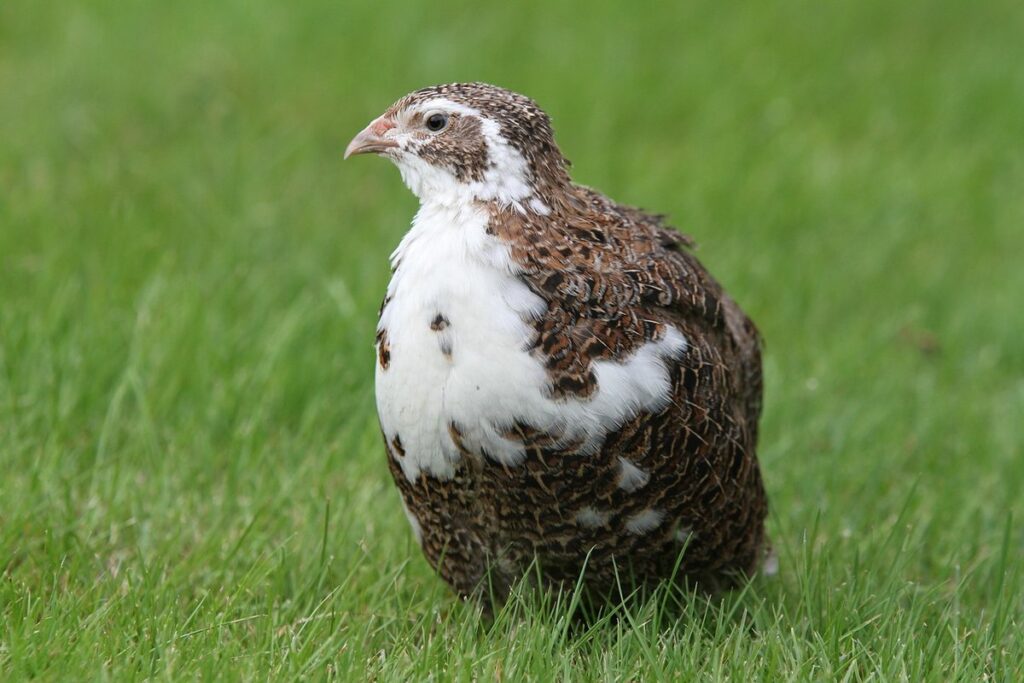
Benefits of Keeping Both Quail and Chickens
Keeping both quail and chickens can be a fun and rewarding experience, offering numerous benefits for backyard farmers. Let’s explore some of these advantages together!
Introduction to Mixed Flock Keeping
Raising quails alongside chickens can be a fantastic way to enhance your backyard poultry keeping experience. One of the primary advantages is reduced risk from predators. When you have both quail and chickens together, it becomes much more challenging for predators like hawks, foxes, and coyotes to target individual birds. This is because the noise, movement, and alertness of the mixed flock make it difficult for predators to sneak up on them.
In addition to reduced predator risks, keeping quails with chickens can also boost egg production. Quail are prolific layers, producing around 300 eggs per year compared to chicken’s average 280-300 eggs per year. With both species together, you’ll enjoy a steady supply of eggs from the chickens and an increased overall yield.
Another benefit is that mixed flocks tend to be more robust and resilient, with the quail providing a natural alarm system to alert the chickens of potential threats. By combining these two species, you can create a thriving and harmonious backyard poultry flock.
Space Considerations for a Mixed Flock
When keeping quails and chickens together, it’s essential to consider their space requirements. Quails need about 2-4 square feet of space per bird, while chickens require around 3-5 square feet per bird. When housing them together, you’ll want to provide a combined area that meets the higher requirement for chickens.
To avoid overcrowding, aim for at least 6-8 square feet of space per quail or chicken when keeping them in the same enclosure. This will give both species room to move around and reduce stress levels. It’s also crucial to ensure good air circulation and adequate ventilation to prevent respiratory issues.
When mixing breeds, it’s essential to monitor their health closely for signs of disease transmission. Regularly inspect your birds’ droppings, feathers, and overall behavior to catch any potential issues early on. Quarantine new additions and maintain strict biosecurity measures to minimize the risk of disease spread within the flock.
Socialization Benefits for Quail
Social interaction between quails and chickens can have a profound impact on their behavior. By keeping them together, you’ll observe improved socialization benefits for both species. Quails are naturally more anxious than chickens, but when raised with chickens, they tend to become less stressed and skittish. Chickens, on the other hand, benefit from quail companionship by becoming less aggressive.
When introduced properly, quails can teach chickens important lessons about gentle behavior and calm communication. In return, chickens provide a sense of security for quails, who often feel more at ease when in close proximity to their feathered friends. By observing these interactions, you’ll notice reduced pecking orders among the flock and a decrease in aggressive behaviors.
To encourage harmonious socialization between your quails and chickens:
* Start with compatible personalities
* Provide adequate space for both species
* Ensure access to food, water, and shelter for all birds
By following these guidelines and introducing your quails and chickens at a young age, you’ll create an environment that fosters mutual respect and understanding. This can lead to a more peaceful and enjoyable coop experience for everyone involved.
Building a Harmonious Mixed Flock
When introducing multiple species to your backyard flock, it’s essential to consider their unique needs and personalities to create a harmonious environment. This section will guide you through blending quail and chickens seamlessly together.
Choosing the Right Breed Combinations
When choosing breeds to raise together, it’s essential to consider both their temperament and size. Some quail breeds are naturally more docile and social, while others can be skittish or territorial. Similarly, chickens have varying personalities that may not mesh with certain quail breeds.
For example, the Japanese Coturnix quail is a popular choice for backyard flocks due to its friendly and curious nature. However, it’s not ideal for housing with larger chicken breeds like Orpingtons or Plymouth Rock, which can be too rambunctious and intimidate the quails. Instead, pair the Coturnix with smaller chicken breeds such as Leghorns or Polish.
Consider the space requirements of your chosen breeds as well. For instance, larger chickens require more room to move around than quails, so you’ll need to ensure that your coop provides ample space for all birds. On the other hand, some quail breeds like the Button Quail are tiny and can thrive in smaller coops.
Ultimately, research and understand the specific needs of each breed before making a decision. By selecting compatible breeds, you’ll create a harmonious mixed flock where both species can live together peacefully and thrive.
Establishing a Pecking Order
When introducing quail and chickens to each other, establishing a natural pecking order is crucial for harmony within the flock. This hierarchy develops as birds interact with one another, determining who gets priority access to food, water, and shelter.
Initially, it’s essential to separate your quail and chickens until they’re familiar with their surroundings and feeding schedules. Once you’ve introduced them to each other, observe how they interact, taking note of dominant birds that assert themselves through aggressive posturing or territorial behavior. These birds will naturally take on leadership roles within the flock.
To minimize conflicts, ensure there’s sufficient space for all birds to access food, water, and shelter simultaneously. Providing multiple feeding stations and increasing food sources can help reduce competition among birds.
Integrating Quails into the Chicken Flock
Integrating quails into your existing chicken flock can be a bit more challenging than introducing new chickens, but with some careful planning, you can create a harmonious coexistence. Let’s explore the key considerations for a successful integration process.
Acclimation Periods and Introduction Techniques
When introducing quail to an existing chicken flock, it’s essential to do so gradually and carefully. This allows both species to get accustomed to each other’s presence, reducing the likelihood of stress and potential conflicts.
Begin by keeping the quail and chickens separated for a few days before their initial meeting. This period is crucial in allowing them to become familiar with each other’s sounds, movements, and smells without the risk of direct interaction.
During this separation phase, make sure to place both groups near each other, but not directly adjacent. This allows them to get used to each other’s presence while still maintaining a safe distance. Monitor their behavior closely for signs of stress or aggression, such as excessive pecking, hissing, or fleeing.
When you’re ready to introduce the quail and chickens, start by allowing them to see each other through a fence or mesh enclosure. This allows them to become familiar with each other’s appearance without the risk of direct contact. Once they seem comfortable with this arrangement, you can begin gradually introducing them to each other in controlled increments.
Some tips to keep in mind during the introduction period include:
* Supervise their interactions closely for signs of stress or aggression
* Provide plenty of food and water for both species to reduce competition
* Make sure the enclosure is spacious enough to accommodate both quail and chickens comfortably
* Introduce new individuals gradually, rather than all at once
Tips for Maintaining a Healthy Mixed Flock
When integrating quails into your existing chicken flock, it’s essential to ensure that both species coexist harmoniously and maintain good health. To achieve this, you’ll need to pay close attention to providing equal access to resources like feeders, waterers, and nesting boxes. This might require adjusting the layout of your coop or run to accommodate the quails’ unique needs.
For instance, quails have a tendency to forage more closely to their perches than chickens do, so it’s crucial to place their feeding stations near these areas. Similarly, ensure that waterers are placed at a comfortable height and distance from nesting boxes to prevent competition and stress among both species.
Regular cleaning of living areas is also vital in maintaining health within your mixed flock. Remove any uneaten food, droppings, or debris daily to keep your coop and run clean and free from disease-causing pathogens. Consider setting up a roosting bar for chickens that’s separate from the quails’ perches to prevent overcrowding and stress among both species.
Feeding and Nutritional Requirements
When it comes to feeding and nutritional requirements, quail and chickens have slightly different needs that you’ll need to consider when raising them together. Understanding these differences is crucial for a healthy flock.
Dietary Needs of Quail vs. Chickens
When it comes to feeding quails versus chickens, there are some crucial differences you should be aware of. Quails have higher energy demands than chickens, so they require a more calorie-dense diet. A good starting point is to provide 16-18% protein for quails and 14-15% for chickens in their starter feed.
Quails also need more calcium in their diet than chickens, which is essential for strong eggshell production and skeletal growth. Aim for around 1.5-2% calcium content in the quail feed. In contrast, chicken feed typically contains 1-1.5% calcium.
Another important distinction lies in the type of grains used. Quails prefer smaller grain particles, while chickens can handle larger ones. You can offer a mix of oats, barley, and wheat to meet their nutritional needs. Ensure that your quail feed is formulated specifically for their species, as general chicken feed may not provide the necessary nutrients.
When feeding both quails and chickens together, it’s essential to maintain separate feeders and avoid mixing their food. This will prevent competition and ensure each species receives its required nutrients.
Supplemental Feed Options for a Mixed Flock
When it comes to supplementing the diet of your mixed flock consisting of quail and chickens, you’ll want to consider treats that cater to both species’ preferences. This can be achieved by offering a variety of options that are high in protein and low in calories.
For quail, they tend to favor small, easily digestible treats like mealworms, sunflower seeds, or even crushed eggshells. On the other hand, chickens prefer larger treats such as carrots, apples, or oats. However, it’s essential to avoid giving too many treats, especially those high in sugar and fat, as this can lead to an imbalance in their diet.
Some safe options for both quail and chickens include cooked pasta, scrambled eggs, or even dried mealworms. You can also consider offering a mix of grains like oats, barley, and wheat. Remember, these should be given in moderation – no more than 10% of their daily caloric intake. Always ensure fresh water is available to prevent any health issues caused by overconsumption of treats.
Health Considerations and Biosecurity
When raising quail and chickens together, it’s crucial to consider their unique health needs and take measures to prevent disease transmission between these two different species. Let’s discuss essential biosecurity practices for a harmonious coop environment.
Monitoring for Signs of Disease and Stress
Monitoring for Signs of Disease and Stress is crucial when raising quail and chickens together. These birds can be prone to certain diseases, and stress can weaken their immune systems, making them more susceptible to illness. As a responsible bird owner, it’s essential to observe your flock closely for any signs of illness or disease transmission between species.
Start by getting to know the normal behavior and droppings of both quail and chickens. This will help you identify any unusual changes that may indicate a problem. Look out for ruffled feathers, lethargy, loss of appetite, and labored breathing in either species. In terms of specific diseases, watch for symptoms like scaly leg mites on the legs and feet, and respiratory issues like coughing and sneezing.
Keep a close eye on your birds’ living conditions, including their coop’s cleanliness, ventilation, and temperature control. A clean and well-ventilated environment is crucial in preventing the spread of disease. Also, ensure that you’re providing a balanced diet for both species, as nutritional deficiencies can lead to health issues. By being proactive and vigilant, you’ll be able to catch any potential problems early on and take corrective action before they become serious.
Implementing Effective Biosecurity Measures
When introducing new birds to your mixed flock, it’s essential to implement effective biosecurity measures to prevent disease spread. This starts with proper cleaning procedures. Regularly disinfect all surfaces, including feeding and watering areas, roosts, and nesting boxes. Use a pet-safe disinfectant, and make sure to rinse thoroughly to avoid residue buildup.
Quarantine new additions for at least 30 days before integrating them into the main flock. This allows you to monitor their health closely and identify any potential issues early on. During this time, provide separate housing with adequate ventilation and ensure they have access to fresh food and water.
Vaccination strategies also play a critical role in maintaining biosecurity. Consult with a veterinarian to determine which vaccinations are necessary for your birds based on factors like location, climate, and disease prevalence. Some essential vaccines include those against Newcastle Disease and Infectious Bronchitis. By taking these precautions, you can significantly reduce the risk of disease transmission within your mixed flock.
Maintenance and Upkeep for Your Mixed Flock
To keep your mixed flock thriving, it’s essential to establish a regular maintenance routine that addresses their unique needs and promotes a harmonious coexistence. This section will walk you through the must-knows of daily care.
Ensuring Access to Clean Water and Sanitary Conditions
Providing clean water at all times is crucial for the health and well-being of both quails and chickens. Quails, being smaller and more sensitive to their environment, require access to fresh water every hour, while chickens need it changed daily. To ensure this, invest in a waterer system that can be easily cleaned and refilled without disturbing the birds.
Maintaining clean living areas is also essential for preventing disease outbreaks and promoting overall health. Regular broom sweeps are necessary to remove droppings and debris from the coop and run. Schedule cleaning sessions at least twice a week, focusing on high-traffic areas and around feeding stations. Consider implementing a deep-cleaning schedule every 6-8 weeks, where you scrub all surfaces with a mild detergent and rinse thoroughly.
Keep in mind that cleanliness is key to preventing parasite infestations and reducing the risk of diseases like coccidiosis and histomoniasis. By prioritizing clean water and living areas, you’ll be creating a healthier environment for your mixed flock to thrive in.
Managing Predator-Proofing Measures
When it comes to managing predator-proofing measures for your mixed flock of quails and chickens, securing their enclosure is top priority. A well-maintained fence not only protects your birds from predators but also allows them to exercise and engage in natural behaviors. To strike the right balance between security and freedom, consider the following tips.
Firstly, ensure that the enclosure’s fencing material is sturdy and durable enough to withstand predator attacks. Hardware cloth or chicken wire with openings of no more than 1 inch are recommended as they prevent raccoons, foxes, and other predators from reaching your birds. Next, pay attention to the height of the fence – it should be at least 3 feet tall to deter climbing animals.
In addition to physical barriers, make sure to provide adequate shelter for your quails and chickens. This can be achieved by adding enclosed areas within the enclosure or building a coop with a secure roof. Lastly, keep your birds’ food and water storage containers clean and secure, as these often attract predators. By implementing these measures, you’ll create a safe and thriving environment for your mixed flock to enjoy.
Frequently Asked Questions
What if some quails refuse to integrate with the existing chicken flock?
This is not uncommon, especially if the chickens are already established in their pecking order. To resolve this, try introducing new quail birds one at a time, allowing them to get accustomed to the flock’s dynamics without feeling overwhelmed. You can also provide separate feeding and watering areas to reduce stress. With patience and proper introduction techniques, most quails will eventually become part of the flock.
How do I ensure my quail-chicken mixed flock gets enough protein?
When it comes to protein requirements for a mixed flock, you’ll need to consider both species’ needs. Quails generally require more protein-rich foods compared to chickens. As such, supplement your birds’ diet with high-quality protein sources like mealworms, crickets, or commercial quail feed. Be sure to also provide access to fresh vegetables and fruits as treats.
Can I keep quails and chickens in the same run without separating them by age?
While it’s technically possible, mixing different-age birds can be challenging due to potential aggression from older birds towards younger ones. To minimize risks, consider separating your flock into smaller groups based on age and size, allowing each group to grow together under close supervision.
How do I determine if my quail-chicken mix is experiencing stress?
Keep an eye out for signs of stress like excessive pecking, droopy feathers, or reduced egg production. Monitor the birds’ behavior and living conditions closely, ensuring they have enough space, clean water, and nutritious food. Regularly inspect your flock’s overall health and take prompt action if you notice any unusual behaviors.
What are some essential steps to take during the first few weeks of introducing quails to an existing chicken flock?
During this critical period, keep a close eye on both species’ behavior and interactions. Ensure that each bird has access to separate feeding areas and provide enough hiding spots for the new birds to feel secure. Also, maintain a clean and well-ventilated coop to prevent disease spread. Regularly inspect your flock’s health and adjust your introduction plan as needed.