
If you’re an avid chicken enthusiast or considering small-scale farming, chances are you’ve come across the fascinating world of quail bantams. These tiny, yet mighty birds have gained popularity in recent years due to their unique characteristics and benefits for backyard farmers. But what exactly makes quail bantam so special? In this comprehensive guide, we’ll delve into the intricacies of quail bantam breeds, exploring their distinct traits, temperaments, and needs. We’ll also discuss the advantages of raising quail bantams on a small scale, including increased egg production, reduced space requirements, and lower feed costs. Whether you’re an experienced breeder or just starting out, this article will provide valuable insights into the world of quail bantam care and breeding, covering health considerations, popular breeds, and more.
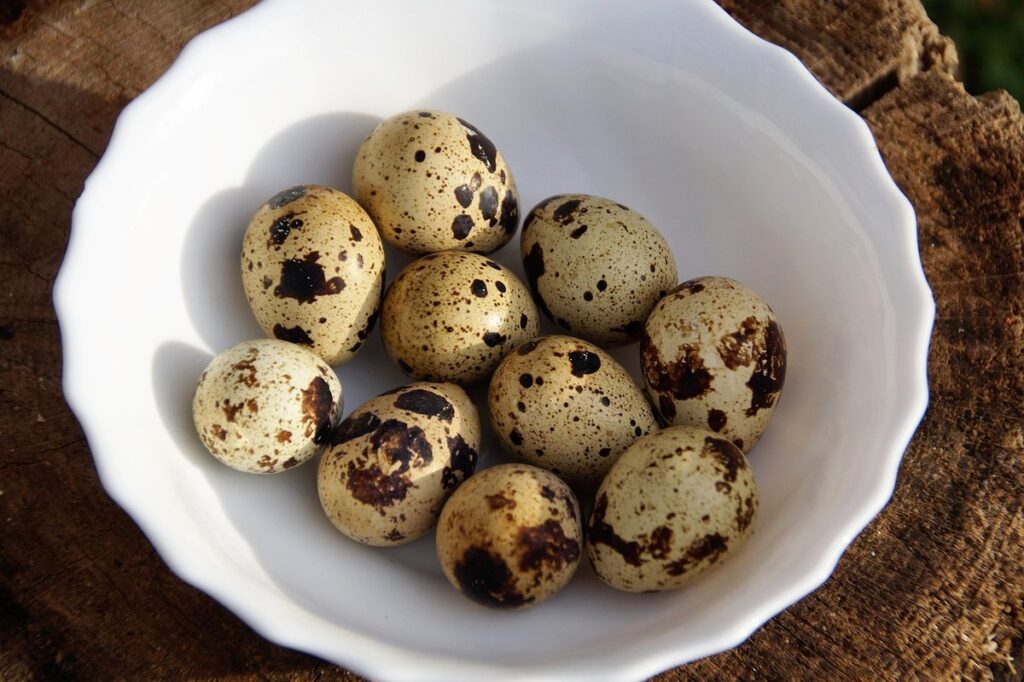
What are Quail Bantams?
Quail bantams are a delightful breed of miniature chickens, known for their small size and endearing personalities. In this section, we’ll explore what makes them so unique.
Characteristics of Quail Bantams
Quail bantam breeds are known for their distinct characteristics that set them apart from other poultry. One of the most notable features is their small size, with some breeds weighing as little as 4-6 ounces. This compact size makes them an ideal choice for backyard flocks and small farms.
Another characteristic of quail bantams is their unique appearance. They come in a wide range of colors and patterns, including solid, mottled, and speckled varieties. Some breeds have intricate feathering on their faces, legs, and wings, while others have bold, bright plumage. Their small beaks and expressive eyes add to their charm.
Quail bantams are also known for their gentle nature, making them a great choice for families with children or those who want low-maintenance pets. They are relatively quiet, with some breeds producing soft chirping sounds, while others remain silent. Despite their small size, quail bantams are surprisingly hardy and can thrive in a variety of environments.
When choosing a quail bantam breed, consider factors such as climate, available space, and desired level of activity. With proper care and attention, these unique birds can bring joy and companionship to your backyard or small farm.
Importance of Quail Bantams in Small-Scale Farming
Quail bantams are a valuable addition to small-scale farming due to their multifaceted benefits. In terms of egg production, quails are prolific layers, producing around 200-300 eggs per year, depending on breed and nutrition. This makes them an excellent choice for farmers looking to diversify their protein sources or supply eggs to local markets.
Beyond egg production, quail bantams can also serve as a meat source, offering a leaner alternative to traditional poultry. Their small size allows for efficient processing and packaging, making them well-suited for small-scale butchers or value-added producers.
In addition to these primary uses, quail bantams can also play a role in pest control on the farm. They feed on insects, ticks, and other pests that can damage crops or harm livestock. By introducing quails into your ecosystem, you can reduce your reliance on chemical pesticides and create a more balanced and sustainable farming environment.
If you’re considering adding quail bantams to your small-scale farm, start by researching local regulations and zoning laws regarding quail production.
Breeds of Quail Bantams
As you dive deeper into the world of quail bantams, you’ll discover a vast array of breeds that showcase unique characteristics and features. Let’s explore some of the most popular and fascinating breeds out there!
Popular Quail Bantam Breeds
If you’re new to quail bantam keeping, navigating the many breeds available can be overwhelming. To help you get started, let’s take a closer look at some of the most popular quail bantam breeds.
One breed that stands out is the Japanese Quail Bantam. Known for its striking appearance and unique personality, this bird has gained a loyal following among enthusiasts. With their iridescent feathers, slender build, and upright carriage, it’s no wonder they’ve become a favorite among many quail bantam keepers.
Another popular breed is the California Quail Bantam, which boasts a beautiful plumage of gray and brown hues. This bird’s temperament is often described as docile and friendly, making them an excellent choice for families or beginners. They’re also relatively low-maintenance when it comes to their living space, requiring less room than other breeds.
The Button Quail Bantam is another breed worth considering. As one of the smallest quail bantams, they’re perfect for those with limited space. Their compact size and gentle nature make them an excellent choice for apartment dwellers or those with small backyards.
If you’re looking to bring a bit of excitement into your life, consider getting the Button Quail Bantam – their playful antics are sure to entertain!
Rare and Exotic Quail Bantam Breeds
If you’re looking to add some excitement to your quail bantam flock, consider introducing rare and exotic breeds. These birds are not only visually striking but also offer unique characteristics that can set them apart from more common varieties.
One such breed is the Japanese Quail Bantam, known for its small size and vibrant plumage. They have a distinctive red face and throat patch, making them a standout in any collection. However, be aware that this breed requires a slightly larger enclosure due to their active nature.
Another rare breed worth considering is the Chinese Painted Quail Bantam. As its name suggests, it features intricate color patterns on its feathers, giving it an almost mythical appearance. To care for these birds, you’ll need to provide a diet rich in protein and calcium to support their vibrant plumage.
When introducing rare breeds to your flock, be sure to research their specific needs and requirements carefully. This includes providing suitable housing, nutrition, and socialization. With patience and attention to detail, you can successfully integrate these unique birds into your quail bantam collection.
It’s also essential to note that some exotic breeds may require special permits or licenses to keep in certain areas. Be sure to check with local authorities before bringing home a new bird.
Caring for Quail Bantams
Quail bantam care is essential to keep your birds happy and healthy. This section will walk you through the daily routine, nutritional needs, and healthcare tips necessary for their well-being.
Housing Requirements for Quail Bantams
When it comes to providing a suitable environment for your quail bantams, their housing requirements are essential to consider. A spacious enclosure that meets the minimum size recommendations is crucial for their health and well-being.
A good rule of thumb is to provide at least 2-3 square feet of floor space per bird, with adequate ventilation to prevent ammonia buildup from droppings. This can be achieved by incorporating windows or vents in the enclosure. You may also consider adding a mesh screen to ensure proper airflow.
Bedding material plays a significant role in maintaining cleanliness and comfort for your quail bantams. Avoid using cedar shavings as they contain oils that can harm your birds. Instead, opt for materials like wood pellets, straw, or sand, which are safe and easy to clean. Be sure to replace the bedding regularly to prevent bacterial growth.
Some breeders recommend a temperature range of 60-70°F (15-21°C) in the enclosure, although quail bantams can tolerate temperatures up to 80°F (27°C). However, it’s essential to maintain a consistent temperature and provide adequate shade for your birds during hot periods.
Diet and Nutrition for Quail Bantams
When it comes to keeping your quail bantams healthy and thriving, providing them with the right diet is crucial. Quail bantams require a balanced mix of protein, vitamins, and minerals to maintain their energy levels and support growth.
Aim to provide around 20-25% protein in your quail’s diet, which can be achieved by offering a combination of commercial quail feed, fruits, vegetables, and insects. For example, you could offer a layer feed mix with added seeds or mealworms for an extra boost of protein. It’s also essential to provide fresh water at all times.
In terms of vitamins, ensure that your quail bantams receive adequate amounts of vitamin A, D3, E, K, and B12. You can supplement their diet by adding a small amount of crushed oyster shells (rich in calcium) or dark leafy greens like kale or spinach.
Aim to divide daily feeding into two meals: one in the morning and another in the late afternoon. This will help prevent overeating and keep your quail bantams’ digestive system running smoothly.
Health Considerations for Quail Bantams
When keeping quails as pets, it’s essential to be aware of their specific health needs and potential risks, such as respiratory problems and disease susceptibility. We’ll cover these important considerations in more detail below.
Common Health Issues Affecting Quail Bantams
As a quail bantam owner, it’s essential to be aware of the common health issues that can affect these delightful birds. Respiratory problems are one of the most prevalent issues affecting quail bantams. This can be caused by factors such as dusty environments, poor ventilation, or even bacterial infections. To prevent respiratory problems, ensure your coop has adequate airflow and keep it clean by removing droppings regularly.
Parasites are another common health issue affecting quail bantams. These tiny creatures can cause discomfort, weight loss, and even death if left untreated. Common parasites found in quail bantams include mites, lice, and internal worms like tapeworms and coccidiosis. Regularly inspect your birds for signs of parasitic infestation, such as excessive scratching or shedding.
Diseases are also a significant concern for quail bantams. Common diseases affecting these birds include avian pox, fowlpox, and Marek’s disease. Symptoms may include lesions on the skin, lethargy, or difficulty breathing. Keep your flock safe by maintaining good hygiene practices, ensuring they have access to fresh food and water, and getting them vaccinated against major diseases.
It’s also crucial to monitor your birds’ behavior and overall health regularly to catch any potential issues early. If you notice any unusual signs or symptoms, consult with a veterinarian experienced in caring for quail bantams.
Preventative Measures for Quail Bantam Health
Quail bantams require regular preventative care to maintain their overall health. Start by establishing a vaccination schedule with a veterinarian specializing in poultry. Quail bantams should receive their first set of vaccinations at 4-6 weeks old, followed by booster shots every 2-3 months. This will protect them against common diseases such as Marek’s disease and Newcastle disease.
Implementing biosecurity protocols is also crucial in preventing the spread of diseases. Ensure that your quail bantams are kept in a clean and well-ventilated enclosure, with regular cleaning and disinfection schedules. Limit visitor access to the area and require visitors to wash their hands before handling the birds. This will help prevent the introduction of external pathogens.
Parasite control is another critical aspect of preventative care for quail bantams. Monitor your birds regularly for signs of internal parasites such as worms, and treat them promptly with an approved medication. External parasites like mites and lice can be controlled using medicated powders or sprays. Regularly inspecting the birds’ living area will also help identify any potential parasite issues early on.
Breeding and Raising Quail Bantams
When it comes to breeding and raising quail bantams, understanding their unique needs and characteristics is crucial for success. Let’s dive into some essential tips and guidelines for getting started.
Selecting Suitable Breeders for Quail Bantams
When it comes to breeding quail bantams, selecting suitable breeders is crucial for producing high-quality offspring. You’ll want to choose breeders who have a proven track record of raising healthy and thriving birds.
First, consider the breeder’s experience and reputation. Look for individuals or farms that specialize in quail bantams and have been doing so for several years. Check online reviews, ask for referrals from other quail enthusiasts, and look for certifications such as those offered by poultry associations. A reputable breeder will be transparent about their breeding program, including the genetic lines used, health testing, and any notable achievements.
Another essential factor is health. Make sure the breeders you’re considering are committed to maintaining healthy flocks through regular vaccinations, parasite control, and biosecurity measures. Ask to see records of veterinary care and be wary of breeders who seem evasive or secretive about their bird’s health.
When selecting breeding stock, prioritize individuals with desirable traits such as temperament, egg-laying ability, and plumage quality. A good breeder will help you identify the best birds for your specific needs and goals.
Managing a Quail Bantam Flock
Managing a quail bantam flock requires attention to detail and a well-planned approach. Breeding cycles are typically 18-20 weeks long, during which you’ll need to ensure adequate space for hens to nest and roost comfortably. It’s essential to group hens by age and breeding status to simplify management.
Egg production is a critical aspect of managing your flock. Quail bantams will produce an average of 200-300 eggs per year, with some breeds laying as many as 400 eggs annually. To maximize egg production, provide a balanced diet rich in calcium and ensure optimal lighting conditions (14 hours of light for every 10 hours of darkness). Monitor your flock’s egg-laying patterns to identify any potential issues.
When it comes to chick rearing, it’s crucial to separate them from the adult birds immediately after hatching. Keep chicks in a brooder with adequate ventilation and maintain a temperature range of 90-100°F (32-38°C) for the first week. Once they reach about six weeks old, you can introduce them to a grow-out coop where they’ll continue to develop under your care.
Showing and Judging Quail Bantams
When participating in quail bantam shows, it’s essential to understand the judging criteria and how to showcase your birds’ unique characteristics effectively. This section will guide you through the process of preparing for a show.
Preparing Quail Bantams for Shows
Preparing your quail bantams for shows requires attention to detail and patience. Trimming is an essential part of show preparation, as it helps maintain the bird’s plumage and overall appearance. Start by trimming the feathers around the vent area, followed by the wings and tail. Use sharp scissors or a dedicated trimmer to avoid causing stress or injury to your birds.
Grooming is also crucial in making a good impression at the shows. Cleanliness is key, so make sure to bathe your quail bantams regularly before the show. Pay attention to their beaks, nails, and feet, as well as their overall hygiene. Brush their feathers gently but thoroughly to prevent matting and tangling.
Acclimating your birds to the show environment can be challenging, especially for those that are not used to being around people. Start by gradually introducing them to a quiet room with minimal distractions, then gradually increase exposure to noise and crowds. Use positive reinforcement techniques such as treats and praise to help them become comfortable in their new surroundings.
It’s also essential to get your birds accustomed to the show cage or coop, as well as the judges’ handling of them during the competition. Practice regularly to ensure they remain calm and relaxed in these situations.
Judging Quail Bantams: Key Characteristics and Standards
When judging quail bantams, there are several key characteristics and standards that breeders and exhibitors should keep in mind. One of the most important factors is weight: quail bantams typically weigh between 12 and 24 ounces, depending on their breed and sex.
In terms of plumage quality, judges look for birds with well-defined markings, soft feathers, and a smooth texture. The plumage should be vibrant and evenly distributed, with no signs of matted or ruffled areas. When examining the bird’s overall appearance, consider its posture: quail bantams should stand proudly with their heads held high.
Temperament is also crucial when judging quail bantams. A good show bird should be calm, friendly, and willing to interact with judges. Look for birds that seem relaxed and confident in their surroundings. Remember that temperament can make or break a bird’s chances of winning; a well-behaved quail bantam is far more likely to impress judges than one that appears skittish or aggressive.
When evaluating your own quail bantams, consider these characteristics and standards as you prepare them for the show ring.
Frequently Asked Questions
Can I keep Quail Bantams as pets, or are they strictly for egg production?
Quail bantams make wonderful pets due to their friendly nature and small size. However, if you’re looking to raise them primarily for eggs, consider the breed’s productivity and space requirements before making a decision.
How often do I need to collect Quail Bantam eggs, and what is the average production rate?
Quail bantams are prolific egg layers, producing around 200-300 eggs per year. They tend to lay one or two eggs daily, so plan on collecting them frequently. Regular egg collection will encourage continued laying.
What kind of housing do Quail Bantams require, and can I convert an existing coop?
Quail bantams need a secure, predator-proof enclosure with adequate ventilation and protection from the elements. If you’re converting an existing coop, ensure it’s large enough to accommodate their vertical space needs and provide roosting bars for perching.
How do I prevent mites and other parasites in my Quail Bantam flock?
Regular cleaning of coops and runs, combined with a balanced diet and fresh water, can help deter parasites. Consider using diatomaceous earth or other natural deterrents to keep pests at bay.
Can I mix Quail Bantams with larger breeds of chickens, or is it best to keep them separate?
While quail bantams are generally friendly, mixing them with larger breeds can lead to bullying and stress. For optimal welfare, consider keeping them in a separate enclosure or introducing them gradually under close supervision.