
Are you ready to welcome some adorable new additions to your backyard or farm? Raising quail chicks can be a delightful experience, but it requires careful planning and attention to their specific needs. If you’re new to raising poultry, don’t worry – with this guide, you’ll be well on your way to successfully raising healthy and happy quail chicks from hatch to flock. In this comprehensive article, we’ll cover everything from providing the right nutrition and ensuring optimal health, to creating a suitable housing environment that meets their needs. You’ll also discover the benefits of raising these charming birds in your own backyard or farm, including tips on how to care for them as they grow into a thriving quail flock.
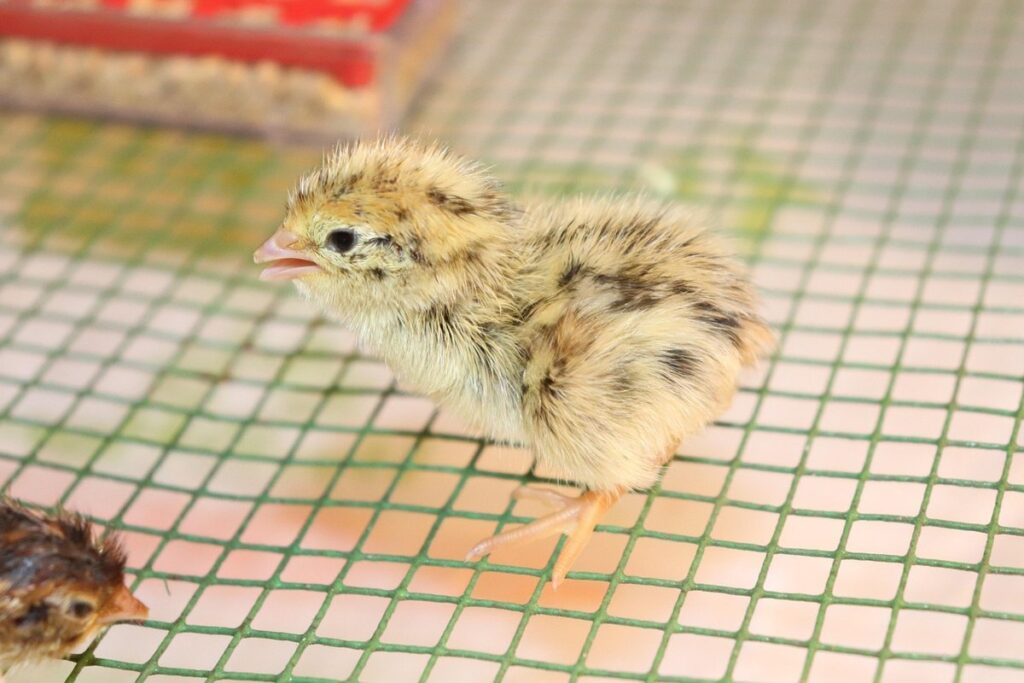
Introduction to Quail Chicks
Getting started with quail chicks requires a solid foundation of knowledge, so let’s begin by exploring what you can expect from these tiny birds.
What are Quail Chicks?
Quail chicks are one of the most sought-after additions to backyard chicken keepers and farmers due to their unique characteristics. These tiny birds are relatively small, growing up to 8-10 inches in length, making them an ideal choice for those with limited space. One of the reasons quail chicks have gained popularity is their gentle nature. Unlike larger chickens, quail chicks are generally quiet, calm, and not as flighty, which makes them a delight to handle.
Another significant advantage of raising quail chicks is their low-maintenance requirements. They don’t need large enclosures or extensive feeding areas, which means you can keep them in compact spaces such as coops or even indoor terrariums. This also translates to reduced costs on feed and care. In terms of food, quail chicks are omnivores and can thrive on a balanced diet that includes commercial pellets, fruits, and vegetables. With proper care, quail chicks are capable of producing 1-2 eggs per week, making them an excellent choice for small-scale egg production.
Their friendly demeanor makes quail chicks an excellent addition to any backyard flock or farm setup, providing entertainment and the potential for a sustainable source of eggs.
Benefits of Raising Quail Chicks
Raising quail chicks can be a highly rewarding experience for backyard poultry enthusiasts and farmers alike. One of the most significant advantages of raising quail chicks is their incredibly fast growth rate. Quails mature quickly, typically reaching egg-laying age within 16-20 weeks, compared to chickens which take around 18-24 weeks. This accelerated growth enables you to harvest your first eggs sooner, making it an ideal option for those seeking a quick return on investment.
Another benefit of raising quail chicks is their exceptional adaptability to various environments. Quails can thrive in small spaces, such as backyards or even indoor enclosures, making them an excellent choice for urban farmers or those with limited land. Additionally, they are relatively low-maintenance birds that require minimal care and attention. With proper feeding and housing, quail chicks can produce a high volume of eggs, often exceeding 200 per year per bird. This impressive productivity makes them an attractive option for small-scale egg producers.
Their adaptability also extends to different climates, as quails are hardy birds that can tolerate extreme temperatures and humidity levels. Whether you’re raising quails in the scorching heat or freezing cold, they will continue to thrive and produce eggs consistently.
Choosing the Right Quail Chick Breed
When it comes to raising quail chicks, selecting the right breed can make all the difference in their health and productivity. Here’s a guide to help you choose the perfect quail chick breed for your needs.
Understanding Quail Breeds
When it comes to choosing the right quail breed for your backyard flock, understanding the different types of quail breeds available is crucial. There are several popular breeds to consider, each with its unique characteristics, egg-laying abilities, and temperament.
For example, Coturnix quails are one of the most common breeds raised for their exceptional egg-laying ability. They can produce up to 200 eggs per year and are known for their friendly and docile nature. Button quails, on the other hand, are small in size but big on personality. They are energetic birds that require a lot of space and exercise.
Japanese Quails are another popular breed known for their beautiful plumage and gentle temperament. However, they are less prolific egg layers compared to Coturnix quails, producing around 100-150 eggs per year. If you’re looking for a breed that’s easy to handle and can thrive in smaller spaces, the Button or Japanese Quail might be a good choice.
When selecting a breed, consider your lifestyle and living situation. If you have limited space, a breed like the Button or Japanese Quail may be more suitable. However, if you’re looking for high egg production, the Coturnix quail is an excellent option.
Selecting a Quail Breed for Your Needs
When selecting a quail breed for your needs, it’s essential to consider several factors that will impact their health and well-being. Climate tolerance is a crucial aspect to think about, especially if you live in an area with extreme temperatures. For example, some breeds like the Japanese Coturnix Quail are adapted to warmer climates, while others such as the California Quail are better suited for cooler temperatures.
Noise levels can also be a consideration, particularly if you plan on raising quails in a residential area. Some breeds are known to be quieter than others, making them a better choice for urban environments. Space requirements are another factor to consider, with some breeds requiring more room to roam and exercise than others.
To determine the best breed for your needs, take note of your available space, climate, and noise tolerance. Research different breeds and their characteristics to find one that fits your lifestyle. For instance, if you have a small backyard or live in an apartment, a compact breed like the Button Quail may be a suitable choice. Ultimately, selecting a quail breed that meets your individual needs will ensure a happy and healthy flock.
Health and Nutrition
When it comes to raising quail chicks, their health and nutrition are crucial for ensuring they thrive. In this section, we’ll cover the essentials of feeding and caring for your young quails’ dietary needs.
Providing Optimal Nutrition
Providing optimal nutrition is crucial for quail chicks to grow and develop healthily. From day one, they require a balanced diet that meets their nutritional needs. You can start by offering commercial quail feed, which is formulated specifically for young birds. However, it’s essential to supplement their diet with fresh fruits, vegetables, and grains to ensure they get all the necessary vitamins and minerals.
As your chicks grow, you’ll need to adjust their diet accordingly. At around 4-6 weeks old, you can introduce a mixture of commercial feed, oats, and sunflower seeds. Avoid giving them too many treats, as this can lead to digestive issues. For example, offering fresh mealworms or crickets is a great way to provide protein, but be sure to limit the amount to avoid overfeeding.
Create a nutrition plan tailored to their age and growth stage by dividing the chicks into different feeding groups based on their size and weight. This will help you ensure each chick receives the right amount of nutrients for optimal growth.
Common Health Issues in Quail Chicks
Quail chicks are prone to various health issues that can be detrimental to their growth and survival. Respiratory problems, for instance, are a common issue caused by poor ventilation, high humidity, or bacterial infections. Symptoms may include labored breathing, coughing, and wheezing. It’s essential to ensure good airflow in the enclosure and maintain a clean environment to prevent the buildup of bacteria.
Parasites such as mites, ticks, and lice can also infest quail chicks, causing discomfort, stress, and even anemia. Regular cleaning and disinfection of the enclosure, monitoring for signs of parasites, and using preventative measures like diatomaceous earth or insecticidal powders are crucial.
Disease outbreaks, including coccidiosis, Newcastle disease, and avian influenza, can be devastating to quail chick populations. Recognizing early warning signs such as lethargy, loss of appetite, or sudden death is vital for prompt intervention. Vaccination, quarantine, and biosecurity measures like isolating new birds can help prevent the spread of diseases.
Housing and Environment
When it comes to raising quail chicks, providing a safe and healthy environment is crucial. In this next part of our guide, we’ll explore how to create an ideal housing setup for your new feathered friends.
Setting Up a Quail Chick Coop
When setting up a quail chick coop, it’s essential to prioritize their safety and comfort. Start by creating a well-ventilated space that allows for airflow and prevents the buildup of ammonia from droppings. A good rule of thumb is to provide at least one square foot of floor space per bird.
Proper lighting is also crucial for quail chicks’ growth and development. Provide a balanced spectrum of light, including UVA and UVB, which can be achieved using LED or fluorescent lights specifically designed for poultry. Aim for 14-16 hours of light per day to mimic natural daylight.
Nesting boxes are another critical component of the coop. Quail chicks need a quiet, sheltered spot to nest and lay their eggs safely. Attach at least one nesting box per three quails, making sure it’s easy to clean and accessible. You can place the nesting box on the floor or attach it to the wall, depending on your design preference.
When designing the coop, consider using materials that are easy to clean and sanitize, such as wire mesh or durable plastics. This will help reduce the risk of disease transmission among your quail chicks. Always maintain a clean environment by removing droppings daily and disinfecting the coop regularly.
Providing Adequate Space and Exercise
As quail chicks grow, it’s essential to provide them with enough space and exercise to stay healthy and thrive. A well-designed enclosure will help meet their physical and mental needs as they mature into adult quails.
When setting up a quail-friendly enclosure, consider the following key factors: space, ventilation, and equipment. The minimum recommended space per bird is about 2-3 square feet (0.5-1 square meter) of floor area, but more space is always better. You can create a multi-level setup using wooden or plastic shelves to increase vertical space.
It’s also crucial to provide enough room for quail chicks to exercise and move around comfortably. A minimum of 2-3 inches (5-7.5 cm) of clearance between perches is essential to prevent overcrowding. To ensure good air circulation, position the enclosure near a window or use a well-ventilated top or side panel.
To make their new home even more enjoyable for your quail chicks, add some fun elements like toys and climbing structures. This will not only provide them with mental stimulation but also encourage physical activity and exercise.
Raising Quail Chicks from Hatch to Flock
Now that your quail chicks have hatched, it’s time to take care of their needs and ensure they grow into a thriving flock. This next stage is crucial for developing strong, healthy birds.
Caring for Newborn Quail Chicks
When you bring home newborn quail chicks, they are completely dependent on you for their care. The first few weeks of life are crucial for their development, and proper brooding is essential to ensure their health and survival.
To set up a brooder, start with a secure enclosure that’s specifically designed for young birds. Add bedding such as wood shavings or paper-based products, which can be easily cleaned and changed. Maintain a temperature range of 90-95°F (32-35°C) during the first week, gradually decreasing it by 5-10°F (3-6°C) each subsequent week.
Feed your quail chicks starter feed that’s specifically formulated for young birds. Provide fresh water at all times, and ensure their feeding area is clean. Monitor their droppings daily to check for any signs of health issues, such as diarrhea or lethargy. Keep an eye out for respiratory problems like wheezing or labored breathing, which can be a sign of inadequate ventilation.
Quail chicks are highly social birds, so it’s essential to provide plenty of interaction and stimulation during this critical period.
Quail Chick Developmental Stages
Quail chicks go through several developmental stages as they grow from hatch to maturity. The first stage is the hatching process itself, where chicks emerge from their eggs within 24 hours of incubation. Initially, they are blind and helpless, relying on their yolk sac for sustenance.
As they start to dry out and develop feathers, around 2-3 days post-hatch, quail chicks enter the “pipping” stage, characterized by intense pecking at the eggshell in an attempt to free themselves. During this time, it’s essential to ensure adequate humidity levels (around 50-60%) to prevent dehydration.
Between 5-7 days old, quail chicks begin to venture out of their nesting box and exercise their wings, signaling the onset of the “fluffing” stage. Here, they start developing their adult feathers and begin to look like miniature versions of adult quails.
By around 10-14 days post-hatch, quail chicks are well into the “feathered” stage, characterized by rapid growth in size and plumage development. During this period, it’s crucial to maintain a nutritious diet and provide a stimulating environment that encourages exploration and social interaction.
At 4-6 weeks old, quail chicks enter the final stage of development – maturity. Here, they reach full growth potential, develop their unique characteristics, and become independent adults ready for release into your flock.
Managing Your Quail Flock
Once you’ve successfully raised your quail chicks, it’s time to learn how to manage a thriving flock, including tips on feeding, breeding, and health care. Effective management is crucial for a happy and healthy quail family.
Integrating New Birds into the Flock
Introducing new birds to an existing flock can be challenging, but with careful planning and execution, you can minimize stress and ensure a harmonious integration. When introducing new quail birds, it’s essential to consider their individual personalities and temperaments to avoid conflicts.
To acclimate the newcomers, start by isolating them in a separate enclosure or aviary for 7-10 days before release into the main flock. This allows them to get accustomed to the sights, sounds, and smells of their new environment without feeling overwhelmed or threatened. During this period, observe their behavior and adjust your introduction strategy accordingly.
Minimizing stress is crucial during the introduction process. To achieve this, ensure that both the existing flock and newcomers have access to food, water, and shelter simultaneously. A ratio of 1:5 is recommended for introducing new birds to an established flock – one newcomer per five existing quail. By following these guidelines, you can successfully integrate new birds into your flock, fostering a healthy and thriving community.
Harvesting Eggs and Meat from Your Quail Flock
Harvesting eggs from your quail flock is a straightforward process that requires some basic equipment and knowledge. Collect eggs daily to prevent breakage and maintain cleanliness. Use a slotted spoon or egg grabber to gently pick up eggs from the nesting box, taking care not to startle the birds. Place collected eggs in a covered container filled with paper towels or crumpled newspaper for cushioning.
When it’s time to harvest meat from your quail flock, consider humane slaughter methods that minimize stress and pain. Hanging or electric stunning can be effective options, but ensure you follow local regulations and have necessary training. Humanely killing birds involves striking the head or neck with a sharp object, followed by immediate slaughter. This process should be performed swiftly to avoid suffering.
It’s essential to note that many quail breeds are suitable for meat production, such as button quails, Japanese quails, and coturnix quails. Meat harvesting typically occurs when birds reach 5-6 weeks of age, depending on breed and growth rates. Proper storage and handling of harvested quail meat is crucial to prevent contamination and spoilage.
Conclusion
In conclusion, raising quail chicks can be a rewarding experience for backyard farmers and enthusiasts alike. With the right knowledge and preparation, you’ll be well on your way to successfully hatching and caring for these adorable birds. Remember to prioritize providing a clean, safe environment with adequate ventilation and temperature control. Quail chicks require specialized care, including separate brooding from their adult parents to prevent overcrowding and disease transmission.
When it comes down to it, the key to success lies in patience and attention to detail. Be prepared to dedicate time and resources to ensuring the health and well-being of your quail flock. Don’t be discouraged if you encounter setbacks – experience is a valuable teacher, and you’ll have plenty of opportunities to learn and improve as you continue to raise these magnificent birds.
Frequently Asked Questions
What are the recommended vaccinations for quail chicks, and at what age should they be administered?
Vaccinations play a crucial role in maintaining the health of your quail flock. For most breeds, vaccinations against diseases like Marek’s disease and infectious bronchitis can start as early as 1-2 weeks old. However, it’s essential to consult with a veterinarian to determine the best vaccination schedule for your specific breed and region.
How often should I clean and disinfect the quail coop, especially during times of high chick growth?
Quail coops require regular cleaning and disinfection to prevent disease transmission. Aim to clean the coop at least once a week, paying attention to areas around feeders, waterers, and nesting boxes. Increase frequency to 2-3 times a week when chicks are growing rapidly or during periods of high humidity.
Can quail chicks be raised in cold climates, or do they require special housing?
Quail chicks can tolerate some cold temperatures, but prolonged exposure to extreme cold (below 40°F/4°C) can be detrimental. To raise them in colder climates, ensure the coop is well-insulated, and provide adequate ventilation to prevent moisture buildup. Consider adding supplemental heat sources like heat lamps or radiant heaters.
How do I integrate new quail chicks into an existing flock without stressing the birds?
Introducing new chicks to an existing flock requires careful planning. Start by isolating the new chicks for 2-3 days, then gradually introduce them to the main group under close supervision. Monitor body language and behavior; if you notice signs of stress or aggression, separate the birds immediately.
What are some common mistakes new quail breeders make when raising their first batch of chicks?
New breeders often underestimate the importance of providing adequate nutrition and space for growing quail chicks. Ensure you’re offering a balanced diet, plenty of fresh water, and sufficient space for exercise and movement. Additionally, research local regulations regarding backyard poultry keeping to avoid any potential issues.