
If you’re considering adding some vibrant flair to your backyard flock, you might want to learn about Red Ranger chickens. These stunning birds have been gaining popularity among chicken enthusiasts due to their unique characteristics and advantages. Hailing from the United States, Red Rangers are a cross between Rhode Island Reds and New Hampshire poultry, making them a hardy and disease-resistant breed.
But before you start building your coop or introducing new feathered friends, it’s essential to understand their specific needs and health considerations. That’s where this article comes in – we’ll delve into the world of Red Ranger chickens, discussing their origins, benefits, and requirements for integrating them into your existing flock. Whether you’re an experienced chicken owner or a beginner looking for advice, read on to discover why Red Rangers make great additions to any backyard farm.
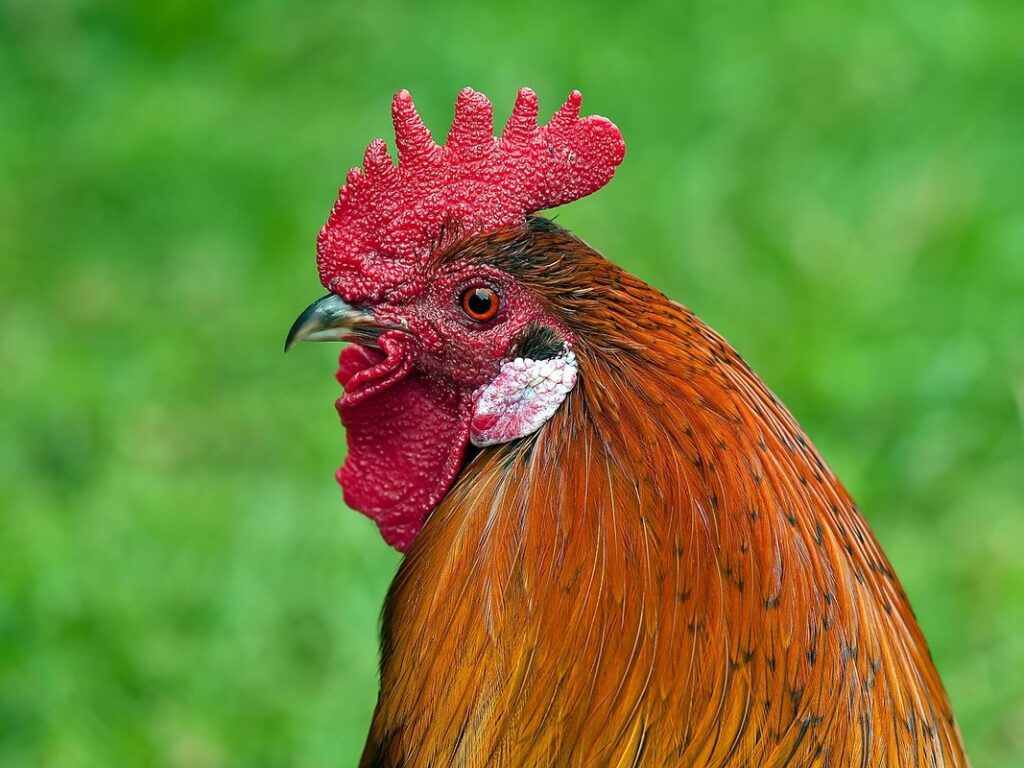
Characteristics of the Red Ranger Chicken
Let’s dive into what makes the Red Ranger Chicken so unique, starting with its physical characteristics that set it apart from other breeds. You’ll love discovering these distinctive features up close!
Origin and History
The Red Ranger chicken has its roots in Australia, where it was developed specifically for its striking appearance and impressive hardiness. This breed is a product of careful selection and breeding by Australian poultry farmers who were looking to create a bird that stood out from the crowd.
As we dig into the history of the Red Ranger, it’s clear that its development was no accident. The breed was created using a combination of established strains, including the Golden Comet and the Australorp, with the goal of producing a bird that was not only visually stunning but also robust and resilient. The result is a chicken that boasts an impressive red plumage, along with a toughened immune system and impressive egg-laying abilities.
Interestingly, one of the key milestones in the Red Ranger’s development came when it was recognized as an official breed by the Australian Poultry Association (APA) in 1994. Since then, the breed has gained popularity worldwide for its striking appearance and hardiness. If you’re considering adding a splash of color to your flock, the Red Ranger is definitely worth considering.
Physical Characteristics
The Red Ranger chicken is an unmistakable breed, thanks to its striking physical characteristics. One of the most notable features of this bird is its vibrant plumage, which can range from a deep, rich red to a fiery scarlet hue. The coloration is evenly distributed across the body, with no patches or streaks to be found.
In terms of size, the Red Ranger is a medium-sized breed, with roosters weighing in at around 8-10 pounds and hens reaching about 6-8 pounds. This makes them an excellent choice for backyard flocks or small-scale commercial operations.
Other notable physical features of the Red Ranger include its compact, muscular build and well-feathered legs. The breed’s overall appearance is that of a sturdy, active bird, perfectly suited to scratching in the yard or pecking at grain on the farm. When selecting a Red Ranger for your flock, be sure to look for birds with even coloration, strong plumage, and a lively demeanor – these will be the best bets for healthy, productive laying hens.
Temperament and Personality
The Red Ranger chicken is known for its exceptional temperament and personality traits. When it comes to interacting with humans, this breed is incredibly friendly and outgoing. They are often described as ” Velcro chickens” due to their tendency to stick close to their owners and enjoy human attention. In fact, studies have shown that the Red Ranger has a unique ability to form strong bonds with people, making them an excellent choice for families or first-time chicken keepers.
When it comes to interacting with other animals, the Red Ranger is generally very social and gets along well with most breeds. However, as with any chicken, introducing new birds to the flock requires patience and careful observation. It’s essential to introduce birds slowly and under close supervision to prevent any potential conflicts.
In terms of personality, the Red Ranger is known for its confidence and curiosity. They are intelligent birds that thrive on mental stimulation, making them a great choice for owners who enjoy providing puzzle toys and other interactive games. With proper care and attention, these chickens can become wonderful companions and provide hours of entertainment for families.
Advantages of Raising a Red Ranger Chicken
If you’re considering adding some red ranger chickens to your flock, you might be wondering what benefits they can bring to your farm. In this section, we’ll explore their advantages in more detail.
Foraging Ability and Hardiness
One of the most significant advantages of raising Red Ranger chickens is their remarkable ability to forage and thrive in challenging environments. This breed has been developed specifically to withstand harsh conditions such as scorching heat, freezing cold, and rugged terrain. Their hardiness makes them an ideal choice for farmers who want a low-maintenance flock.
Red Rangers are incredibly skilled at finding food on their own, which means they require less supplementary feeding than other breeds. This ability to forage also reduces the need for expensive feed and supplements, making them a cost-effective option for backyard chicken keepers. To maximize your Red Ranger’s foraging potential, consider introducing them to free-range conditions from an early age. Provide access to a secure outdoor area with a diverse range of plants, insects, and other invertebrates for them to explore.
By allowing your Red Rangers to forage naturally, you’ll not only save on feed costs but also promote their overall health and well-being. Their hardiness will also make them more resilient to diseases and parasites, reducing the need for costly treatments and medications. With proper care and management, a flock of Red Rangers can thrive in even the most demanding environments, making them an excellent choice for small-scale farmers and backyard chicken enthusiasts alike.
Egg-Laying Capacity
The Red Ranger chicken is not only known for its stunning appearance but also for its impressive egg-laying capacity. On average, a mature Red Ranger hen can produce around 200-220 eggs per year, with some hens laying up to 250 or more. This is slightly higher than the average egg production of other breeds.
One notable characteristic of the Red Ranger’s eggs is their shell quality and thickness. The shells are strong and less prone to cracking, which makes them ideal for those who value durability over appearance. Additionally, the eggs have a light-brown color with a creamy texture, making them perfect for baking and cooking.
Red Rangers are also known to start laying eggs at a relatively young age, typically around 18-20 weeks of age. This means you can expect to see a steady supply of fresh eggs from your flock as early as mid-spring. With proper care and nutrition, Red Ranger hens will continue to produce an impressive number of high-quality eggs throughout their productive life.
Low Maintenance
One of the most significant advantages of raising Red Ranger chickens is their low-maintenance nature. These birds are surprisingly easy to care for, making them perfect for backyard farmers who want to enjoy fresh eggs without a lot of fuss.
Unlike some other breeds that require specialized equipment or frequent maintenance, Red Rangers are relatively simple to care for. They’re hardy and adaptable, able to thrive in a variety of environments as long as they have access to basic necessities like food, water, and shelter.
In fact, Red Rangers can do quite well with minimal space and no roosting bars – perfect for small backyards or coops. This means you can save money on specialized equipment and focus on other aspects of chicken-keeping.
To keep your Red Rangers happy and healthy, simply provide them with a balanced diet, fresh water, and regular cleaning of their coop. With these basic steps in place, you’ll be enjoying fresh eggs from your low-maintenance Red Ranger flock in no time!
Breeding and Raising Red Ranger Chicks
When breeding and raising Red Ranger chicks, a solid understanding of their specific needs is crucial for success. In this section, we’ll walk you through the essential steps to raise healthy and thriving young birds.
Hatching and Brooding
When hatching and brooding Red Ranger chicks, it’s crucial to provide them with optimal nutrition and care during this critical period. Properly incubating eggs is essential for successful hatching, so make sure the incubator is set at 99-100°F (37-38°C) and maintain a humidity level of 50-60%. Keep in mind that Red Rangers are prone to overheating, so closely monitor temperature and adjust as needed.
Once chicks hatch, transfer them to a brooder with adequate ventilation. Provide a heat source, such as a heat lamp or heat plate, set at around 90°F (32°C) for the first week. Gradually reduce heat by 5-10% each day until they’re about six weeks old. Ensure access to fresh water and starter feed specifically formulated for young chickens.
Monitor chick development closely, checking for signs of illness or stress. Keep an eye on their droppings – pale or runny stools can indicate nutritional deficiencies or health issues. Provide adequate space in the brooder, allowing about 1-2 square feet per chick. As chicks grow, introduce fresh air and increase exercise to promote healthy growth and development.
Ensure proper hygiene by changing bedding regularly and maintaining cleanliness throughout the brooding process. By providing optimal care and nutrition during this crucial period, you’ll set your Red Rangers up for a strong start in life.
Grow-Out Period
The grow-out period for Red Rangers is a critical stage that requires careful attention to their nutritional needs, health checks, and vaccinations. During this 16-20 week period, chicks will transform from fluffy balls of fluff into mature hens.
Feeding is a top priority during the grow-out period. Provide your Red Rangers with a high-quality layer feed formulated for young chickens. The feed should be free from contaminants and contain essential nutrients like protein, calcium, and phosphorus. Aim to provide about 1/4 inch of scratch grains per hen per day, as this will help maintain their digestive health.
Regular health checks are also crucial during the grow-out period. Monitor your birds for signs of illness or stress, such as labored breathing, lethargy, or changes in appetite. Perform routine check-ups to detect any potential issues early on. As for vaccinations, consult with a veterinarian to determine if your flock requires specific vaccinations against diseases common in your region.
By paying close attention to feeding and health checks, you can ensure that your Red Rangers grow into healthy, robust hens that are ready to produce eggs within the first year of life.
Sexing and Selection
Sexing and selecting Red Ranger chickens at a young age is crucial to ensure that you’re making the most of your breeding program. At around 4-6 weeks old, sexing becomes possible with a moderate level of accuracy. To identify males, look for their comb and wattle, which should be smaller in comparison to females. Males will also have a shorter tail and less prominent feathers.
Females, on the other hand, will develop larger combs and wattles, along with longer tails and more pronounced feathers. Keep in mind that sexing at this age is not foolproof, so it’s essential to be confident in your identification skills. To increase accuracy, practice sexing several batches of chicks before attempting to select for breeding.
When selecting Red Ranger chickens, prioritize those with exceptional conformation, feather quality, and temperament. Look for birds with well-balanced bodies, full hackles, and a clean leg and foot. Avoid any birds showing signs of illness or genetic defects, as these can compromise the health and productivity of your flock.
Health Considerations for Red Ranger Chickens
When raising red ranger chickens, it’s essential to be aware of their specific health needs and potential vulnerabilities to certain diseases. Let’s take a closer look at these concerns together.
Common Health Issues
Red Rangers can be prone to certain health issues that are essential to monitor and address promptly. Respiratory problems are a common concern, particularly during extreme weather conditions. Pneumonia and bronchitis can set in if the birds are exposed to damp environments or drafts.
To prevent respiratory issues, it’s crucial to maintain optimal coop ventilation and ensure the chickens have access to dry bedding material like pine shavings or sand. Regular cleaning of the coop and removal of waste is also vital.
Another issue that may affect Red Rangers is parasite infestation. Internal parasites such as worms can weaken the birds’ immune systems while external parasites like mites, lice, and fleas cause discomfort.
Regular monitoring of the birds’ droppings for signs of parasitic activity and implementing a parasite control program that includes frequent cleaning of the coop, application of diatomaceous earth, and administering anthelmintic medication as needed can help manage this issue.
Vaccination Schedule
When it comes to maintaining the health and well-being of your Red Ranger chickens, vaccinations play a crucial role. A recommended vaccination schedule can protect your flock from common diseases such as Marek’s disease, infectious bronchitis, and Newcastle disease.
A typical vaccination schedule for Red Rangers begins at day-old with the administration of a multivalent vaccine that protects against Marek’s disease, infectious bursal disease, and infectious bronchitis. This initial dose is usually followed by boosters at 2-3 weeks of age to ensure optimal immunity.
In addition to vaccinations, preventative measures can also be taken to minimize the risk of disease in your flock. These include maintaining good biosecurity practices such as cleaning and disinfecting equipment regularly, isolating new birds before introducing them to the main flock, and providing a balanced diet that includes essential nutrients for immune function.
Boosters may also be required at 4-6 weeks of age, depending on the specific disease risks in your area. Consult with a veterinarian to determine the most effective vaccination schedule for your Red Ranger chickens based on local conditions and risk factors.
Nutrition and Diet
When it comes to keeping your Red Rangers healthy and thriving, nutrition plays a crucial role. As a breed, they have specific dietary requirements that need to be met to prevent potential health issues. Red Rangers are a dual-purpose chicken breed, which means they require a balanced diet that supports both egg production and meat growth.
A diet rich in protein is essential for Red Rangers, with around 16-18% protein content being ideal. This can come from high-quality commercial layer feed or a mix of grains such as oats, barley, and wheat. However, it’s essential to avoid feeding them too much protein, as this can lead to kidney damage.
In addition to protein, Red Rangers also require access to calcium and phosphorus for strong bone growth and development. A balanced layer feed that includes these essential nutrients is the best option. Some owners may also choose to supplement their chickens’ diet with fruits and vegetables, but it’s crucial to introduce new foods gradually to prevent digestive issues.
By providing your Red Rangers with a well-balanced diet, you can help prevent potential health risks associated with certain feed types, such as kidney damage from excessive protein or metabolic bone disease from calcium deficiency.
Integrating Red Rangers into Your Flock
If you’re already raising chickens, integrating a few red rangers into your flock can be a fun and rewarding experience for both you and your birds. In this section, we’ll cover the basics of introducing new chickens to your existing flock.
Introduction to Other Chickens
When introducing Red Rangers to an existing flock, it’s essential to consider their unique personalities and needs. As a rule of thumb, it’s best to introduce new birds gradually, allowing the existing chickens to become familiar with the newcomers at their own pace.
Start by keeping the Red Rangers in a separate enclosure or run for a few days before integrating them into the main flock. This will allow them to get accustomed to the sights and sounds of your yard without feeling overwhelmed. You can also place some of their bedding, such as wood shavings or straw, near the entrance to the main coop to help them feel more at ease.
When it’s time to introduce them to the rest of the flock, do so in a controlled environment, such as a fenced area or a large pen. Monitor their behavior closely and intervene if you notice any signs of aggression or stress. Keep an eye on food and water sources, as dominant birds may try to exclude the new arrivals from these essential resources.
Introducing Red Rangers to your existing flock requires patience, but with careful planning and management, it can be a successful and harmonious experience for all.
Socialization and Training
Socialization and training are crucial aspects of integrating Red Rangers into your flock. These chickens can be quite spirited, so it’s essential to start early and establish a strong bond from day one. Begin by gently handling them daily, even if it’s just for a few minutes, to help them become comfortable with human interaction.
As they grow, introduce basic obedience commands like “come” and “step up.” Use positive reinforcement techniques such as treats and praise when they respond correctly. For example, hold a treat near their beak and say “come,” then take it away and reward them when they follow you.
To address any behavioral issues, identify the root cause and implement targeted training strategies. If your Red Ranger is prone to aggression, for instance, try separating them from other birds or using red-tinted eyewear to reduce visual stress. Consistency and patience are key in modifying behavior. By investing time in socialization and training, you’ll develop a trusting relationship with your Red Rangers and enjoy their unique personalities to the fullest.
Integrating with Your Family
When introducing Red Rangers into your family’s life, it’s essential to consider the dynamics of interacting with children and ensuring everyone is comfortable around these birds. Children, being naturally curious, can often be drawn to chickens, but it’s crucial to teach them how to handle and interact with the birds gently.
Start by setting clear rules and guidelines for interacting with the Red Rangers. This may include not touching or disturbing the birds when they’re nesting or laying eggs, as well as not teasing or provoking them. Supervise interactions closely, especially in the early stages, to ensure that both children and chickens feel safe and comfortable.
To promote a harmonious coexistence, involve your family members in the daily care and feeding of the Red Rangers. This can be a valuable learning experience for kids, teaching them about responsibility, empathy, and the importance of caring for living creatures. By working together as a team to integrate these wonderful birds into your family life, you’ll create a fun and engaging environment that brings everyone closer together.
Frequently Asked Questions
What are the optimal living conditions for Red Ranger chickens?
Red Rangers require plenty of space to roam, so ensure your coop provides at least 2-3 square feet per bird inside and a secure, fenced area (around 8-10 square feet) outside for exercise. Also, consider the breed’s preference for warmer climates; they thrive in temperatures between 40°F and 80°F (-40°C to 27°C).
Can Red Rangers be integrated into an existing flock with chickens of different breeds?
Yes, but it’s essential to introduce them gradually to prevent stress on both your new and established birds. Start by keeping the breeds separate for a few days before introducing them under close supervision. This will help prevent any potential conflicts.
What are some common health issues I should be aware of when raising Red Rangers?
Common health issues in Red Rangers include respiratory problems, mites, lice, and internal parasites. Regular vaccinations (e.g., Marek’s disease) and a balanced diet rich in vitamins A and E can help prevent these issues. Monitor your birds closely for any signs of illness.
Can I raise Red Ranger chicks on my own without professional assistance?
Yes, but it’s recommended to consult with experienced breeders or veterinarians before doing so. This will ensure you understand the specific needs and requirements for hatching and brooding Red Rangers. With proper care and attention, these birds can thrive under your care.
How do I determine the sex of a young Red Ranger chick?
Sexing young chicks is best done by an experienced breeder or veterinarian due to their small size and similarity in appearance. You can also use a sexing kit available at most farm supply stores, but be aware that these kits are not 100% accurate and may require professional interpretation.