
Are you looking to add some Rhode Island charm to your backyard flock? With their friendly personalities, impressive egg-laying abilities, and striking appearance, it’s no wonder why many chicken enthusiasts adore Rhode Island chickens. But before you bring these lovelies home, it’s essential to understand the unique needs and characteristics of this breed. From their rich history as a commercial layer to their health considerations and ideal living arrangements, there’s more to raising Rhode Island chickens than meets the eye. In this comprehensive guide, we’ll take you through everything you need to know about these wonderful birds, including their history, characteristics, housing requirements, and show standards. Whether you’re a seasoned breeder or just starting out with your first flock, this article will give you the knowledge you need to raise happy and healthy Rhode Island chickens.
History and Origin of Rhode Island Chickens
The Rhode Island Red‘s fascinating history is rooted in its 19th-century origins, and understanding its development is key to appreciating these beloved birds. Let’s take a closer look at how it all began.
Early Beginnings in New England
The story of Rhode Island chickens begins in the early 17th century when English settlers arrived in New England. These settlers were primarily farmers and traders who brought their own fowl with them to establish a self-sufficient community. As the colony grew, so did the demand for high-quality chicken meat and eggs.
In 1650, William Brewster, one of the early Plymouth Colony leaders, is credited with introducing the first game birds to the area. These birds were descended from English fighting cocks and fowl, which eventually interbred with local flocks to create a robust and hardy bird well-suited to New England’s harsh climate.
As you can imagine, these early Rhode Island chickens were prized for their exceptional egg-laying abilities, meat quality, and ability to thrive in cold, rugged conditions. Breeders selectively bred them over the years, refining their characteristics to meet local market demands. By the late 19th century, the Rhode Island Red had become a staple of American poultry farming.
Development into a Popular Breed
In the late 19th century, Rhode Island chickens were largely unknown outside of New England. However, their popularity began to grow as backyard chicken enthusiasts and breeders started to take notice of their unique characteristics and exceptional egg-laying abilities. One key factor that contributed to their widespread recognition was the introduction of a standard for the breed by the American Poultry Association in 1894.
This move helped to establish a consistent definition of what constitutes a Rhode Island Red, making it easier for breeders and owners to identify and reproduce high-quality birds. As a result, the breed’s reputation as a hardy, prolific layer spread rapidly across the United States. By the early 20th century, Rhode Island chickens had become one of the most popular breeds in the country.
Their adaptability to various climates and living conditions also played a significant role in their success. Today, you can find Rhode Island Reds in backyard flocks and commercial operations alike, with many breeders and owners continuing to sing their praises for their impressive egg production and friendly demeanor.
Influence on Modern Chicken Breeds
The Rhode Island Red’s influence on modern chicken breeds is undeniable. As one of the most popular and iconic chicken breeds, its impact can be seen in numerous other breeds that have been developed over the years. One notable example is the New Hampshire breed, which was actually developed from crossing the Rhode Island Red with other breeds.
In fact, many modern dual-purpose breeds owe a debt to the Rhode Island Red’s robust constitution and egg-laying abilities. The Buckeye chicken, for instance, has a similar temperament and energy level as the Rhode Island Red. Breeders have also crossed the Rhode Island Red with other breeds to create hybrids that excel in specific areas such as meat production or laying eggs.
When selecting breeds for your backyard flock, consider the characteristics you value most from the Rhode Island Red – its hardiness, egg-laying capacity, and friendly disposition. You may be surprised at how easily you can incorporate these desirable traits into your own flock by choosing breeds with a similar genetic makeup to the Rhode Island Red.
Characteristics of Rhode Island Chickens
When it comes to the breed itself, there are several key characteristics that set Rhode Island chickens apart from other types of poultry. Let’s take a closer look at their unique traits.
Physical Characteristics
Rhode Island chickens are known for their compact and sturdy build, making them an ideal choice for small farms and backyard flocks. On average, hens weigh between 4-6 pounds (1.8-2.7 kg) and roosters weigh around 6-8 pounds (2.7-3.6 kg), with some individuals reaching up to 10 pounds (4.5 kg). Their size is one of the most noticeable physical characteristics, making them easy to handle and manage.
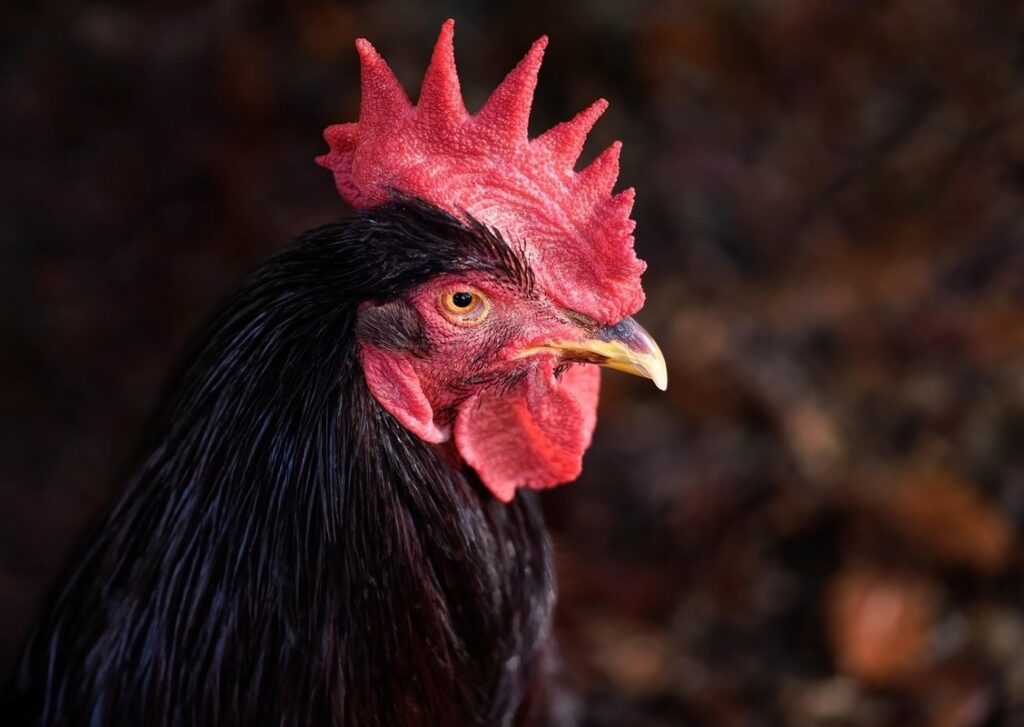
Their plumage is another distinctive feature, characterized by a mix of soft, fluffy feathers and harder, more protective outer layers. Rhode Island chickens have a single comb on top of their heads, which can be red or buff in color, depending on the individual bird’s genetics. Their beak shape is medium-sized and straight, perfect for pecking at grains and seeds.
When it comes to breeders, look for birds with well-laid feathers and a sturdy stance. You can also check for the correct size and proportion by comparing your chickens to others of the same breed.
Temperament and Personality
One of the most appealing aspects of Rhode Island chickens is their temperament and personality. Known for being friendly and docile, these birds make excellent pets for families with children. Their gentle nature allows them to thrive in small backyards or even indoor spaces, making them an ideal choice for urban dwellers.
Rhode Island chickens are adaptable to different living situations and can adjust easily to changes in their environment. This flexibility makes them a great option for those who value ease of care. They are also relatively quiet birds, which is a bonus for anyone living in close proximity to neighbors or with noise restrictions.
Their friendly nature extends beyond their human interactions; they often get along well with other chickens, making them suitable additions to existing flocks. However, it’s essential to introduce them slowly and under close supervision to prevent any conflicts.
Egg-Laying Abilities
Rhode Island chickens are renowned for their impressive egg-laying abilities, making them an excellent choice for backyard chicken keepers and small-scale farmers. On average, a healthy Rhode Island Red hen will lay around 200-220 brown eggs per year, with some reports of up to 300 eggs in ideal conditions. Their egg weight typically ranges from 2 to 3 ounces (55-85 grams), making them well-suited for baking and cooking.
In terms of daily production, Rhode Island hens tend to lay one large egg every 24-26 hours. This is impressive considering their moderate-sized frame and relatively low-maintenance lifestyle. To encourage maximum egg-laying potential, it’s essential to provide your flock with a balanced diet, adequate space, and regular exercise.
If you’re planning to keep Rhode Island chickens for eggs, be prepared to collect daily as they can be prolific layers. With proper care and management, these birds will reward you with an abundance of fresh, delicious eggs throughout the year.
Health Considerations for Rhode Island Chickens
When keeping Rhode Island chickens, it’s essential to consider their health needs to ensure a happy and healthy flock. In this section, we’ll discuss specific considerations that affect these birds in particular.
Common Health Issues
As a Rhode Island chicken owner, it’s essential to be aware of the common health issues that can affect these birds. One of the most prevalent problems is external parasites like mites and lice. These tiny creatures feed on the blood and oils from your chickens’ skin, causing discomfort, stress, and even anemia if left untreated. Regular inspections and prompt removal are crucial to prevent infestations.
Respiratory issues are another concern for Rhode Island chickens. The breed’s compact size can make it more prone to breathing difficulties, especially in hot or humid environments. Signs of respiratory problems include labored breathing, wheezing, and loss of appetite. To mitigate this risk, ensure your coop is well-ventilated, provide adequate space per bird, and keep the area clean.
If you notice any unusual behavior or symptoms, consult with a veterinarian to diagnose and treat the issue promptly. Regular check-ups and preventative measures can help prevent common health problems in Rhode Island chickens, ensuring they remain healthy and thrive under your care.
Nutrition and Diet Requirements
When it comes to the nutritional needs of Rhode Island chickens, providing them with a balanced diet is crucial for their overall health and well-being. These birds require a mix of protein, carbohydrates, fats, vitamins, and minerals to maintain optimal health.
A good quality layer feed should form the bulk of their diet, providing around 16-18% protein content. However, it’s also essential to supplement their diet with fresh fruits and vegetables, such as leafy greens, carrots, and sweet potatoes. Fresh water should always be available for them to drink.
Poor nutrition can lead to a range of health issues in Rhode Island chickens, including weakened immune systems, malnutrition, and increased susceptibility to diseases. For example, a lack of calcium in their diet can cause eggshell thinning or egg binding. Similarly, inadequate vitamin D3 levels can lead to rickets or softened bones.
To ensure your Rhode Island chickens receive the nutrients they need, consider using a nutrient-rich feed specifically formulated for laying hens. You should also provide a variety of fresh foods daily, and consider adding supplements such as crushed oyster shells for calcium support.
Tips for Maintaining Optimal Health
When it comes to maintaining optimal health for your Rhode Island chickens, regular check-ups with a veterinarian are essential. Schedule annual vaccinations and parasite control measures to prevent common diseases such as Newcastle disease and avian influenza. Additionally, monitor your flock’s water quality regularly, ensuring it is fresh and clean at all times.
Implementing proper sanitation practices within the coop and run will also contribute significantly to maintaining healthy chickens. Regularly clean out droppings, maintain good ventilation, and disinfect surfaces with a pet-safe cleaning solution. Consider integrating natural elements like diatomaceous earth or apple cider vinegar into your parasite control routine for added protection.
A balanced diet consisting of nutrient-rich feed is crucial for optimal health. Opt for a high-quality commercial layer feed or consult with a veterinarian to create a customized feeding plan tailored to your flock’s specific needs. Ensure access to fresh water, calcium supplements, and adequate space for exercise.
By adhering to these guidelines, you’ll be well on your way to creating a healthy environment that promotes the overall well-being of your Rhode Island chickens.
Housing and Care for Rhode Island Chickens
When it comes to keeping Rhode Island chickens, providing a safe and comfortable living space is crucial. This section will cover essential tips on housing and care to ensure your flock thrives.
Coop Design and Layout
When it comes to housing and caring for Rhode Island chickens, providing an ideal coop design and layout is crucial. These birds are energetic and require ample space to move around, scratch, and exercise.
A minimum of 3-4 square feet per bird inside the coop and 8-10 square feet in the run is recommended. This will help prevent overcrowding and reduce stress on your flock. Make sure the coop has adequate ventilation to keep your chickens cool in summer and draft-free in winter. A well-designed coop should have windows, a roof vent, or other features that allow for airflow.
Predator protection is also essential. Consider adding hardware cloth around the run’s perimeter, burying it 12 inches deep, to prevent digging predators like raccoons and foxes from getting inside. You can also add a covered top or a netted enclosure to protect against aerial threats like hawks and owls.
Remember that local building codes may apply, so be sure to check with your municipality before constructing a coop. With these considerations in mind, you’ll be well on your way to creating a safe, healthy environment for your Rhode Island chickens.
Perches, Nesting Boxes, and Other Essentials
When it comes to housing and caring for your Rhode Island chickens, providing a well-designed coop with essential equipment is crucial. One of the most important features to consider is perches. Rhode Island chickens are active birds that need space to roost at night, so install sturdy perches made of durable materials like wood or metal. Aim for one perch per bird, and make sure they’re at least 3-4 feet off the ground.
Nesting boxes are another vital component of a chicken coop. Rhode Island hens typically lay around 200 large brown eggs per year, and they need a safe place to do so. Install one nesting box per 3-4 birds, and position them in a quiet, draft-free area. Line the boxes with soft bedding like straw or wood shavings to make egg-laying comfortable for your hens.
Don’t forget about feeders! A clean, easily accessible feeder is essential for keeping your chickens healthy. Consider using a gravity-fed feeder that allows birds to eat without having to scratch around for food. This will help keep the coop clean and reduce waste.
Fencing and Run Requirements
When it comes to housing and caring for your Rhode Island chickens, one of the most crucial aspects is providing them with a secure enclosure that prevents escape and protects them from predators. A sturdy fence around their run is essential to ensure the safety and well-being of your birds.
A good rule of thumb is to surround your chicken’s run with a fence that stands at least 3 feet high, made from durable materials such as wood or metal. The bottom of the fence should be buried at least 12 inches underground to prevent digging escape artists from burrowing under the fence.
For added security, consider adding a roof or netting over the top of the run to prevent aerial predators like hawks and owls from swooping in. You can also use hardware cloth or chicken wire with openings of no more than 1 inch to prevent snakes and other small animals from slithering through.
Remember, a secure fence and run are not only essential for your chickens’ safety but also for maintaining good health and preventing disease spread. By investing time and effort into creating a safe and secure enclosure, you’ll be able to enjoy the many benefits of backyard chicken keeping with peace of mind.
Raising Rhode Island Chickens: Tips and Tricks
When it comes to raising your very own Rhode Island chickens, you’ll want to know how to provide them with a happy, healthy environment that encourages egg-laying and growth. We’ve got you covered!
Choosing Healthy Chicks or Pullets
When selecting healthy chicks or pullets for your Rhode Island flock, it’s essential to look beyond their adorable appearance. A few key signs can indicate whether a chick is robust and ready to thrive.
First, check for a good amount of body weight, especially around the breast area. Healthy chicks should feel substantial in your hands, not light and fragile. Look for well-feathered birds with shiny, clean plumage. A smooth, unblemished beak is also a good sign.
However, some red flags to watch out for include labored breathing, discharge from the eyes or nostrils, or visible signs of mites or lice. Check for gaps in the feathers around the vent area, which can indicate internal parasites.
When purchasing chicks or pullets, ensure you’re buying from a reputable breeder who prioritizes health and genetics. Don’t be afraid to ask questions about the birds’ lineage, vaccination status, and overall well-being. By doing your research and taking the time to inspect potential additions to your flock, you’ll set them up for success and long-term happiness.
Brooding and Early Development
When it comes to raising Rhode Island chickens, the critical period of brooding and early development is crucial for their growth and health. This stage typically begins when the chicks hatch and lasts until they reach around four weeks old. During this time, you’ll need to provide them with a safe, warm, and nourishing environment.
Start by setting up a brooder or a designated area for your chicks, which should be draft-free and protected from predators. The ideal temperature range for Rhode Island chickens during this stage is between 90°F and 100°F (32°C to 38°C) for the first week, gradually decreasing by 5-10°F each week thereafter.
Proper feeding and watering are also essential. Provide a starter feed specifically formulated for young chicks, which should be placed in a clean, shallow dish that’s easily accessible. Make sure to provide fresh water at all times, using a waterer designed for young birds.
In terms of feeding, it’s recommended to follow the manufacturer’s guidelines on chick starter feed as well as any additional supplements or treats you may offer.
Integrating New Chickens into Your Flock
When introducing new Rhode Island chickens to your existing flock, it’s essential to do so gradually and with careful planning. This helps prevent stress and potential conflicts between the birds. Start by keeping the newcomers separate from the main flock for a few days, allowing them to get accustomed to their new surroundings.
Once they seem comfortable, you can begin introducing them to each other under close supervision. Begin with visual introductions – let them see and smell each other without direct contact. If things go smoothly, you can gradually increase face-to-face interactions while keeping an eye out for signs of stress or aggression.
It’s also crucial to ensure that the newcomers are integrated at a time when your existing flock is not in a state of high stress, such as during molting season. A smooth transition typically takes some patience and observation, but with careful planning and attention to body language, you can minimize the risk of conflict and create a harmonious atmosphere within your coop.
Show-Ready Rhode Island Chickens: Tips and Techniques
Want to showcase your Rhode Island chickens at their best? This section shares expert tips on how to prepare them for competitions, shows, and exhibitions.
Grooming and Feathers
When it comes to preparing your Rhode Island chickens for the show ring, proper grooming and feather care are essential components of their overall appearance. A clean and well-groomed bird can make all the difference in impressing judges and standing out from the competition.
First and foremost, regular bathing is crucial to keep your chicken’s feathers clean and healthy-looking. This can be as simple as sprinkling a small amount of cornstarch on their wings, tail, and back, followed by a gentle brushing with a soft-bristled brush. You should also pay attention to removing any tangles or mats that may have developed in the feathering.
Another crucial aspect is maintaining clean vents and legs. Use a mild soap solution specifically designed for chickens to gently scrub these areas, making sure to remove any dirt or debris that may be present. Regular nail trimming is also vital to prevent overgrowth, which can lead to discomfort and health issues.
For show-ready birds, the focus should be on achieving a sleek, even coat of feathers. This means paying attention to fluffing out the chest and belly areas, as well as working with the natural angles of the wings and tail to create a balanced look.
Breeding and Selection Criteria
When breeding and selecting show-quality Rhode Island chickens, it’s essential to focus on genetics and conformation. Start by evaluating the parents of your flock for desirable traits such as egg-laying ability, hardiness, and temperament. Look for birds with a strong, straight back, well-placed wings, and a compact, muscular body.
Consideration should also be given to breed-specific characteristics, such as the Rhode Island Red’s signature reddish-brown plumage. Select individuals that exhibit these traits consistently, rather than those with random or unattractive markings.
To improve your flock’s overall quality, incorporate genetics from reputable, show-winning bloodlines into your breeding program. This will not only enhance conformation but also increase egg production and hardiness.
Show Preparation and Handling Tips
When it comes to showing off your prized Rhode Island chickens, presentation is everything. To ensure you and your birds make a great impression at the show, it’s essential to focus on calm behavior and confident presentation.
First and foremost, handle your birds regularly to help them become desensitized to human touch. This will not only make them more relaxed in the presence of strangers but also reduce the likelihood of stress-induced aggression. Spend time with each bird, gently petting, stroking, or simply sitting quietly with them – this will help them associate humans with positive interactions.
To promote calm behavior at shows, try keeping your birds’ enclosures in a quiet area, away from loud crowds and noisy equipment. Avoid over-crowding their space, as this can exacerbate stress levels. Make sure to provide plenty of food, water, and ventilation to keep them comfortable throughout the day.
When presenting your birds, remember to stand confidently with them, maintaining good posture and eye contact. This will help convey a sense of self-assurance and showcase your bird’s best features.
Frequently Asked Questions
Can Rhode Island chickens be kept with other breeds?
Yes, Rhode Island chickens can thrive in a flock with other breeds, but it’s essential to introduce them gradually and under close supervision to prevent conflicts. Start by housing them separately until they’re familiar with each other, then gradually integrate them into the same coop.
What are some common health issues affecting Rhode Island chickens?
Rhode Island chickens are generally hardy birds, but like all breeds, they can be susceptible to certain health issues, such as Marek’s disease and reproductive problems. Keep an eye out for signs of illness, maintain a clean living environment, and provide regular vaccinations to help prevent these issues.
How do I ensure my Rhode Island chickens receive optimal nutrition?
A balanced diet is crucial for your Rhode Island chickens’ overall health and egg-laying abilities. Provide them with high-quality commercial feed as the main staple, supplemented with fresh fruits, vegetables, and scratch grains in moderation. Ensure access to clean water at all times, and consider offering calcium-rich foods to support strong bone development.
Can I raise Rhode Island chickens for eggs or meat production?
Yes, Rhode Island chickens are well-suited for both egg and meat production. For egg production, provide them with a balanced diet and ensure adequate light exposure (14-16 hours of light per day) to maximize egg-laying. For meat production, consider raising them on pasture or in a coop with plenty of space for exercise.
How do I prepare my Rhode Island chickens for showing?
If you plan to show your Rhode Island chickens, it’s essential to focus on developing their physical characteristics and temperament. Start by selecting birds with desirable traits, such as rich red plumage and a calm demeanor. Provide regular grooming and training to help them become confident show birds.