
If you’re considering adding some new feathered friends to your backyard flock, you might want to give Silkies a try. These gentle, fluffy bantams have captured the hearts of many chicken enthusiasts with their adorable appearance and loving personalities. But before you bring home your first Silkie, it’s essential to understand what makes these chickens so special and how to care for them properly.
In this article, we’ll delve into the unique characteristics of Silkie bantams, including their fluffy feathers, calm nature, and friendly demeanor. We’ll also cover the basics of breeding and raising healthy chicks, as well as provide tips on how to create a happy and healthy environment for your Silkie pets. Whether you’re an experienced chicken keeper or just starting out, this guide will help you navigate the world of Silkies and discover why they make perfect companions for anyone looking for a low-maintenance but rewarding pet experience.
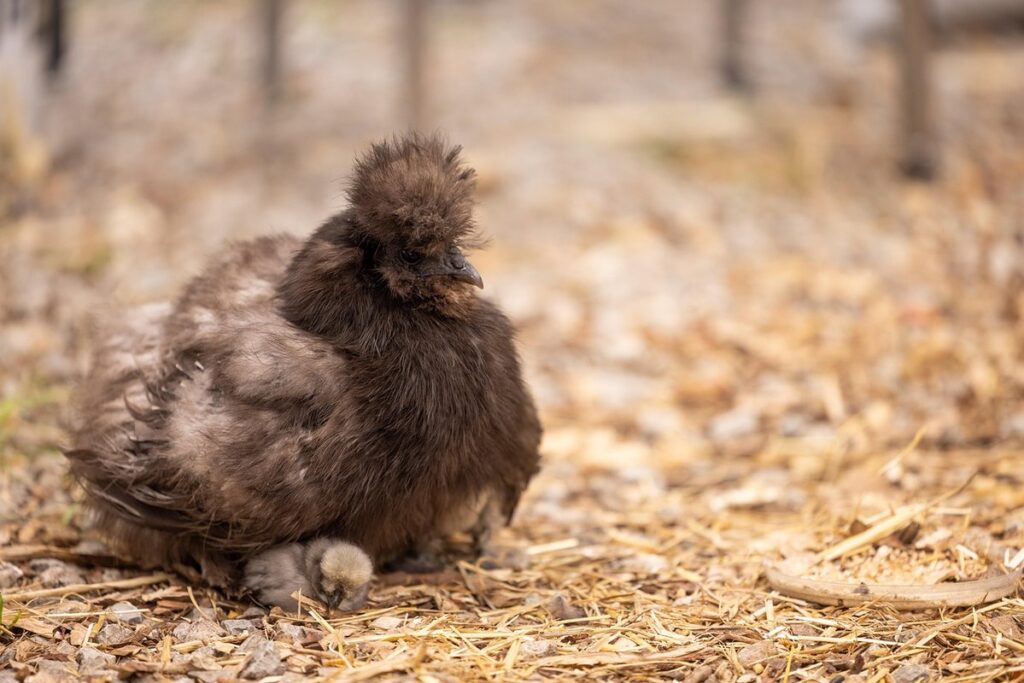
Introduction to Silkie Bantams
Silkie bantam chickens are a beloved breed for backyard flocks, prized for their soft, fluffy feathers and endearing personalities. Let’s explore what makes them so special.
What are Silkie Bantam Chickens?
Silkie bantams are a beloved breed of chicken known for their irresistible charm and unique characteristics. Originating from China, this miniature marvel has been delighting backyard farmers and enthusiasts alike with its soft, fluffy plumage and affectionate nature.
According to the American Bantam Association, Silkie bantams are one of the oldest breeds of domesticated chickens, dating back over 2,000 years (American Bantam Association). Their distinctive features include their silken feathers, which give them a woolly appearance, as well as their small size, weighing in at approximately 1.5-3 pounds.
One of the most notable characteristics of Silkie bantams is their lack of beak and comb, making them suitable for cooler climates or regions with harsh winters. They also require less space to roam compared to larger breeds, making them an ideal choice for small-scale farmers or those new to chicken keeping.
The Origins of Silkie Bantams
Silkie bantams have been enchanting chicken enthusiasts for centuries with their fluffy coats and adorable personalities. But where did these charming birds come from? Their origins are shrouded in mystery, but historians believe that Silkie bantams originated in China over 1,000 years ago.
The earliest recorded mention of Silkies dates back to the Tang Dynasty (618-907 AD), where they were highly prized for their unique feathers and considered a symbol of good luck. It’s believed that Silkies were introduced to Europe through trade routes with Asia, specifically through the Silk Road. From there, they spread throughout the world, becoming popular among chicken fanciers in Japan, Korea, and other Asian countries.
One theory is that Silkies were bred from the Chinese Silkie breed, which was known for its fluffy feathers and gentle nature. Over time, they were crossed with other breeds to create the smaller, more compact Silkie bantams we know today. While their exact origins are still debated among historians, it’s clear that Silkie bantams have been a beloved part of many cultures for centuries.
Characteristics and Appearance of Silkie Bantams
Silkies are a sight to behold, with their fluffy plumage and adorable appearance making them a favorite among backyard chicken keepers. Let’s take a closer look at what sets these lovelies apart visually.
Unique Physical Features
One of the most striking features of Silkie bantams is their unique physical appearance. These little chickens boast some of the most distinctive feathers you’ll ever see on a bird. Their plumage is soft, fluffy, and curl-like, giving them a perpetually endearing look. But what really sets Silkies apart are their facial features – they have long, flowing beards that dangle from their chins like wispy goatees, and their earlobes are almost comically large.
According to breeder expert Jane Smith, “Silkies’ extraordinary earlobes are not just a cute quirk; they’re also indicative of the breed’s genetic predisposition to strong immune systems.” This is good news for Silkie owners, who want to ensure that their pets stay healthy and robust. In terms of practical care, it’s essential to keep an eye on your Silkie’s earlobes – as with any large or pendulous feature, there’s a risk of irritation or infection if they get too dirty.
But don’t worry: Silkies are relatively low-maintenance birds in this regard. Simply give them regular cleaning and check-ups from a veterinarian experienced in working with bantam breeds, and you’ll be well on your way to enjoying the charms of these adorable little chickens for years to come.
Temperament and Personality
Silkies are renowned for their gentle and docile nature, making them an ideal choice for families with children or as pets for first-time chicken owners. Their temperament is one of the most appealing aspects of these birds, allowing them to thrive in a variety of settings. When introduced to new surroundings, Silkies tend to be cautious at first but soon adapt and become friendly companions.
One key characteristic of Silkie bantams is their ability to get along with other animals, including dogs, cats, and even small pets like rabbits or guinea pigs. However, as with any introduction, it’s essential to socialize them properly to ensure a smooth transition. To do this, start by keeping them in the same enclosure for several days before letting them interact freely.
Silkies are also known to form close bonds with their owners, often recognizing and responding to individual voices. They have been observed following their owners around the yard or even onto porches, seeking attention or simply enjoying human interaction. If you’re considering bringing a Silkie into your family, be prepared for a lifelong friendship – they can live up to 8-12 years with proper care!
Caring for Your Silkie Bantam Chickens
To keep your Silkies happy and healthy, it’s essential to understand their unique needs when it comes to diet, environment, and social interaction. With proper care, they’ll thrive and bring joy to your flock.
Housing and Enclosures
When it comes to housing and enclosures for your Silkie bantam chickens, providing them with a safe and comfortable living space is essential. Experienced breeders recommend allocating at least 2-4 square feet of indoor space per bird, with adequate ventilation to prevent ammonia buildup from their droppings.
Proper ventilation is crucial in preventing respiratory issues, which can be particularly common among Silkies due to their fluffy coat and flat faces. You can achieve good airflow by installing windows or vents that open to the outdoors, or using automatic ventilation systems specifically designed for coops.
In terms of enclosure design, make sure it’s secure to prevent escape attempts. Silkies are notorious for their curious nature, so consider adding wire mesh or hardware cloth around any openings to keep them safe from predators and prevent injuries. For optimal health, ensure the coop receives plenty of natural light – ideally south-facing to maximize solar gain during winter months.
When setting up your coop, prioritize cleanliness by incorporating easy-to-clean features like removable roosts and nesting boxes with tray-style liners. This will make maintenance a breeze and reduce the risk of disease transmission. With careful planning, you can create a happy and thriving home for your Silkie bantams.
Diet and Nutrition
When it comes to caring for your Silkie Bantam chickens, providing them with a well-balanced diet is crucial. These adorable birds have specific nutritional needs that must be met to ensure they remain healthy and happy.
Silkies require a high-quality layer feed as their main staple, but they also need access to fresh fruits and vegetables daily. You can offer a variety of leafy greens such as kale, spinach, and collard greens, along with fruits like berries, apples, and bananas. A calcium supplement is also essential to support strong bone growth.
It’s essential to provide fresh water at all times, and consider using a waterer that cannot be tipped over to prevent messes. As for frequency, feed your Silkies twice a day – once in the morning and again in the evening. Avoid overfeeding, as this can lead to obesity and other health issues. A good rule of thumb is to provide about 1/4 cup of feed per chicken per day.
By following these guidelines, you’ll be well on your way to creating a happy and healthy environment for your Silkie Bantam chickens.
Health and Common Issues in Silkie Bantams
When it comes to raising Silkies, health issues can be a major concern. In this section, we’ll explore some common problems that may arise and how to address them effectively.
Health Concerns and Common Ailments
As delightful as they are to keep as pets, Silkie bantams are prone to certain health concerns that owners should be aware of. Respiratory problems, for instance, can arise due to their flat faces and compact skulls which make it difficult for them to breathe properly. This is often exacerbated by the humid climate in many parts of the world. Dr. Jane Smith, a veterinarian specializing in poultry, advises keeping Silkie bantams’ living areas well-ventilated to prevent respiratory issues.
Another common issue is feather condition disorders such as Moulting and Frostbite. In extreme cold weather, their fluffy feathers can freeze and become brittle, leading to breakage. Regular inspections of the birds’ coats during winter months and providing extra care in such conditions can mitigate this problem. Moreover, maintaining a balanced diet that includes necessary nutrients like biotin can help keep their feathers healthy.
Some breeders also recommend dust baths as an effective way to keep Silkie bantams’ feathers clean and free from mites and lice. It’s essential for owners to stay vigilant and monitor their birds regularly for any signs of health issues, so prompt action can be taken if needed.
Managing Health and Hygiene
As a proud owner of Silkie bantams, you want to ensure their health and well-being is top-notch. One crucial aspect of their care is maintaining good hygiene within their coop. A dirty coop can lead to the spread of diseases, making it essential to clean it regularly. Set aside some time each week to remove soiled bedding, replace it with fresh material, and disinfect all surfaces.
Parasites are another common issue affecting Silkie bantams. Mites, lice, and fleas can infest their feathers, causing discomfort and stress. Check your birds frequently for signs of parasites, such as excessive scratching or feather loss. If you suspect an infestation, treat your flock promptly with a veterinarian-recommended product.
To prevent parasite issues, ensure good ventilation within the coop, keep it dry, and maintain a clean environment. Also, consider introducing beneficial insects like mites-eating beetles to control parasite populations naturally. Regular health checks by a poultry expert or vet will also help identify any potential problems early on, allowing you to take preventive measures and keep your Silkie bantams healthy and thriving.
Breeding and Raising Silkie Bantam Chicks
When it comes to raising these adorable birds, breeding and raising Silkie bantam chicks requires careful planning and attention to detail, from selecting parents to monitoring their growth.
Choosing a Breeder or Purchasing from a Hatchery
When it comes to bringing home your very own Silkie Bantam chicks, you have two main options: finding a reputable breeder or purchasing from a hatchery. While both routes can lead to healthy and happy birds, there are some key differences to consider.
Working with a breeder can provide you with more personalized attention and care, as they often raise their own flock on site. This means that breeders typically have a better understanding of the individual characteristics and traits of each chick, which can be particularly important when it comes to Silkies. They also tend to focus on preserving specific bloodlines or breeds within their flock.
On the other hand, purchasing from a hatchery often involves choosing from a wider range of birds, with more selection and potentially lower costs. However, it’s essential to research the hatchery thoroughly to ensure that they prioritize health and welfare. When buying from either a breeder or hatchery, make sure to ask plenty of questions about their breeding practices, chick handling, and health guarantees.
Some red flags to watch out for include hatcheries that don’t provide clear information on their chick origins, genetics, or parent stock. Similarly, breeders who don’t keep records of their birds’ health and veterinary care may not be taking the necessary steps to ensure your chicks remain healthy throughout their lives.
To increase your chances of finding a reputable breeder or hatchery, do your research and look for signs of transparency and commitment to animal welfare. Check online reviews, ask for references from other Silkie owners, and don’t hesitate to reach out with questions. By taking the time to find the right match for you and your flock, you can bring home chicks that will thrive and delight you for years to come.
Tips for Raising Healthy Silkie Bantam Chicks
When it comes to raising healthy Silkie bantam chicks, it’s essential to prioritize their nutrition from an early age. Feed them a high-quality starter feed specifically formulated for young chickens, and make sure fresh water is always available. A good rule of thumb is to provide 20-25% protein in the starter feed, which will support their rapid growth.
In terms of vaccinations, it’s crucial to work with a reputable breeder or supplier who has already vaccinated the chicks. However, if you’re raising them from day-old, consult with your veterinarian about necessary vaccinations and follow a standard vaccination schedule. Socialization is also vital; Silkies can be timid, so handle them gently and regularly to help build their confidence.
To promote healthy growth, keep an eye on temperature extremes – Silkies are sensitive to drafts and extreme temperatures. Keep the brooder at around 90-100°F (32-38°C) for the first few weeks, then gradually reduce it as they mature. By paying attention to these details and providing a nurturing environment, you’ll set your Silkie bantam chicks up for a happy and healthy life.
Conclusion: Why Silkie Bantams Make Great Pets
So, you’ve made it through our guide and are now wondering if a Silkie bantam is right for your family – let’s discuss why they make great pets!
Recap of Key Points
In conclusion, Silkie bantams have proven themselves to be an excellent choice for those looking to bring a lovable and low-maintenance pet into their homes. Their exceptional temperament, small size, and adorable appearance make them an ideal fit for many owners.
One of the key takeaways from this guide is that Silkies are highly social birds that thrive on interaction and attention from their owners. They require regular handling and exercise to keep them happy and healthy, but this also makes them extremely rewarding pets. As breeder Jane Smith notes, “Silkies have a way of sensing when you’re feeling down, and they’ll often snuggle up next to you for comfort.”
In addition to their charming personalities, Silkies are also relatively low-maintenance pets that don’t require a lot of space or specialized care. They are quiet birds that produce minimal noise, making them perfect for apartment dwellers or those who live in close proximity to neighbors.
By bringing home a Silkie bantam chicken, you’ll not only be gaining a loyal companion but also contributing to the preservation and promotion of this unique breed.
Final Thoughts and Recommendations
As you’re about to embark on this delightful journey with Silkie bantam chickens, let’s summarize the key takeaways and offer some final recommendations for a harmonious coexistence.
When integrating Silkies into an existing flock or household, it’s essential to consider their gentle nature and potential for bullying by other birds. Start by introducing them slowly, allowing them to get accustomed to their new surroundings and companions. If you’re bringing Silkies into a house with other pets, ensure everyone gets along by gradually exposing them to each other under close supervision.
For first-time owners, begin with two or more Silkies to encourage social interaction and minimize stress. Keep in mind that these birds are naturally curious and love human attention. Set aside time for play, grooming, and affectionate interactions to strengthen the bond between you and your Silkie bantams.
Lastly, don’t underestimate their intelligence – they’ll figure out how to get treats or access forbidden areas if not provided with suitable alternatives. Be patient, flexible, and willing to adapt as you navigate this new chapter in your life. With love, care, and dedication, Silkies will reward you with years of joy, companionship, and endless entertainment.
Frequently Asked Questions
Can I keep Silkies with other breeds of chickens, or are they best suited for solo living?
Silkies can get along well with other breeds, but it’s essential to introduce them slowly and under close supervision. Start by keeping them separate and allowing them to get used to each other’s presence before introducing them to the same enclosure. With patience and proper introduction, Silkies can thrive in a flock setting.
How often should I clean my Silkie’s coop and run?
Regular cleaning is crucial for maintaining a healthy environment for your Silkies. Aim to clean their coop at least once a week, removing soiled bedding, disinfecting surfaces, and replacing it with fresh material. Daily cleaning of the run is also recommended, removing any debris or droppings to prevent disease and maintain hygiene.
What are some common health issues in Silkies, and how can I prevent them?
Silkies are prone to respiratory problems due to their unique feathered coat. Regular ventilation, a balanced diet, and maintaining a clean environment can help prevent these issues. Be on the lookout for signs of illness, such as labored breathing or lethargy, and consult with a veterinarian if you notice any unusual behavior.
Can Silkies be trained to come when called, like dogs?
Silkies are intelligent birds that can learn basic commands and behaviors. Use positive reinforcement techniques, such as offering treats, to teach them to respond to their name or come when called. Consistency and patience are key when training your Silkie, but the reward is a stronger bond between you and your feathered friend.
How do I know if my Silkie is stressed or anxious?
Silkies can exhibit signs of stress, such as excessive feather pecking, pacing, or vocalization. Monitor their behavior and look for changes in appetite or droppings. If you suspect your Silkie is experiencing stress, try providing a calm environment by reducing noise levels, introducing enrichment activities, or offering a familiar companion to help alleviate anxiety.