
Raising silkie chicks can be a delightful experience for any backyard chicken enthusiast. These adorable, fluffy birds bring endless joy to many families, but they also require specialized care to thrive. As you prepare to welcome your new silkie chicks into your home, it’s essential to understand their unique needs and provide the best possible environment for them to grow. In this comprehensive care guide, we’ll walk you through everything from nutrition and health to socialization and beyond. By following our expert advice, you’ll be well-equipped to raise happy, healthy silkie chickens that will bring joy to your family for years to come. Whether you’re a seasoned breeder or a beginner, this article is packed with practical tips and essential information to help you succeed in raising these lovable birds.
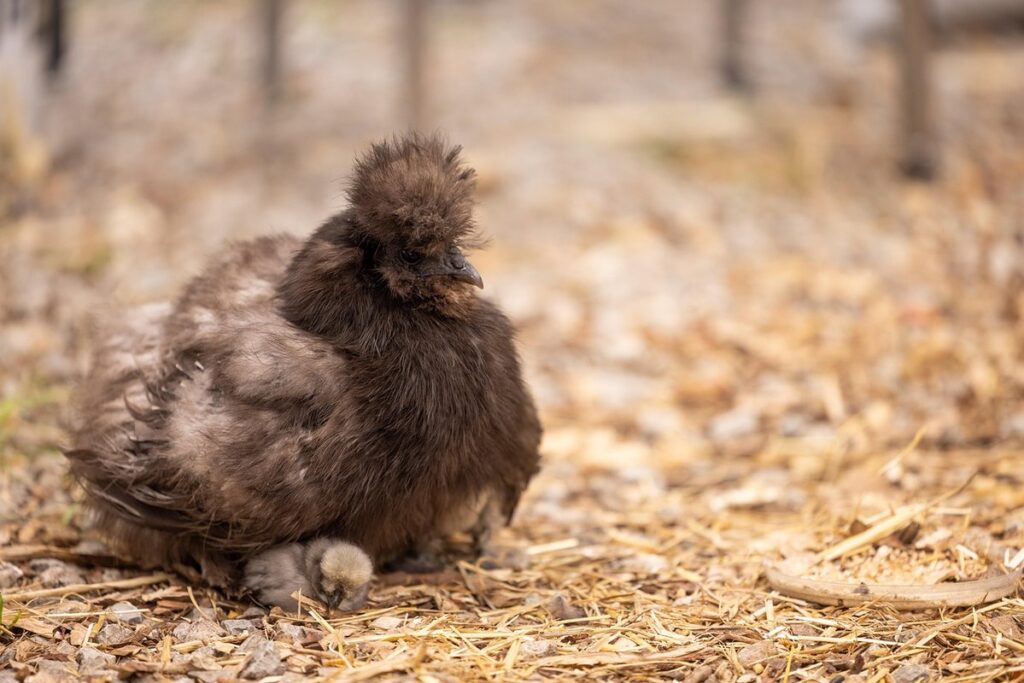
Introduction to Silkie Chicks
Let’s start by learning what makes silkie chicks so special, and how you can bring these adorable birds into your home as a pet. They’re more than just cute faces!
What are Silkie Chicks?
Silkie chicks are a beloved breed known for their fluffy, soft feathers and gentle nature. Originating from Asia, specifically China, these adorable birds have been prized as pets and show birds for centuries. In fact, it’s said that Silkies were first bred by Chinese farmers to provide companionship and entertainment.
Today, Silkie chicks remain incredibly popular among backyard chicken keepers and poultry enthusiasts alike. Their soft feathers make them a joy to handle and interact with, and their friendly demeanor makes them an excellent choice for families with children or those looking for a low-maintenance pet. One reason why Silkies are so well-liked is that they come in a variety of colors and patterns, including white, black, blue, buff, and more.
As pets, Silkie chicks require regular care and attention to thrive. This includes providing a nutritious diet, clean living space, and proper vaccinations. But with their unique appearance and endearing personalities, the effort is well worth it for many enthusiasts who fall in love with these charming birds.
Benefits of Keeping Silkie Chicks
Raising Silkie chicks can be an incredibly rewarding experience, offering numerous benefits for both you and your family. One of the most significant advantages is the entertainment value they provide. These adorable, fluffy birds are sure to bring a smile to your face with their playful antics and curious nature.
In addition to being a joy to watch, Silkie chicks are also relatively low maintenance pets. They require minimal space and can thrive in small backyards or even indoor enclosures. This makes them an ideal choice for city dwellers or those with limited space. With proper care and attention, Silkie chicks can live up to 10-15 years, providing a long-term companion for your family.
For children, raising Silkie chicks can be a valuable learning experience. They can teach kids about responsibility, empathy, and the importance of caring for another living creature. Children can help with daily tasks such as feeding, grooming, and monitoring the health of their feathered friends. By participating in these activities, kids can develop essential life skills while forming a strong bond with their Silkie chicks.
Choosing Healthy Silkie Chicks
When selecting healthy silkie chicks, there are several factors to consider, such as breed reputation, parent stock health, and individual chick appearance. Look for signs of vitality in your new additions.
Selecting the Right Breeders
When it comes to selecting healthy Silkie chicks, finding reputable breeders is crucial. You want to ensure that you’re getting chicks from a breeder who prioritizes their health and well-being over profits. So, where do you start?
First, research local and online breeders to get an idea of their reputation. Check out their website, social media, or ask for referrals from fellow Silkies enthusiasts. Look for red flags such as poor reviews, inconsistent breeding practices, or chicks sold at suspiciously low prices.
You can also check with local poultry associations or clubs to see if they have any breeders in good standing. Many breeders will be members of these organizations and adhere to their codes of ethics.
Once you’ve narrowed down your list, reach out to the breeder directly to ask questions about their breeding practices, chick health protocols, and vaccination policies. A reputable breeder should be transparent about these processes and provide clear answers to your questions.
Don’t be afraid to ask for references or visit the breeder in person if possible. A good breeder will want to show you around their facilities and introduce you to their chicks.
Signs of Healthy Silkie Chicks
When checking for signs of healthy Silkie chicks, there are several physical and behavioral characteristics to look out for. One obvious indicator is plumpness. Healthy chicks should have a rounded appearance, with no visible emaciation or gauntness. Check their belly area, as this is often the first place to show signs of malnutrition.
Another critical aspect is the condition of their eyes. Clear, shiny eyes are essential for healthy vision and overall well-being. Be cautious if you notice any redness, discharge, or cloudiness, which could be indicative of an underlying issue such as conjunctivitis or a respiratory infection.
Active behavior is also a key indicator of a healthy Silkie chick. They should move around easily, peck at food and water with interest, and exhibit normal levels of curiosity and playfulness. On the other hand, lethargy or listlessness could be signs that something is amiss.
By observing these physical and behavioral traits, you can get an early indication of whether your Silkie chicks are thriving or need extra care and attention. Remember, it’s always better to err on the side of caution when introducing new birds to your flock, so don’t hesitate to quarantine any chicks showing signs of illness or stress.
Caring for Your Silkie Chicks
Now that you’ve brought home your adorable silkie chicks, it’s essential to learn how to care for them properly to ensure their health and happiness. This section will walk you through the basics of chick care.
Housing and Environment
When it comes to housing your Silkie chicks, providing an environment that mimics their natural habitat is crucial for their growth and development. Temperature control is vital; Silkies are sensitive to extreme temperatures, so a consistent range of 68-75°F (20-24°C) is ideal. To achieve this, you can use a heat source such as a heat lamp or ceramic heat emitters, but ensure they’re placed safely out of reach.
Ventilation is also essential for maintaining air quality and preventing respiratory issues. Provide ample space for fresh air to circulate by ensuring your enclosure has adequate windows, vents, or a door that opens easily. A general rule of thumb is to provide at least 1-2 square feet of floor space per chick. Consider adding a roosting bar or perch for the chicks to climb on, as Silkies love to jump and play.
In terms of space requirements, Silkies grow relatively quickly, so plan ahead and set up an enclosure that can accommodate them as adults. A minimum size of 2x3x4 feet is recommended, but bigger is always better when it comes to giving your Silkie chicks room to roam.
Nutrition and Feeding
When it comes to feeding Silkie chicks, providing a balanced diet is crucial for their growth and development. From hatch to maturity, Silkie chicks require a nutrient-rich diet that supports their rapid growth rate. For the first 4-6 weeks after hatching, feed a starter feed specifically formulated for young chickens.
A good quality starter feed should contain around 18-20% protein, as this will support muscle growth and development. You can also supplement their diet with crushed oyster shells or grit to help with calcium absorption and digestive health. As they grow older, you can gradually introduce layer feed, which typically contains around 16-18% protein.
It’s essential to provide fresh water at all times, and make sure the feeding area is clean and free from contamination. A general rule of thumb is to provide about 1/4 cup of food per chick per day, adjusting as needed based on individual needs. Remember to also provide treats like leafy greens or fruits in moderation to keep them healthy and happy.
Remember to transition your Silkie chicks gradually to new foods and supplements to prevent digestive upset. With proper nutrition, your Silkie chicks will grow into healthy, thriving adult birds.
Health Considerations for Silkie Chicks
When it comes to raising silkie chicks, their unique characteristics can sometimes pose health concerns that new owners should be aware of. We’ll cover some common issues and tips to keep your silkies healthy.
Common Health Issues
Silkie chicks are known for their adorable fluffy coats and gentle nature, but they can be prone to certain health issues. Respiratory problems are a common concern among Silkie breeders, as these chicks can be more susceptible to respiratory diseases due to their unique coat structure. The tight, curly feathers on Silkie chicks can trap moisture and create an ideal environment for bacteria and viruses to thrive, leading to infections such as bronchitis and pneumonia.
Genetic disorders are another health issue that Silkie breeders should be aware of. Some common genetic problems include scissorbeak, a condition where the upper and lower beaks don’t meet properly, and polydactyly, a condition where extra toes or fingers are present. These conditions can be difficult to diagnose and may require specialized care.
To minimize the risk of these health issues, it’s essential to maintain good hygiene practices, such as keeping the coop clean and dry, and providing regular veterinary check-ups. Regular vaccination programs should also be implemented to protect against respiratory diseases.
Preventative Measures
As a Silkie chick owner, it’s essential to implement preventative measures to ensure their health and well-being. Vaccination schedules play a crucial role in protecting your flock from various diseases.
Typically, Silkies require a series of vaccinations starting at around 6-8 weeks old, with booster shots administered every 4-6 weeks thereafter. It’s vital to consult with a veterinarian to determine the best vaccination schedule for your chicks, as this may vary depending on factors like climate and geographic location. For example, if you live in an area prone to diseases like Marek’s or Newcastle, your vet may recommend additional vaccinations.
Parasite control is another critical aspect of preventative care. Silkies are susceptible to internal parasites like worms, which can lead to weight loss, lethargy, and even death if left unchecked. Regular deworming treatments, usually every 6-8 weeks, will help maintain a healthy parasite load. Additionally, ensuring your chicks have access to clean, dry living quarters and regular grooming sessions can also aid in parasite control.
By following a proper vaccination schedule and implementing effective parasite control measures, you’ll be well on your way to maintaining the health of your Silkie flock.
Socialization and Training
As you raise your adorable silkie chicks, it’s essential to socialize them properly from an early age to ensure they grow into friendly, outgoing birds. This section will guide you through the basics of socialization and training for a happy, healthy flock.
Handling and Socialization
Handling and socializing Silkie chicks from an early age is crucial to develop them into tame and friendly pets. Start by gently scooping up the chick, making sure to support its body and not to hold it too tightly, which can cause stress. As you get more comfortable with handling, gradually increase the amount of time spent with your chicks.
Spend quiet time with your Silkie chicks, letting them become accustomed to your presence. Talk to them softly, sing, or play calming music in the background – these gentle sounds will help calm their nerves and make them associate human interaction with positive experiences. Handle each chick individually to prevent overcrowding and allow for bonding between you and each bird.
To foster trust and socialization, offer treats by hand while interacting with your chicks. Reward their bravery with tasty snacks like mealworms or sunflower seeds, which Silkie chicks adore. With patience and consistency, your Silkies will soon become friendly, outgoing birds that thrive on human interaction and enjoy being handled and cuddled.
Basic Training Techniques
When it comes to training Silkie chicks, starting early is essential. Begin by establishing a routine for feeding and removing them from their brooder. This will help them learn when it’s time to eat and go potty. For potty training, designate a specific area outside of the coop where you want your chick to go to the bathroom. Place a shallow dish filled with wood shavings or straw in this area, as Silkie chicks are prone to digging.
To respond to commands, start by using positive reinforcement techniques such as offering treats when they perform desired behaviors. Begin with simple commands like “step up” and gradually move on to more complex ones like “stay.” Be patient and consistent, as Silkies can be stubborn at times.
Make training sessions short and frequent, ideally 5-10 minutes, to keep your chick engaged and prevent boredom. It’s also essential to socialize them with other animals and people to help them become well-adjusted adult birds. With time and practice, your Silkie chick will learn to respond to commands and behave well in their new environment.
Growing Your Silkie Chicks into Adult Birds
Now that you’ve brought home your adorable silkie chicks, it’s time to guide them through their critical first few months of growth and development. This section will walk you through a successful transition plan.
Transitioning from Starter Feed to Layer Pellets
As your Silkie chicks mature and grow into young pullets, it’s essential to transition them from starter feed to layer pellets. This change typically occurs between 16 to 20 weeks of age when they’re fully grown but not yet laying eggs.
When making this switch, remember that layer pellets are formulated specifically for adult birds producing large quantities of eggs. They contain a higher concentration of calcium and other nutrients essential for maintaining strong eggshell production. Starter feed, on the other hand, is more geared towards supporting rapid growth during the first few weeks of life.
Gradually introduce layer pellets by mixing them with starter feed over a 7-10 day period. Start with a small proportion of layer pellets (about 20%) and gradually increase their share in subsequent meals. Monitor your birds’ consumption and adjust accordingly to ensure they’re receiving the necessary nutrients for optimal health.
Providing a Balanced Diet for Adult Silkie Chickens
As your Silkie chicks grow into adult birds, their dietary needs will change. Adult Silkies require a balanced diet that meets their specific nutritional requirements to stay healthy and thrive.
In the wild, Silkies would forage for a variety of foods including grasses, seeds, fruits, and insects. To replicate this in captivity, you can offer your adult Silkies a mix of commercial chicken feed, supplemented with fresh fruits and vegetables. Aim to provide 70-80% of their diet as pellets or grains, and the remaining 20-30% as treats.
Some essential nutrients for adult Silkies include protein (15-18%), calcium (2-3%), phosphorus (1-2%), and vitamins A, D, E, K, and B. You can add crushed oyster shells to their feed to provide a natural source of calcium.
When choosing fruits and vegetables as treats, consider offering a variety to ensure your Silkies receive all the necessary nutrients. Leafy greens like kale and spinach are rich in iron and calcium, while carrots and sweet potatoes provide beta-carotene and fiber. Berries like blueberries and strawberries offer antioxidants and vitamins C and K.
Remember to always introduce new foods gradually to prevent digestive upset, and maintain a clean water supply at all times.
Conclusion
Now that you’ve learned about silkie chicks and their unique characteristics, it’s time to think about adding one to your flock. If you’re still on the fence, remember that these birds bring joy and companionship to many families. Their gentle nature makes them a great choice for households with children or for those who want a low-maintenance pet. Before making a decision, consider factors such as space, time commitment, and breed compatibility. Make sure your home is suitable for a silkie’s needs, including adequate space for flying, dust bathing, and exercise.
To prepare your flock for the arrival of a new silkie chick, make sure to provide a safe and welcoming environment. Introduce them slowly to other birds, starting with visual introductions before allowing them to interact freely. Be patient as they learn to coexist peacefully.
Frequently Asked Questions
How do I ensure my Silkie chicks get enough protein in their diet?
Silkie chicks require a high-protein diet to support rapid growth and development. A starter feed with at least 20% protein content is ideal for the first 16 weeks of life. You can also supplement their diet with crushed oyster shells, which are rich in calcium and help build strong bones.
What’s the best way to socialize my Silkie chicks from an early age?
Socialization is crucial for Silkies, as they can become skittish or fearful if not exposed to humans and other animals from a young age. Handle your chicks gently but frequently, and introduce them to new environments and people regularly. This will help them develop good temperaments and become confident adult birds.
How often should I clean the coop and run to prevent health issues in my Silkie chickens?
Cleaning the coop and run regularly is essential for maintaining a healthy environment for your Silkies. Remove soiled bedding, droppings, and debris at least once a week, and disinfect all surfaces with a poultry-safe cleaner. This will help reduce the risk of disease and parasites.
Can I raise Silkie chicks alongside other breeds, or should they be kept separate?
Silkies are generally friendly and can get along well with other breeds, but it’s essential to introduce them slowly and under close supervision. Make sure all birds have enough space and resources, and monitor their behavior for signs of stress or aggression.
How long does it take for Silkie chicks to mature and start laying eggs?
Silkies typically take around 18-20 weeks to reach full maturity and begin laying eggs. However, this can vary depending on factors like nutrition, health, and genetics. Provide your birds with a balanced diet and optimal living conditions to promote healthy growth and development.