
Are you considering adding some new feathered friends to your backyard, or perhaps looking for a reliable source of fresh eggs? Look no further than the charming Speckled Sussex chicken hen! With their rich history and distinctive appearance, these birds have captured the hearts of many chicken enthusiasts. Originating in England, the Speckled Sussex has been prized for its gentle nature and excellent egg-laying abilities. Whether you’re a seasoned farmer or a beginner, understanding the needs and characteristics of your flock is crucial to their happiness and productivity. In this article, we’ll delve into the world of Speckled Sussex chickens, exploring their history, unique traits, and essential care requirements for small-scale egg production and as pets. Get ready to discover why these hens are a popular choice among chicken keepers!
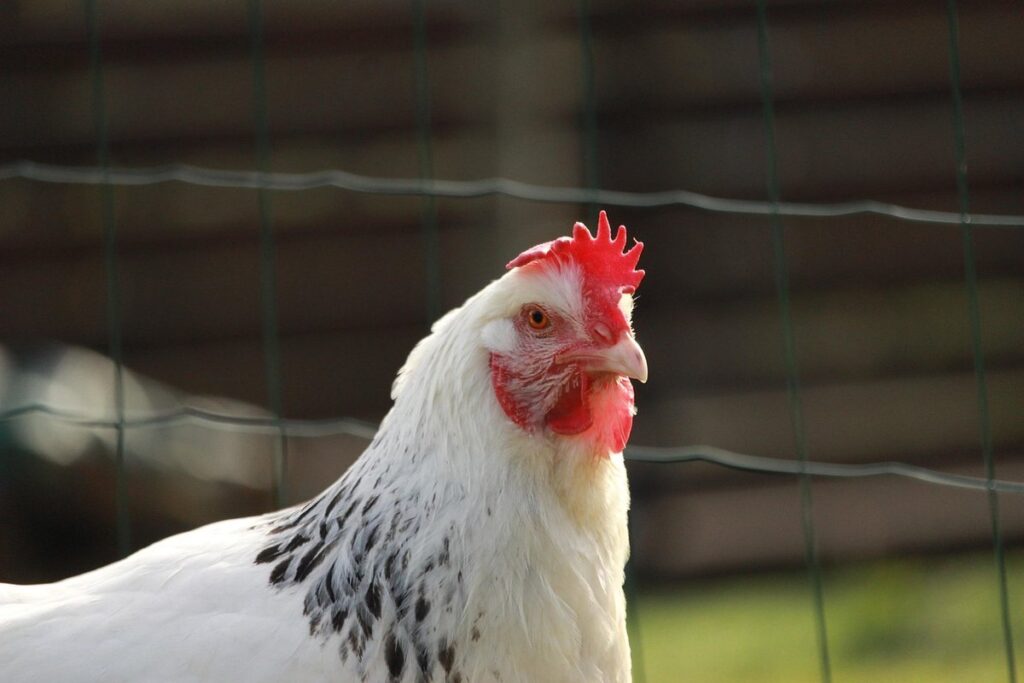
Introduction to Speckled Sussex Hens
If you’re new to keeping chickens, getting started with a breed as unique and wonderful as the Speckled Sussex can be both exciting and overwhelming. Let’s start by exploring their distinctive characteristics.
History and Origin of the Breed
The Speckled Sussex hens have a rich history that dates back to 19th-century England. This breed was developed by crossing various local chicken breeds with the goal of creating a robust and egg-laying hen. The result was a sturdy, friendly bird with a unique appearance that quickly gained popularity among farmers and backyard enthusiasts alike.
One of the key factors contributing to the breed’s success was its exceptional foraging ability. Speckled Sussex hens are known to thrive on a diverse diet that includes insects, seeds, and grains. This adaptability made them an attractive choice for small-scale farmers looking to improve their flock’s productivity without relying heavily on expensive commercial feed.
As word of the breed’s merits spread, Speckled Sussex hens began to gain popularity worldwide. They were introduced to new regions through importation programs, where they quickly adapted and thrived in a variety of climates and environments. Today, these birds can be found on farms and homesteads across the globe, prized for their friendly demeanor, impressive egg-laying abilities, and versatility in the face of diverse conditions.
Characteristics of Speckled Sussex Hens
Speckled Sussex hens are a delight to behold, and their physical characteristics make them a joy to own. One of the most distinctive features of these hens is their plumage, which is a beautiful mix of brown and white feathers with a subtle sheen. The speckles or spots on their wings and tail are particularly striking, giving them a unique appearance that’s hard to forget.
In terms of size, Speckled Sussex hens are relatively small, weighing in at around 5-6 pounds (2.3-2.7 kg) and standing about 20 inches (50 cm) tall. While they may not be the largest birds in your flock, their compact size makes them a great choice for backyard chicken keepers with limited space.
Temperament-wise, Speckled Sussex hens are known for being friendly, curious, and energetic. They love to explore their surroundings, forage for treats, and interact with their owners. With proper care and attention, they can make wonderful pets and productive members of your flock, laying a moderate 200-220 eggs per year.
Their calm nature also makes them an excellent choice for families with children or for those who are new to chicken keeping.
Raising Speckled Sussex Chickens: Tips and Best Practices
When it comes to raising Speckled Sussex chickens, knowing how to care for these gentle girls is crucial for their health and happiness, as well as your own. This section shares expert tips on doing just that.
Choosing Healthy Chicks
When it comes to raising healthy Speckled Sussex chickens, selecting high-quality chicks from reputable breeders or hatcheries is crucial. Look for breeders who prioritize their flock’s health and well-being, as they will be more likely to provide chicks that are robust and resilient.
To identify a healthy chick, inspect its overall appearance and behavior. A healthy chick should have a plump body, clean feathers, and bright eyes. Its feathers should be neatly arranged, without any excessive matting or tangles. Pay attention to its posture – a healthy chick will sit comfortably on its haunches, while an unhealthy one may huddle or appear lethargic.
When selecting chicks from a hatchery, ask about the breed’s genetics and health guarantees. Check for third-party certifications, such as those offered by the American Poultry Association (APA) or the United States Department of Agriculture (USDA). Additionally, research the breeder’s or hatchery’s reputation online, reading reviews and testimonials from other customers to ensure you’re making an informed decision.
Some common red flags to watch out for in chicks include:
• Respiratory issues: Check for wheezing, coughing, or labored breathing.
• Skin lesions: Look for open sores, abscesses, or scabs on the beak, legs, or body.
• Deformities: Inspect for any visible skeletal or muscular abnormalities.
By taking your time to select healthy chicks and doing your research, you’ll set yourself up for success in raising happy and thriving Speckled Sussex chickens.
Nutrition and Feeding
When it comes to feeding and nutrition for your Speckled Sussex hens, understanding their specific dietary needs is crucial for maintaining their overall health. These birds are medium-sized hens that require a balanced diet rich in nutrients.
A mix of layer feed and grains should form the basis of their diet. However, it’s essential to supplement with fresh fruits, vegetables, and insects to meet their nutritional requirements. For instance, dark leafy greens such as kale, spinach, and collard greens provide a rich source of vitamins A, C, and K.
Crucial minerals like calcium are also vital for maintaining strong eggshell production and overall health. You can add crushed oyster shells or grit to their feed to meet this requirement. Additionally, provide a small amount of protein-rich foods such as mealworms, sunflower seeds, or chopped hard-boiled eggs.
Keep in mind that the nutritional needs of Speckled Sussex hens may change depending on factors like age, season, and production levels. Monitor your flock’s response to different feed types and adjust accordingly to ensure their optimal health and well-being.
Housing and Environment
When it comes to raising happy and healthy Speckled Sussex hens, providing them with adequate housing and living conditions is crucial. A well-designed coop can make all the difference in their well-being, so let’s dive into what you need to consider.
First and foremost, ensure your coop has sufficient space for your girls. The general rule of thumb is to provide at least 4-5 square feet of floor space per hen inside the coop. This allows them to move around comfortably, stretch their wings, and engage in natural behaviors like dust bathing and scratching. For example, if you have a flock of three Speckled Sussex hens, your coop should be a minimum of 12 square feet.
Proper ventilation is also vital to prevent ammonia buildup from droppings and maintain air quality inside the coop. A well-designed ventilation system will help remove stale air, reduce odors, and keep your girls healthy. Consider installing windows, vents, or screened panels to ensure airflow. Don’t forget to provide a secure predator protection system, such as hardware cloth or chicken wire, to safeguard your flock from foxes, coyotes, and other predators.
When it comes to the coop’s design, remember that less is more. Avoid cluttering the space with unnecessary features, which can compromise ventilation and make cleaning challenging. Instead, focus on providing a simple yet functional layout that allows for easy access and maintenance. This will help keep your girls safe, healthy, and happy – and ensure you enjoy many years of enjoyment from raising these wonderful hens!
Benefits of Keeping Speckled Sussex Hens
Keeping speckled Sussex hens as backyard pets offers a range of benefits, from their gentle nature to their impressive egg-laying abilities. You’ll be delighted by their charms!
Egg-Laying Capacity
Speckled Sussex hens are known for their exceptional egg-laying capacity, making them an excellent choice for backyard chicken keepers. On average, a healthy Speckled Sussex hen will lay around 280-300 brown eggs per year, with some individuals producing up to 320 eggs annually.
One of the notable advantages of Speckled Sussex hens is their large egg size. Their eggs typically weigh between 55-60 grams, making them one of the larger breeds available. Not only are these eggs substantial in size, but they also boast a high-quality shell that’s both thick and smooth to the touch.
The egg-laying capacity of Speckled Sussex hens is due in part to their strong genetic makeup, which allows them to thrive in a variety of environments. As long as your hen receives adequate nutrition, proper care, and regular attention, you can expect her to lay eggs consistently throughout the year. With their impressive egg production rates and robust constitution, it’s no wonder that Speckled Sussex hens have become a favorite among chicken enthusiasts worldwide.
Temperament and Friendliness
Speckled Sussex hens are renowned for their gentle and friendly nature, making them an excellent choice for backyard flocks. These birds are known to be social butterflies, thriving on interaction with both humans and other chickens. They have a unique ability to adapt to various environments, from small backyards to larger farms, as long as they receive attention and care.
When it comes to interacting with other chickens, Speckled Sussex hens tend to get along well, especially if introduced at a young age. However, introducing them to existing flocks should be done gradually to avoid any conflicts. With proper socialization and introduction, these birds will often become the flock’s de facto leader.
In terms of human interaction, Speckled Sussex hens are known for their affectionate nature. They love nothing more than receiving scratches behind the ears or under the wings, making them a delight to raise as pets. Be sure to spend quality time with your girls daily, and they will reward you with an abundance of eggs and loyalty.
Their calm demeanor also makes them an excellent choice for families with children. With proper supervision, children can learn valuable lessons about responsibility and compassion by caring for these gentle creatures. By providing a safe and nurturing environment, you’ll be able to enjoy the many benefits that Speckled Sussex hens have to offer.
Foraging Ability and Intelligence
Speckled Sussex hens are renowned for their remarkable foraging abilities and intelligence. These traits make them highly efficient at finding food on their own, which is not only an entertaining sight but also beneficial for the environment. Their keen senses of smell and vision enable them to detect even the slightest signs of edible plants, fruits, or insects.
Their impressive problem-solving skills allow Speckled Sussex hens to adapt quickly to new environments. If a hen encounters a challenge while foraging, such as an inaccessible food source, she will often figure out a creative solution to overcome it. This might involve using tools like sticks or rocks to obtain the desired food or creating a makeshift ladder to reach elevated areas.
By incorporating natural materials and problem-solving activities into their daily lives, you can further enhance your Speckled Sussex hens’ foraging abilities and intelligence. Consider providing them with a variety of textures and structures to explore, such as logs, hay bales, or cardboard boxes. This not only stimulates their cognitive development but also offers a fun way to exercise their physical agility.
Health Considerations for Speckled Sussex Hens
When it comes to caring for your speckled Sussex hens, there are several health considerations you’ll want to keep in mind. Let’s explore some of these important factors together.
Common Health Issues
As you care for your lovely Speckled Sussex hens, it’s essential to be aware of common health issues that can affect them. One such problem is egg binding, which occurs when a hen has difficulty laying an egg due to a variety of reasons like poor nutrition, dehydration, or genetic predisposition. If left untreated, it can lead to serious complications.
Frostbite is another concern during cold winter months. Since Speckled Sussex hens have feathered feet, they may be prone to frostbite if their coop isn’t well-insulated and draft-free. You can take preventive measures by ensuring the coop’s ventilation system is balanced, providing extra bedding, and checking on your girls frequently.
Respiratory issues like bronchitis or pneumonia can also plague Speckled Sussex hens, especially those living in crowded or poorly ventilated coops. Keep an eye out for signs of labored breathing, wheezing, or discharge from the nostrils or eyes. To minimize the risk of respiratory problems, maintain a clean coop with adequate airflow and prioritize vaccinations.
Some key habits to adopt include regularly monitoring your hens’ behavior, maintaining proper feeding and watering systems, and being aware of the warning signs of health issues.
Disease Prevention and Treatment
As you care for your speckled Sussex hens, it’s essential to prioritize disease prevention and treatment. A well-managed flock is key to minimizing the risk of illness. Here are some crucial practices to implement:
Regular vaccinations are not typically required for speckled Sussex chickens, but a consultation with your veterinarian will help determine the best approach for your specific flock. However, maintaining good hygiene and biosecurity measures can significantly reduce the likelihood of disease outbreaks.
To prevent diseases, ensure your hens have access to clean water, nutritious feed, and a safe living environment. Regularly inspect your coop and run for signs of pests or parasites. Implementing a parasite control program will help keep internal and external parasites under control.
In the event that an illness does occur, it’s crucial to treat it promptly with antibiotics as prescribed by your veterinarian. Keep records of vaccinations, treatments, and health checks to monitor your flock’s overall well-being.
Keep in mind that prevention is always better than treatment. Monitor your hens’ behavior and watch for signs of illness such as lethargy, loss of appetite, or changes in droppings. If you suspect an issue, consult with your veterinarian promptly for a proper diagnosis and treatment plan.
Showing and Breeding Speckled Sussex Hens
Whether you’re a seasoned chicken breeder or just starting out, showing and breeding Speckled Sussex hens requires attention to detail and careful planning. Let’s explore the best practices for getting started.
Breed Standard and Guidelines
To show and breed Speckled Sussex hens that meet the breed standard, you’ll need to focus on several key characteristics. For example, these birds should have a predominantly speckled black and white plumage with a clean-cut appearance, and their comb should be red in color. The beak shape and size can vary slightly, but it’s essential for them to be strong and curved.
When evaluating the breed standard, judges look at several factors including egg production, temperament, and overall physical condition. For breeding purposes, you’ll want to select birds that are not only visually appealing but also robust and healthy. A good breeder will prioritize selecting birds with a balance of desirable traits such as high egg production, friendly demeanor, and resistance to disease.
To develop these characteristics in your own flock, focus on maintaining a clean living environment, providing nutritious food, and giving your birds plenty of space to exercise and forage. By paying attention to the specific needs and requirements of Speckled Sussex hens, you can raise healthy and thriving birds that meet or exceed the breed standard.
Selection and Mating Strategies
When selecting suitable mates for your Speckled Sussex hens, it’s essential to consider their temperament, egg-laying ability, and overall health. Look for birds with a calm demeanor, as this trait is often inherited by offspring. A good mate should also be an excellent layer, producing a consistent number of high-quality eggs.
When choosing a rooster, remember that size doesn’t matter; even smaller roosters can be excellent breeders. However, they must have a well-balanced build and be in good physical condition. For breeding purposes, it’s crucial to select a rooster with a robust constitution, as this will help ensure the health of your offspring.
When planning a successful breeding program, consider factors such as egg quality, fertility rates, and hatchability. Keep accurate records of breeding pairs, egg production, and hatching success to refine your selection process over time. This will enable you to identify any potential issues and make data-driven decisions about future breedings.
Conclusion: The Joy of Keeping Speckled Sussex Hens
As you near the end of your journey into the wonderful world of Speckled Sussex hens, it’s time to reflect on what makes these charming birds truly special. Let’s celebrate their unique joys and charms together.
Final Thoughts and Recommendations
Keeping Speckled Sussex hens as pets or for small-scale egg production has been an incredibly rewarding experience for many of us. As we’ve explored throughout this ultimate guide, these charming birds bring so much joy and value to our lives. From their friendly personalities to their impressive egg-laying abilities, it’s no wonder why they’re a popular choice among backyard chicken keepers.
If you’re considering bringing Speckled Sussex hens into your flock, remember that they thrive on attention and interaction. Make time for regular play sessions and provide plenty of space for them to roam and exercise. With their moderate energy levels and easy-going nature, they’re perfect for small backyards or even apartment living with a secure outdoor run.
In terms of egg production, Speckled Sussex hens are reliable layers, producing an average of 200-220 brown eggs per year. This makes them an excellent choice for families or individuals looking to supplement their fresh produce with homegrown eggs. Whether you’re new to chicken keeping or an experienced enthusiast, the joy and benefits of owning Speckled Sussex hens are undeniable.
Encouragement to Try Raising the Breed
If you’re still reading this far into our comprehensive guide to Speckled Sussex hens, it’s clear that you’ve developed a strong appreciation for their unique qualities. Perhaps you’ve been captivated by their striking appearance or won over by their friendly and docile nature. Whatever the reason, we encourage you to take the next step: bring these magnificent birds into your backyard.
Raising Speckled Sussex hens can be an incredibly rewarding experience. Not only will they provide you with fresh eggs on a daily basis, but they’ll also become integral members of your family. Their gentle disposition makes them ideal for families with children or for those who want to introduce their flock to visitors without worrying about aggression.
To get started, consider the following: begin by researching local breeders and learning more about the specific needs of Speckled Sussex hens in terms of feed, shelter, and healthcare. Next, ensure that your backyard is suitable for a small flock by providing adequate space and resources for your girls to roam and forage. With patience, attention to detail, and dedication, you’ll be well on your way to creating a thriving and harmonious home for your new feathered friends.
Frequently Asked Questions
How Do I Introduce New Speckled Sussex Hens to My Existing Flock?
Introducing new birds can be a delicate process, but with careful planning, you can minimize stress for both old and new birds. Gradual introduction is key: start by keeping the new hens in a separate enclosure nearby, allowing them to become familiar with each other’s scents and sounds before integrating them into the main flock.
What Are Some Common Health Issues Affecting Speckled Sussex Hens?
While generally hardy, Speckled Sussex hens can be prone to certain health issues. Keep an eye out for respiratory problems, mites, and lice. Regular cleaning of their living area, providing a balanced diet, and maintaining good flock hygiene can help prevent these common issues.
Can I Raise Speckled Sussex Hens in Small Spaces?
These birds require adequate space to move around and engage in natural behaviors. While they can thrive in smaller areas, ensure your enclosure provides enough room for them to stretch their wings (about 2-4 square feet per bird). Consider supplementing with a secure outdoor area for exercise.
How Do I Encourage Foraging Behavior in My Speckled Sussex Hens?
Providing an enriched environment is essential for the well-being of these intelligent birds. Offer a mix of grains, fruits, and vegetables to encourage foraging behavior. Scatter treats around their living area or use foraging toys filled with healthy snacks.
What’s the Ideal Roosting Bar Height for Speckled Sussex Hens?
When planning your coop, remember that roosting bars should be about 3-4 feet off the ground. This will allow your hens to comfortably roost without feeling cramped or vulnerable to predators.