
Raising straight run ducklings can be a delightful experience, but it also comes with its unique set of challenges. If you’re new to backyard poultry keeping or looking for expert advice on caring for these adorable birds, you’ve come to the right place. Straight run ducklings, available at most feed stores and hatcheries, require special attention from day one. Unlike sexed ducklings, straight runs are a mix of males and females, which can make predicting their growth and behavior more unpredictable. In this article, we’ll guide you through essential aspects of caring for happy and healthy straight run ducklings, including housing considerations, health tips, feeding strategies, and long-term care plans. By following our expert advice, you’ll be well-equipped to provide the best possible life for your new feathered friends.
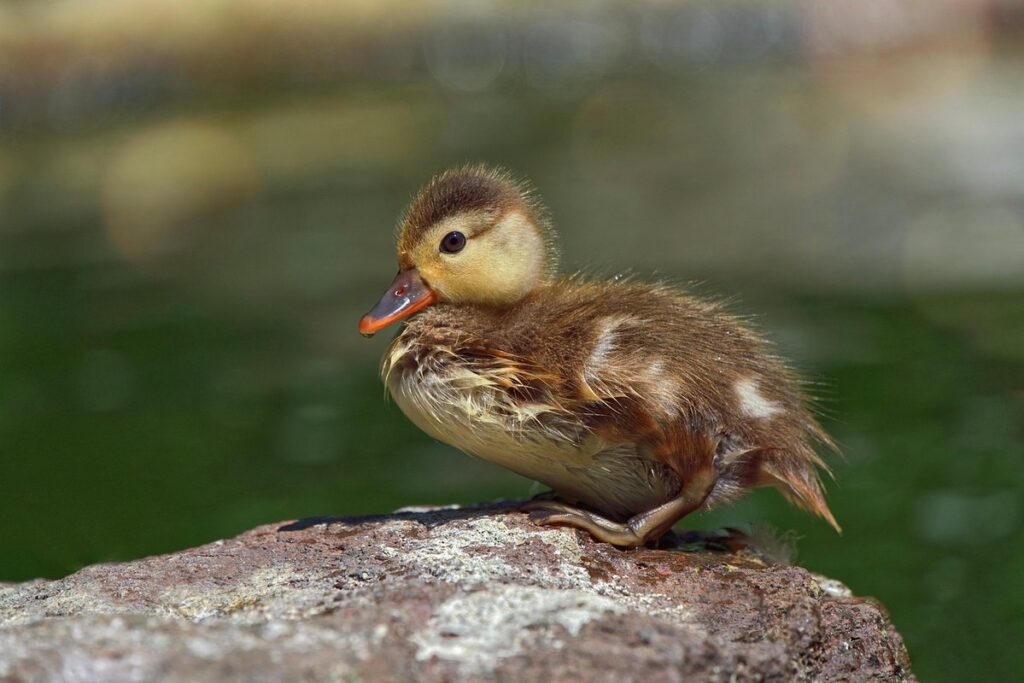
Understanding Straight Run Ducklings
If you’re new to raising ducklings, understanding their needs and behavior is crucial. This section will help you get familiar with the basics of straight run ducklings and what to expect during their first few weeks of life.
What are Straight Run Ducklings?
Straight run ducklings are a popular choice among backyard chicken keepers and small-scale farmers due to their unique characteristics. Unlike sexed or hatched ducklings, straight run ducklings are not separated by gender at the hatchery. Instead, they’re sold as a mix of male and female ducklings.
This means that you’ll receive a random assortment of males and females in your order. While it may seem like a gamble, many growers find that the benefits far outweigh any potential drawbacks. For one, straight run ducklings can be a cost-effective option since breeders don’t have to spend extra time and resources sorting through the sexed birds.
Another advantage is that straight run ducklings are often more resilient and hardy than sexed birds, which can make them easier to raise. However, it’s essential to note that this also means you won’t know the gender of your ducks until they reach maturity – usually around 20-24 weeks of age.
Importance of Choosing the Right Breed
When it comes to raising straight run ducklings, choosing the right breed is crucial for their health, happiness, and success on your farm. With so many breeds to choose from, it’s essential to consider factors such as temperament, egg-laying capacity, and climate adaptability.
Temperament is a critical factor to consider when selecting a breed. If you have young children or other pets in the household, you’ll want a breed that’s friendly and gentle. For example, Khaki Campbells are known for their calm and docile nature, making them an excellent choice for families with kids.
Egg-laying capacity is another important consideration. If you’re planning to raise ducklings for eggs, you’ll want a breed that’s prolific layers. Muscovy ducks, for instance, lay around 300 large white eggs per year, while other breeds may lay significantly fewer.
Lastly, consider your climate and how it will affect your ducklings’ comfort and health. Some breeds, like the Wood Duck, are well-suited to cold climates, while others, such as the Khaki Campbell, thrive in warmer temperatures.
Ultimately, choosing a breed that meets your needs and lifestyle is crucial for raising healthy straight run ducklings. By considering temperament, egg-laying capacity, and climate adaptability, you’ll be well on your way to selecting the perfect breed for your farm.
Factors to Consider Before Buying Ducklings
When purchasing straight run ducklings, it’s essential to consider several factors to ensure you’re getting healthy and thriving birds. First and foremost, look for a reputable breeder or supplier who has experience raising ducklings. A good breeder will be able to provide information on the duckling’s ancestry, health guarantees, and any potential genetic defects.
Another critical factor is the age of the ducklings. Straight run ducklings are usually available from hatcheries or breeders between 1-3 days old. It’s best to choose ducklings that are at least a few hours old, as this allows you to observe their behavior and overall health before purchasing.
You should also consider the number of ducklings you’re buying. While it might be tempting to buy a large batch, remember that each duckling requires individual attention and care. Overcrowding can lead to stress and illness in the birds. Finally, make sure you have a suitable environment for the ducklings, including adequate space, food, water, and shelter.
When examining potential ducklings, look for ones with open eyes, a strong beak, and a sturdy build. Avoid ducklings that appear lethargic or show signs of illness. With careful consideration and attention to detail, you can choose healthy straight run ducklings that will thrive under your care.
Types of Straight Run Ducklings Available in the Market
When it comes to choosing straight run ducklings for your flock, you’ll come across various types available in the market. These types are primarily categorized based on their breed characteristics, growth rate, and egg-laying abilities.
Some of the most common types of straight run ducklings include Khaki Campbells, Welsh Harlequins, Indian Runner, Cayuga, and Muscovy. Each of these breeds has its unique traits that can influence your decision-making process.
Khaki Campbells are one of the most popular choices among backyard farmers due to their high egg-laying capacity and friendly demeanor. They are relatively easy to care for and suitable for small-scale farming operations.
On the other hand, Welsh Harlequins are known for their unique coloration and docile nature. They tend to lay fewer eggs compared to Khaki Campbells but make excellent pets due to their calm temperament.
Indian Runners, as their name suggests, are bred specifically for their high egg-laying abilities and rapid growth rate. However, they can be more challenging to manage, especially in smaller spaces.
Cayugas are another popular breed known for their striking appearance and robust health. They are relatively low-maintenance but may require additional care during the winter months due to their sensitivity to cold temperatures.
Muscovies, on the other hand, are a tropical breed that thrives well in warm climates. They are known for their distinctive call and high egg-laying capacity but can be more aggressive than other breeds.
When selecting straight run ducklings, consider factors such as your available space, climate, and desired outcome (meat or eggs). It’s also essential to ensure you’re purchasing from a reputable breeder to guarantee the health and quality of your new additions.
Housing and Equipment for Straight Run Ducklings
When it comes to housing your straight run ducklings, their safety and comfort should be top priorities as they grow into adorable feathered friends. A safe and suitable enclosure is essential for their well-being.
Providing Adequate Space and Ventilation
When raising straight run ducklings, it’s essential to provide them with ample space to roam and exercise. A general rule of thumb is to allocate at least 2-4 square feet of floor space per duckling indoors, or 5-10 square feet outdoors. However, if you’re planning to raise a larger group of ducklings, consider doubling these estimates.
Adequate ventilation is also crucial in preventing respiratory issues and maintaining a healthy environment. Ensure that your enclosure has proper airflow by opening windows, installing vents, or using fans. Keep the area clean by removing soiled bedding and disinfecting surfaces regularly. A dirty environment can lead to the spread of diseases, so it’s essential to maintain cleanliness.
When choosing an enclosure, consider its durability and ease of cleaning. Wire mesh cages or pens with easy-to-clean flooring are excellent options. Avoid using wooden enclosures as they can harbor bacteria and make cleaning difficult. By providing sufficient space and maintaining a clean environment, you’ll help your straight run ducklings grow strong and healthy. Remember to monitor their behavior and adjust the enclosure size accordingly if needed.
Choosing the Right Feeders and Waterers
Providing easy-to-use feeders and waterers is crucial for straight run ducklings to prevent waste and ensure their overall well-being. Ducklings can be messy eaters and drinkers, especially during the first few weeks of life when they are still learning how to navigate their surroundings.
For this reason, it’s essential to invest in feeders and waterers that are designed with ducklings’ specific needs in mind. Consider using trough-style feeders that are placed at a comfortable height for the ducklings, allowing them to easily access food without struggling or wasting. You can also use hanging feeders or feeders with built-in lids to reduce waste and prevent contamination.
When it comes to waterers, look for models with wide mouths and non-slip surfaces to make it easy for the ducklings to drink without spilling water everywhere. A good rule of thumb is to provide at least one gallon of fresh water per 5-10 ducklings. By investing in the right feeders and waterers, you can help prevent waste, keep your ducklings healthy, and make their lives easier from day one.
Creating a Safe Environment with Fencing and Netting
When introducing straight run ducklings to their outdoor environment, it’s essential to create a safe enclosure that protects them from predators and allows for proper growth. A well-designed fencing system is crucial in preventing escapes, injuries, and fatalities.
Consider investing in sturdy fencing materials such as chicken wire or hardware cloth with openings of no more than 1 inch. The height of the fence should be at least 3 feet to prevent flying predators like hawks and owls from swooping in. Make sure to bury the fence at least 12 inches underground to prevent digging mammals like raccoons and foxes from burrowing underneath.
Netting can also be a valuable addition, providing an extra layer of protection against aerial threats. A lightweight net with openings around 1-2 inches is ideal for covering large areas or creating a “flock-safe zone” within the enclosure. Remember to secure the net tightly to prevent it from sagging and compromising its effectiveness.
When installing fencing and netting, consider the following:
* Regularly inspect the materials for any signs of damage or wear
* Ensure that the fence and net are at least 12 inches apart to allow for proper airflow
* Provide regular maintenance to keep the area around the enclosure free from debris and clutter
Health Considerations for Straight Run Ducklings
When raising straight run ducklings, it’s essential to consider their specific health needs, as they often face a higher risk of certain health issues due to their mixed sex and genetic makeup. Let’s explore some key considerations to keep in mind.
Common Health Issues Affecting Straight Run Ducklings
Straight run ducklings are prone to certain health issues due to their genetic makeup and lack of sexing at hatching. One common issue is brooder pneumonia, a bacterial infection that can be caused by inadequate ventilation, poor hygiene, or high humidity. Chick disease, also known as pasty butt, is another concern where the droppings become stuck to the duckling’s vent area, potentially leading to dehydration and infection.
To prevent these issues, it’s essential to maintain proper brooder conditions. Ensure adequate ventilation, keep the brooder clean, and monitor temperature and humidity levels. A temperature range of 90-100°F (32-38°C) during the first week is crucial for preventing chilling stress.
Regular health checks are also vital in identifying potential problems early on. Monitor your ducklings daily for signs of illness such as lethargy, labored breathing, or loss of appetite. Keeping a clean and dry environment will go a long way in preventing these common health issues.
Maintaining proper chick starter nutrition is also crucial to support the development of a healthy immune system. A balanced diet rich in protein and energy can help prevent diseases like brooder pneumonia.
Vaccination Protocols and Deworming
When it comes to raising healthy straight run ducklings, vaccination protocols and deworming schedules play a crucial role in preventing diseases. As a responsible duck breeder, it’s essential to follow a well-planned schedule to ensure the health and well-being of your flock.
The first step is to consult with a veterinarian to determine the best vaccination protocol for your straight run ducklings. Typically, vaccinations start at around 1-2 weeks of age and include injections against diseases such as Newcastle disease, Avian influenza, and Fowl pox. It’s essential to follow the recommended dosage and administration schedule to avoid any adverse reactions.
In addition to vaccinations, deworming is also crucial for straight run ducklings. Regular deworming can help prevent internal parasites from causing harm to your flock. A typical deworming schedule involves administering a medication every 4-6 weeks, starting at around 2-3 weeks of age.
It’s worth noting that over-vaccination and over-deworming can have negative consequences on the health of your ducklings. Therefore, it’s essential to work closely with a veterinarian to develop a tailored vaccination and deworming plan for your flock. By following a well-planned schedule, you can help prevent diseases and ensure the overall health and well-being of your straight run ducklings.
Monitoring Health and Behavior
Monitoring health and behavior is crucial when raising straight run ducklings. You should check on them daily to ensure they’re eating, drinking, and pooping normally. Keep an eye out for signs of illness such as lethargy, loss of appetite, or labored breathing. These can be indicative of issues like pasty butt, respiratory problems, or bacterial infections.
Keep their living area clean by removing any uneaten food and waste daily. Make sure they have access to a shallow pool of water for bathing and swimming. A clean environment will help prevent the spread of disease.
As ducklings grow, monitor their behavior as well. Check for signs of stress such as feather pecking or aggression towards each other. Keep an eye on their growth rate, checking for any changes in appetite or weight gain. If you notice any unusual behaviors or health issues, consult with a poultry expert or veterinarian to ensure the best care possible.
A simple way to monitor your ducklings’ overall health is by keeping track of their droppings. A normal brood should produce a mix of brown and white droppings. Monitor for any changes in color or consistency, as these can be indicative of issues within the flock.
Feeding and Nutrition for Straight Run Ducklings
When it comes to feeding your straight run ducklings, a well-balanced diet is crucial for their growth and development. Let’s dive into the essential nutrients they need at each stage of growth.
Providing a Balanced Diet from Day One
When it comes to feeding straight run ducklings, providing a balanced diet from day one is crucial for their growth and development. A well-planned diet should meet the ducklings’ nutritional needs, including the correct mix of proteins, carbohydrates, and fats.
A good starting point is to offer a starter feed that contains around 20-25% protein levels, which will help support rapid growth and feathering. However, as they grow older, you can gradually switch to a layer feed with lower protein levels (around 15-18%) and higher energy content. It’s also essential to supplement their diet with fresh fruits and vegetables, such as leafy greens like kale or spinach, which provide essential vitamins and minerals.
Aim to offer around 20% of the ducklings’ daily calories from grains like oats or barley, while keeping an eye on their fat intake. Remember to always provide access to clean water at all times, and make sure to introduce new foods gradually to prevent digestive upset. By getting it right from day one, you’ll set your straight run ducklings up for a healthy and happy life.
Supplementing with Grit and Oyster Shells
As you continue to care for your straight run ducklings, it’s essential to supplement their diet with grit and oyster shells. These two minerals play a crucial role in maintaining healthy digestive systems.
Grit helps to grind up food in the gizzard, a muscular organ found in birds that acts as a grinding mill to break down tough plant material. Without grit, your ducklings may experience impaired digestion, leading to issues such as impaction or malabsorption of nutrients. You can offer grit at 1-2% of their total diet by weight daily. For example, if you’re feeding your ducklings 100g of food per day, add 1-2g of grit.
Oyster shells are another vital supplement for your ducklings. They provide calcium, an essential mineral for strong bone growth and development. Without adequate calcium intake, your ducklings may develop rickets or softening of the bones. You can offer crushed oyster shells at 5-10% of their total diet by weight daily. Mix it into their food or place it in a separate dish to ensure they have access to it throughout the day.
Water Quality and Availability
When it comes to raising straight run ducklings, ensuring access to clean water and maintaining good water quality is crucial for their health and well-being. Straight run ducklings are particularly susceptible to water-borne diseases due to their immature immune systems.
To guarantee a constant supply of fresh water, change the water frequently – ideally every 8-12 hours, or more often if possible. Use a clean container each time to prevent bacterial buildup. A general rule is to use one gallon of water per duckling for the first few weeks after hatching. This will help them stay hydrated and support their rapid growth during this critical period.
Cleanliness also plays a significant role in maintaining good water quality. Ducklings can be messy eaters, which means their droppings often end up in the water. Regularly check and clean the area around the duckling’s feeder and waterer to avoid contamination. By keeping the water fresh and free from waste, you’ll reduce the risk of water-borne diseases and create a healthier environment for your straight run ducklings.
Managing Growth and Development
As your straight run ducklings grow, it’s essential to understand how to manage their development and ensure they receive the right environment to thrive. This means knowing what nutrients they need and when.
Recognizing Growth Stages and Milestones
As you care for your straight run ducklings, it’s essential to recognize their growth stages and milestones. This will help you provide the best possible care and ensure they reach their full potential.
The first few weeks are crucial for duckling development. Around 1-2 days old, you’ll notice a significant change in appearance as downy feathers start to emerge. By around day 5-7, these downy feathers give way to fluffy gray or brown plumage. As your ducklings grow, their feathers will become more vibrant and distinctively colored.
Another vital milestone is the onset of egg-laying. Straight run ducks typically begin laying eggs at around 18-24 weeks old. However, some breeds may mature earlier or later than this range. Be aware that your female duckling’s reproductive cycle may be delayed if she’s underweight or malnourished.
As you monitor your ducklings’ progress, keep an eye out for other signs of growth and development. Watch for weight gain, changes in appetite, and improvements in overall health. Regular weigh-ins will also help you detect any potential issues early on. By recognizing these milestones and growth stages, you’ll be better equipped to provide tailored care for your straight run ducklings as they mature into healthy adult ducks.
Monitoring Weight Gain and Health
Monitoring weight gain and health is crucial for straight run ducklings. You should weigh them at least once a week to track their growth. A healthy duckling’s weight will increase by about 10-15% each day, which translates to around 1/4 pound or more per day. Keep an eye out for any significant deviations from this trend.
Monitor the color of the droppings and urine output as well. Healthy ducklings’ feces are usually brown in color and have a distinct smell. If you notice any unusual coloration, consistency, or odor, it may be an indication of health issues.
Maintain hygiene by cleaning their living area regularly to prevent disease spread. Provide fresh water at all times to ensure proper hydration. Consult your veterinarian if you suspect that something is amiss with the ducklings’ growth. It’s always better to err on the side of caution and seek advice when in doubt.
Aim for 1-2 pounds per week weight gain for optimal growth, and adjust their feed accordingly to achieve this goal. Keep a record of weight changes to monitor progress effectively.
Encouraging Exercise and Foraging Opportunities
Encouraging exercise and foraging opportunities is crucial for straight run ducklings as they grow. Unlike sexed ducklings, which may be destined for the dinner table, straight run ducklings have a longer lifespan and require more activity to maintain their physical and mental health.
Provide a spacious area where ducklings can roam freely, including adequate ventilation, shade, and shelter from predators. You can also create an outdoor enclosure with a secure fence that allows them to forage and exercise under your supervision.
Incorporate activities like swimming, running, and climbing into their daily routine. Straight run ducklings love to explore and engage in natural behaviors like pecking at the ground, digging, and playing in water features. You can also offer a variety of toys and perches to stimulate their minds and keep them active.
Aim for 2-3 hours of supervised outdoor time each day, considering factors like weather conditions and temperature. Encourage your ducklings to forage by scattering their feed on the ground or using a feeding tray that simulates natural foraging behavior. This will not only exercise their legs but also engage their sense of smell and problem-solving skills.
It’s essential to monitor their progress and adjust their environment accordingly to prevent overexertion, stress, or injury.
Caring for Straight Run Ducklings Beyond Hatching Season
Now that your ducklings have grown into healthy young ducks, learn how to continue caring for them beyond hatching season and provide a smooth transition to adulthood. This includes nutrition, health checks, and more.
Integrating with Other Birds or Pets
When it comes to introducing straight run ducklings to other birds or pets in the household, it’s essential to do so gradually and under close supervision. Before bringing them together, ensure that all birds and pets are up-to-date on their vaccinations and health checks.
Start by keeping the ducklings separated from other animals for a few weeks, allowing them to get used to their surroundings without any stress or distractions. Once you feel they’re settled, it’s time to introduce them to the rest of the flock. Begin with visual introductions – place the ducklings in a separate enclosure near the birds, so they can become familiar with each other’s presence.
If everything goes smoothly during these initial interactions, it’s safe to proceed with supervised introductions under close observation. Monitor body language closely: if you notice any signs of aggression or stress, intervene promptly by separating them and repeating the process at a slower pace.
Some bird breeds are naturally more aggressive than others, so it’s crucial to research their temperaments before introducing them to your straight run ducklings. For example, some breeds like geese can be quite territorial, while others like chickens may be less confrontational.
Long-Term Housing Requirements
As you welcome straight run ducklings into your family, it’s essential to consider their long-term housing requirements. A suitable sheltered area will provide them with protection from harsh weather conditions and predators. You can convert an existing shed or build a new one specifically for your feathered friends.
When selecting the ideal location, ensure it’s close enough to your main living area for easy supervision but far enough not to disturb you and your family. The shelter should be well-ventilated, dry, and free from drafts. Provide adequate space for movement within the shelter, as crowded conditions can lead to stress and health issues.
Secure fencing around the duck enclosure is also crucial. Straight run ducks are prone to flight, so a sturdy fence that’s at least 3 feet high will prevent them from escaping or getting injured while trying to fly over obstacles. Consider adding a roof or netting on top of the fence to prevent escape attempts and protect your ducks from aerial predators like hawks.
Frequently Asked Questions
How do I determine the ideal ratio of males to females in my straight run ducklings?
This is a common concern for many backyard chicken keepers, as it can impact growth rates, feather quality, and even aggression levels among the birds. To achieve a balanced sex ratio, it’s essential to research and understand the breed characteristics of your straight run ducklings. A general rule of thumb is to aim for 1-2 males per every 3-4 females. However, this can vary depending on factors like feed quality, genetics, and management practices.
Can I raise straight run ducklings with other types of poultry, such as chickens or turkeys?
Introducing multiple species to your backyard flock can be a fun and rewarding experience, but it requires careful planning and consideration. Straight run ducklings generally get along well with other birds, but it’s crucial to monitor their behavior and adjust your management strategies accordingly. Make sure to provide adequate space, nutrition, and health care for all birds in your flock.
How often should I check the water quality and availability for my straight run ducklings?
Water quality is a critical aspect of duckling care, as these birds are more susceptible to waterborne diseases than chickens or other poultry. It’s recommended to test your water source regularly (at least once a week) using a reliable water testing kit. If you notice any issues with pH levels, bacterial contamination, or other parameters, take immediate action to correct the problem and prevent disease outbreaks.
What are some common mistakes to avoid when caring for straight run ducklings?
New duckling owners often make errors that can impact their birds’ health, growth rates, and overall well-being. Some common pitfalls include providing inadequate space, failing to monitor water quality, neglecting proper ventilation, and introducing too many new birds or changes at once. Stay vigilant and be prepared to adjust your management strategies as needed.
Can I breed my straight run ducklings for future generations?
Breeding ducks can be a rewarding experience, but it requires careful consideration of genetics, fertility rates, and overall health. Straight run ducklings are often used in breeding programs due to their diverse genetic makeup. However, success depends on factors like breed selection, nutrition, and proper management practices. Research your breed thoroughly and seek expert advice before attempting to breed your ducks.