
Are you considering adding some delightful friends to your backyard? If so, you’re in for a treat with Sussex chickens. These lovely birds are known for their friendly and docile nature, making them perfect for families or first-time chicken owners. But what sets them apart from other breeds? For starters, Sussex hens are prolific egg layers, producing an impressive number of eggs per year. They’re also relatively low maintenance, requiring less space and care than some other breeds. In this article, we’ll dive into the world of Sussex chickens, covering everything from breeding and care to health and egg production tips. Whether you’re a seasoned chicken owner or just starting out, our expert advice will help you make informed decisions when selecting breeders and caring for your flock.
Characteristics and Origin of Sussex Chickens
Sussex chickens have a rich history dating back to 19th-century England, where they were bred for their exceptional egg-laying abilities. Let’s dive into what makes them so unique and special.
History and Development of Sussex Chickens
The history of Sussex chickens dates back to 19th-century England, where they were bred specifically for their high egg-laying capacity and hardiness. Originally from the county of Sussex, these birds quickly gained popularity among farmers due to their impressive production capabilities. It’s said that a single Sussex hen could lay up to 200 eggs per year, making them an attractive choice for those seeking efficient egg producers.
One factor contributing to their widespread adoption was the breed’s adaptability. They thrived in various climates and conditions, from small backyard flocks to large commercial farms. This versatility made Sussex chickens a staple among English farmers, who valued their reliability and productivity.
The breed’s popularity eventually led to its inclusion in the 1859 Poultry Club of Great Britain Standard, solidifying its place as one of the country’s premier egg-laying breeds. Despite changes in agricultural practices over time, the Sussex chicken remains a sought-after choice among heritage breed enthusiasts and commercial farmers alike.
Temperament and Personality of Sussex Chickens
Sussex chickens are renowned for their exceptional temperament and personality traits. One of their most defining characteristics is their friendly nature – they’re often described as ‘velcro hens’ due to their tendency to stick close to their owners. This makes them an excellent choice for backyard flocks, as they thrive on human interaction.
In terms of noise level, Sussex chickens are relatively quiet compared to other breeds. They have a gentle cluck that’s music to the ears, rather than the loud squawking you might associate with some other breeds. Their social behavior is also noteworthy – they’re highly interactive and enjoy the company of both humans and other hens.
When it comes to integrating new birds into your flock, Sussex chickens are surprisingly adaptable. They’ll often welcome newcomers with open wings, making them an excellent choice for larger flocks or those looking to introduce new birds to their existing family. With proper care and attention, these charming ladies will reward you with years of loyal companionship and entertaining antics.
Physical Characteristics of Sussex Chickens
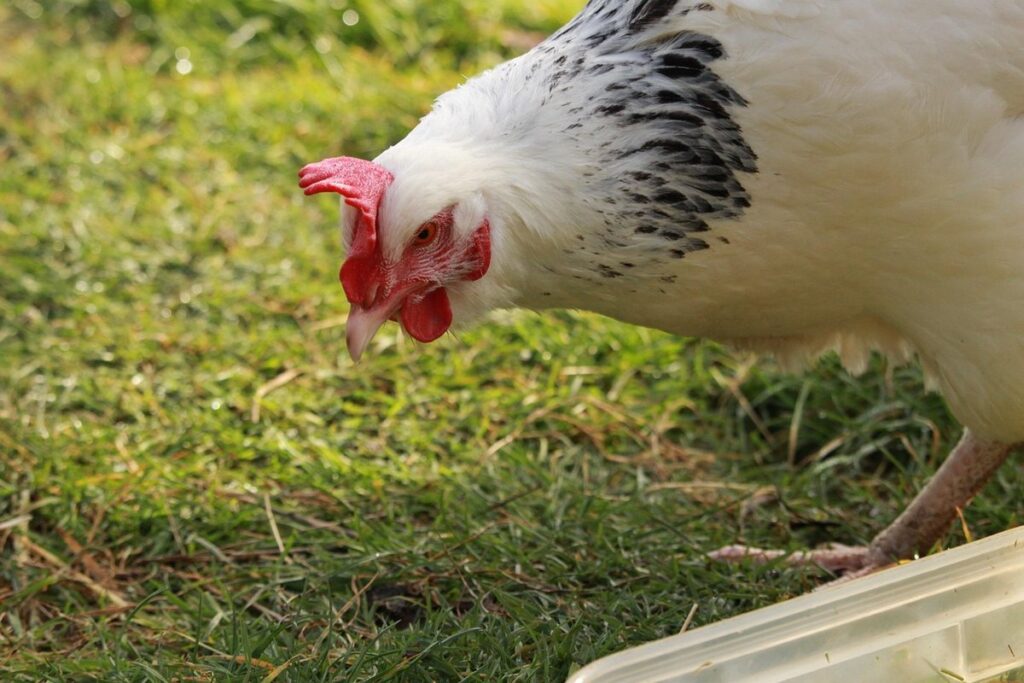
Sussex chickens are easily recognizable due to their unique physical characteristics. One of the most distinctive features is their plumage, which can come in a variety of colors such as light brown, dark brown, and silver. The feathers on their backs are typically longer than those on other breeds, giving them a rather elegant appearance.
In terms of comb type, Sussex chickens have a single comb, which is red in color. This type of comb makes them more susceptible to heat stress during hot weather conditions. However, it also adds to their charm and character.
As for body size, Sussex hens are medium-sized birds with an average weight of 3-4 kg (6.6-8.8 lbs). They have a compact build and relatively short legs compared to other breeds. Despite their smaller stature, they are known for being quite energetic and agile.
Breeding and Raising Sussex Chickens
Breeding and raising Sussex chickens requires careful consideration of their unique characteristics, such as friendly temperament and high egg-laying abilities. With these factors in mind, you’ll learn how to successfully raise a happy and healthy flock.
Choosing the Right Breeders for Your Flock
When selecting breeders for your flock of Sussex chickens, it’s essential to prioritize quality over quantity. Reputable breeders can provide you with healthy, high-quality chicks that possess the desired traits, such as plumage color or egg-laying ability.
First and foremost, research local and national breeder associations to find reputable suppliers. These organizations often have lists of recommended breeders who adhere to strict standards for health, genetics, and animal welfare. Look for breeders who are transparent about their breeding programs, provide detailed information on the chicks’ ancestry and traits, and offer guarantees on chick quality.
Check online reviews and ask fellow chicken enthusiasts for recommendations to find trustworthy breeders. A good breeder will be willing to answer your questions, share photos and videos of their birds, and provide health clearances for their stock. Be wary of breeders who are secretive or unwilling to provide information – it’s a red flag.
Once you’ve identified potential breeders, make sure to visit them in person before making a purchase. Observe the breeding facilities, ask about vaccination programs, and ensure that the breeder is willing to work with you to find the perfect chicks for your flock. By doing your research and choosing a reputable breeder, you’ll set your flock up for success from the very beginning.
Caring for Baby Chicks: Tips and Best Practices
When it comes to raising baby chicks, creating a safe environment is crucial for their health and development. First and foremost, you’ll need to provide the right temperature. Baby chicks need warmth, but excessive heat can be just as detrimental as cold temperatures. A good rule of thumb is to keep the brooder at around 90-95°F (32-35°C) for the first week, then gradually lower it by 5°F (3°C) each day.
Make sure you’re feeding your chicks a high-quality starter feed that’s specifically formulated for young birds. A good starting point is to provide 1/4 cup of feed per chick per day, divided into several meals throughout the day. You’ll also need to ensure access to fresh water at all times.
When it comes to brooding best practices, consider using a heat lamp or a ceramic heat emitter as opposed to a hot plate. This will help distribute heat evenly and prevent hotspots that can be hazardous for your chicks. Finally, make sure the brooder is draft-free and escape-proof to keep your little ones safe from predators and drafts.
Integrating New Sussex Chickens into an Existing Flock
When introducing new Sussex chickens to an existing flock, it’s essential to do so gradually and with caution to prevent stress and potential conflicts. A sudden introduction can lead to fights over resources and territory, which may result in injury or even death.
One effective strategy is the gradual introduction method. Start by keeping the new birds in a separate enclosure near the main coop for a few days before releasing them into the flock. This allows them to get used to each other’s presence, sounds, and scents without feeling threatened.
Another option is using visual barriers such as temporary fencing or dividers to separate the new birds from the existing flock initially. This will give both groups time to become familiar with each other while still allowing for interaction under close supervision.
Monitor behavior closely during this transition period, watching for signs of stress, aggression, or avoidance. Be prepared to intervene if necessary and consult a veterinarian for guidance on managing conflicts within your flock.
Health Considerations for Sussex Chickens
When it comes to raising healthy Sussex chickens, knowing how to identify potential health issues and prevent them is crucial. In this section, we’ll cover common health considerations to look out for in your flock.
Common Health Issues Affecting Sussex Chickens
As a responsible Sussex chicken owner, it’s essential to be aware of the common health issues that may affect your flock. Respiratory problems are one of the most prevalent concerns for Sussex chickens. Cold stress and drafts can lead to respiratory issues such as bronchitis and pneumonia. To prevent this, ensure your coop is well-ventilated, and provide a dry and draft-free area for your hens to roost.
Another common issue is internal parasites like worms and mites. These pests can cause weight loss, lethargy, and poor egg production. Regular cleaning of the coop, changing bedding frequently, and using diatomaceous earth can help control parasite infestations. Additionally, maintaining a healthy diet with adequate nutrients and probiotics can also boost your hens’ immune system.
Regular monitoring for signs of disease or discomfort is crucial to preventing health issues in Sussex chickens. Look out for changes in appetite, droopy wings, or visible mites on the feathers. With proper care, attention to detail, and a healthy environment, you can minimize the risk of common health issues affecting your flock.
Nutrition and Diet Requirements for Healthy Sussex Chickens
To ensure that your Sussex chickens live long, healthy lives, it’s essential to understand their nutritional needs. These hens are prone to obesity, so a balanced diet is crucial. They require a mix of protein-rich foods, like mealworms or crickets, and high-fiber foods, such as fresh vegetables and fruits.
A good rule of thumb is to provide 15-20% protein in their diet. You can achieve this by feeding them a commercial layer feed as the main staple, supplemented with treats like sunflower seeds or pumpkin seeds. Fresh greens, like kale or spinach, are also excellent additions to their diet.
Feeding schedules will vary depending on age and season. For example, pullets (young hens) require more calcium-rich foods during molting periods. To ensure proper nutrition, it’s a good idea to rotate their food sources every 7-10 days. This will prevent them from getting bored with the same old feed and help maintain their digestive health.
Preventative Measures for Maintaining a Healthy Flock
Maintaining a healthy flock of Sussex chickens requires a proactive approach to prevent diseases and parasites. One crucial aspect is vaccination protocols. Consult with a veterinarian to determine the best course of vaccinations for your flock based on factors such as age, health status, and region. Vaccinations can protect against common diseases like Marek’s disease, Newcastle disease, and infectious bronchitis.
Sanitation practices are also vital in preventing illness. Ensure that feeders, waterers, and living areas are kept clean and free of debris. Disinfect these areas regularly with a poultry-safe sanitizer, following the manufacturer’s instructions. Clean out droppings daily to prevent ammonia buildup, which can lead to respiratory issues.
Parasite control is another essential aspect of flock health. Regularly inspect your birds for signs of parasites like mites, lice, and internal worms. Use an integrated pest management strategy that includes monitoring, natural remedies (such as diatomaceous earth or garlic), and chemical treatments if necessary.
Egg Production and Management Tips
To get the most out of your Sussex hens, it’s essential to understand their egg-laying habits and how to manage them effectively for maximum productivity. Here are some valuable tips to consider.
Understanding Egg Laying Patterns in Sussex Chickens
As you anticipate the arrival of fresh eggs from your Sussex hens, it’s essential to understand their egg-laying patterns. This knowledge will help you manage expectations and ensure optimal production.
Typically, a Sussex hen will start laying eggs at around 18-20 weeks of age, although some may begin as early as 16 weeks or as late as 24 weeks. The first few eggs might be smaller than what you’ll come to expect from your hens, but don’t worry – they’re just getting the hang of it!
Peak production years for Sussex chickens usually occur between 1-3 years of age, with an average of around 280-300 large brown eggs per year. However, egg-laying rates can gradually decline as your hens get older, typically by about 10% each year.
Some Sussex hens may continue to lay eggs well into their fifth or sixth year, but it’s essential to monitor their overall health and adjust feeding schedules accordingly. By around 4-5 years of age, you might notice a decrease in egg size, which is a natural part of the aging process. To maximize your hens’ productivity, ensure they’re receiving adequate nutrition, regular exercise, and proper healthcare throughout their lives.
Managing Your Flock’s Egg Production for Optimal Yield
Managing egg production is crucial for any backyard chicken keeper, especially if you’re raising Sussex chickens. These birds are known for their high egg-laying abilities, producing around 200-220 large brown eggs per year. However, to maximize this yield, you need to consider several factors.
Firstly, feeding schedules play a significant role in maintaining optimal egg production. Provide your flock with a balanced diet that includes a mix of grains, proteins, and calcium-rich foods. Aim for a layer feed with at least 16% protein content, and supplement it with fresh fruits and vegetables daily. Also, ensure access to clean water at all times.
When selecting breeding pairs or individual birds, choose those with high egg production potential. Researching the heritage of your flock can help you make informed decisions about selecting birds that are genetically predisposed to laying large numbers of eggs.
Tips for Handling and Marketing Fresh Eggs from Your Sussex Chicken Flock
When it’s time to collect eggs from your Sussex chicken flock, you’ll want to handle them with care to ensure their quality and safety. Start by gently gathering the eggs from the nesting box or designated collecting area. Handle each egg by its equator, rather than the ends, to avoid cracking.
Proper storage is also crucial for maintaining the freshness of your eggs. Store them in a cool, dry place away from direct sunlight. You can also consider investing in an egg carton or tray specifically designed for this purpose. For longer-term storage, you may want to consider refrigerating the eggs at a consistent temperature below 40°F (4°C).
As you plan to sell your fresh eggs, it’s essential to focus on packaging and branding. Create eye-catching labels that highlight the unique aspects of your Sussex chicken flock, such as their free-range or organic status. Price your eggs competitively based on factors like size, quality, and quantity. You can also consider developing a brand identity for your farm or operation to establish credibility and loyalty with customers.
Conclusion: Why Sussex Chickens Make a Great Choice for Small-Scale Farmers
As you’ve learned throughout this guide, Sussex chickens are an excellent choice for small-scale farmers. Their hardiness and adaptability make them perfect for backyard flocks or commercial farming operations with limited resources. Whether you’re just starting out or have years of experience under your belt, these gentle hens will reward you with their friendly nature and prolific egg-laying abilities.
One of the key advantages of Sussex chickens is their ability to thrive in a variety of environments. They do well on small plots of land and can be raised without expensive equipment or elaborate infrastructure. This makes them an ideal choice for farmers who are just starting out or have limited space. With proper care and attention, your Sussex hens will provide you with fresh eggs all year round and become valuable members of your farm family.
By incorporating Sussex chickens into your small-scale farming operation, you’ll not only be gaining a reliable source of income but also contributing to the preservation of this historic breed.
Frequently Asked Questions
Can I keep Sussex chickens in a small backyard with limited space?
Yes, Sussex chickens are considered a good choice for small backyards due to their compact size and low maintenance requirements. They require less space than some other breeds, making them suitable for urban or suburban areas.
How often should I collect eggs from my Sussex chicken flock?
Collecting eggs daily is recommended, especially during peak production seasons. This will help maintain egg cleanliness, prevent breakage, and ensure you get the most out of your flock’s efforts. Consider setting up a collecting schedule to make it easier.
What are some common health issues that can affect Sussex chickens, and how can I prevent them?
Common health issues affecting Sussex chickens include Marek’s disease, fowl pox, and respiratory infections. To prevent these, maintain good biosecurity practices, ensure access to clean water and a balanced diet, and keep your flock up-to-date on vaccinations.
Can I integrate new Sussex chickens into an existing flock without causing conflict?
When introducing new birds to an existing flock, it’s essential to do so slowly and under close supervision. Start by keeping the new birds separate for a few days before releasing them together. Monitor their behavior and adjust your introduction plan as needed.
How long does it take for a Sussex chicken to reach its full egg-laying potential?
Sussex chickens typically take around 18-24 weeks to reach their full egg-laying potential, which is around 280-300 eggs per year. Factors like diet, health, and genetics can influence individual bird performance. Provide your flock with optimal living conditions and a balanced diet to support peak production.