
If you’re considering bringing home some feathered friends to your backyard, or perhaps upgrading your existing flock, white egg laying chickens are definitely worth taking a closer look at. Not only do they produce an impressive number of eggs per year, but their pure-white feathers and gentle nature make them a joy to keep. But before you bring these beautiful birds into your life, it’s essential to understand the specific needs and requirements that come with keeping white egg laying chickens.
In this article, we’ll delve into the advantages and requirements of having a flock of white egg laying chickens. We’ll cover popular breeds, suitable housing options, feeding tips, breeding considerations, and management advice to ensure your birds stay healthy and productive. Whether you’re a seasoned chicken keeper or just starting out, our expert guidance will help you make informed decisions about bringing home these wonderful birds.
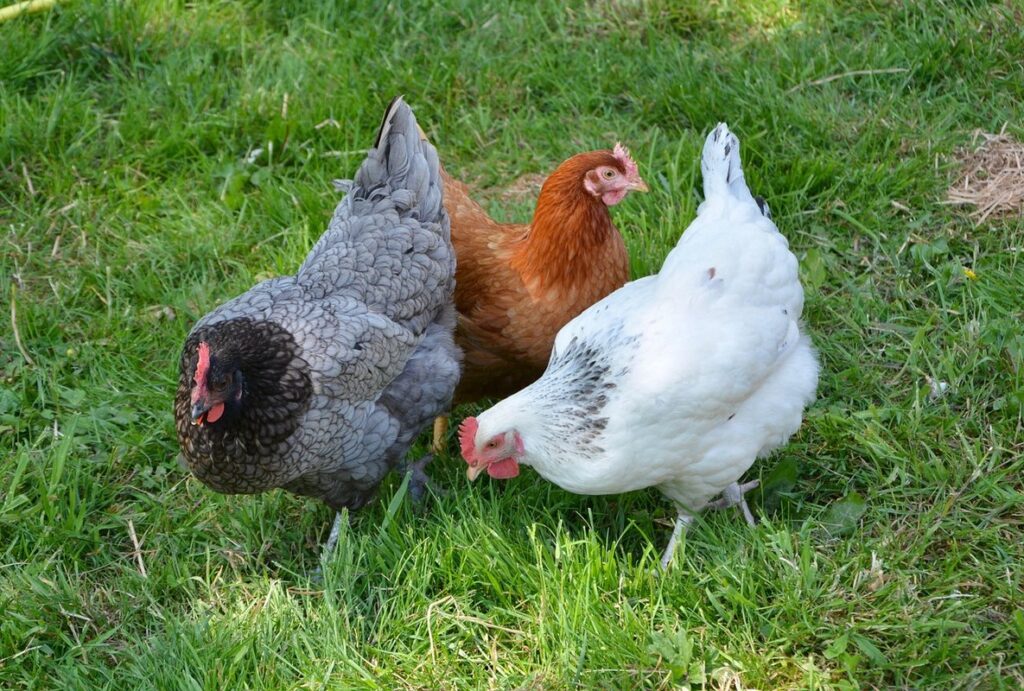
Characteristics and Benefits
When choosing the perfect white egg laying chicken, it’s essential to know what characteristics and benefits they bring to your backyard flock. Let’s dive into their unique traits!
Advantages of Keeping White Egg Layers
White egg laying chickens have become a popular choice among backyard chicken keepers for many reasons. One of the primary advantages is their temperament – they are generally friendly, docile, and easy-going, making them perfect for families with children or for those who want to enjoy interaction with their birds.
When it comes to egg-laying abilities, white egg layers have an impressive track record. Some popular breeds like Leghorns and Cornish can lay up to 280 eggs per year, which is a significant contribution to your family’s breakfast table. Not only do they produce plenty of eggs, but they also tend to be prolific layers from a relatively young age.
Another reason why white egg laying chickens are so well-liked is their low maintenance requirements. They are hardy birds that can thrive in a variety of conditions and environments, making them perfect for beginners or those with limited space. With proper care and attention, these birds will provide you with years of enjoyment and delicious eggs, while requiring minimal fuss and effort.
Regular cleaning and grooming are essential to keep your white egg layers happy and healthy, but their overall maintenance needs are relatively low compared to other breeds.
Recognizable Traits of White Egg Layers
When it comes to recognizing white egg laying chickens, there are several physical characteristics that distinguish them from other breeds. One of the most obvious traits is their plumage color – white egg layers typically have a solid white coat with no other colors present. However, some breeds may have slight variations in their feathers, such as a light grey or buff tint on their wings and tail.
Another distinguishing feature is the shape and size of their comb. White egg laying chickens tend to have a single comb that’s medium-sized and erect, often with a slight curve at the tip. The color of the comb can range from pink to red, depending on the individual bird. Leg length is another characteristic worth noting – white egg layers usually have shorter legs compared to other breeds.
It’s essential to note that these characteristics can vary slightly among different breeds, so it’s crucial to research specific breed standards if you’re trying to identify a white egg layer. By paying attention to these physical traits, you’ll be able to confidently recognize and distinguish white egg laying chickens from other varieties.
Choosing the Right Breed
When it comes to choosing the perfect white egg laying chicken for your backyard flock, several breeds stand out from the rest. Let’s take a closer look at these top contenders!
Popular Breeds of White Egg Laying Chickens
If you’re new to raising white egg laying chickens, it’s essential to know which breeds are most popular among backyard chicken keepers. Among the many wonderful options, some stand out for their unique characteristics and advantages.
One of the most iconic breeds is the Leghorn. Known for its high egg production, these birds can lay up to 300 eggs per year, making them an excellent choice for families or small-scale farmers. Their eggs are large and white, with a moderate-sized body and light brown feathers.
Another popular breed is the Sussex, which boasts an impressive 200-220 eggs per year. These gentle giants have a beautiful golden-brown plumage and are known for their friendly nature, making them perfect for families with children.
Last but not least, we have the Rhode Island Red, which lays around 180-200 eggs annually. Their rich reddish-brown feathers and energetic personalities make them a favorite among chicken enthusiasts.
When choosing between these breeds, consider your climate, available space, and personal preferences. Remember to research each breed’s specific needs to ensure you’re providing the best possible care for your new feathered friends.
Factors to Consider When Selecting a Breed
When selecting a breed of white egg laying chicken, there are several factors to consider. Climate plays a significant role in determining which breed is best suited for your needs. For example, breeds such as Leghorns and Polish excel in warmer climates, while others like Brahma and Cochin do better in cooler temperatures.
Another important consideration is the amount of space you have available. If you’re a beginner or have limited space, it’s essential to choose a breed that doesn’t require extensive roaming or foraging areas. Breeds such as Silkies and Houdans are compact and make excellent choices for backyard flocks.
Egg-laying performance is also a key factor in selecting the right breed. If you’re looking for high-egg production, breeds like Leghorns and Rhode Island Reds are top performers, laying up to 300 eggs per year. However, if you prioritize egg size over quantity, consider breeds such as Orpingtons or Plymouth Rock.
Ultimately, it’s crucial to choose a breed that aligns with your lifestyle and needs. Research different breeds, their characteristics, and requirements to ensure you select the perfect white egg laying chicken for your flock.
Housing and Care Requirements
To raise happy and healthy white egg laying chickens, you’ll need to consider their housing and care requirements carefully. This means creating a suitable environment for your flock.
Providing Suitable Accommodation
When it comes to providing suitable accommodation for your white egg laying chickens, building or purchasing a coop that meets their needs is crucial. White egg laying chickens are active birds and require adequate ventilation to stay healthy. Ensure the coop has good airflow by installing windows, vents, or mesh panels to allow fresh air to circulate.
Lighting is also essential in a chicken coop. Aim for at least 10 hours of daylight inside the coop, supplemented with artificial lighting during winter months. This will help regulate their circadian rhythms and promote egg production.
Adequate nesting boxes are vital for your hens’ comfort and well-being. A good rule of thumb is to provide one nesting box per three chickens, ensuring each hen has a quiet spot to lay her eggs without disturbance. Consider adding a roof or canopy above the nesting box to shield it from rain and wind. You can also add soft bedding material like straw or wood shavings for comfort.
When building your coop, consider using durable materials that will withstand harsh weather conditions. A simple, sturdy design with easy access for cleaning and maintenance is ideal.
Nutrition and Health Considerations
When it comes to ensuring your white egg layers receive a balanced diet, there are several key considerations to keep in mind. The first step is to provide access to fresh water at all times and a high-quality layer feed that contains the necessary protein, vitamins, and minerals for optimal health.
In addition to their regular diet, you can supplement with fruits and vegetables such as leafy greens, carrots, and apples. However, be sure not to overdo it – excessive treats can lead to obesity and other health issues.
Some common health issues to watch out for in white egg layers include respiratory problems, mites, and internal parasites. To prevent these issues, make sure your coop is well-ventilated, clean regularly, and use a dusting powder to control mites.
It’s also essential to monitor your chickens’ behavior and health closely, as they can quickly become stressed or ill if not addressed promptly. Keep an eye out for signs of illness such as lethargy, labored breathing, or changes in egg production. By staying vigilant and providing a balanced diet and clean living environment, you can help keep your white egg layers happy and healthy.
Feeding and Nutrition
When it comes to raising happy and healthy white egg laying chickens, a well-balanced diet is essential for optimal production and overall well-being. In this crucial aspect of chicken care, we’ll dive into feeding tips and nutrition requirements.
Balanced Diets for White Egg Layers
White egg laying chickens require a balanced diet that meets their specific nutritional needs. A well-planned diet will ensure they produce healthy eggs and maintain optimal health. Protein is an essential component of chicken feed, and white egg layers need around 16-18% protein in their diet to support muscle growth and maintenance.
Calcium is also crucial for white egg laying chickens, as it helps build strong eggshell production. A minimum of 2.5% calcium content in the feed is recommended, but some producers may choose to supplement with additional sources like crushed oyster shells or dark leafy greens like kale. Vitamin D3 is another essential nutrient that promotes bone health and overall well-being.
A balanced diet for white egg laying chickens should also include other essential vitamins and minerals such as vitamin A, B complex, and E. Providing a mix of grains, proteins, and vegetables will ensure they receive all the necessary nutrients. For example, layer feed can be supplemented with fresh fruits and vegetables like apples, carrots, and sweet potatoes.
When formulating your white egg laying chickens’ diet, remember to:
* Provide 16-18% protein content
* Include a minimum of 2.5% calcium
* Add vitamin D3 supplements or dark leafy greens for enhanced bone health
By meeting these nutritional requirements, you can promote healthy growth and optimal egg production in your white egg laying chickens.
Supplementing with Fruits and Vegetables
Incorporating fruits and vegetables into your white egg laying chicken’s diet can have a significant impact on their overall health and productivity. A well-balanced mix of fresh produce can help promote healthy digestion, boost energy levels, and even enhance egg production.
To get started, consider adding small amounts of chopped carrots or apples to their daily feed. These easily digestible fruits and veggies are an excellent way to introduce a new variety into your flock’s diet. You can also try offering leafy greens like kale or spinach as a treat, providing a rich source of essential vitamins and minerals.
When introducing new produce, be sure to do so gradually to avoid digestive upset. Start with small amounts (about 1-2 tablespoons per bird) and monitor their behavior and egg production over the next few days. As they become accustomed to the new additions, you can increase the quantity or variety of fruits and veggies to keep them healthy and happy.
Some great options for incorporating fresh produce into your flock’s diet include:
* Shredding sweet potatoes or zucchini into their feed
* Adding a handful of chopped berries (strawberries, blueberries, or raspberries) as an occasional treat
* Sprouting broccoli or alfalfa seeds to provide a nutrient-rich snack
Remember, the key is to offer variety and moderation. A balanced diet for your white egg laying chickens should consist of approximately 70% high-quality layer feed, with the remaining 30% consisting of fresh fruits and vegetables.
Breeding and Management
To successfully raise healthy white egg laying chickens, you’ll want to understand the best breeding and management techniques to achieve optimal production. Let’s dive into some expert advice on how to do just that.
Breeding White Egg Layers
Breeding white egg laying chickens requires careful consideration of genetic diversity to ensure healthy and productive offspring. When selecting parents for breeding, it’s essential to choose individuals with desirable traits such as high egg production, good temperament, and disease resistance.
To maintain genetic diversity, it’s recommended to breed multiple lines or families within your flock. This approach helps prevent inbreeding, which can lead to reduced fertility, increased susceptibility to diseases, and decreased overall performance. For example, if you’re breeding for white egg laying hens, consider incorporating birds from different breeds or lines to introduce new genetic traits.
When selecting suitable parents, look for individuals that exhibit excellent health, high egg production, and good temperament. Take note of the breed’s history, origin, and specific characteristics that make them well-suited for your climate and management practices. By carefully selecting breeding stock and maintaining genetic diversity, you can produce healthy, productive white egg laying chickens that meet your needs and goals.
In addition to genetic diversity, consider other factors such as fertility, hatchability, and chick viability when evaluating potential parents. This will help ensure successful breeding outcomes and reduce the risk of losses due to poor breeding practices.
Managing a Flock of White Egg Layers
When you’re managing a large group of white egg layers, it’s essential to create an environment that promotes their overall health and well-being. One key aspect is reducing stress, which can be detrimental to their productivity and longevity. You can achieve this by providing adequate space per bird (around 3-4 square feet) and ensuring they have access to fresh air, clean water, and nutritious feed.
It’s also crucial to establish a social hierarchy among your flock. This will help prevent aggression and stress among the birds. You can encourage natural behavior by placing nesting boxes in quiet areas away from feeding and watering stations. Avoid overcrowding, as this can lead to conflicts over resources.
Maintaining hygiene is another critical factor in managing your white egg layers. Ensure that their living area is clean and free of disease-causing pathogens. Regularly clean feeders, waterers, and nesting boxes, and disinfect them with a 10% bleach solution. This will not only improve the health of your flock but also increase egg production and quality.
Frequently Asked Questions
How do I ensure my white egg laying chickens receive enough calcium for strong eggshell production?
It’s essential to provide your birds with a balanced diet rich in calcium, which can be achieved through layer feed or by supplementing their diet with crushed oyster shells. Ensure access to fresh water and a calcium source at all times to support their overall health.
Can I mix white egg laying chickens with other breeds, such as brown or golden varieties?
Yes, mixing different breeds is possible but requires careful consideration of compatibility and flock dynamics. Research the temperaments of various breeds to ensure they will get along, then introduce them gradually under close supervision.
How often should I collect eggs from my white egg laying chicken coop to maintain cleanliness and prevent breakage?
Collecting eggs daily helps maintain a clean and healthy environment for your birds. Regular collection also reduces the risk of breakage, which can spread disease or attract pests.
What are some signs of heat stress in white egg laying chickens during hot weather?
Watch for excessive panting, lethargy, or avoidance of direct sunlight as indicators of heat stress. Provide adequate shade, ventilation, and water access to prevent overheating and keep your birds comfortable.
Can I start breeding my own white egg laying chickens immediately after purchasing them, or is there a waiting period required?
Yes, you can begin breeding immediately if the birds are healthy and of suitable age for breeding. However, it’s recommended to give them time to establish themselves in their new environment before introducing new birds for breeding purposes.
How do I handle potential predators or pests that may threaten my white egg laying chicken flock?
Develop a plan for addressing common threats such as foxes, raccoons, and hawks by using barriers like fencing or netting. Regularly inspect your coop for signs of damage or vulnerabilities to prevent predator entry.