
Raising white Pekin ducklings can be a delightful experience, but it requires attention to detail to ensure they grow into happy and healthy ducks. If you’re new to raising ducklings, choosing the right ones is crucial – look for those with bright eyes, fluffy feathers, and active movements. Providing optimal nutrition and healthcare is also essential in their early stages of development. In this article, we’ll cover everything you need to know about caring for your white Pekin ducklings, from selecting healthy ducklings to feeding them a balanced diet and monitoring their health. With expert tips and advice, you’ll be well-equipped to provide the best possible start in life for these adorable creatures. Whether you’re an experienced breeder or just starting out, this guide will walk you through the process of raising happy and healthy white Pekin ducklings.
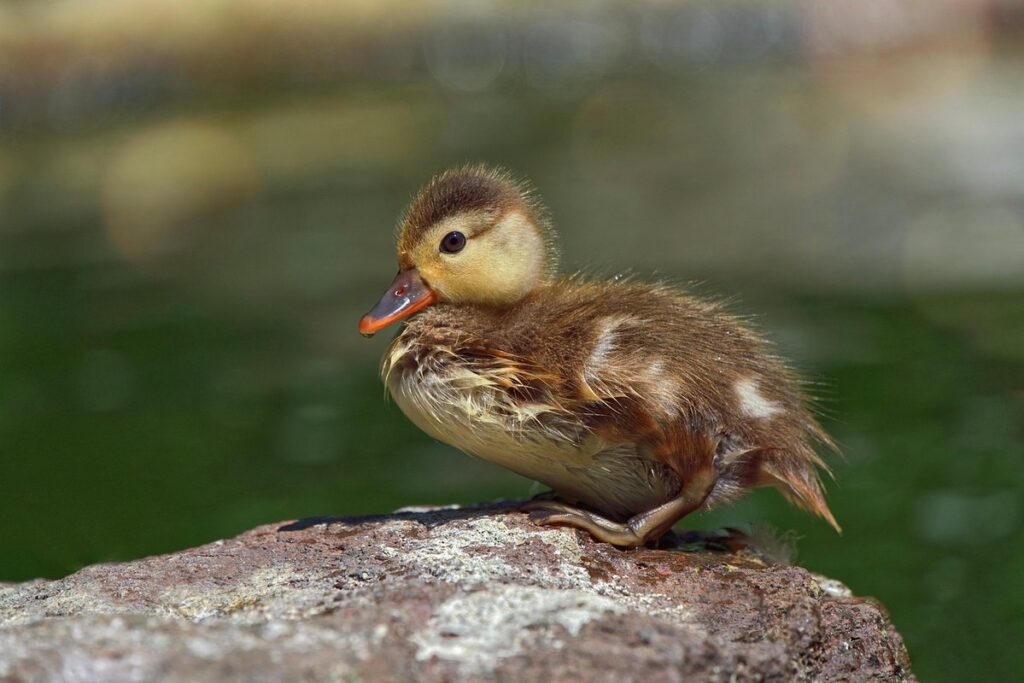
Introduction to Raising White Pekin Ducklings
Welcome to raising your very first White Pekin ducklings! In this section, we’ll cover the essential steps for getting started and setting them up for a happy, healthy start.
Benefits of Keeping White Pekin Ducklings
Keeping white pekin ducklings as pets is a rewarding experience that brings joy and companionship to many families. One of the primary reasons people choose to raise these adorable creatures is their unique personalities. White Pekin ducklings are known for being friendly, curious, and social, making them an excellent addition to any backyard or farm.
In addition to their charming nature, raising white pekin ducklings also offers a chance to teach children valuable lessons about responsibility and animal care. As you watch your ducklings grow from tiny balls of fluff to confident adults, you’ll develop essential skills such as feeding, grooming, and health monitoring. Not only will this experience help build confidence in kids, but it will also foster a deeper appreciation for the natural world.
Moreover, keeping white pekin ducklings can be a great way to introduce yourself or your family to sustainable living. With their eggs providing an excellent source of protein, you’ll have access to fresh, healthy food right in your own backyard. This unique opportunity allows you to take control of your nutrition and reduce your reliance on industrial farming practices.
Choosing Healthy Ducklings
When selecting healthy ducklings from reputable breeders or suppliers, it’s essential to know what to look for. Healthy ducklings should have bright, alert eyes and be active, with no signs of lethargy or labored breathing. Their feathers should be clean and well-groomed, and their beaks should be free of stains or discoloration.
To avoid common health issues like respiratory problems, choose ducklings that are well-ventilated and kept in a clean environment. Reputable breeders will often provide documentation on vaccination records and guarantee the health of their birds. Be wary of suppliers who offer ducklings at significantly lower prices than average – this can be a sign of illness or poor breeding practices.
When inspecting your ducklings, also look for signs of good feather quality, such as shiny, even plumage and no missing feathers. Healthy ducklings should have strong leg bones and no visible deformities. By selecting healthy ducklings from the start, you’ll set yourself up for success in raising happy, thriving birds.
Housing and Equipment for White Pekin Ducklings
When it comes to raising happy and healthy white pekin ducklings, providing a suitable environment is crucial. Let’s talk about what you’ll need to provide them with proper housing and equipment.
Setting Up the Brooder
When setting up the brooder for your White Pekin ducklings, it’s essential to create a safe and comfortable environment that meets their unique needs. Start by selecting a suitable location for the brooder, away from drafts and predators.
To regulate temperature, you’ll need heat lamps specifically designed for poultry. Ensure they’re placed at least 2-3 feet off the ground to prevent burns and fires. A good rule of thumb is to provide 100-150 watts per square foot of brooder space. This will help maintain a consistent temperature range between 90°F to 95°F (32°C to 35°C) during the first week.
In addition to heat lamps, you’ll also need bedding material such as pine shavings or straw to absorb waste and provide insulation. Line the brooder floor with at least 2-3 inches of bedding, making sure it’s dry and free from drafts.
Lastly, adequate ventilation is crucial for maintaining air quality in the brooder. Install windows or vents that allow fresh air to circulate while keeping predators out. A good ventilation system will help prevent ammonia buildup and keep your ducklings healthy.
Providing Adequate Space and Water
When it comes to housing and equipment for White Pekin ducklings, one of the most critical aspects is providing adequate space and water. Ducklings need room to move around comfortably, which helps them stay healthy and active. A general rule of thumb is to provide at least 2-4 square feet of space per duckling inside the coop, with a minimum of 10-12 inches of headroom. This allows them to stretch their wings, exercise, and engage in natural behaviors.
In addition to adequate space, it’s essential to ensure access to clean water at all times. A duckling can drink up to 1 cup of water per day, depending on its age, size, and activity level. Make sure the waterer is placed securely inside the coop, elevated off the ground to prevent drafts and keep the water fresh. It’s also crucial to change the water frequently to prevent bacterial growth.
Ducklings can quickly become stressed if their living conditions are cramped or dirty. By prioritizing space and providing access to clean water, you’ll help create a happy, healthy environment for your White Pekin ducklings to thrive in.
Nutrition and Feeding White Pekin Ducklings
When it comes to raising healthy and happy white pekin ducklings, proper nutrition and feeding are crucial for their growth and development. In this section, we’ll cover the dietary needs of these adorable birds.
Starter Feed and Grit Requirements
As you introduce starter feed to your white pekin ducklings, it’s essential to provide them with a high-quality feed that meets their specific nutritional needs. White pekin ducklings require a diet rich in protein and energy to support rapid growth and development.
When selecting a starter feed for your ducklings, look for a feed specifically formulated for waterfowl or poultry, rather than a general-purpose feed. A typical starter feed for white pekin ducklings should contain around 20-22% protein, with a balanced mix of vitamins and minerals.
In addition to a high-quality starter feed, it’s also crucial to provide your ducklings with access to grit. Grit is essential for helping the ducklings digest their food properly, as it allows them to grind up their feed in their gizzard, a muscular organ found in the digestive tract of birds.
A good quality grit should be made from natural materials such as flint or granite, and should be coarse enough to help prevent over-grinding. You can purchase grit specifically formulated for waterfowl at most farm supply stores or online retailers.
Provide your ducklings with access to fresh grit at all times, and replenish the supply regularly to ensure it remains clean and free of contamination.
Supplementing with Fresh Fruits and Vegetables
When it comes to providing your White Pekin ducklings with a balanced diet, supplementing their feed with fresh fruits and vegetables is crucial for promoting healthy growth and development. Introducing these nutrient-rich foods can help stimulate their appetite, support their immune system, and encourage the absorption of essential vitamins and minerals.
Start by introducing small amounts of chopped apples or carrots into their feed, gradually increasing the quantity over time to prevent digestive upset. Leafy greens like kale, spinach, and collard greens are also excellent additions, rich in calcium and iron that promote strong bone growth and healthy feather production.
Some other fruits and vegetables you can consider adding to their diet include berries (strawberries, blueberries, raspberries), citrus fruits (oranges, lemons), and sweet potatoes. However, be sure to introduce these new foods gradually and in moderation to prevent upsetting the ducklings’ sensitive stomachs.
Remember, fresh fruits and vegetables should never replace their commercial starter feed but rather supplement it. Always choose organic options whenever possible, wash them thoroughly before serving, and provide a clean source of water for your ducklings to stay hydrated.
Health Care and Common Issues in White Pekin Ducklings
When it comes to your White Pekin duckling’s health, there are a few common issues you should be aware of from an early age. These can often be prevented or treated with proper care and attention.
Vaccinations and Medications
As you raise your White Pekin ducklings, it’s essential to protect them from common diseases. Vaccinations and medications play a crucial role in keeping your flock healthy.
One of the most significant threats to young ducklings is Marek’s disease, a viral condition that can be fatal if left untreated. To prevent this, consult with a veterinarian about administering a Marek’s vaccine at 1-2 weeks old. This will provide protection against the virus and reduce the risk of infection.
Newcastle disease is another critical concern for duck farmers. This highly contagious viral disease can cause respiratory problems, tremors, and even death. To prevent Newcastle disease, ensure your ducklings receive a live Newcastle vaccine at around 3-4 weeks old. It’s also crucial to maintain strict biosecurity measures on your farm to minimize the risk of transmission.
Remember to always work closely with a veterinarian when selecting vaccinations and medications for your White Pekin ducklings. They will help you determine the best course of action based on local regulations, flock size, and other factors.
Recognizing Signs of Illness
As a white pekin duckling owner, it’s essential to be aware of the common health issues that can affect these adorable birds. Recognizing signs of illness early on is crucial to prevent complications and ensure they receive prompt treatment.
Start by monitoring their behavior, appetite, and stool quality closely. Respiratory problems are one of the most common health issues in ducklings, often caused by bacteria or viruses. Look out for labored breathing, wheezing, or coughing, which can be accompanied by a runny nose and eyes. If you notice any of these symptoms, provide your duckling with plenty of fresh air and a clean, dry environment.
Diarrhea is another common issue in ducklings, often caused by bacterial infections or poor diet. Keep an eye out for loose stools, vomiting, or lethargy, and ensure they’re receiving a balanced diet rich in probiotics to support their digestive health. External parasites like mites, lice, and fleas can also infest your duckling’s feathers, causing discomfort and stress. Regularly inspect their plumage and take action if you notice any signs of infestation.
Keep a close eye on your duckling’s overall health and watch for any unusual behavior or symptoms. If you’re unsure about the cause of an issue or need advice, consult with a veterinarian experienced in caring for waterfowl.
Training and Socialization for White Pekin Ducklings
Training a white pekin duckling requires patience, consistency, and positive reinforcement to develop good habits and behaviors. With proper socialization, they’ll grow into confident and friendly adult ducks.
Handling and Taming Techniques
When it comes to handling and taming ducklings, especially during their early age, it’s essential to do so safely and humanely. Start by gently picking them up, supporting their body and keeping them secure against your chest or under your arm. Make sure to handle them regularly from a young age to prevent imprinting and make the process smoother.
To tame your ducklings, begin with short sessions of interaction and gradually increase the time as they become more comfortable around you. Start by simply sitting near them, letting them get used to your presence before attempting to touch or hold them. Reward their calm behavior with treats like mealworms or bread crumbs.
It’s also crucial to respect their boundaries. If a duckling shows signs of stress or aggression, such as hissing, flapping its wings, or trying to nip you, give it space and allow it to calm down before attempting interaction again. As they grow older, your handling will become more robust, enabling you to move them around with ease.
Be gentle yet firm when moving them, ensuring their feet are secure in the carrier or on a stable surface to avoid injury. With patience, consistency, and positive reinforcement, your White Pekin ducklings will develop essential social skills and form strong bonds with you.
Introducing Ducklings to Other Animals
When it comes to introducing white pekin ducklings to other animals in the household, patience and caution are essential. Start by keeping the new additions separated from existing pets until they’re at least 4-6 weeks old. This allows both parties to get used to each other’s presence without feeling threatened or territorial.
Begin by allowing your dog, cat, and chickens to catch a whiff of the ducklings through fencing or netting. As they become accustomed to the new scents, you can start supervised interactions under close supervision. For example, you might initially place the ducklings in a separate enclosure near their existing living spaces, gradually increasing face-to-face encounters.
For households with dogs, establish a consistent training routine that teaches them not to harass or chase the ducklings. Reward your dog for calm behavior around the new additions, and ensure they’re well-fed before interacting with the ducklings to reduce competitiveness.
When integrating chickens with ducklings, it’s crucial to maintain separate feeding stations and nesting areas. This minimizes competition and stress among both groups. With patience and proper planning, socialization between white pekin ducklings and other animals can be a harmonious experience for all parties involved.
Advanced Care for Older White Pekin Ducks
As your ducklings grow and mature, their care needs will evolve, and it’s essential to know how to provide optimal care for older white pekin ducks to ensure their health and well-being. Proper attention to their specific needs is crucial at this stage.
Transitioning from Starter Feed
As your White Pekin ducklings grow and mature, it’s essential to transition them from starter feed to a maintenance diet. This typically happens between 16 to 20 weeks of age, when they’ve reached about 50% of their adult weight.
To initiate the transition, start by mixing a small amount (about 10%) of maintenance feed with their current starter feed for a few days. Gradually increase the proportion of maintenance feed over the next week or two until they’re fully switched over.
Monitoring your ducks’ weight and overall health is crucial during this period. Be sure to keep an eye on their appetite, as some ducks may take longer than others to adjust to the new diet.
A general rule of thumb is to provide about 1/4 pound of food per duckling per day for maintenance-level activity. Adjust this amount based on individual needs and energy levels. Consider splitting daily rations into two or three feedings to prevent overeating and reduce waste.
Providing Exercise and Stimulation
As adult White Pekin ducks grow and mature, their physical and mental needs must be constantly assessed to ensure they remain healthy and happy. Providing exercise and stimulation is crucial to prevent boredom, stress, and behavioral problems that can arise from a lack of mental and physical activity.
Consider enrolling your adult White Pekin duck in a supervised swimming program or providing access to a secure, fenced area where they can forage and engage in natural behaviors like pecking at the ground. You can also rotate their enclosure or living space to introduce new sights, smells, and experiences to stimulate their curiosity.
Another essential aspect is to provide toys and enrichment activities tailored to their specific needs. Fillable puzzle toys with treats, hanging feeders that challenge them to figure out how to access food, and scratching posts can all help reduce stress and boredom. Rotate these items regularly to keep things interesting and prevent repetition. By incorporating a variety of physical and mental stimulation methods into your adult White Pekin duck’s daily routine, you’ll not only improve their overall well-being but also strengthen the bond between you and your feathered companion.
Frequently Asked Questions
Can I raise White Pekin ducklings indoors if it’s cold outside?
Yes, with proper ventilation and heating, you can raise your white pekin ducklings indoors even during the coldest months. Make sure to provide enough space for them to move around comfortably and install a heat lamp or radiator in their brooder to maintain a safe temperature (around 90-100°F) until they are at least 6 weeks old.
How often should I clean the ducklings’ enclosure, and what disinfectants can I use?
Cleaning the enclosure regularly is crucial for maintaining your white pekin ducklings’ health. Remove soiled bedding daily and change it completely every week or two. Use a mixture of water and unscented bleach (1 part bleach to 10 parts water) as a disinfectant, and make sure to rinse all surfaces thoroughly before letting the ducklings back in.
What are some common mistakes new breeders make when caring for White Pekin ducklings?
New breeders often overlook providing adequate calcium supplementation, leading to weakened bones and eggshell defects. They may also mistake normal shedding or molting for illness, neglecting to provide a balanced diet. Regularly checking their droppings for signs of illness, such as blood or mucus, can help you avoid these mistakes.
Can I raise multiple duckling species together, including White Pekin?
While it’s technically possible, raising different duckling breeds together can lead to stress and disease transmission. If you do choose to raise multiple species, make sure they are compatible in terms of size, temperament, and feeding requirements. Keep a close eye on their behavior and separate them immediately if you notice any signs of aggression or illness.
How long does it take for White Pekin ducklings to become fully grown and start laying eggs?
White pekin ducks typically reach maturity at around 12-16 weeks old, although they may begin laying eggs as early as 18-20 weeks. Make sure to provide a balanced diet, sufficient calcium, and adequate space during this period to ensure optimal growth and egg production.