
Are you at your wit’s end with an aggressive rooster on your hands? It can be a daunting task, especially if you’re new to backyard chicken keeping. Not only is aggressive behavior a concern for your own safety and well-being, but it also poses a risk to your other animals and neighbors.
As a responsible rooster owner, it’s essential to know when it’s time to cull an aggressive rooster. But before making that difficult decision, you want to be sure that you’ve tried every possible solution to address the issue. That’s where this article comes in – we’ll delve into the signs of aggressive behavior, explore its underlying causes, and provide humane methods for tackling the problem.
In this post, we’ll cover everything from identifying aggression to understanding when culling is truly necessary. By the end of it, you’ll have a solid grasp on how to manage aggressive roosters humanely and make informed decisions about your flock’s well-being.
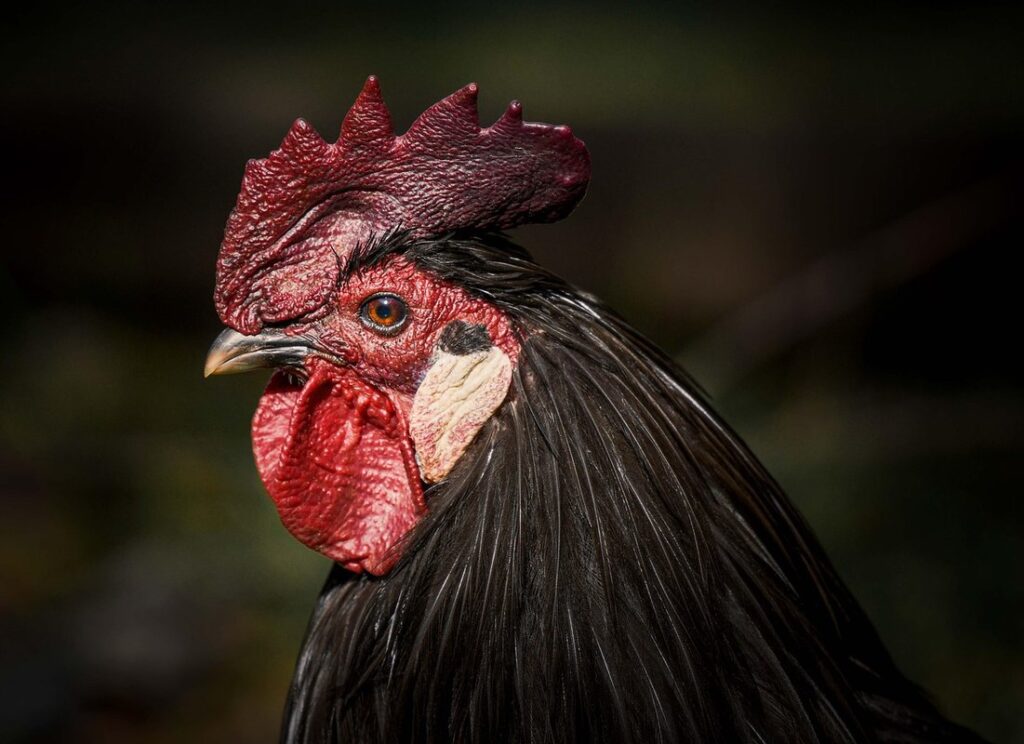
Recognizing the Problem
Identifying the signs of aggression is crucial, so let’s explore the characteristics and behaviors that indicate your rooster may be a problem on your farm or in your backyard.
Identifying Signs of Aggression in Roosters
Aggressive roosters can be intimidating and even threatening to other birds and humans. To identify if you have an aggressive rooster on your hands, look out for common behaviors such as attacking other birds or humans without provocation. This can range from a quick peck to full-blown fighting.
Another sign of aggression is the display of dominance behaviors. Aggressive roosters may crow loudly, often to assert their dominance over the flock. They may also puff out their feathers, making themselves appear larger and more intimidating. Additionally, they might engage in persistent pecking or chasing of other animals, which can be a warning sign that they’re feeling aggressive.
It’s essential to pay close attention to these behaviors, as they can escalate quickly. If you notice any of these signs, it’s crucial to address the issue before someone gets hurt. Take a closer look at your rooster’s behavior and try to determine what might be triggering his aggression. Is he being overfed or under-stimulated? Has he been introduced to new birds too quickly?
Observe your rooster carefully and take steps to mitigate any aggressive tendencies you notice. If the problem persists, it may be time to consider culling the rooster for the safety of your flock and yourself.
Understanding the Causes of Aggression
When you notice aggression in your rooster, it’s essential to investigate the underlying causes. Aggression can be triggered by a combination of genetic, hormonal, and environmental factors.
Genetic predisposition is one possible reason behind a rooster’s aggressive behavior. Some breeds are naturally more aggressive due to their breeding history or genetic makeup. For instance, certain game bird breeds have been selectively bred for aggression, making them more prone to fighting. If you’re raising birds from hatchlings, it may be challenging to identify the root cause of aggression.
Hormonal imbalances can also contribute to aggression in roosters. Excess testosterone is a common issue, especially in young birds. Testosterone levels surge during adolescence, leading to assertive and aggressive behavior. Hormonal imbalances can be caused by various factors, such as inadequate nutrition or stress. For example, if your rooster is being fed a high-protein diet without adequate calcium, it may lead to an imbalance.
Environmental factors like lack of space or social interaction can also contribute to aggression in roosters. If your birds are confined to small enclosures with limited opportunities for exercise and socialization, they may become frustrated and aggressive.
Assessing the Rooster’s Behavior
To accurately determine if a rooster is aggressive, you need to pay close attention to its behavior and body language over time. This includes observing its interactions with humans and other birds in your flock.
Evaluating the Level of Aggression
Evaluating the level of aggression in a rooster is crucial to determine whether culling is necessary. To do this effectively, you need to observe and record the frequency and severity of attacks. Start by noting how often aggressive behavior occurs, such as chasing, pecking, or fighting with other birds. Consider factors like time of day, stress levels, and presence of other animals when assessing the circumstances surrounding these incidents.
Document specific instances of aggression, including date, time, and details of what happened. This information will help you identify patterns and potential triggers for aggressive behavior. For example, if your rooster tends to become aggressive during mating season or when competing for food, this could indicate underlying issues that need addressing.
It’s also essential to assess the severity of attacks, considering factors like the size of the wounds inflicted on other birds, as well as any apparent physical harm caused to the rooster itself. By monitoring and recording these details over time, you’ll gain a more accurate understanding of your rooster’s behavior, enabling you to make an informed decision about whether culling is necessary.
Identifying Red Flags for Culling
If you notice that your rooster’s aggression persists or worsens despite your efforts to address the underlying causes, it may be time to consider culling. Persistent or severe aggression towards humans or other animals is a significant red flag. This can manifest as repeated attacks on people, chickens, or even pets in the surrounding area.
Escalating behavior that cannot be controlled through training or management techniques is another warning sign. For example, if your rooster has been exhibiting aggressive behavior for weeks and shows no signs of improvement despite implementing new enrichment activities, providing additional space, or trying different feeding schedules, it’s likely a more serious issue.
It’s essential to monitor your rooster’s behavior closely, taking note of patterns and triggers that may contribute to the aggression. By recognizing these warning signs early on, you can make an informed decision about whether culling is necessary to protect yourself, others, or the rest of your flock from harm.
Considering Alternative Solutions
When it comes to dealing with aggressive roosters, you may be wondering if there’s a way to save him instead of culling. This section explores alternative solutions that might just work for your feisty fowl.
Training and Socialization Techniques
When dealing with aggressive roosters, some owners may feel that training and socialization techniques are worth trying before considering culling. One such approach is positive reinforcement training using a clicker. This method involves associating desired behavior with a reward, such as treats or praise. By focusing on what the rooster does right, rather than correcting its wrong actions, you can build trust and encourage more pleasant interactions.
Gradual exposure to calm environments or other animals is another technique worth exploring. Start by introducing your aggressive rooster to calm surroundings, such as a quiet room or a peaceful outdoor area. Gradually increase exposure time, rewarding the rooster for remaining calm. Similarly, when reintroducing the rooster to other birds, do it gradually, allowing them to become familiar with each other’s presence and behavior.
Desensitization and counterconditioning protocols can also be effective in reducing aggression. This involves exposing the rooster to the stimulus that triggers its aggression (e.g., a specific sound or movement) while providing a positive outcome, such as treats or affection. Over time, the rooster will learn to associate the stimulus with something pleasant rather than threatening.
Environmental Modifications
Before considering culling an aggressive rooster, it’s essential to explore potential environmental modifications that may alleviate his aggression. One of the primary reasons roosters become aggressive is due to stress and boredom. By making a few simple changes to their living environment, you can significantly reduce aggression.
Increasing space or providing enrichment activities can make a huge difference. Consider adding perches, ladders, or even a small playground area for your rooster to explore. This will not only give him exercise but also provide mental stimulation, keeping him engaged and entertained. For example, you could hang food puzzle toys filled with treats, which challenge the rooster to figure out how to get them out.
Improving lighting and ventilation in the coop is another crucial aspect. Ensure good airflow by installing windows or vents to prevent ammonia buildup from droppings. Additionally, consider using full-spectrum lighting to mimic natural daylight, reducing stress caused by artificial light cycles. Modifying feeding and watering schedules can also be beneficial. Provide multiple feeding stations to reduce competition, and ensure clean water is always available. By implementing these simple modifications, you may find that your rooster’s aggression subsides, allowing you to maintain a harmonious flock.
Culling as a Last Resort
If you’ve tried everything and your aggressive rooster still poses a threat, culling may be unavoidable to ensure safety for yourself, family, and other animals. In this section, we’ll explore the final considerations before making such a difficult decision.
Weighing the Decision to Cull
Determining whether culling is the best course of action for an aggressive rooster requires careful consideration of several factors. Start by evaluating the rooster’s overall health and well-being. If the rooster is showing signs of stress, aggression can escalate, making it increasingly difficult to manage.
Consider local regulations regarding roosters in your area. Some municipalities have laws prohibiting or restricting roosters due to noise concerns or animal welfare issues. Ensure you’re not breaking any local rules by keeping an aggressive rooster on your property.
Market demand for roosters is another critical factor. If roosters are in high demand, you may be able to sell the aggressive bird rather than culling it. However, if market demand is low or non-existent, culling might be a more viable option. In either case, consult with local breeders or poultry enthusiasts to determine whether your rooster has any redeeming qualities that could offset its aggression.
Ultimately, weighing these factors will help you make an informed decision about the best course of action for your aggressive rooster.
Humanely Culling an Aggressive Rooster
If you’ve decided that culling is indeed the best option for your aggressive rooster, it’s crucial to do so humanely. This means ensuring a quick and painless death, which not only respects the animal’s life but also shows consideration for your own emotional well-being.
Firstly, research local laws and regulations regarding animal disposal in your area. Some municipalities have specific guidelines on how to properly dispose of deceased animals, while others may require permits or documentation. Familiarize yourself with these requirements to avoid any potential issues.
When it’s time to humanely kill the rooster, make sure you have a suitable location for the procedure. A quiet, isolated spot away from other animals and family members is ideal. You’ll also need a humane killer tool, such as a captive bolt pistol or a sharp knife specifically designed for this purpose. Approach the task calmly and with focus to ensure a swift and painless death.
Aftermath and Prevention
Now that you’ve decided to cull your aggressive rooster, let’s discuss what comes next: caring for your flock during this transition and strategies to prevent future aggression.
Managing Stress and Emotions
Managing the emotional aftermath of dealing with an aggressive rooster can be just as challenging as managing the bird itself. It’s essential to acknowledge that culling a beloved pet is never easy and can have a significant impact on your mental health.
Firstly, let’s talk about coping strategies for stress and anxiety. This experience can leave you feeling drained, irritable, and even depressed. To mitigate these feelings, take breaks from the situation by engaging in activities that bring you joy, such as exercise, hobbies, or spending time with loved ones. Additionally, practice self-care by getting enough sleep, eating a balanced diet, and seeking support from friends, family, or a mental health professional if needed.
Maintaining relationships between humans and other animals can also be affected. If your aggressive rooster has been causing tension in the household, it’s crucial to address this dynamic. Start by evaluating your interactions with other pets and make adjustments as necessary. This might involve separating resources, like food and water, or giving each animal its own space. By prioritizing harmony within your home, you can minimize stress and create a more peaceful environment for everyone involved.
Implementing Rooster Selection and Breeding Practices
When it comes to reducing aggression in roosters, implementing thoughtful selection and breeding practices can make all the difference. A crucial step is identifying genetic markers associated with a calm temperament, which can be achieved through selective breeding programs. Researchers have pinpointed specific genes linked to docility in chickens, allowing breeders to prioritize these traits when selecting parents for their flocks.
Developing breeding programs focused on desirable traits like docility requires careful planning and attention to detail. This involves choosing roosters with a calm demeanor and pairing them with hens that exhibit similar characteristics. By doing so, you’re increasing the likelihood of producing offspring with reduced aggression levels.
To take this process a step further, consider working with experienced breeders who have already identified and selected for docile genetic markers in their stock. This collaboration can help ensure that your breeding program is on the right track. Remember to keep detailed records of your selections and breeding outcomes to monitor progress and refine your approach over time. By adopting these strategies, you’ll be well on your way to reducing aggression in your flock through targeted selection and breeding practices.
Conclusion and Final Thoughts
Now that we’ve explored the reasons why you might need to cull your rooster, let’s discuss how to approach this difficult decision and what to consider next.
Recap of Key Takeaways
As we conclude this article on recognizing signs of aggression in roosters and deciding when to cull them, let’s recap the key takeaways that will help you become a more informed and responsible backyard chicken keeper.
Recognizing the warning signs of aggression is crucial to preventing injuries to humans and other animals. These signs include loud crowing at dawn and dusk, aggression towards people or other birds, and territorial behavior such as pecking at predators. It’s essential to address these behaviors early on to prevent them from escalating into more severe problems.
By taking proactive steps to address underlying causes of aggression, you can often resolve issues without needing to cull the rooster. This may involve improving the rooster’s living conditions, providing adequate space and enrichment, or introducing him to other calm birds. However, if your rooster’s behavior is causing harm to himself or others, it’s crucial to prioritize everyone’s safety by considering culling.
By being aware of these key points, you’ll be better equipped to make informed decisions about the welfare of your flock and take proactive steps to prevent aggression in the future.
Encouragement for Responsible Rooster Ownership
As you’ve navigated the complex decision of whether to cull an aggressive rooster, it’s essential to remember that responsible rooster ownership is a crucial aspect of creating a safe and harmonious environment for all. It’s not just about removing a problematic bird; it’s about recognizing your role as a steward of these animals.
Education plays a vital part in ensuring you’re prepared to care for your flock. By staying informed, you can anticipate potential issues before they arise and make proactive decisions to maintain the well-being of both humans and birds. Critical thinking is also essential; don’t be swayed by emotions or personal biases when evaluating the behavior of your roosters.
As you continue on this journey, remember that every flock is unique, and what works for one may not work for another. Be patient, observe carefully, and trust in the process. By combining knowledge with critical thinking, you’ll create a balanced ecosystem where all members – human and bird alike – can thrive.
Frequently Asked Questions
Can I still keep my aggressive rooster if he’s a favorite pet?
No, it’s essential to prioritize the safety of your family, other animals, and neighbors over sentimental attachment to any particular animal. Culling an aggressive rooster is often the most humane decision, even for beloved pets.
What are some common mistakes people make when culling an aggressive rooster?
One common mistake is underestimating the level of aggression or not recognizing the warning signs soon enough. Another mistake is failing to address underlying causes of aggression, such as lack of socialization or inadequate space.
How do I know if my rooster’s behavior is a result of injury or illness, rather than aggression?
Pay attention to changes in your rooster’s body language and vocalizations. If he’s exhibiting unusual behaviors like pacing, feather plucking, or vocalizing excessively, it could be a sign of underlying health issues.
Can I cull an aggressive rooster if he’s still young?
Yes, it’s often more humane to cull a young aggressive rooster before he develops long-term behavioral patterns. This can help prevent the animal from causing harm to others and reduce the risk of passing on his aggressive traits through breeding.
What should I do with my other birds after humanely culling an aggressive rooster?
After culling, it’s crucial to monitor your flock for signs of stress or trauma. Provide extra space, enrichment activities, and social interaction to help them recover from the experience. Consider consulting a poultry expert for guidance on reintegrating your flock.