
Are you eagerly awaiting your pullet’s first eggs? You’re not alone! Many chicken keepers wonder when their young hens will start laying, and how to support them along the way. Identifying the signs that a pullet is ready to lay her first egg is crucial in ensuring she stays healthy and productive throughout her life.
In this comprehensive guide, we’ll delve into the world of pullet development, exploring genetics, nutrition, environment, and more to help you understand what makes your hen tick. From observing behavior and physical changes to creating a supportive laying environment, we’ve got you covered. By the end of this article, you’ll be well-equipped to recognize the first egg signs in your pullets and provide the best possible start to their egg-laying journey.
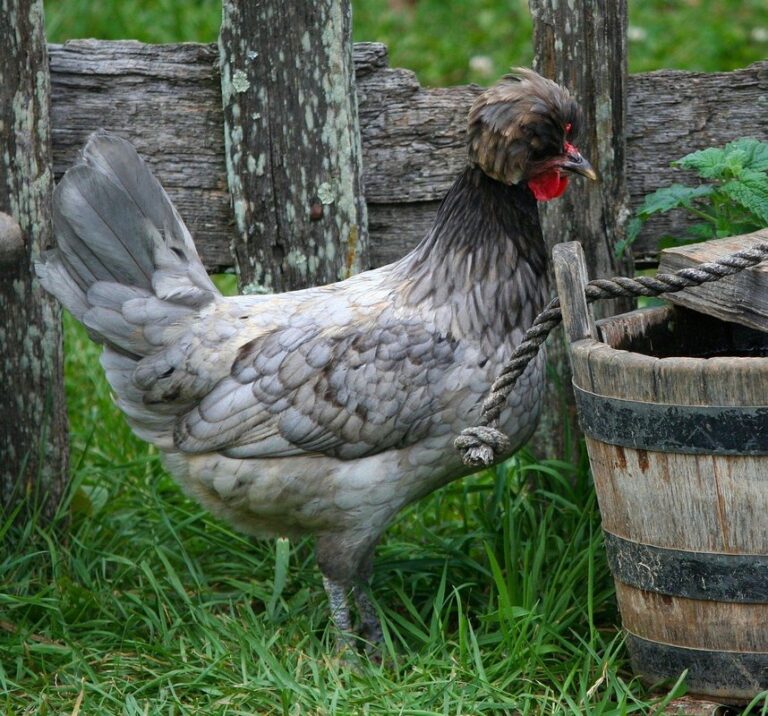
Understanding Pullet Development and Egg Laying
To truly appreciate those first egg signs, it’s essential to understand how pullets develop and mature into productive layers. Let’s break down their growth stages together.
The Role of Genetics in Egg Production
When it comes to egg production, genetics play a significant role in determining when and how often a chicken will lay eggs. A pullet’s genetic makeup can affect its ability to produce eggs at an early age, with some breeds being more prone to early development than others.
Some popular egg-laying breeds, such as Leghorns and Rhode Island Reds, are known for their high egg production and tend to start laying eggs earlier in life. These breeds typically begin producing eggs between 16-20 weeks of age. On the other hand, heritage breeds like Plymouth Rock and Wyandotte may take a bit longer to mature, starting to lay eggs around 22-24 weeks.
While genetics can influence egg-laying ability, it’s essential to remember that individual characteristics, such as health and nutrition, also play a significant role. To encourage early egg production in your pullets, ensure they receive adequate nutrition, including a balanced diet rich in protein and calcium, along with proper care and management practices.
Nutrition and Health Factors Influencing Pullet Growth
A well-balanced diet is crucial for pullet growth and reproductive readiness. Nutrients such as protein, calcium, and phosphorus are essential for developing strong bones, muscles, and egg-laying organs. A high-quality starter feed should contain around 16-18% protein to support muscle growth and development. However, if the pullets don’t receive adequate nutrients, it can impact their growth rate, leading to slower egg production.
Health factors also play a significant role in pullet development. Respiratory diseases, such as bronchitis and pneumonia, can be detrimental to their health and may lead to stunted growth or even death. Additionally, parasites like worms and mites can cause stress and weaken the immune system, further hindering growth and reproductive readiness.
To optimize pullet nutrition and health, ensure access to clean water at all times and maintain a safe, disease-free environment. Regularly check for signs of illness or infestation and take action promptly if any issues arise. By prioritizing their nutritional needs and maintaining good health practices, you can help your pullets reach optimal egg-laying potential.
Environmental and Management Considerations
When it comes to recognizing first egg signs in pullets, environmental and management considerations play a crucial role. The right conditions can significantly influence a pullet’s development and egg-laying maturity.
Light exposure is a critical factor in pullet development. Pullets require a photoperiod of 14 hours of light and 10 hours of darkness to stimulate egg production. However, if the lighting is too intense or inconsistent, it can disrupt their natural rhythm and delay egg laying. Make sure your pullets have access to adequate shade and shelter from direct sunlight.
Climate also affects pullet development. Extreme temperatures, whether hot or cold, can impact their growth and reproductive health. In regions with harsh climates, consider using climate-controlled housing or providing additional ventilation to maintain a comfortable temperature range.
Management practices, such as nutrition and hygiene, are equally important. Ensure your pullets have access to fresh water and nutritious feed at all times. Regularly clean the coop to prevent disease and parasites that can compromise egg production.
By considering these environmental and management factors, you’ll be better equipped to recognize first egg signs in your pullets and provide them with optimal conditions for successful egg laying.
Identifying Physical Signs of First Egg Production
As a new layer owner, it’s essential to learn how to recognize the physical signs that indicate your pullet is getting ready to lay her first egg. Look out for these subtle changes in behavior and appearance.
Feather Condition and Plumage Development
As you observe your pullet’s development, pay attention to changes in her feather condition and plumage. A pullet approaching reproductive readiness will exhibit distinct physical transformations. One of the earliest signs is a change in feather texture and appearance.
Look for shiny, smooth feathers on the pullet’s neck, breast, and back. These areas tend to develop a glossy sheen as estrogen levels increase, signaling the onset of reproductive maturity. In contrast, dull or brittle feathers may indicate that your pullet still has some growing to do.
As plumage development accelerates, you’ll notice a shift from juvenile to adult feathering patterns. This includes the growth of flight feathers on the wings and tail, as well as the replacement of soft down with stiff, rigid quills. Observe how these changes unfold over time, noting any irregularities or anomalies that might impact reproductive readiness.
By monitoring your pullet’s feather condition and plumage development, you’ll gain valuable insights into her approaching egg-laying maturity. Keep in mind that individual pullets may progress at different rates, so it’s essential to track multiple signs of reproductive readiness for a comprehensive understanding of their development.
Beak and Claw Growth Patterns
As you continue to observe your pullet’s behavior and physical changes, pay attention to their beak and claw growth patterns. These subtle signs can indicate a pullet’s maturity level and egg-laying potential.
A healthy beak should grow at a rate of about 1-2 mm per week during the molting period. If you notice your pullet’s beak is growing more slowly or irregularly, it may suggest a nutritional deficiency or underlying health issue that could impact their reproductive development. On the other hand, if their beak is growing too rapidly, it could indicate an overabundance of calcium in their diet.
Claw growth patterns are also worth monitoring. Typically, a pullet’s claws will grow at a steady rate until around 18-20 weeks of age, when they begin to show signs of molting. If you notice your pullet’s claws are growing more slowly or becoming brittle, it could be an indication that they’re about to start laying eggs.
By keeping an eye on these subtle changes, you can get a better sense of your pullet’s physical development and adjust their care accordingly. Remember to provide them with a balanced diet rich in calcium and other essential nutrients to support their growth and reproductive health.
Behavioral Signs of Approaching Maturity
As you observe your pullet’s behavior, pay close attention to changes in social interaction and foraging behavior. These subtle signs can indicate that she is about to start laying eggs. For example, a mature pullet may become less aggressive towards other birds or even begin to initiate play with her flock members.
On the other hand, you might notice a decrease in vocalization – your pullet may not be as loud or boisterous as before. This can be an indication that she is becoming more focused and introspective, signaling the onset of egg production.
Another important behavioral sign to watch for is changes in foraging behavior. Mature pullets tend to become more selective about their food choices, often opting for higher-protein foods like mealworms or sunflower seeds over grains. They may also begin to seek out areas with less competition and stress, such as nesting boxes or secluded feeding areas.
As you observe these behavioral changes, take note of any patterns or consistencies in your pullet’s behavior. By paying attention to these signs, you’ll be better equipped to identify when she is likely to start laying eggs.
Recognizing Hormonal Changes and Cycles
As you help your pullets mature, it’s essential to be aware of the hormonal changes they’re experiencing to better identify when they’ll start laying eggs. Keep reading to learn how to recognize these changes and cycles in your flock.
Understanding the Role of Estrogen in Egg Production
Estrogen is a key hormone that plays a vital role in triggering egg production in pullets. As these young hens mature, their ovaries start to produce estrogen, which eventually leads to the release of eggs from the follicles. The increase in estrogen levels signals the onset of ovulation and subsequent egg laying.
As pullets approach sexual maturity, it’s essential to recognize the subtle changes that occur in their hormone levels. Factors such as nutrition, light exposure, and stress can significantly influence estrogen production. For instance, a diet rich in calcium supports bone health, which in turn promotes optimal estrogen levels necessary for reproductive function. Providing adequate light hours also stimulates the hypothalamus-pituitary-gonadal axis, leading to increased estrogen secretion.
To support healthy estrogen production, ensure your pullets are receiving a balanced diet and sufficient light exposure. Monitor their behavior and physical changes closely, as these can be early indicators of hormonal shifts. By understanding the role of estrogen in egg production, you’ll be better equipped to recognize first egg signs in your pullets and provide them with optimal care during this critical period.
Monitoring and Managing Stress Hormones
Monitoring stress levels is crucial when raising pullets, as excessive stress can negatively impact their egg-laying behavior. Stress hormones like cortisol disrupt the balance of other hormones essential for egg production. When a pullet experiences chronic stress, it can lead to delayed or reduced egg production.
To monitor and manage stress in your flock, observe your birds’ behavior closely. Look for signs of anxiety such as pacing, feather pecking, or excessive vocalization. You should also pay attention to changes in appetite, droppings, and overall health. Regularly checking the coop’s temperature, humidity levels, and cleanliness can help prevent stress caused by environmental factors.
To reduce stress, provide your pullets with a well-ventilated, spacious coop and adequate hiding places. Ensure they have access to fresh food and water at all times. Introduce them gradually to new environments and people to minimize startling events. Additionally, consider providing enrichment activities like foraging toys or scratching posts to keep them engaged and stimulated.
Supporting Pullets Through First Egg Laying
Now that you’ve identified your pullet’s first egg signs, it’s time to provide her with the support she needs during this critical phase of development. Learn how to nurture her through her transition into laying eggs.
Providing Adequate Nutrition and Vitamins for Reproductive Health
As pullets enter their first egg-laying phase, providing adequate nutrition and vitamins becomes crucial for supporting their reproductive health. A balanced diet is essential to ensure the production of healthy eggs, and a deficiency in key nutrients can lead to reproductive problems down the line.
Crucial vitamins such as calcium, vitamin D3, and B vitamins play a significant role in maintaining reproductive health. Calcium is necessary for eggshell formation, while vitamin D3 helps regulate hormone balance. B vitamins like thiamin, riboflavin, and niacin support overall metabolic function and energy production.
To ensure your pullets receive the necessary nutrients, focus on providing a layer feed that’s formulated specifically for young hens. Supplementing with oyster shells or crushed eggshells can also provide an extra boost of calcium. Additionally, consider offering fresh fruits and vegetables rich in vitamins A, C, and E to support overall health.
Aim to provide 16-18% protein, along with adequate amounts of calcium and phosphorus in your layer feed. This will help maintain optimal reproductive function during the first egg-laying cycle.
Maintaining Optimal Living Conditions for Pullets
As pullets begin to approach their first egg-laying milestone, it’s essential to maintain an optimal living environment that supports their physical and emotional well-being. A healthy and stress-free environment is crucial during this critical period, as it can significantly impact the development of their reproductive system.
To create such an environment, start by ensuring adequate space for your pullets. The general rule of thumb is to provide at least 4-5 square feet per bird inside the coop and 8-10 square feet in the run. This allows them to move around comfortably without feeling cramped or stressed. Additionally, ensure good ventilation within the coop to prevent ammonia buildup from their droppings.
Maintaining a clean living space is also vital. Regularly remove soiled bedding, replace it with fresh material, and disinfect all surfaces to minimize disease transmission. Provide a balanced diet that meets your pullets’ nutritional needs, including adequate calcium for strong eggshell development. Ensure access to fresh water at all times, and consider adding supplements like oyster shells or crushed eggs shells to support their bone health.
Regular monitoring of temperature and humidity levels within the coop is also necessary. Keep the environment between 40°F to 80°F (4°C to 27°C) for optimal comfort.
Common Challenges and Solutions During First Egg Laying
As you prepare for your pullet’s first egg-laying cycle, it’s essential to be aware of common challenges that may arise and know how to address them quickly. This section will walk you through potential issues and their solutions.
Managing Health Issues Related to Reproductive Maturity
As pullets approach reproductive maturity, they may experience various health issues related to their developing reproductive system. One common problem is cloacal prolapse, which occurs when the muscles surrounding the vent (the opening through which eggs are laid) weaken, causing the vent to protrude from the body. This can be a painful and potentially life-threatening condition if left untreated.
To manage cloacal prolapse effectively, it’s essential to provide your pullets with a balanced diet that includes adequate calcium and vitamins A and D. You should also ensure they have access to clean, dry litter at all times to prevent bacterial infections. Regular health checks are crucial in detecting this issue early on, so make sure to inspect your birds’ vents regularly.
Additionally, you may notice changes in your pullet’s droppings or behavior if she is experiencing reproductive problems. For instance, a dull comb and wattles or a decrease in appetite can be indicative of hormonal imbalances or other issues related to reproductive maturity.
Encouraging Healthy Behavior and Reducing Stress
As you wait for those first eggs to appear, it’s essential to create an environment that encourages healthy behavior and reduces stress in your pullets. A stress-free surroundings can make a significant difference in the health and well-being of your birds.
Provide plenty of space for your pullets to roam around, exercise, and engage in natural behaviors like scratching, perching, and dust bathing. This will help them burn off excess energy and maintain their physical and mental health. Ensure they have access to fresh air, sunlight, and adequate ventilation to promote eggshell quality and overall health.
Make sure the feeding and watering systems are easily accessible and maintained regularly. A clean and organized coop is also crucial in preventing stress and promoting healthy behavior. Remove any signs of disease or parasites, and keep the nesting boxes clean to encourage your pullets to lay eggs safely and comfortably.
By creating a stress-free environment, you’ll be able to monitor your pullet’s first egg signs more effectively, reducing the likelihood of health issues and increasing their overall productivity.
Conclusion: Supporting Your Pullets’ First Egg Laying Journey
Now that you’ve identified your pullet’s first egg signs, it’s essential to support her during this exciting journey. As she prepares to lay her first eggs, make sure to provide a balanced diet rich in calcium and protein to promote healthy development. A clean and safe coop is also crucial, ensuring she has a stress-free environment to focus on laying her eggs. Keep an eye out for any signs of distress or discomfort, such as lethargy or changes in appetite. By monitoring her behavior and providing the necessary care, you’ll be able to help your pullet transition smoothly into egg production.
Regular check-ins with your pullet will also help you catch any potential issues early on. Keep an eye out for nesting behavior, as this is a sign that she’s preparing to lay eggs. Create a comfortable nesting box by adding soft bedding and ensuring adequate ventilation. By supporting your pullet during this critical phase, you’ll be rewarded with a happy and healthy flock.
Frequently Asked Questions
How long does it take for a pullet to start laying eggs after showing physical signs of maturity?
Concise, valuable answer…
While the main article covered various signs of approaching maturity, some readers might be curious about the exact timeline. Generally, it can take anywhere from 16 to 24 weeks (4-6 months) for a healthy pullet to produce its first egg after showing visible physical changes. However, this timeframe can vary depending on factors such as breed, nutrition, and living conditions.
What if my pullet is showing signs of maturity but still not laying eggs? Should I be concerned?
Concise, valuable answer…
Yes, if your pullet is demonstrating typical signs of first egg production (e.g., feather condition changes, behavioral shifts) but hasn’t started laying yet, you should monitor its overall health and adjust management practices accordingly. Common reasons for delayed egg-laying include inadequate nutrition, stress, or underlying health issues.
How can I support my pullets’ reproductive health during the transition from growing to laying?
Concise, valuable answer…
To ensure a smooth transition, focus on providing adequate nutrition rich in essential vitamins and minerals (e.g., calcium, vitamin D3), ensuring optimal living conditions (e.g., suitable temperature range, adequate space), and reducing stress through proper management practices.
Are there any specific nutrient deficiencies that can impact egg production or reproductive health?
Concise, valuable answer…
Yes, inadequate nutrition can significantly affect a pullet’s ability to produce eggs. Key nutrients include calcium for strong eggshell development, vitamin D3 for bone growth and overall health, and omega-3 fatty acids for skin and feather maintenance.
How do I manage stress hormones in my flock during the first egg-laying period?
Concise, valuable answer…
To mitigate the impact of stress on your pullets’ reproductive health, ensure they have access to a balanced diet, maintain optimal living conditions (e.g., adequate space, suitable temperature range), and implement stress-reducing practices like providing dust baths or increasing social interaction.