
Are you tired of dealing with dusty chicken coops? It’s not just an annoyance, but excessive dust can lead to respiratory issues in your flock. A well-managed coop is essential for maintaining a healthy and thriving bird population. Dust management involves more than just sweeping up the mess; it requires a thoughtful approach that takes into account your coop design, ventilation systems, and even feeding habits. In this comprehensive guide, we’ll walk you through the best practices for minimizing dust levels in your chicken coop. From designing an airy coop to effective cleaning strategies and smart feeding techniques, we’ve got you covered. Our expert advice will help you create a cleaner, healthier environment for your birds, ensuring they live their best lives.
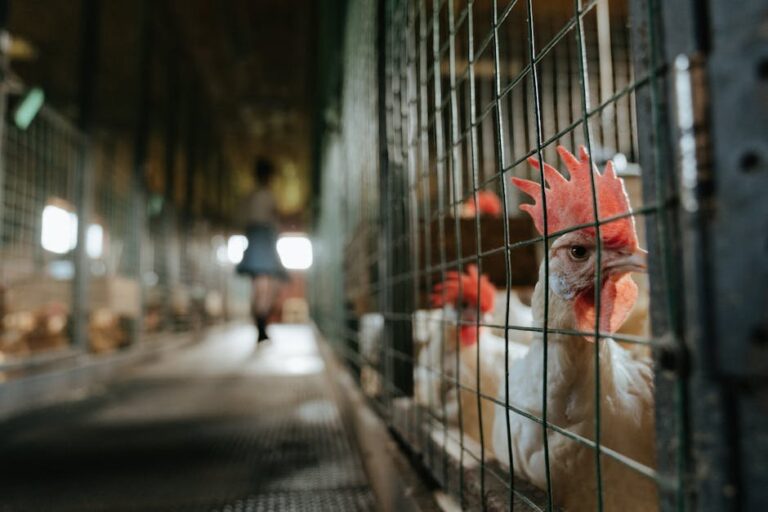
Understanding Chicken Coop Dust
When it comes to chicken coop dust, understanding its source and composition is crucial for effective management. Let’s break down the key factors that contribute to dust in your flock’s living space.
The Problem of Dry Air in Chicken Coops
Dry air is a significant contributor to high dust levels within chicken coops. When the air is dry, it can cause moisture to evaporate from the chickens’ skin and droppings, leading to an increase in dust particles. This is especially problematic during cold winter months when heating systems are often used, further reducing humidity levels.
In dry climates, the issue is exacerbated by the natural conditions. However, even in regions with relatively high humidity, poor ventilation systems can also contribute to the problem. Inadequate airflow allows dust particles to become airborne and circulate throughout the coop, settling on surfaces and posing health risks to the chickens.
The negative impact of dry air on chicken health cannot be overstated. Respiratory issues are a common consequence, with conditions such as pneumonia and bronchitis becoming more prevalent in environments where dust levels are high due to dry air. It’s essential to maintain a healthy balance of humidity within your coop to mitigate these risks.
Importance of Maintaining Humidity Levels
Maintaining optimal humidity levels within your chicken coop is crucial for several reasons. Firstly, it significantly reduces the amount of dust generated by your flock’s activities. Dust is a major contributor to respiratory issues and other health problems in chickens, so keeping it under control is essential. By maintaining a comfortable humidity level, you’ll notice a substantial decrease in dust production.
This, in turn, has a positive impact on your birds’ respiratory health. When the air is too dry, it can exacerbate respiratory conditions such as bronchitis and pneumonia, making them more susceptible to illness. By keeping the humidity levels just right, you’ll help prevent these issues from arising. Furthermore, optimal humidity also enhances egg production in chickens. Research has shown that hens laying eggs under ideal humidity conditions tend to produce healthier, more consistent eggs.
Aim for a humidity level between 40-60% for optimal results. You can achieve this by using a humidifier or dehumidifier, depending on the climate you’re in. It’s also worth noting that maintaining proper ventilation within your coop is equally important. This ensures the air inside remains fresh and healthy, further reducing dust buildup.
Types of Dust-Reducing Materials
There are several types of materials you can use to help reduce dust in your chicken coop, including absorbent powders and wetting agents that work wonders. Let’s explore them further!
Natural Options: Wood Shavings, Pine Straw, and More
When it comes to reducing dust levels in your chicken coop, natural materials can be an excellent option. Let’s explore some popular choices and their pros and cons.
Wood shavings are a common choice for bedding material, but they can also help absorb moisture and reduce dust. Pine straw is another option that’s both eco-friendly and effective at controlling dust. Recycled paper products, such as shredded newspaper or cardboard, are also worth considering. These materials are often inexpensive and readily available.
However, it’s essential to note that natural materials can also harbor mites, fleas, and other pests. To minimize this risk, make sure to clean and refresh your bedding regularly. For example, you can replace pine straw every 2-3 months or more frequently if needed.
In addition to the above, consider using a combination of materials to achieve optimal dust reduction. For instance, layering wood shavings with recycled paper products can create an effective barrier against dust while also providing a comfortable surface for your chickens to walk on.
Synthetic Options: What You Need to Know
When it comes to dust reduction in chicken coops, synthetic materials have gained attention as an alternative to traditional options. These materials are designed to reduce dust by capturing airborne particles and preventing them from circulating back into the coop. Two common types of synthetic dust-reducing materials are vinyl mats and plastic sheets.
Vinyl mats, for instance, can be placed under roosts or in areas where chickens tend to accumulate dust. They work well because they trap dust particles and prevent them from becoming airborne. On the other hand, plastic sheets are typically used to cover surfaces such as feeding troughs and nesting boxes. These sheets help contain dust generated by chickens during their daily activities.
However, it’s essential to consider potential health risks associated with synthetic materials. Some may release volatile organic compounds (VOCs) or chemicals that can contaminate feed or water. Therefore, choose products that are labeled as non-toxic and safe for use in animal enclosures. When selecting synthetic dust-reducing materials, ensure they meet your specific needs by assessing factors such as durability, ease of cleaning, and compatibility with your coop’s design.
Coop Design Considerations
When designing a chicken coop, consider how you can minimize dust generation and reduce the amount of dust that settles on surfaces. A well-designed coop layout is crucial in this regard.
Ventilation Systems for Effective Air Exchange
When it comes to managing dust in chicken coops, ventilation plays a crucial role. Proper air exchange is essential for maintaining a healthy environment for your flock. Inadequate ventilation can lead to a buildup of ammonia fumes from droppings, respiratory problems, and stress on the birds.
A well-designed coop should prioritize airflow through strategic placement of windows, doors, and vents. Consider installing adjustable roof vents that allow for manual control over airflow. This is particularly important during hot summer months when temperature regulation can be challenging.
To minimize dust buildup, incorporate features that promote air circulation, such as:
* High ceilings to create vertical space for air to rise
* Offset nesting boxes to facilitate air movement underneath
* Avoid cluttering walls and floors with unnecessary storage or equipment
By incorporating these ventilation design features, you’ll be able to maintain a healthier environment for your flock, reducing the risk of respiratory issues and other health problems. Regular cleaning and maintenance will still be necessary, but proper ventilation sets the foundation for effective dust management.
Coop Orientation: Minimizing Direct Sunlight Exposure
When designing your chicken coop, one crucial consideration is its orientation to minimize direct sunlight exposure. This might seem counterintuitive at first, as we often associate sunlight with a healthy and happy flock. However, too much direct sunlight can actually exacerbate dust levels within the coop.
By positioning your coop to receive morning or late afternoon sun, you can reduce the intense heat that contributes to dust accumulation. As chickens move around and fluff their feathers, they stir up existing dust particles in the air. In hot conditions, this process is amplified, resulting in a higher concentration of airborne dust.
To minimize direct sunlight exposure, aim for a north-facing coop orientation or install some form of shading device, such as awnings or a trellis. This will not only reduce heat stress but also slow down dust circulation within the coop, creating a healthier environment for your flock.
Cleaning and Maintenance Best Practices
Now that we’ve covered why dust management matters, let’s dive into the practical tips for keeping your chicken coop clean and running smoothly. Regular maintenance is key to a happy and healthy flock.
Daily Cleaning Tasks to Keep Dust at Bay
Daily cleaning tasks are crucial to managing dust levels in your chicken coop. Start by removing soiled bedding, which can harbor moisture and create a perfect breeding ground for dust-causing microorganisms. Use a rake or shovel to collect the old bedding and dispose of it properly.
Next, clean feeders and waterers to prevent dust from accumulating on these essential items. Wash them with soap and warm water daily, and dry thoroughly before refilling them with fresh food and water. This simple task can significantly reduce dust levels in your coop.
Don’t forget to disinfect all surfaces daily, including walls, floors, and nesting boxes. Use a solution of one part white vinegar to nine parts water or a pet-safe cleaning product specifically designed for animal enclosures. Spray the solution onto surfaces, let it sit for a few minutes, then wipe clean with a damp cloth. This will help control dust mites, bacteria, and other microorganisms that contribute to dust buildup.
Remember, consistency is key when it comes to daily cleaning tasks. By incorporating these habits into your routine, you’ll be well on your way to reducing dust levels in your chicken coop and maintaining a healthy environment for your flock.
Deep Cleaning: A Comprehensive Guide for Coop Owners
Deep cleaning your chicken coop is an essential part of maintaining a healthy flock. It’s not just about removing dirt and debris; it’s also an opportunity to inspect equipment, remove old bedding, and apply new coatings. Start by removing all the birds from the coop and take this chance to clean their feeders, waterers, and any other accessories.
Next, carefully remove the old bedding material – straw, hay, or pine shavings – making sure not to disturb the nesting boxes or perches. Discard the old material, as it can be contaminated with mites, lice, or bacteria that can harm your birds. Inspect all equipment for signs of wear and tear, checking hinges, doors, and wire mesh for any damage.
Apply a new coat of waterproofing to walls and floors to protect against moisture and prevent rust on metal components. Finally, replace the bedding material with fresh, clean stuff – ideally, organic materials like straw or hay that won’t harbor mites or lice. This thorough process ensures your coop remains dust-free and provides a safe environment for your chickens to thrive in.
Reducing Dust Through Feeding Strategies
When it comes to reducing dust in your chicken coop, feeding strategies play a significant role. By making a few adjustments to their diet, you can help minimize the amount of dust they produce.
Offering Dusty Feed Alternatives
When it comes to managing dust in your chicken coop, feeding habits play a significant role. Traditional loose feeds can contribute significantly to dust levels, as they tend to create a fine powder that becomes airborne easily. This is especially true for foods like whole grains, meal mixes, and scratch grains.
To reduce dust generation from feed, consider switching to pelletized or extruded feeds instead. These types of feeds are made by compressing ingredients into small pellets, which significantly reduces the amount of dust produced. For example, a study by the University of California found that using pelleted feeds can decrease dust levels in chicken coops by as much as 70%.
Another benefit of pelletized and extruded feeds is that they’re often more palatable for chickens, reducing waste and promoting better overall health. Some popular brands offer high-quality pelletized feed options made from wholesome ingredients like corn, soybeans, and whole grains. When transitioning to these alternatives, be sure to gradually introduce them into your flock’s diet to prevent digestive upset. By making this simple switch, you can take a major step towards reducing dust levels in your chicken coop.
Water Quality and Its Impact on Chicken Health
When it comes to chicken health, water quality is often overlooked but plays a crucial role. A clean and fresh water supply is essential for maintaining a healthy flock. However, contaminated water can exacerbate respiratory issues like dust-related problems. When chickens drink from dirty water, they ingest bacteria, viruses, and other pathogens that can lead to diseases.
To maintain clean drinking water, change the water daily and ensure the waterer is cleaned regularly. Use a water filter or purification system to remove impurities. Regularly inspect the watering system for leaks and clogs. Provide multiple water sources in different locations to encourage chickens to drink from one place instead of another, potentially contaminated source.
Clean drinking water has several benefits for reducing dust. Firstly, it helps prevent respiratory issues that are linked to dust inhalation. Secondly, a healthy flock is less likely to produce excessive dust through their droppings and feathers. Lastly, clean water encourages better digestion and gut health in chickens, which further reduces the likelihood of dust-related problems.
Long-Term Solutions: Dust-Reducing Additives
Now that we’ve covered some quick fixes for dust reduction, let’s dive into long-term solutions that will help keep your coop and flock healthy. We’ll explore additives that can make a significant difference.
Organic Additives for Improved Air Quality
When it comes to reducing dust levels in chicken coops, organic additives can be a game-changer. By harnessing the power of nature, you can create a healthier environment for your flock without relying on harsh chemicals.
One popular option is essential oils like tea tree oil and lavender oil. These oils have natural antibacterial properties that can help reduce ammonia levels and minimize odors in the coop. Simply add a few drops to your chickens’ water or incorporate them into their bedding. For example, you can mix a few drops of tea tree oil with water and spray it on the walls and floors of the coop to create a protective barrier.
Another natural option is plant extracts like neem oil and diatomaceous earth. Neem oil has insecticidal properties that can help control mites and lice infestations, while diatomaceous earth acts as an abrasive, gently removing dust particles from your chickens’ feathers and the coop environment. Consider mixing a few tablespoons of neem oil with water to create a spray or adding diatomaceous earth to their bedding for effective results.
When incorporating organic additives into your chicken coop dust management strategy, remember to start with small amounts and monitor your flock’s response before adjusting quantities. This will ensure you’re providing the right amount of support without overwhelming your chickens’ sensitive systems.
Synthetic Dust Suppressants: Their Effectiveness and Potential Risks
Synthetic dust suppressants have gained popularity as a means to control dust levels within chicken coops. These products work by coating surfaces with a layer of material that reduces dust particles from becoming airborne. Some common types of synthetic dust suppressants used for this purpose include silica-based, calcium carbonate-based, and water-based formulas.
While these products can be effective in reducing dust levels, it’s essential to consider their potential health risks. Exposure to certain synthetic dust suppressants has been linked to respiratory issues in both humans and chickens. For example, some studies suggest that long-term inhalation of silica dust particles may cause lung damage in poultry.
If you’re considering using synthetic dust suppressants, weigh the benefits against the potential risks. Some alternatives to consider include natural dust control methods such as wetting down surfaces or increasing ventilation within the coop. Always follow the manufacturer’s instructions for use and take necessary precautions when handling these products to minimize exposure.
Frequently Asked Questions
Can I use a dehumidifier to combat dry air in my chicken coop?
Yes, using a dehumidifier can help reduce moisture levels in your coop, but be cautious not to overdo it, as extremely low humidity can exacerbate the problem. Monitor the readings and adjust as needed to maintain a balance between controlling dust and providing a healthy environment for your birds.
How often should I clean my chicken coop’s ventilation systems?
Regular cleaning of ventilation systems is essential for maintaining air quality. Aim to inspect and clean these areas at least every 2-3 weeks, depending on usage and climate conditions. Make sure to wear protective gear and use proper cleaning solutions to prevent damage or contamination.
What are some alternative options if I’m allergic to wood shavings or pine straw?
If you’re allergic to common dust-reducing materials like wood shavings or pine straw, consider alternatives such as coconut fiber, recycled paper products, or even using a combination of materials. Always test these alternatives in small areas before implementing them on a larger scale to ensure they don’t cause any issues.
Can I use synthetic additives as a quick fix for high dust levels?
While synthetic additives may provide immediate relief from excessive dust, it’s crucial to address the root causes rather than just masking symptoms. Overreliance on synthetic solutions can lead to long-term problems and even harm your birds’ health. Always prioritize natural and organic methods whenever possible.
How do I know if my coop is getting enough ventilation?
Pay attention to signs such as reduced dust levels, fresher air, or a decrease in ammonia odors. You can also use tools like hygrometers to measure humidity levels and CO2 monitors to assess air quality. Regularly inspect your ventilation systems, and consider adjusting or upgrading them if necessary to ensure optimal airflow.