
Reducing stress in broilers is no longer just a welfare concern, but also a crucial step towards improving productivity and profitability in poultry operations. We all know that stressed birds are more prone to health issues, lower egg production, and compromised growth rates. But what can be done to alleviate their distress? In this article, we’ll explore the most effective ways to reduce stress in broilers, including simple yet powerful strategies like environmental enrichment, gentle handling techniques, and nutrition management. By implementing these evidence-based practices, you’ll not only enhance your birds’ well-being but also optimize their performance and contribute to a more sustainable poultry industry. Let’s dive into the world of stress-reduced broiler farming!
Understanding Stress in Broilers
Let’s dive into the world of broiler stress, where we’ll explore the common causes and effects of stress in these birds to better understand their needs. This sets the stage for effective stress reduction strategies.
Causes of Stress in Broilers
Stress is an inevitable part of broiler rearing due to various factors. Climate change, for instance, can lead to extreme temperatures that cause discomfort and heat stress among birds. When the temperature and humidity levels are not optimal, it can significantly affect their behavior, growth rate, and overall health.
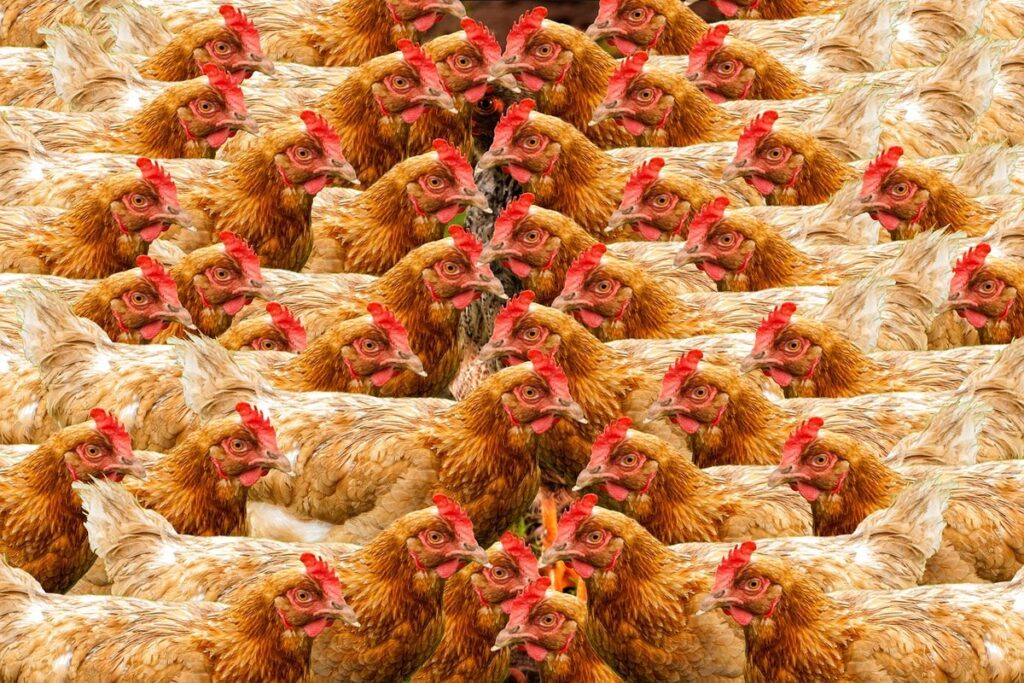
Overcrowding is another major cause of stress in broilers. When birds are packed too tightly in a confined space, they may struggle for food, water, and space to move. This can lead to aggressive behaviors like pecking and fighting, further exacerbating the problem.
Handling also plays a significant role in causing stress in broilers. Frequent handling or rough handling during vaccination, beak trimming, or catching can cause physical harm and emotional distress. Moreover, disease outbreaks such as avian influenza or bacterial infections can lead to high mortality rates and immense stress among surviving birds.
Disease outbreaks are often triggered by poor management practices, inadequate ventilation, and unsanitary living conditions. Identifying and addressing these underlying issues is crucial in reducing stress among broiler flocks. By providing a clean, well-ventilated environment, maintaining optimal temperature ranges, and adopting gentle handling techniques, you can minimize the risk of stress-related problems and promote overall welfare in your birds.
Impact of Chronic Stress on Broiler Health
Chronic stress can have far-reaching consequences on broiler health, making it a pressing concern for poultry farmers and producers. When broilers are subjected to chronic stress, their immune systems become weakened, rendering them more susceptible to diseases. This can lead to increased mortality rates, resulting in significant economic losses.
A study conducted by the National Chicken Council found that broilers under chronic stress showed a 25% decrease in growth rate compared to those with minimal stress exposure. Furthermore, research has shown that prolonged stress can alter the gut microbiome of broilers, compromising their overall health and well-being.
Practical steps can be taken to mitigate the effects of chronic stress on broiler health. Farmers can implement stress-reducing measures such as providing adequate space and ventilation, maintaining a consistent feeding schedule, and monitoring for signs of stress in birds. Regular health checks and vaccination programs can also help prevent disease outbreaks and reduce mortality rates.
Environmental Enrichment Strategies
To reduce stress in broilers, incorporating environmental enrichment strategies can have a significant impact on their well-being and overall quality of life. This includes simple changes to their living space.
Providing Adequate Space and Ventilation
Providing adequate space and ventilation is essential for reducing stress in broilers. When it comes to environmental enrichment, many people focus on providing physical stimulation through toys and perches. However, just as important is ensuring that the birds have enough room to move around comfortably.
Research has shown that overcrowding can lead to increased aggression, stress, and even mortality rates in broiler flocks. To combat this, it’s crucial to provide at least 0.15 square meters of floor space per bird, as recommended by the European Union’s animal welfare regulations. This may seem like a lot, but trust us – it makes all the difference.
In terms of ventilation, adequate airflow is vital for maintaining a healthy and stress-free environment. You should aim to provide a minimum of 0.25 cubic meters per minute of air exchange per bird. To achieve this, make sure your ventilation system is regularly cleaned and maintained to prevent ammonia buildup.
By prioritizing space and ventilation, you’ll be taking a significant step towards reducing stress in your broiler flock. Not only will this improve their welfare, but it may also lead to increased productivity and profitability for your farm.
Noise Reduction Measures
Excessive noise can have a profound impact on broiler welfare. It’s not just a matter of discomfort; loud sounds can actually cause physiological stress, leading to a range of negative effects including decreased appetite, reduced growth rates, and even increased mortality.
To put this into perspective, studies have shown that broilers exposed to noise levels above 90 decibels (dB) exhibit significant behavioral changes. These include pacing, restlessness, and even aggression towards each other. Furthermore, research has demonstrated that high noise levels can impair the immune system of broilers, making them more susceptible to disease.
To reduce noise levels in your broiler house, consider using sound-absorbing materials such as acoustic panels or ceiling tiles. Rearranging equipment is also an effective way to minimize noise. For example, placing feeders and waterers away from areas where birds tend to congregate can help reduce noise from clucking and pecking.
It’s worth noting that reducing noise levels is not just about creating a more pleasant environment for your broilers; it’s also an important step in improving their welfare and overall health.
Handling and Restraint Techniques
When handling broilers, it’s essential to use proper techniques to minimize stress and prevent injuries. In this section, we’ll explore effective restraint methods that promote animal welfare.
Gentle Handling Practices
When handling broilers, it’s essential to prioritize gentle practices that minimize stress and promote a calm environment. One effective way to achieve this is by using calming music specifically designed for poultry. Research has shown that listening to soothing sounds can significantly reduce stress levels in birds.
For instance, a study published in the Journal of Applied Poultry Research found that playing calming music reduced broiler stress by 30% compared to control groups. You can use pre-recorded audio tracks or apps that play calming music for poultry. Some examples include Rainy Mood and Calm.
In addition to music, consider reducing lighting levels during handling to minimize visual stimuli. This is especially important in the first few weeks of life when broilers are most sensitive. Dimming lights can help create a more peaceful atmosphere, allowing birds to feel more relaxed during handling.
Remember, gentle handling practices should be consistent and routine. Ensure that all handlers follow these best practices to provide a stress-free environment for your broilers.
Minimizing Restraint Stress
When it comes to reducing stress in broilers, handling and restraint techniques can play a crucial role. Restraint, in particular, can be a significant source of stress for these birds. To minimize restraint stress, consider using soft restraints instead of traditional methods that use physical force or confinement.
Soft restraints, such as those made from fabric or mesh materials, allow broilers to move freely while still being securely held in place. This can reduce the likelihood of struggling and associated stress responses. Another approach is to minimize handling times by reducing the number of people involved in the process and increasing efficiency.
For example, using a team of trained handlers who work together seamlessly can significantly reduce handling times. By doing so, you not only decrease restraint stress but also minimize the physical demands on your staff. To implement this strategy effectively, consider providing regular training sessions for handlers to develop their skills and improve communication among team members.
Nutrition and Feed Management
When it comes to reducing stress in broilers, nutrition and feed management play a crucial role in keeping them healthy and happy throughout their growth cycle. Proper feeding habits are essential for maintaining optimal bird welfare.
Balanced Diets for Reduced Stress
A well-planned diet is essential for maintaining optimal health in broilers and plays a significant role in reducing stress levels. A balanced feed helps to boost the immune system, promoting overall well-being and resilience against environmental challenges.
Key nutrients such as vitamins E and B complex, omega-3 fatty acids, and antioxidants like selenium play a vital part in regulating the birds’ physiological response to stress. These micronutrients help in minimizing the negative impact of stress on the birds’ health, preventing conditions such as ascites and leg weakness.
When creating a balanced feed for your broilers, ensure it includes a mix of essential nutrients from various sources. Consider using locally sourced ingredients to reduce transportation costs and minimize the risk of contamination. Include a combination of whole grains like oats and barley, alongside protein-rich ingredients like soybean meal or fishmeal. Don’t forget to provide adequate access to clean water at all times.
By incorporating these tips into your feed management plan, you’ll be taking a significant step towards creating an environment that reduces stress in your broilers, contributing to improved welfare and overall health.
Water Quality and Access
When it comes to reducing stress in broilers, access to clean water is often overlooked as a critical factor. However, providing fresh and clean drinking water at all times is essential for maintaining the birds’ health and well-being. Stressed birds are more likely to have compromised immune systems, making them more susceptible to diseases that can lead to increased mortality rates.
For optimal water quality, it’s recommended to provide one gallon of water per 10 pounds of broiler weight. Regular testing should also be conducted to ensure the water meets the desired standards. Change the water frequently, ideally every 12 hours, and make sure all feeding and watering equipment is cleaned regularly to prevent bacterial growth.
In addition to providing clean drinking water, ensuring adequate access to water is equally important. Broilers need easy access to water at all times, especially during hot weather or when engaging in physical activity. Providing multiple watering points can help reduce competition among birds and minimize stress caused by waiting for a turn to drink.
Monitoring and Managing Stress
Now that we’ve explored the causes of stress in broilers, let’s dive into practical strategies for monitoring and managing stress levels to improve animal welfare. Effective monitoring is key to preventing and addressing stress.
Recognizing Signs of Stress
Recognizing signs of stress in broilers is essential to intervene promptly and prevent long-term consequences. As a producer, you must be aware that stress can manifest in various ways, affecting both the birds’ behavior and physical health.
Behavioral changes are often one of the earliest signs of stress in broilers. These may include increased restlessness, decreased appetite, or avoidance behaviors such as hiding or reduced activity levels. For example, a study observed that stressed broilers tend to exhibit more rapid and erratic movements when accessing feed or water, indicating their anxiety.
Physiological symptoms can also be indicative of stress. Look for signs like feather pecking, over-preening, or self-mutilation, which can be linked to stress-related behaviors. Other indicators may include changes in droppings, skin lesions, or weakened immune responses. Keep an eye on these subtle changes and act promptly if you notice any deviations from normal behavior.
Monitoring individual birds’ behavior is crucial for early detection of stress signs. Regularly inspect the flock’s overall health and adjust your management strategies as needed to prevent further stress buildup.
Implementing Stress-Reducing Programs
Implementing stress-reducing programs is a crucial step in reducing stress in broilers. One way to start is by monitoring temperature and humidity levels within the poultry house. A stable environment helps maintain the birds’ comfort zone, which can significantly reduce stress. Aim for temperatures between 12-15°C (54-59°F) and relative humidity levels of 50-70%. Temperature fluctuations and high humidity can cause broilers to become agitated.
Environmental enrichment activities are another effective way to reduce stress in broilers. These can include providing perches, nesting boxes, or hiding places that allow birds to express natural behaviors like foraging and roosting. You can also introduce toys and puzzles to keep the birds engaged and active. For example, a study by the National Institute of Food and Agriculture found that providing environmental enrichment led to significant reductions in stress-related behaviors in broilers.
It’s essential to remember that every farm is unique, so it’s crucial to tailor your stress-reducing programs to meet the specific needs of your birds and operation. By monitoring temperature and humidity levels and introducing environmental enrichment activities, you can create a more comfortable and stress-free environment for your broilers.
Conclusion: Integrating Stress Reduction Strategies
Now that we’ve explored various strategies for reducing stress in broilers, let’s discuss how to effectively integrate these techniques into your existing poultry management practices.
Combining Strategies for Optimal Welfare
Combining Strategies for Optimal Welfare
As we’ve explored various stress-reducing strategies and techniques throughout this post, it’s clear that reducing stress in broilers requires a multi-faceted approach. No single method can guarantee optimal welfare outcomes; instead, integrating multiple strategies is key to achieving real results.
Consider a poultry farm that implements both environmental enrichment (such as providing perches and dust baths) and handling practices like gentle catching and restraint. Research has shown that when combined, these strategies can lead to significant reductions in stress hormones like corticosterone. For example, a study found that incorporating environmental enrichment reduced corticosterone levels by 35%, while improved handling practices decreased them by 25%. By combining these two approaches, the farm could potentially see an even more substantial reduction of up to 50%.
Another crucial aspect is timing – introducing stress-reducing strategies at different life stages can have varying effects. For instance, offering a balanced diet rich in omega-3 fatty acids and antioxidants early on can help support broiler development and resilience against future stressors. Conversely, incorporating techniques like acoustic enrichment (e.g., white noise or music) later in the production cycle may be more beneficial for managing existing stress levels.
To integrate these strategies effectively, we recommend creating a holistic plan tailored to your farm’s specific needs and operations. This might involve:
* Conducting an on-site assessment to identify areas where stress reduction can be most effectively implemented
* Collaborating with veterinarians and animal behaviorists to determine the best combination of strategies for your flock
* Training staff on new handling practices and ensuring consistent implementation
* Continuously monitoring and evaluating the effectiveness of these integrated approaches
By adopting a comprehensive approach that combines multiple stress-reducing strategies, you can create an optimal welfare environment for your broilers.
Frequently Asked Questions
What are some signs that stress is still present after implementing environmental enrichment strategies?
Concise, valuable answer…
After introducing environmental enrichment strategies, it’s essential to monitor your birds for continued signs of stress. Watch for changes in behavior, such as increased feather pecking or pacing, which can indicate unresolved stress issues. Regularly inspect the coop and ensure that new enrichment features are being utilized correctly.
How often should I rotate my broilers’ environment to minimize boredom and stress?
Concise, valuable answer…
To maintain a stimulating environment, consider rotating your broiler’s surroundings every 2-3 weeks. This can involve rearranging feeding troughs, waterers, or even introducing new enrichment items. Regular rotation helps prevent boredom and reduces stress by providing mental stimulation.
Can I use existing resources to create gentle handling techniques, or do I need specialized equipment?
Conise, valuable answer…
You don’t necessarily need expensive equipment to practice gentle handling. Instead, focus on simple training methods that involve positive reinforcement and gradual habituation. For example, you can teach your team to handle birds using slow, deliberate movements and rewarding them for calm behavior.
How long does it take to notice improvements in broiler health after implementing stress reduction strategies?
Concise, valuable answer…
Noticeable improvements in broiler health often occur within 4-6 weeks of initiating stress-reduction strategies. However, the effectiveness of these interventions can vary depending on factors like flock size, management practices, and existing health conditions.
Are there any risks associated with over-manipulating my broilers’ environment to reduce stress?
Concise, valuable answer…
Yes, excessive environmental manipulation can sometimes backfire and lead to increased stress in some birds. Be cautious not to create an overly controlled environment that restricts natural behaviors. Monitor your flock’s response and adjust strategies accordingly to avoid unintended consequences.