
When you have a backyard flock, collecting fresh eggs can be a thrilling experience. But, storing them properly is just as crucial to ensure their safety and quality. Refrigerating eggs from your backyard flock is not just a good practice, but it’s also essential for preventing foodborne illness. If not stored correctly, eggs can become contaminated with bacteria like Salmonella, which can lead to serious health issues. In this comprehensive guide, we’ll walk you through the process of refrigerating eggs safely and effectively. We’ll cover the best practices for maintaining safe cooling temperatures, storing eggs in a way that prevents moisture from entering the carton, and providing tips on how to check if your eggs are still good after storage. By following these simple steps, you can enjoy fresh, healthy eggs from your backyard flock while minimizing the risk of foodborne illness.
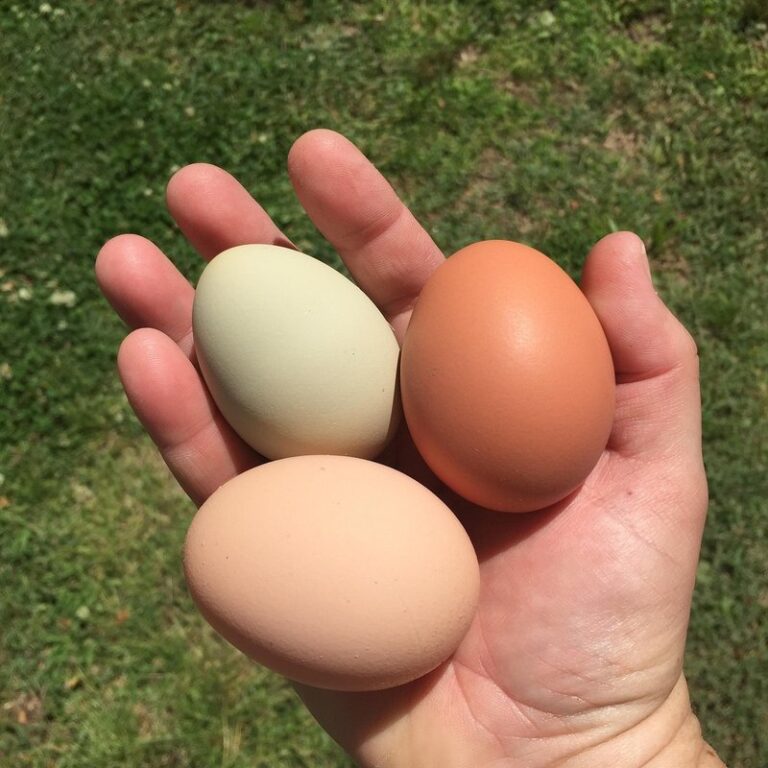
Importance of Proper Egg Storage
When it comes to storing eggs from your backyard flock, proper storage is crucial to prevent contamination and spoilage. In this section, we’ll explore the importance of getting it right.
Understanding the Risks of Improper Cooling
When you’re harvesting eggs from your backyard flock, it’s essential to understand the risks of improper cooling. The moment an egg is laid, bacteria can start to multiply on its surface. If not stored at proper temperatures, these bacteria can penetrate the shell and cause foodborne illness.
One common type of bacteria that thrives in warmer conditions is Salmonella. According to the US Centers for Disease Control and Prevention (CDC), over 1 million people get sick from Salmonella every year, with many cases linked to eggs. Improper cooling allows these bacteria to grow exponentially, making it easier for them to enter your body through undercooked or raw egg consumption.
To minimize this risk, make sure to refrigerate eggs at a temperature of 40°F (4°C) or below within two hours of collection. Wash your hands thoroughly after handling eggs and keep the storage area clean and dry. Consider using an egg carton with ventilation holes to promote airflow and prevent moisture buildup. By following these simple steps, you can significantly reduce the risk of bacterial contamination and ensure a safe and healthy harvest from your backyard flock.
Ideal Temperature Ranges for Egg Storage
When storing eggs from your backyard flock, maintaining the ideal temperature range is crucial to prevent bacterial growth and keep your eggs fresh for a longer period. The optimal storage temperature for refrigerated eggs lies between 32°F (0°C) and 40°F (4°C). This narrow temperature window is essential to slow down the metabolic processes of microorganisms that can cause spoilage.
Consistency in temperatures is equally important as fluctuations can lead to condensation, which can seep into egg cartons or containers, causing moisture accumulation. To avoid this, it’s recommended to store eggs in a sealed container or a carton specifically designed for refrigeration. Keep the storage area away from direct sunlight and heat sources. Aim to maintain a consistent temperature throughout the storage period to ensure your eggs remain fresh for 4-5 weeks. Regular monitoring of storage conditions will help you identify any issues before they affect the quality of your eggs.
Factors Affecting Egg Cooling: Humidity, Ventilation, and Container Type
When storing eggs from your backyard flock, it’s essential to consider the factors that affect egg cooling. This process is crucial for maintaining the quality and safety of the eggs. Humidity plays a significant role in this process; high humidity can slow down the cooling rate, making it ideal to store eggs in areas with moderate humidity levels.
Proper ventilation also affects egg cooling significantly. Ensure good airflow around the storage area to facilitate faster cooling. This can be achieved by opening windows or using fans. The type of container used for storing eggs is another critical factor. Paper or cardboard containers are excellent options as they allow for air circulation and moisture wicking properties.
A study conducted by the University of California, Davis, found that eggs stored in well-ventilated areas had a 50% lower risk of contamination compared to those stored in poorly ventilated areas. When selecting a container, consider one with breathable materials like paper or mesh. This will help regulate humidity and promote airflow around the eggs.
Choosing the Right Refrigeration Method
When it comes to storing eggs from your backyard flock, you’ve got a few options for refrigeration, each with its own pros and cons. Let’s break down the most popular methods.
Air-Conditioned vs. Non-Air-Conditioned Storage Options
When it comes to storing eggs from your backyard flock, you have two main options: air-conditioned storage and non-air-conditioned storage. Both methods have their benefits and limitations.
Air-conditioned storage is ideal for hot and humid climates where the risk of bacterial growth is high. By maintaining a consistent temperature between 32°F (0°C) and 40°F (4°C), you can significantly slow down the reproduction process of bacteria like Salmonella. However, this option requires a significant investment in equipment and electricity costs. If you have access to air-conditioned storage, make sure to keep it well-ventilated to prevent moisture buildup.
Non-air-conditioned storage is a more affordable and energy-efficient option. By storing eggs in a cool, dry place with good ventilation, you can slow down bacterial growth without breaking the bank. However, this method requires careful temperature control, typically between 35°F (2°C) and 45°F (7°C). Consider using a well-insulated storage room or a refrigerator set to its lowest temperature setting.
Ultimately, the choice between air-conditioned and non-air-conditioned storage comes down to your specific climate and resources. Whichever method you choose, make sure to follow proper egg handling practices, including washing and drying the eggs regularly, to minimize the risk of contamination.
Using Coolers or Chilled Containers for On-Site Egg Cooling
When it comes to rapidly cooling freshly laid eggs on-site from your backyard flock, using coolers, insulated containers, or chilled water baths can be an effective and convenient solution. These methods allow you to lower the egg temperature quickly, which is essential for preventing bacterial growth and maintaining quality.
Coolers are a popular choice for this purpose, as they’re widely available and easy to use. Simply place the eggs in a cooler with ice packs or frozen gel packs, and let it sit for about 30 minutes to an hour. The cooling rate can be further improved by adding water or using a high-quality insulation material.
Chilled containers can also be used, providing a more compact and portable solution. Some products are specifically designed for egg cooling, featuring built-in ice packs or thermally insulating materials that help maintain a consistent temperature.
When using any of these methods, it’s essential to monitor the temperature closely and ensure the eggs remain within the recommended range (around 45°F/7°C) to prevent contamination and spoilage.
Best Practices for Refrigerating Eggs at Home
When storing eggs from your backyard flock, it’s crucial to follow best practices that keep them fresh and safe to eat. In this next part of our guide, we’ll cover how to properly refrigerate your eggs at home.
Maintaining Proper Temperature and Humidity Levels
Maintaining proper temperature and humidity levels is crucial for safely storing eggs from your backyard flock. A consistent refrigerator environment will help prevent moisture accumulation, which can lead to bacterial growth and contamination.
To monitor the temperature, use a digital thermometer with an accuracy of ± 0.1°C or better. Place it in the middle shelf, away from direct air flow, to get a reliable reading. The ideal storage temperature for eggs is between 3.6°C (38.5°F) and 4.4°C (39.9°F). Most home refrigerators maintain this range.
For humidity control, use a hygrometer that measures relative humidity within ± 2% accuracy. Aim for a relative humidity level between 60% to 80%. High humidity can lead to moisture accumulation on the egg surface, while low humidity may cause dehydration.
It’s essential to check your refrigerator’s temperature and humidity levels regularly. This will help you identify any potential issues before they affect the eggs’ quality or safety.
Handling and Storing Eggs Safely
When collecting eggs from your backyard flock, it’s essential to handle them gently to prevent breakage and contamination. Hold eggs by their center of gravity, with the large end facing down. This will help keep the eggshell intact and reduce the risk of damage.
To store eggs safely, place them in an airtight container, such as a plastic bin or a carton specifically designed for refrigerating eggs. The container should be kept away from strong-smelling foods like onions and fish, which can transfer odors to the eggs. Make sure the storage area is clean and dry, with good airflow to prevent moisture buildup.
Remember to label the container with the date it was packed, so you can easily keep track of how long the eggs have been stored. It’s recommended to use up eggs within 3-5 weeks for optimal freshness and quality.
Considerations for Large-Scale or Commercial Flocks
If you’re planning to refrigerate eggs from a larger backyard flock, there are several key factors to consider before implementing an egg cooling system. This section will help you navigate these considerations.
Scaling Up Egg Refrigeration: Equipment Options and Considerations
When scaling up egg refrigeration for commercial flocks, specialized equipment is essential to maintain optimal storage conditions. One of the most significant investments is a walk-in cooler designed specifically for storing eggs. These units provide precise temperature control between 32°F and 40°F (0°C and 4°C), which is crucial for preventing bacterial growth and maintaining egg quality.
A key consideration when selecting a walk-in cooler is its capacity to store a large volume of eggs while minimizing space usage. For example, a 10×12 foot unit can accommodate up to 60,000 dozen eggs. Automated monitoring systems are also vital in ensuring that the storage area remains within the optimal temperature range at all times.
When choosing an automated system, look for features like humidity control, alarm notifications for temperature fluctuations, and data logging capabilities. This ensures that any issues are promptly addressed, reducing the risk of spoilage or contamination. By investing in a walk-in cooler and an integrated monitoring system, you can confidently store your eggs at optimal conditions while minimizing labor costs associated with manual checks.
Developing an Effective Egg Cooling Protocol
When managing large-scale or commercial flocks, developing an effective egg cooling protocol is crucial to maintain egg quality and safety. The primary objective of cooling eggs is to slow down bacterial growth, which can contaminate the egg’s contents and compromise its safety for consumption.
Egg cooling protocols typically involve a combination of methods, including air ventilation, water baths, or mechanical coolers. Air ventilation systems are often used in large-scale operations, where fans circulate cooled air around the eggs to lower their temperature. This method is energy-efficient but may require more space and equipment.
For commercial flocks, investing in mechanical coolers can be a worthwhile investment. These devices use refrigerants to rapidly cool the eggs, ensuring that they are cooled within 30 minutes of collection. Effective egg cooling protocols also include monitoring and controlling factors such as temperature (around 35-40°F), humidity levels, and airflow.
Regular cleaning and maintenance of equipment are essential to prevent bacterial growth and contamination. When choosing a cooling method, consider factors such as initial investment costs, energy consumption, and ongoing maintenance requirements.
Troubleshooting Common Issues with Egg Storage and Cooling
If you’re experiencing issues with your backyard eggs, don’t worry – we’ve got solutions for common problems like temperature fluctuations, humidity control, and cracked eggs. We’ll walk you through fixes to get your egg storage in top shape.
Identifying Potential Problems and Causes
When it comes to storing eggs from your backyard flock, identifying potential problems and causes is crucial to maintaining their quality. Temperature fluctuations are one common issue that can affect the freshness and safety of your eggs. If the temperature in your refrigerator varies significantly, it can cause condensation on the eggs, leading to a higher risk of bacterial growth.
Poor ventilation in your storage area or egg cartons can also be problematic. When eggs breathe too little oxygen, they become more susceptible to moisture accumulation, which fosters bacterial growth. To prevent this, ensure that your storage containers have adequate airflow. You can also use fan-assisted egg cartons or store the eggs in a well-ventilated location.
Inadequate storage containers are another issue you should watch out for. If the containers don’t fit snugly around the eggs, they may not provide sufficient protection against moisture and temperature fluctuations. Opt for egg cartons specifically designed with air gaps to allow for airflow and moisture absorption.
Keep an eye on your storage conditions and be prepared to make adjustments as needed.
Solutions for Correcting Temperature-Related Issues
Correcting temperature-related issues is crucial to maintaining egg quality and safety. When storing eggs from backyard flocks, temperatures that are too high can lead to moisture entering the eggs through pores, causing spoilage and potentially salmonella contamination.
If you notice condensation inside the storage container or a musty smell, it’s likely due to temperature fluctuations. To correct this issue, ensure the storage area maintains a consistent temperature between 40°F (4°C) and 45°F (7°C). Avoid placing eggs near heating vents, radiators, or direct sunlight.
Another solution is to store eggs in their original cartons with the large end facing up. This helps prevent moisture from entering through the pores on the small end of the egg. Regularly inspect the storage area for temperature extremes and humidity issues. Consider investing in a hygrometer to monitor humidity levels.
Additionally, keep your refrigerator at a consistent temperature below 40°F (4°C) to maintain optimal egg quality and safety.
Safety Precautions and Regulations to Consider
Before you start refrigerating those delicious backyard eggs, it’s essential to understand the safety precautions and regulations that apply to your region. This includes handling procedures and guidelines for storage.
Understanding Local Health Codes and Permits
When it comes to raising backyard chickens for eggs, it’s essential to understand and comply with local health codes and permits. Not only does this ensure the safety of both you and your neighbors, but it also protects your flock from potential disease outbreaks. Each state or county has its unique set of regulations regarding egg production, handling, and storage.
Familiarize yourself with your local laws by visiting your state’s department of agriculture website or contacting your local health department. Some common regulations include:
* Maximum number of chickens allowed per property
* Space requirements for coops and runs
* Regular cleaning and sanitation schedules
* Required vaccinations and disease testing for flocks
Additionally, you may need to obtain a permit to sell eggs from your backyard flock. This can vary depending on the state or county, but it’s crucial to understand what is required before selling your eggs. Adhering to these regulations will not only help maintain the health of your flock but also protect your business in case of any issues.
In some cases, local health codes may require specific labeling and packaging for sold eggs, so be sure to research this requirement as well.
Implementing a Safe Cooling Process: Training and Record Keeping
When handling and refrigerating eggs from your backyard flock, it’s essential to implement a safe cooling process. This involves not only storing eggs at the correct temperature but also training yourself on proper egg handling techniques and maintaining accurate records.
To start, make sure you’re washing your hands thoroughly before and after handling eggs to prevent contamination. Next, gently place clean eggs in a carton or container, making sure they don’t come into contact with each other to prevent cracking.
Proper temperature control is also crucial – store eggs at a consistent refrigerator temperature of 40°F (4°C) or below. It’s not just about storing them safely; it’s also important to label and date the storage containers so you can easily track how long they’ve been stored.
Record keeping will help you monitor your flock’s health, egg quality, and storage times, which is vital for producing safe eggs. By maintaining accurate records of storage dates, temperatures, and any issues that arise during handling or storage, you’ll be able to identify potential problems early on and make necessary adjustments to keep your eggs safe and fresh for consumption.
Frequently Asked Questions
How often should I check the temperature in my egg storage area?
Regular temperature checks are essential to ensure your eggs remain within a safe cooling range. Check the temperature at least twice a day, ideally every morning and evening, using a thermometer specifically designed for refrigeration temperatures.
Can I store eggs in an unheated garage or shed during winter?
Yes, but you’ll need to provide adequate ventilation to prevent moisture buildup, which can lead to condensation on the eggs. Ensure good airflow by opening windows or installing vents to maintain a temperature between 40°F and 45°F (4°C to 7°C).
How do I handle eggs that have been exposed to extreme temperatures?
If you notice any visible damage or cracking, it’s best to err on the side of caution and discard those eggs. If the exposure was brief, store them in a shaded area at room temperature for several hours before refrigerating them.
Can I use a regular household fridge for storing eggs from my backyard flock?
No, a standard household refrigerator is not designed to maintain consistent temperatures suitable for egg storage. Use a dedicated egg cooler or a separate compartment with precise temperature control to ensure optimal conditions.
What’s the best way to label and date eggs stored in bulk?
Use a clear marker to label each carton or container with the date it was collected, as well as any relevant handling instructions (e.g., “Refrigerate at 40°F”). This will help you keep track of your egg inventory and ensure timely rotation.