
Are you considering adding some Rhode Island Red chickens to your backyard flock? Or maybe you’re just curious about this popular breed? Either way, you’ve come to the right place. The Rhode Island Red is a beloved breed for many reasons, and in this article, we’ll dive into its history, characteristics, and benefits.
We’ll explore what makes the Rhode Island Red such an excellent choice for small-scale farmers and backyard chicken keepers, including its impressive egg-laying capacity. You’ll learn about the breed’s temperament – is it friendly and docile, or assertive and demanding? We’ll also discuss some important health considerations to be aware of when raising Rhode Island Reds.
In this comprehensive profile, we’ll cover everything you need to know about the Rhode Island Red breed, from its origins to its advantages as a homestead bird. Whether you’re a seasoned chicken keeper or just starting out, this article will give you a thorough understanding of what makes the Rhode Island Red so special.
Origin and History of the Breed
Let’s delve into the fascinating history of the Rhode Island Red, tracing its roots back to 19th-century America where it was first bred. This breed has a rich legacy that spans centuries.
Early Beginnings: The Development of the Rhode Island Red
The Rhode Island Red breed has its roots in the early 19th century, specifically around 1840. At that time, farmers and poultry enthusiasts were on the lookout for a hardy and adaptable chicken that could thrive in various environments. They desired a bird that was not only capable of withstanding harsh weather conditions but also prolific in egg-laying.
One notable figure in the development of this breed is William Tripp Jr., who played a significant role in establishing the Rhode Island Red’s characteristics. He crossed native breeds with other birds from Europe, leading to the creation of a robust and resilient bird that could consistently produce 200-300 eggs per year.
As a result of its origins, the Rhode Island Red has become synonymous with hardiness, adaptability, and high egg production. Farmers and backyard chicken keepers alike appreciate these qualities, making it one of the most beloved breeds in existence today. By understanding the breed’s early beginnings, you can better appreciate the Rhode Island Red’s unique traits and how they have contributed to its enduring popularity.
The Influence of Thomas Farmer and William Tripp
Thomas Farmer and William Tripp are two names synonymous with the development of the Rhode Island Red breed. These pioneering farmers played a crucial role in shaping the breed’s distinctive characteristics, which have become an integral part of its identity.
Thomas Farmer is often credited with laying the foundation for the breed. In 1844, he developed a strain of chickens known for their hardiness and egg-laying abilities. His flock was renowned for producing some of the largest and most prolific layers in the country. Farmer’s innovative approach to chicken breeding emphasized selective breeding practices, which allowed him to amplify desirable traits within his flock.
William Tripp, on the other hand, is credited with further refining the breed in the late 1800s. He introduced new bloodlines that enhanced the Rhode Island Red’s already impressive egg-laying capabilities. Under Tripp’s guidance, the breed became even more popular among farmers and backyard enthusiasts alike. By studying the work of Farmer and Tripp, breeders can gain valuable insights into the development of this iconic breed.
The contributions of Thomas Farmer and William Tripp are still felt today in the Rhode Island Red’s distinct characteristics. Their pioneering spirit and innovative approach to breeding laid the groundwork for a breed that would go on to become one of the most beloved chicken varieties worldwide.
Evolution Over Time: Changes to the Breed Standard
As we explore the history and origins of the Rhode Island Red breed, it’s essential to acknowledge that the breed standard has undergone significant changes over time. When first developed in the 1800s, the Rhode Island Red was bred for its distinctive red plumage and excellent egg-laying abilities, with a focus on producing hens that could thrive in a variety of environments.
Over the years, breeders have continued to refine the breed standard, introducing new characteristics such as improved egg production and stronger bone structure. According to the American Poultry Association (APA), the breed standard has been revised several times since its initial adoption in 1904, with changes made to address concerns over egg size, comb shape, and tail length.
In recent years, there has been a shift towards breeding for greater uniformity in plumage color and pattern, as well as improved fertility. This focus on precision breeding has led to the development of new strains within the breed, such as the “Light” and “Dark” types, which offer distinct advantages for backyard flock owners.
As you consider adding Rhode Island Reds to your own flock, it’s worth noting that these changes have a direct impact on their performance. Choosing birds from reputable breeders who prioritize adherence to modern breed standards can ensure you’re getting the best possible start in terms of egg production and overall health.
Physical Characteristics and Appearance
One of the most distinctive features of Rhode Island Reds is their stunning appearance, making them a beloved addition to any backyard flock. Let’s take a closer look at their unique physical characteristics.
Size, Weight, and Build
The Rhode Island Red’s physical characteristics are quite impressive, and one of the first things you’ll notice is its size. On average, a mature rooster will weigh around 8-10 pounds (3.6-4.5 kg), while hens typically tip the scales at 6-8 pounds (2.7-3.6 kg). As for height, they stand about 16-19 inches (40-48 cm) tall.
When it comes to build, Rhode Island Reds are known for their sturdy and muscular physique, which makes them well-suited for free-ranging and foraging. Their bodies are slightly elongated, with a deep breast and a gentle slope from the back to the tail. You’ll also notice that they have a moderate-sized comb and wattle, which adds to their overall robust appearance.
In terms of feathering, Rhode Island Reds have a distinctive plumage that’s both beautiful and functional. Their feathers are a deep reddish-brown color, with a subtle sheen in the right light. They have a full breast, but their tail feathers are relatively short and rounded, which helps prevent them from getting tangled or caught in vegetation.
One of the best things about Rhode Island Reds is that they’re a forgiving breed when it comes to size. If you’re new to raising chickens, don’t worry if your birds don’t quite meet the expected weight range – their quality and temperament are what really matter.
Plumage and Feathering Patterns
One of the most recognizable features of the Rhode Island Red breed is their stunning plumage. The breed’s feathers are a beautiful blend of deep red and rich brown hues, with subtle markings that add to their unique charm. As you gaze at a Rhode Island Red rooster or hen, you’ll notice the intricate patterns on their feathers – including distinctive saddle-like markings on their backs, flanks, and shoulders.
The breed’s plumage can vary in intensity from one bird to another, but overall, they display a rich, even coat of red-brown coloration. Some birds may have a more pronounced black undertone or subtle gold highlights, adding depth and visual interest to their appearance. When selecting chicks for your flock, look for those with the most vibrant, well-defined patterns – these will likely grow into magnificent adult birds.
When it comes to feathering patterns, Rhode Island Reds typically display one of two primary types: the classic “saddleback” pattern or a more solid, even red-brown coat. While both styles are equally stunning, many breeders and enthusiasts prefer the saddleback variation for its distinctive flair and visual appeal.
Head Shape, Beak, and Eyes
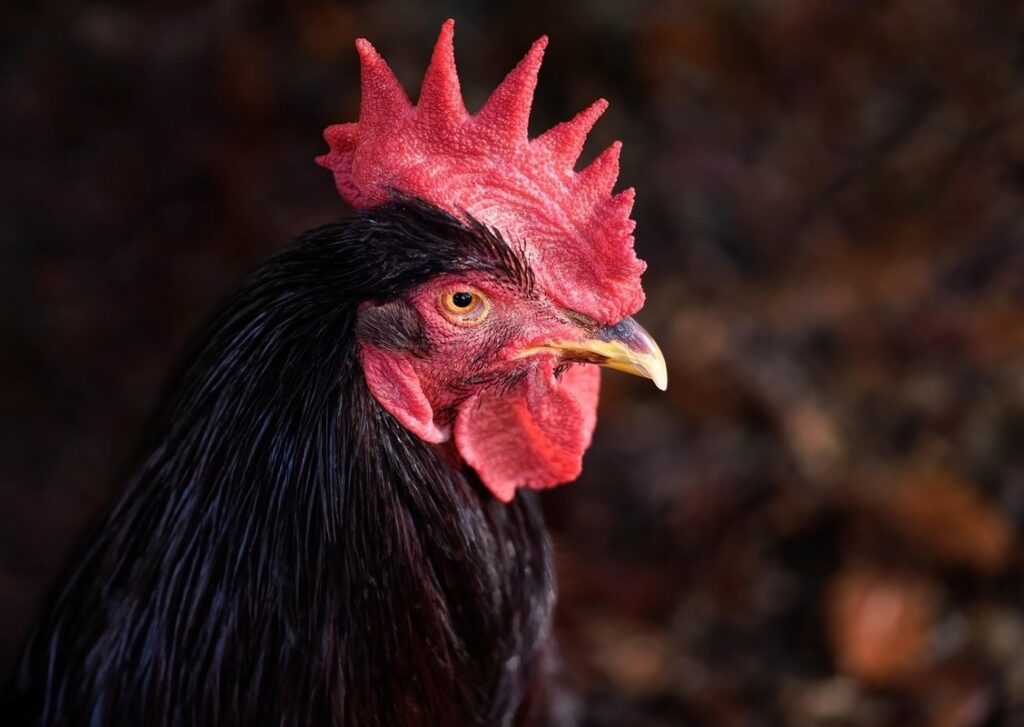
One of the most distinctive features of Rhode Island Reds is their physical appearance, and nowhere is this more evident than in their head shape, beak size and color, and eye color and shape. The breed’s head is known for being broad and flat, with a slight convex curve to the forehead. This unique head shape allows for exceptional breathing capacity, which is essential for the breed’s high egg-laying capabilities.
The beak of the Rhode Island Red is strong and straight, measuring between 1-2 centimeters in length. The color ranges from yellow to orange, depending on individual birds, but it typically matches the rest of the bird’s plumage. A well-developed beak is crucial for pecking grains and breaking open seeds, which are essential components of a chicken’s diet.
In terms of eye color, Rhode Island Reds have a rich, dark brown eye that complements their deep red plumage. The shape of the eyes is almond-like, giving them a distinctive appearance that sets the breed apart from others. Overall, the combination of head shape, beak size and color, and eye color and shape all contribute to the unique charm and character of the Rhode Island Red.
Temperament and Personality Traits
When it comes to their temperament, Rhode Island Reds are known for being friendly, docile birds that make great additions to any backyard flock. They’re also surprisingly intelligent.
Friendly and Docile: The Rhode Island Red’s Gentle Nature
One of the key reasons why Rhode Island Reds have become such a staple in many backyard flocks is their exceptionally gentle nature. These birds are renowned for being calm and affectionate, making them an ideal choice for families with children or for those who want to build a close bond with their flock. In fact, it’s not uncommon for Rhode Island Red owners to report that their birds will often seek out human interaction, happily accepting pets and scratches behind the ears.
Their docile temperament also makes them relatively easy-going when it comes to sharing space with other chickens, making them an excellent addition to a mixed-breed flock. This is particularly useful for backyard keepers who want to create a diverse and thriving ecosystem without worrying about aggressive behavior from their Rhode Island Reds. Overall, the gentle nature of these birds has earned them a special place in the hearts of many chicken enthusiasts, and it’s easy to see why they remain one of the most beloved breeds around.
Intelligence and Trainability
When it comes to intelligence and trainability, Rhode Island Reds (RIRs) are known for their impressive problem-solving skills and willingness to learn. These birds are often considered one of the smartest chicken breeds, making them a joy to work with. In fact, RIRs have been observed figuring out how to open latches and even learning simple tricks like pushing a button to receive treats.
To successfully integrate your RIR into your flock, start by establishing a consistent routine and providing plenty of mental stimulation through activities such as foraging games or scavenger hunts. Be patient and reward good behavior with positive reinforcement techniques like offering treats or praise when they perform the desired action.
One key tip is to socialize your RIR from an early age to help them become confident and calm in new environments. This can be achieved by introducing them to new people, sights, and sounds in a gradual and controlled manner. With time and effort, you’ll find that your RIR becomes a well-adjusted and cooperative member of your flock, making it easier to manage and maintain their behavior.
Noise Level and Interaction with Humans
When it comes to interacting with humans, Rhode Island Reds are known for their friendly and docile nature. They have a way of making everyone feel at ease, from seasoned farmers to first-time chicken owners. This is largely due to their calm temperament, which allows them to coexist peacefully with other birds and animals.
One key aspect of the Rhode Island Red’s personality is their ability to adapt to different noise levels. Whether you live in a bustling city or a quiet countryside, these chickens are remarkably resilient when it comes to environmental noise. This makes them an excellent choice for families with children or those who live in close proximity to neighbors.
In terms of interacting with humans, Rhode Island Reds are highly social birds that thrive on attention and interaction. They love to follow their owners around the yard, pecking at food scraps and enjoying the company. With proper care and handling, these chickens can become beloved members of your family, providing endless entertainment and companionship.
Egg-Laying Capacity and Production
Rhode Island Reds are prolific layers, capable of producing an average of 200-220 eggs per year. Let’s take a closer look at their impressive egg-laying capacity and production habits.
Average Daily Egg Count and Annual Yield
The Rhode Island Red breed is renowned for its impressive egg-laying abilities. According to various sources, including the American Poultry Association and reputable chicken breeders, a healthy Rhode Island Red hen can lay an average of 200-300 large brown eggs per year.
In terms of daily egg production, you can expect your Rhode Island Red hens to lay around 5-6 eggs per week. This translates to approximately one egg every 24-30 hours. It’s worth noting that individual egg-laying performance may vary depending on factors such as nutrition, health, and genetics.
To maximize your Rhode Island Red’s egg production, ensure they have a balanced diet rich in protein and calcium. Provide them with adequate space to roam and exercise, and consider supplementing their feed with omega-3 fatty acids for improved overall health.
Some breeders report that their Rhode Island Reds produce an average of 280-290 eggs per year, with some exceptional hens laying up to 320 eggs annually. While these numbers may seem impressive, it’s essential to remember that egg production slows down as the hen ages – typically peaking between 2-5 years old.
Egg Size, Shape, and Color
One of the most distinctive features of the Rhode Island Red breed is its egg-laying prowess, and their eggs are just as impressive. On average, a mature hen will lay around 200-220 brown eggs per year, making them an excellent choice for backyard chicken keepers looking to supplement their family’s fresh produce.
But it’s not just about quantity – the quality of those eggs is also noteworthy. Rhode Island Red eggs tend to be medium to large in size, with a rougher texture and thicker shell than some other breeds. This is due in part to the breed’s robust nature and high production levels, which can sometimes result in slight imperfections.
In terms of color, Rhode Island Red eggs are typically a deep, rich brown – almost chestnut-like. The shell quality itself is another area where this breed excels: eggs tend to have fewer cracks or chips due to their sturdy composition. For backyard chicken enthusiasts looking for a reliable egg-laying companion, the Rhode Island Red’s consistent production and attractive egg color make it an excellent choice.
Overall, when it comes to egg size, shape, and color, the Rhode Island Red breed is hard to beat – making them a popular choice among many small-scale farmers and homesteaders.
Health Considerations and Common Issues
When it comes to owning Rhode Island Reds, health considerations are a top priority for many chicken enthusiasts. Let’s discuss some common issues that may arise in these beloved birds.
Genetic Predispositions and Hereditary Conditions
As you consider bringing Rhode Island Reds into your flock, it’s essential to be aware of potential health issues that may affect these beloved birds. Genetic predispositions and hereditary conditions are a concern for many chicken breeds, including the Rhode Island Red.
One such condition is Marek’s disease, a viral infection that can cause a range of symptoms including paralysis, weight loss, and eventually death. Unfortunately, Rhode Island Reds are more susceptible to this disease due to their genetic makeup. To mitigate this risk, make sure to vaccinate your birds against Marek’s as soon as possible after they’ve reached 16 weeks old.
Another condition that can affect Rhode Island Reds is progressive retinal atrophy (PRA), a degenerative eye disorder that can lead to blindness. While there is no cure for PRA, responsible breeding practices and regular veterinary check-ups can help identify affected birds early on.
Nutrition and Diet: Meeting the Breed’s Specific Needs
When it comes to providing for your Rhode Island Red’s nutritional needs, it’s essential to offer a balanced diet that meets their specific requirements. As a breed known for its high egg production, they require a diet rich in protein and calcium to support strong bone growth and optimal fertility.
Aim to provide a mix of grains, proteins, and vegetables in their feed, with a focus on quality over quantity. A good starting point is to offer a commercial layer feed as the main staple, supplemented with fresh fruits and vegetables daily. For example, you can add chopped carrots, apples, or leafy greens like kale or spinach to their diet.
It’s also crucial to provide access to clean water at all times, ensuring it’s free from contamination and easily accessible for your birds. Consider offering a grit supplement to help aid in digestion and reduce the risk of pecking disorders. By providing a balanced diet and ensuring optimal nutrition, you can help promote the longevity and health of your Rhode Island Red flock.
Breeding and Raising Rhode Island Reds
If you’re considering raising Rhode Island Reds, understanding their breeding and raising needs is crucial to bringing out their best qualities as a flock member. Let’s dive into the specifics of how to raise healthy and happy RI Reds.
Choosing Healthy Hens and Roosters
When selecting healthy hens and roosters for breeding Rhode Island Reds, it’s essential to identify potential genetic issues that could affect the quality of your flock. Look for birds with robust physical characteristics, such as strong legs, good posture, and shiny feathers.
Pay attention to the temperament of the birds; a calm demeanor is crucial in breeding stock. A gentle rooster will help keep peace within the flock, while docile hens will be less stressed during breeding season. Consider bloodlines that have been bred for generations for their desirable traits, such as egg-laying capacity or meat quality.
Evaluate your birds’ health by checking for signs of disease, parasites, and nutritional deficiencies. Look for regular molting patterns, strong immune systems, and overall vitality. Also, consider genetic diversity to avoid inbreeding; a diverse gene pool will help maintain the breed’s hardiness and adaptability.
Successful Rearing Practices: Tips from Experienced Breeders
When it comes to successfully rearing Rhode Island Reds, experienced breeders share some valuable insights. One key aspect is providing a balanced diet that meets the birds’ nutritional needs. A mix of high-quality grains, protein sources, and calcium-rich foods ensures optimal growth and health. For instance, adding oyster shells or crushed eggshells to their feed provides essential calcium for strong bone development.
Another crucial practice is maintaining a clean and safe environment. Breeders stress the importance of regular coop cleaning, ensuring proper ventilation, and providing adequate space for the birds to roam freely. This helps prevent diseases and promotes overall well-being.
It’s also essential to handle the young chicks gently and carefully, as Rhode Island Reds can be prone to leg issues if mishandled. By following these rearing practices, breeders can help their Rhode Island Reds grow into healthy, robust adults that thrive in any backyard flock. This sets them up for a long and productive life, free from many common health problems associated with this breed.
Conclusion: Why the Rhode Island Red Remains a Beloved Choice
As you’ve learned about the many wonderful qualities of the Rhode Island Red, it’s clear why they remain a favorite among backyard chicken enthusiasts and experienced farmers alike. Let’s take a closer look at what makes them truly special.
Recap of Key Characteristics and Benefits
The Rhode Island Red has proven itself to be an enduring and sought-after breed for both backyard flocks and commercial egg producers. Its appeal can be attributed to a unique combination of traits that have made it a staple in the poultry industry.
One key characteristic is its striking appearance, with males boasting a deep reddish-brown plumage and females sporting a rich brown color. This attractive look not only adds visual appeal but also serves as a distinguishing feature among other breeds. Beyond aesthetics, their robust build and sturdy legs make them well-suited for free-ranging or confinement systems.
Their moderate size, typically weighing between 7-8 pounds, is another advantage that has contributed to their popularity. Rhode Island Reds are known to be prolific egg layers, with females producing approximately 200 brown eggs per year. This consistent rate of production makes them an attractive choice for commercial producers looking to increase efficiency and reduce labor costs.
Another notable benefit lies in their adaptability. They can thrive in a variety of climate conditions, making them suitable for both northern and southern latitudes. Their hardiness also extends to their resistance against certain diseases, reducing the need for vaccines and medications.
In terms of management, Rhode Island Reds are relatively easy to care for. They have a friendly temperament, getting along well with other birds in the flock. This makes integrating them into an existing flock relatively smooth. When choosing this breed, it’s essential to ensure that your feeding and housing practices meet their nutritional needs, as they can be prone to obesity if overfed.
Their overall versatility has solidified the Rhode Island Red’s position as a popular choice for those seeking a reliable and low-maintenance breed.
Frequently Asked Questions
Can I raise Rhode Island Reds as pets, or are they strictly for egg production?
Yes! While Rhode Island Reds are primarily valued for their exceptional egg-laying abilities, they can make wonderful pets due to their friendly and docile nature. They are relatively low-maintenance compared to some other breeds and can thrive in backyard settings with proper care.
How do I introduce new Rhode Island Red hens to an existing flock without causing stress or aggression?
Introducing new birds to a flock requires patience, careful planning, and monitoring of body language. Start by keeping the new birds separated from the rest for a few days to allow them to adjust to their surroundings. Once introduced, ensure adequate space and resources for all birds. Monitor behavior closely and separate if necessary.
What are some common health issues I should watch out for in Rhode Island Red chickens?
Rhode Island Reds are generally hardy birds, but like any breed, they can be prone to certain health issues. Be on the lookout for genetic predispositions such as Marek’s disease and spurs-related problems. Regular vaccinations, a balanced diet, and clean living conditions can help prevent many common ailments.
Can I raise Rhode Island Reds without access to large tracts of land?
While Rhode Island Reds are active birds that benefit from some space to roam, they can thrive in smaller backyard settings with adequate enclosure and care. Ensure your flock has enough room for exercise and a balanced diet to maintain their health and egg-laying abilities.
How do I determine if my Rhode Island Red rooster is healthy or may have genetic issues?
Regularly monitor your rooster’s behavior, plumage, and overall health. Consult with experienced breeders or veterinarians if you notice any signs of illness or potential genetic issues such as crossed beaks or uneven comb development. Early detection can help prevent serious problems from developing.