
Are you thinking of adding some Rhode Island Reds to your backyard flock? With their rich history, unique characteristics, and friendly nature, it’s no wonder these birds are a favorite among chicken enthusiasts. But before you start shopping for chicks or pullets, it’s essential to find responsible breeders who prioritize the health and well-being of their birds. In this comprehensive guide, we’ll walk you through everything you need to know about choosing Rhode Island Red chicken breeders, including what to look for in a reputable breeder and how to care for these amazing birds. Whether you’re a beginner or an experienced breeder, our tips will help you raise healthy, happy birds that thrive on your farm or in your backyard.
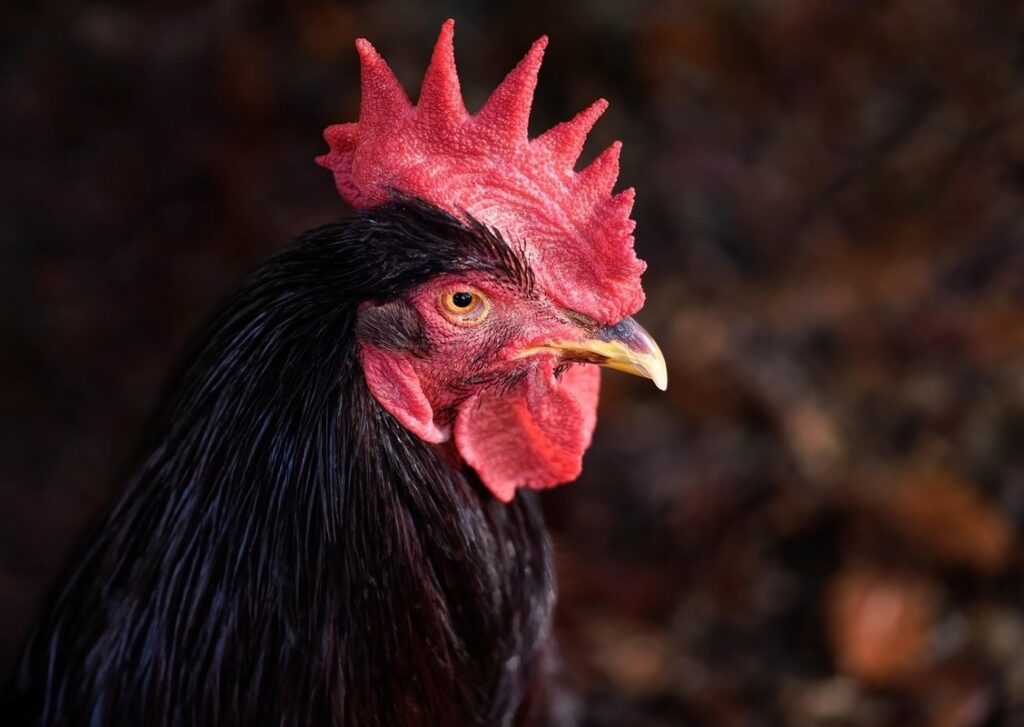
History and Origin of the Breed
To truly understand what makes Rhode Island Reds so special, let’s dive into their rich history and origins. We’ll explore how they came to be one of the most beloved breeds worldwide.
The Birthplace of the Breed
The Rhode Island Red breed has its roots deeply embedded in American history. The story begins in the mid-19th century when a farmer named William Tripp from Little Compton, Rhode Island, crossed a red jungle fowl with his local brown Leghorns to create a hardy and prolific chicken that could withstand the harsh New England climate.
These early experiments led to the development of a robust bird that would eventually become known as the Rhode Island Red. The breed’s popularity grew rapidly due to its exceptional egg-laying abilities, reaching up to 200 large brown eggs per year. This impressive production made them an ideal choice for backyard farmers and small-scale commercial producers.
The Rhode Island Red’s adaptability, disease resistance, and friendly nature quickly won over the hearts of many American poultry enthusiasts. Today, this breed remains a beloved favorite among backyard chicken keepers, not just for its eggs but also for its lively personality and attractive plumage. If you’re planning to start your own flock, consider introducing Rhode Island Reds into your mix – their charming personalities are sure to bring joy to any backyard farm.
Early Development and Recognition
The Rhode Island Red (RIR) breed has a rich history that dates back to the 1840s. Developed in the New England region of the United States, this hardy and adaptable bird was created by crossing various breeds, including the Cochin, Dominique, and Narragansett. The goal was to produce a chicken that excelled in egg production while also being robust enough to thrive in harsh farm conditions.
The RIR quickly gained recognition for its exceptional qualities, earning it a place at the 1849 New York State Fair. By the late 1800s, poultry associations across the United States began acknowledging the breed’s excellence, with the American Poultry Association (APA) officially recognizing it in 1904. As chicken breeding and showing became increasingly popular among enthusiasts, the RIR rose to prominence due to its attractive appearance, high egg production, and friendly temperament.
Today, Rhode Island Reds are one of the most sought-after breeds worldwide, prized by backyard farmers and commercial producers alike for their reliability and versatility.
Characteristics of Rhode Island Reds
Rhode Island Red chickens are known for their distinct characteristics, which include their rich brown plumage and friendly temperament. Let’s explore these traits in more detail.
Size and Weight
When it comes to size and weight, Rhode Island Reds are known for their impressive stature. On average, roosters can weigh between 8-12 pounds (3.6-5.4 kg) and hens around 6-9 pounds (2.7-4 kg), with some individuals reaching up to 14 pounds (6.3 kg). The size difference between males and females is noticeable, with the former being significantly larger.
In terms of growth rate, Rhode Island Reds are considered a medium to fast-growing breed. They take around 16-20 weeks to reach maturity, which is relatively quick compared to some other heritage breeds. A steady diet and proper care can help promote healthy growth and development in your Rhode Island Reds. When selecting chicks from a breeder, consider factors such as lineage, nutrition, and environmental conditions to ensure optimal growth.
To give you an idea of the breed’s size potential, here are some general guidelines for growth milestones:
* At 4-6 weeks: Chicks should weigh around 1/2 to 3/4 pound (0.23-0.34 kg)
* At 12-14 weeks: Chicks will reach around 50-70% of their adult weight
* By 16-20 weeks: Rhode Island Reds should have reached approximately 80-90% of their full growth potential
Egg-Laying Ability
One of the most significant advantages of Rhode Island Reds is their impressive egg-laying ability. On average, a healthy hen will produce around 200-220 eggs per year, making them an excellent choice for backyard chicken keepers and small-scale farmers alike. However, it’s worth noting that this number can vary depending on factors such as nutrition, health, and living conditions.
In terms of egg size, shape, and color, Rhode Island Reds are known to produce medium to large eggs with a brown or dark brown shell. The yolk is typically a golden yellow in color and the white is firm and thick. While some breeds may lay more eggs per year, few can match the consistency and quality of Rhode Island Red hens.
To maximize your Rhode Island Red’s egg-laying potential, be sure to provide them with adequate space, nutrition, and care. This includes providing a balanced diet that is rich in protein and calcium, as well as ensuring they have access to fresh water at all times. With proper care and management, you can expect your Rhode Island Reds to thrive and produce an abundance of high-quality eggs for years to come.
Temperament and Hardiness
The temperament of Rhode Island Reds is one of their most endearing qualities. These birds are known for being docile and friendly, making them an excellent choice for families with children or for backyard flocks where socialization is key. In fact, they’re often described as “gentle giants” due to their calm demeanor.
Their adaptability to different environments and management systems is also impressive. Rhode Island Reds can thrive in a variety of settings, from small backyards to large commercial farms. They’re relatively low-maintenance birds that can tolerate heat stress better than many other breeds. This makes them an excellent choice for breeders who want to raise chickens in hot or humid climates.
To ensure your Rhode Island Reds reach their full potential, it’s essential to provide a balanced and nutritious diet, plenty of fresh water, and regular veterinary care. With proper management, these birds will reward you with generous egg production and affectionate personalities that are sure to delight.
Choosing a Responsible Rhode Island Red Breeder
When searching for a breeder, it’s crucial to find one who prioritizes the health and well-being of their birds, as well as your own family’s needs. This section will guide you through the process of selecting a responsible Rhode Island Red breeder.
Researching Breeders
When researching Rhode Island Red breeders, it’s essential to prioritize finding a reputable and responsible breeder. Start by checking for certifications from organizations like the American Poultry Association (APA) or the United States Poultry & Egg Association (USPOULTRY). These certifications indicate that the breeder has met specific standards for animal welfare and breeding practices.
Read reviews from other customers, either on the breeder’s website or through social media platforms. Look for red flags such as complaints about poor communication, health issues in the birds, or inconsistencies in the chicks’ quality. A reputable breeder should be transparent about their breeding practices, including the lineage of the parents, vaccination policies, and any health testing that has been done.
You can also look up reviews on websites like Google or Yelp to get a sense of the breeder’s reputation in your area. Don’t be afraid to ask the breeder direct questions about their practices – a good breeder should be happy to provide information and put you at ease.
Questions to Ask the Breeder
When approaching potential Rhode Island Red breeders, it’s essential to ask the right questions to ensure you’re getting healthy, high-quality chickens from a responsible breeder. Start by asking about their health guarantees and what steps they take to maintain genetic diversity within their flock. A reputable breeder should be able to provide documentation of regular health checks and vaccinations, as well as evidence of genetic testing for inherited diseases common in the breed.
Ask about the availability of purebred stock and whether they offer any guarantee on the sex or feather type of the chicks you purchase. It’s also crucial to ask about their breeding program’s goals and philosophies, including how they prioritize traits such as egg production, temperament, and foraging ability. Be wary of breeders who claim to have “perfect” birds – Rhode Island Reds are a hardy breed with natural variations, and no breeder can guarantee perfection.
Some other questions to consider asking include: What is the origin of your flock? Can I visit your farm or see pictures of your breeding operation? How do you handle returns or replacements if a chick doesn’t thrive?
Red Flags to Watch Out For
When scouring for a responsible Rhode Island Red breeder, it’s essential to watch out for red flags that can indicate a potential scam. One common warning sign is extremely high prices for chicks, eggs, or adult birds. If the price seems suspiciously low compared to market standards or if you’re being pressured into making an immediate purchase without any opportunity to research or compare prices, trust your instincts and walk away.
Another red flag is a lack of transparency about the breeder’s practices, such as their health testing protocols, vaccination policies, or incubation techniques. Reputable breeders should be willing to share this information openly and honestly, so if you’re met with vagueness or defensiveness when asking questions, it may indicate a problem.
Additionally, poor customer service is another significant red flag. If the breeder is unresponsive to your inquiries, dismissive of your concerns, or unwilling to provide support after the sale, it’s likely a sign that they prioritize profits over customer satisfaction and well-being.
Health Considerations for Rhode Island Reds
When breeding Rhode Island Reds, it’s essential to consider their health requirements and potential predispositions to certain conditions that can impact their well-being and egg-laying abilities. This section explores key health considerations specific to this breed.
Common Health Issues
As a Rhode Island Red chicken breeder, it’s essential to be aware of the common health issues that can affect this beloved breed. Obesity is a significant concern for many backyard flocks, and it’s often caused by overfeeding or inadequate exercise. Regular monitoring of feed intake and providing plenty of space for your birds to roam will help prevent weight-related problems.
Heart problems are another issue that can impact Rhode Island Reds. These birds are prone to heart conditions such as cardiomyopathy and arrhythmias, which can be caused by genetics, diet, or other environmental factors. Regular check-ups with a veterinarian and maintaining a healthy lifestyle for your flock will help identify any potential issues early on.
Reproductive problems are also common in Rhode Island Reds, particularly in hens. Issues like egg binding, reproductive tumors, and prolapse can occur due to a variety of reasons including genetics, nutrition, or management practices. Proper care and attention to nutritional needs during breeding seasons can help minimize the risk of these issues.
Preventative Care and Management
Maintaining good health is crucial for Rhode Island Reds to live long and productive lives. A well-balanced diet is essential, providing a mix of high-quality commercial feed, fresh fruits, and vegetables. Supplementing with calcium and oyster shells can help promote strong eggshell production and overall skeletal health.
Regular exercise is also vital, encouraging free-range movement and access to dust baths for skin health. Aim for at least 10 hours of sunlight daily to support vitamin D3 production. Keep an eye on your flock’s weight, as obesity can lead to various health issues.
Veterinary care should be routine, scheduling annual check-ups with a poultry-savvy vet to monitor for potential health problems. Be prepared to address common Rhode Island Red issues such as frostbite in colder climates and heat stress during warmer months.
Monitor your birds’ behavior and body language daily, seeking professional help if you notice any unusual symptoms or changes. With proper care and attention, your Rhode Island Reds can thrive and provide years of enjoyment as valuable members of your flock.
Breeding and Raising Rhode Island Reds for Success
To successfully breed and raise Rhode Island Reds, you’ll want to focus on key characteristics such as fertility, egg production, and robust health. This section will cover essential breeding strategies.
Tips for Beginners
Starting small is essential when breeding and raising Rhode Island Reds for the first time. Don’t try to tackle too many birds at once – it’s better to begin with a few and gradually expand as you gain experience. This approach will allow you to manage resources more effectively, from feed and supplies to housing and care.
As you start out, prioritize learning about the breed’s specific needs and temperament. Rhode Island Reds are known for their hardiness and friendly nature, but they still require regular attention and monitoring. Be prepared to spend time with your birds daily, checking on their health, feeding them regularly, and collecting eggs.
One of the most significant mistakes new breeders make is underestimating the importance of proper housing and sanitation. Make sure you have a clean, well-ventilated coop that provides enough space for your birds to move around comfortably. Learn from your mistakes by keeping detailed records of your experiences – this will help you refine your techniques over time. With patience, persistence, and practice, even novice breeders can achieve success with Rhode Island Reds.
Advanced Techniques and Best Practices
When it comes to breeding and raising Rhode Island Reds for success, experienced breeders often employ advanced techniques that elevate their flocks’ performance. Selective breeding strategies are key to producing high-quality birds with desirable traits. For instance, you can focus on breeding for specific characteristics such as egg-laying ability, growth rate, or feather quality.
To integrate these selective breeding strategies into your farm management plan, consider implementing a genetic selection program that takes into account factors like pedigree, performance data, and physical traits. Regularly evaluate and document the performance of individual birds to identify superior genetics and make informed breeding decisions.
Integrating multiple disciplines such as nutrition, health, and environmental management is also crucial for achieving optimal results. For example, providing access to fresh water, nutritious feed, and a stress-free living environment can significantly boost fertility rates and egg quality. Regular health checks and vaccinations can help prevent diseases that might compromise your breeding program’s success.
Another valuable approach is implementing an integrated farm management system where data collection and analysis are integral components. This will enable you to make informed decisions based on verifiable results, ultimately optimizing your Rhode Island Red breeding and production process.
Conclusion: Why Choose Rhode Island Red Chicken Breeders?
So you’ve made it through our comprehensive guide, and now you’re ready to bring home your very own Rhode Island Reds. Here’s why choosing local breeders is essential for a healthy flock.
Summary of Key Points
As you consider adding Rhode Island Reds to your backyard flock, it’s essential to remember the key takeaways from this comprehensive guide. Choosing a reputable breeder is crucial to ensure you’re getting high-quality birds that will thrive and provide you with fresh eggs for years to come.
Rhode Island Reds are an excellent choice for backyard farmers due to their cold hardiness, egg-laying abilities, and friendly demeanor. They are relatively low-maintenance, making them perfect for beginners or those with limited space. Their high fertility rate also makes them a great option for homesteaders looking to raise a new generation of chickens.
When selecting a breeder, look for one that prioritizes health, temperament, and breed integrity. A reputable breeder will provide you with documentation on the bird’s lineage, guarantee its health, and be available for support throughout your flock’s lifetime. By choosing the right breeder and understanding what to expect from Rhode Island Reds, you’ll be well on your way to raising a happy and productive flock.
Final Thoughts and Recommendations
As you’ve navigated this comprehensive guide to Rhode Island Red chicken breeders, it’s essential to remember that selecting a responsible breeder is crucial for raising healthy, high-quality birds. This may seem like an obvious point, but it’s surprising how many backyard flock owners overlook the importance of breeding stock.
A reputable breeder will not only ensure that your new additions are robust and fertile but also provide valuable guidance on proper husbandry practices. They’ll be able to share their expertise on issues such as nutrition, vaccination schedules, and parasite control – all critical factors in maintaining a thriving flock. By supporting responsible breeders, you’re investing in the long-term health and well-being of your birds.
If you’re new to backyard chicken keeping, it’s also crucial to continue learning and improving. Join online forums, attend local poultry events, and explore reputable breeding associations for expert advice and best practices.
Frequently Asked Questions
How can I verify the authenticity of a Rhode Island Red breeder’s reputation?
Before committing to a breeder, research their reviews, testimonials, and ratings from other customers. Look for certifications like NPIP (National Poultry Improvement Plan) or APIPA (American Poultry Improvement Association) as these organizations ensure breeders meet high standards for health, cleanliness, and genetic quality.
What are some common signs of an irresponsible breeder?
Beware of breeders who prioritize profits over bird welfare. Look out for overcrowding, unsanitary living conditions, and a lack of transparency about the birds’ lineage or health guarantees. If you’re unsure, trust your instincts and keep searching for a reputable breeder.
Can I raise Rhode Island Reds on a small property with limited space?
Yes. With proper planning and management, you can successfully raise Rhode Island Reds in even the smallest backyard flocks. Focus on providing adequate shelter, nutrition, and sanitation to ensure the health and well-being of your birds.
How do I prevent common health issues like Marek’s disease in my flock?
Implementing a robust vaccination program and maintaining strict biosecurity measures are crucial in preventing Marek’s disease. Ensure all new birds come from reputable breeders who have already vaccinated for this condition, and keep your own flock isolated from external risks.
What should I expect when purchasing chicks versus pullets?
Chicks will require more time, resources, and expertise to raise before they begin laying eggs. Pullets are generally easier to integrate into existing flocks, as they’re already closer to egg-laying age. Consider your experience level and resource availability when deciding between the two options.