
Are you a Rhode Island Red chicken owner or thinking of getting one? If so, you’re probably curious about the beautiful eggs they lay. But have you ever wondered why your RI Reds’ eggshells come in different colors? It’s not just a matter of chance – there are some fascinating factors at play. Genetics, nutrition, and even environmental conditions can all impact the color of your Rhode Island Red chicken’s eggs. In this guide, we’ll take a closer look at the science behind eggshell coloration, covering the genetics that influence it, as well as how nutrition and other factors affect the final color. By the end of this article, you’ll have a clear understanding of what to expect from your RI Reds’ eggs and be able to make informed decisions about their care.
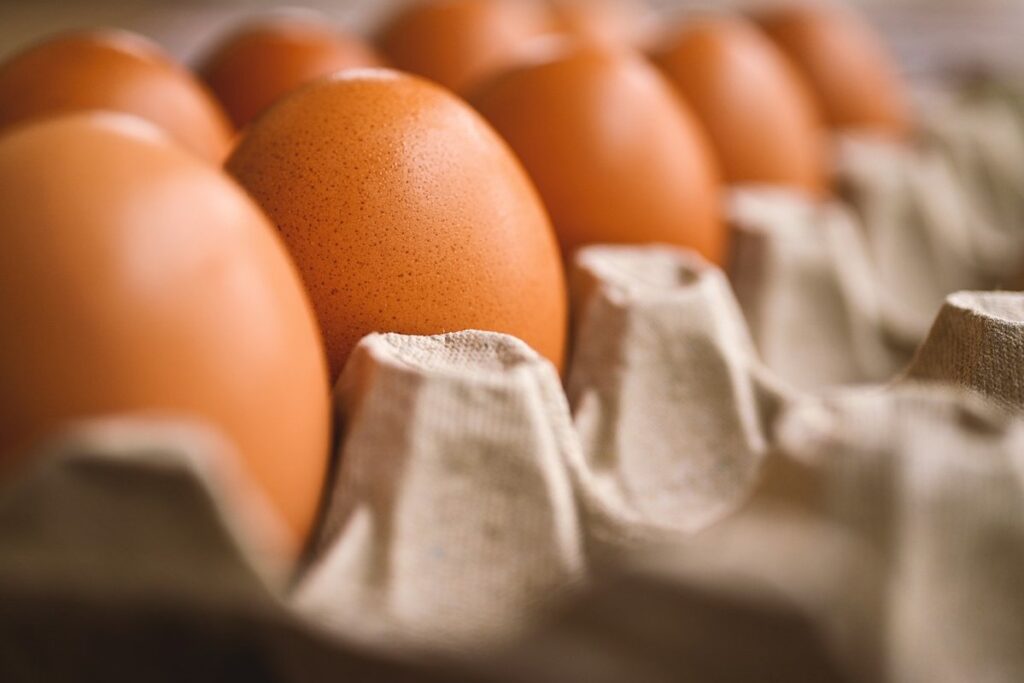
Introduction to Rhode Island Red Chickens
If you’re new to Rhode Island Red chickens, let’s start at the beginning: what makes these birds so special and how do their unique characteristics impact their egg-laying habits.
Origins and History of the Breed
The Rhode Island Red breed has its roots dating back to the early 19th century. Developed from local breeds such as the Cochin and Dominique, the Rhode Island Red was first exhibited at a poultry show in 1849. This event marked the beginning of the breed’s popularity among backyard chicken keepers.
Its adaptability to various climates and diets made it an ideal choice for farmers and small-scale producers. In fact, the Rhode Island Red played a significant role in establishing commercial egg production in the United States. By the early 20th century, the breed had gained widespread recognition for its exceptional laying abilities, with some hens producing up to 300 eggs per year.
Today, the Rhode Island Red remains a beloved choice among backyard chicken enthusiasts due to its friendly and docile nature. Its rich history and versatility have cemented its place as one of the most popular breeds in the world. Whether you’re a seasoned chicken keeper or just starting out, understanding the origins of this breed can help you appreciate its unique characteristics and behaviors.
The Rhode Island Red’s adaptability also makes it an excellent choice for diverse climates and environments.
Characteristics of Rhode Island Reds as Egg Layers
When it comes to egg production, Rhode Island Reds are renowned for their impressive reputation as prolific layers. In fact, on average, a healthy Rhode Island Red hen can lay around 200-220 brown eggs per year. This makes them an excellent choice for backyard chicken keepers and small-scale farmers alike.
One of the key characteristics that contribute to their high egg production is their robust constitution and energetic nature. With proper care and nutrition, Rhode Island Reds are capable of laying eggs consistently throughout the year, even in extreme temperatures and weather conditions.
It’s worth noting that individual birds may vary in their egg-laying abilities, but as a breed, Rhode Island Reds have proven themselves to be reliable and consistent layers. To maximize your bird’s potential, ensure they receive adequate nutrition, regular exercise, and proper health checks.
By incorporating these essential elements into your flock management plan, you can enjoy the benefits of having a high-producing flock, including fresh eggs on demand and reduced stress for both birds and owners alike.
Understanding Rhode Island Red Egg Colors
When it comes to predicting egg color, understanding the genetic makeup of your Rhode Island Reds is key. Let’s break down how their genetics affect the colors of their eggs.
Genetic Factors Influencing Eggshell Color
When it comes to eggshell coloration in Rhode Island Reds, genetics play a significant role. The color of an eggshell is determined by multiple genes that interact with each other. Research suggests that the brown pigment responsible for the characteristic color of Rhode Island Red eggs is called protoporphyrin. This pigment is produced by the hen’s body and deposited into the shell as it forms.
Several genes contribute to the production of protoporphyrin, including the I (Indian) gene and the B (Brown) gene. Hens with the BB genotype will lay brown eggs due to the dominant effect of the B gene. However, if a hen has one or two copies of the i allele, she may produce lighter or darker shades of brown eggs.
Understanding the genetic factors influencing eggshell color can help breeders predict the egg colors of their Rhode Island Red hens. By selecting breeding stock with desirable genotypes, you can increase the likelihood of producing chicks that will lay eggs in specific colors. This knowledge is especially useful for backyard chicken keepers who want to offer a variety of egg colors to their customers or simply enjoy a diverse range of eggshell hues in their own flock.
The Role of Diet and Nutrition in Eggshell Color
Diet and nutrition play a significant role in determining the color of Rhode Island Red chicken eggs. Research has shown that eggshell pigmentation is influenced by various nutrients, including carotenoids, anthocyanins, and porphyrins. These compounds are derived from the hen’s diet and can affect the intensity and hue of the eggshell.
For instance, hens fed a diet rich in lutein and zeaxanthin (carotenoids) tend to lay eggs with deeper orange or reddish-brown colors. On the other hand, anthocyanins, found in dark-colored fruits like berries and grapes, can impart pink or purple hues to the eggshell.
Supplements or feed additives can also impact eggshell color. For example, some commercial egg producers use synthetic pigments to enhance eggshell color. However, these additives may not be suitable for backyard chicken keepers or those prioritizing natural and organic practices.
When it comes to promoting desirable eggshell colors through diet, a balanced and varied feed is essential. Consider incorporating fresh fruits, vegetables, and grains into your hens’ diets to provide them with the necessary nutrients.
Rhode Island Red Egg Color Chart: Variations and Codes
When it comes to egg-laying Rhode Island Reds, you’ll notice that eggs can vary significantly in color and pattern, thanks to various genetic factors at play. Let’s take a closer look at these variations.
Understanding the Egg Color Classification System
The Rhode Island Red egg color classification system is based on the American Poultry Association’s (APA) guidelines. The APA categorizes eggshell colors into several distinct categories, with specific codes to identify each variation.
These categories are:
• White or white-tinted eggs, which have a code of 0
• Brown eggs with varying shades and tones, ranging from light cream to dark chocolate brown
• Dark or reddish-brown eggs, often associated with the breed’s signature coloration
• Blue or green tinted eggs
To determine the eggshell color classification for your Rhode Island Red flock, observe the eggshell under natural light. Note the overall color tone and any distinctive markings or patterns. Next, refer to the APA guidelines for a precise match. You can find these guidelines on the American Poultry Association’s official website.
Remember that individual birds within the same flock may produce eggs with varying shades of the same color. By understanding the eggshell classification system, you’ll be better equipped to predict and manage the colors in your Rhode Island Red flock.
Interpreting the Colors on the Egg Color Chart
Interpreting the colors on the egg color chart can be a bit overwhelming at first, but don’t worry, we’re here to break it down for you. The key is to understand that each code combination corresponds to a specific shade or pattern of eggshell color.
When looking at your Rhode Island Red’s eggs, you may see codes like EE, EY, YB, or BB. Let’s decode what these mean: EE represents an egg with a solid brown color, while EY and YB represent eggs with a mix of brown and yellow (the ‘E’ stands for the darker brown, while the ‘Y’ is the lighter yellow). The ‘BB’ code signifies an egg with a solid blue or pink tint.
To give you a better idea, let’s consider some real-life examples. For instance, if your hen lays eggs with the code EE 7/10, it means they have a deep brown color with subtle undertones of red. On the other hand, eggs labeled EY 4/10 will show a lighter brown hue with more prominent yellow markings.
Now that you know how to decode these codes, take note of your hen’s egg-laying patterns and compare them against this guide. This will help you better understand the colors and patterns associated with each code combination, allowing you to fine-tune your expectations for future egg production.
Factors Affecting Eggshell Color in Rhode Island Reds
When it comes to egg color, Rhode Island Red chickens are known for their distinctive brown eggs, but what influences that exact shade of brown? Let’s explore the factors at play.
Age, Nutrition, and Health Status
As you continue to monitor and record the egg-laying patterns of your Rhode Island Reds, it’s essential to consider the impact of age, nutrition, and health status on eggshell color. A chicken’s age plays a significant role in determining eggshell color, particularly during the transition from pullet to mature hen.
Between 16-20 weeks of age, chicks typically start laying eggs with a pale brown or creamy shell. As they mature, the eggshell color darkens due to increased melanin production. However, some breeds, like Rhode Island Reds, may exhibit varying degrees of darkening even at younger ages. Ensure your chickens are receiving a balanced diet rich in calcium and other essential nutrients to support optimal eggshell development.
Adequate nutrition is also crucial for maintaining healthy egg-laying patterns. Research suggests that deficiencies in vitamins and minerals can affect eggshell color, with some studies indicating that higher levels of vitamin E may lead to darker eggshells. Keep an eye out for signs of nutritional imbalances, such as reduced egg production or unusual feathering patterns.
Maintaining your chickens’ overall health through regular vaccinations, parasite control, and proper living conditions will also contribute to more consistent eggshell coloration. Consider incorporating stress-reducing strategies like providing a varied environment, adequate lighting, and social interaction to promote optimal well-being in your flock.
Breeding and Genetics
When it comes to breeding and genetics, they play a significant role in determining the eggshell colors seen in Rhode Island Reds. The breed’s distinctive characteristics are largely due to selective breeding practices that have been refined over centuries. To produce birds with the desired traits, breeders focus on combining genetics from top-performing hens and roosters.
Genetic inheritance patterns also come into play when considering eggshell color. Each parent bird contributes one copy of a gene that influences eggshell color. The combination of these genes results in the final eggshell color seen in offspring. For instance, if both parents carry the gene for brown eggs, their chicks are more likely to have dark-brown or chocolate-colored eggs.
In breeding programs, breeders often prioritize birds with desirable traits such as rich, deep colors. This selective approach contributes to the diversity of eggshell colors observed among Rhode Island Reds. If you’re looking to raise birds that lay specific shades, familiarize yourself with genetic inheritance patterns and work closely with experienced breeders who understand the complexities involved.
Tips for Encouraging Optimal Egg Color Production
To maximize your Rhode Island Red’s egg color potential, it’s essential to understand their natural color tendencies and make informed choices in nutrition and care. This section offers practical tips for boosting vibrant colors.
Environmental Considerations
When it comes to encouraging optimal egg color production in Rhode Island Red chickens, environmental considerations play a significant role. One of the most crucial factors is lighting. Ensure that your flock receives adequate natural light, especially during the winter months when daylight hours are shorter. If this isn’t possible, consider supplementing with artificial lighting. A well-ventilated coop will also promote healthy eggshell color by regulating temperature and humidity levels.
Adequate living space is another essential consideration. Rhode Island Red chickens require a minimum of 4-5 square feet per bird inside the coop, and at least 8-10 square feet per bird in outdoor runs. This allows them to move around comfortably, which can positively impact eggshell color. Additionally, provide your flock with access to fresh water and a balanced diet that includes essential nutrients for optimal egg production.
By controlling these environmental factors, you’ll be well on your way to producing consistently colored eggs from your Rhode Island Red hens. Regularly monitoring their living conditions will also help you identify any potential issues that may affect egg color.
Nutrition and Supplement Strategies
When it comes to encouraging optimal egg color production in Rhode Island Red chickens, nutrition plays a crucial role. A balanced diet rich in essential nutrients can help promote vibrant eggshell colors. One of the most critical components is calcium, which is responsible for forming the eggshell’s matrix and giving it strength.
Ensure your flock has access to high-quality layer feed or a mix that includes 16-18% protein, 3.5-4% calcium, and other essential minerals like phosphorus, vitamin D3, and omega-3 fatty acids. Supplementing their diet with crushed oyster shells can also provide an additional boost of calcium.
Another strategy is to add dark-colored vegetables like kale, spinach, or collard greens to their feed. These veggies contain pigments that can transfer to the eggshell, contributing to a more intense coloration. Consider mixing in some dried mealworms, which are rich in protein and micronutrients. However, always maintain a balanced diet by introducing new foods gradually and in moderation.
Monitor your flock’s overall health, and make adjustments as needed to ensure optimal nutrition is supporting their eggshell color production.
Common Misconceptions About Rhode Island Red Egg Colors
Some of you may be surprised to learn that not all Rhode Island Reds lay eggs with the signature dark brown color we often associate with this breed. Let’s debunk some common myths about their egg colors together!
Debunking the “Egg Color Myth”
One of the most enduring myths surrounding Rhode Island Red egg colors is the “Egg Color Myth.” This myth suggests that eggs from Rhode Island Reds are always a deep brown color with a distinctive reddish tint. However, nothing could be further from the truth.
In reality, the eggshell color can vary significantly depending on individual bird genetics, diet, and age. While some hens may lay dark brown or even black-tinted eggs, others may produce lighter shades of brown or even a warm beige hue. Factors such as lighting conditions, vitamin D levels in the feed, and exposure to dust can all impact the eggshell’s color.
So, how can you tell if your Rhode Island Red is laying eggs with a distinct color? One key indicator is the bird’s individual characteristics, including feather pattern and beak color. Additionally, pay attention to changes in the flock’s diet or environment, as these can cause subtle variations in eggshell color over time. By keeping an eye on these factors, you’ll develop a better understanding of your hens’ unique coloring tendencies and be able to more accurately predict their egg colors.
Separating Fact from Fiction
Navigating the misinformation surrounding Rhode Island Red eggshell color can be overwhelming. Many people believe that these chickens will consistently lay eggs in a single shade of brown, but this is simply not true. In reality, Rhode Island Reds are known to produce eggs in a variety of shades, from light cream to deep terracotta.
To separate fact from fiction, let’s take a closer look at the egg color characteristics associated with this breed. While some owners may swear that their Rhode Island Red hens lay uniformly colored eggs, it’s essential to understand that genetics play a significant role in determining eggshell color. This means that individual birds within a flock can exhibit different shades of brown due to their unique genetic makeup.
When evaluating the eggshell color of your Rhode Island Reds, look for subtle variations rather than expecting identical results. Consider the age of the bird, as younger hens may lay lighter-colored eggs while mature birds tend to produce richer, darker hues. By recognizing these natural fluctuations and individual characteristics, you’ll be better equipped to understand and appreciate the unique eggshell colors produced by your Rhode Island Red flock.
Frequently Asked Questions
How can I use the egg color chart to identify potential health issues?
The egg color chart is not just a guide for determining eggshell colors, but also for identifying potential health issues with your Rhode Island Reds. For example, if you notice that most of your eggs are pale or have irregular markings, it could indicate a nutritional deficiency or health issue with the hen.
Can I still expect good egg production from my RI Reds even if their eggs aren’t all dark brown?
Yes, good egg production is not directly tied to eggshell color. Many factors contribute to a chicken’s ability to lay well, including genetics, nutrition, and overall health. So, don’t worry if your RI Reds’ eggs come in a range of colors – they can still be prolific layers.
How do I ensure that my RI Red hens are getting the right nutrients for optimal egg color?
To encourage optimal egg color production, make sure your RI Red hens have access to a balanced diet rich in essential vitamins and minerals. Consider adding supplements like calcium or omega-3 fatty acids to their feed to support strong eggshell development.
Can I use the egg color chart to predict my RI Reds’ fertility rates?
While there is some correlation between eggshell color and fertility, the egg color chart is not a definitive predictor of fertility rates. Factors such as breeding, genetics, and overall health play a much larger role in determining fertility. For accurate fertility assessments, consult with a poultry expert or conduct regular fertility testing.
Are RI Red eggs always safe to eat, even if they’re lighter in color?
Yes, Rhode Island Red eggs are generally considered safe to eat regardless of their eggshell color. While light-colored eggs may not be as nutrient-dense as darker eggs, they should still be safe for consumption provided your hens have access to a balanced diet and clean living conditions.