
If you’re a backyard chicken enthusiast or just starting to build your flock, understanding the Rhode Island Red chicken egg color chart is essential for monitoring their health and productivity. But did you know that factors like diet, age, and nutrition can significantly impact the color of your eggs? With this knowledge, you can take steps to optimize your birds’ performance and achieve consistent results.
In this article, we’ll break down how to read and interpret the egg color chart for Rhode Island Reds, covering key considerations and tips for achieving a strong and healthy flock. By the end of this post, you’ll be able to identify any potential issues affecting your bird’s egg production and take corrective action to get back on track.
Introduction to Rhode Island Red Chickens
If you’re new to keeping Rhode Island Reds, understanding their egg-laying habits is a great place to start. Let’s dive into what makes these birds unique when it comes to egg color and production.
History and Origin of the Breed
The Rhode Island Red chicken breed has a rich history dating back to the mid-1800s when it was developed in New England. At that time, farmers sought to create a dual-purpose breed that excelled both in egg production and meat quality. The resulting bird was a robust, hardy, and versatile fowl that quickly gained popularity among backyard farmers and commercial producers alike.
As its name suggests, the Rhode Island Red originated in Rhode Island, where it was bred specifically for its deep red plumage and exceptional laying abilities. Its early success can be attributed to its ability to thrive in various climates and environments, making it an ideal choice for both small-scale and large-scale operations. The breed’s popularity soon spread beyond New England, with many commercial farms adopting the Rhode Island Red as a staple of their egg-laying flocks.
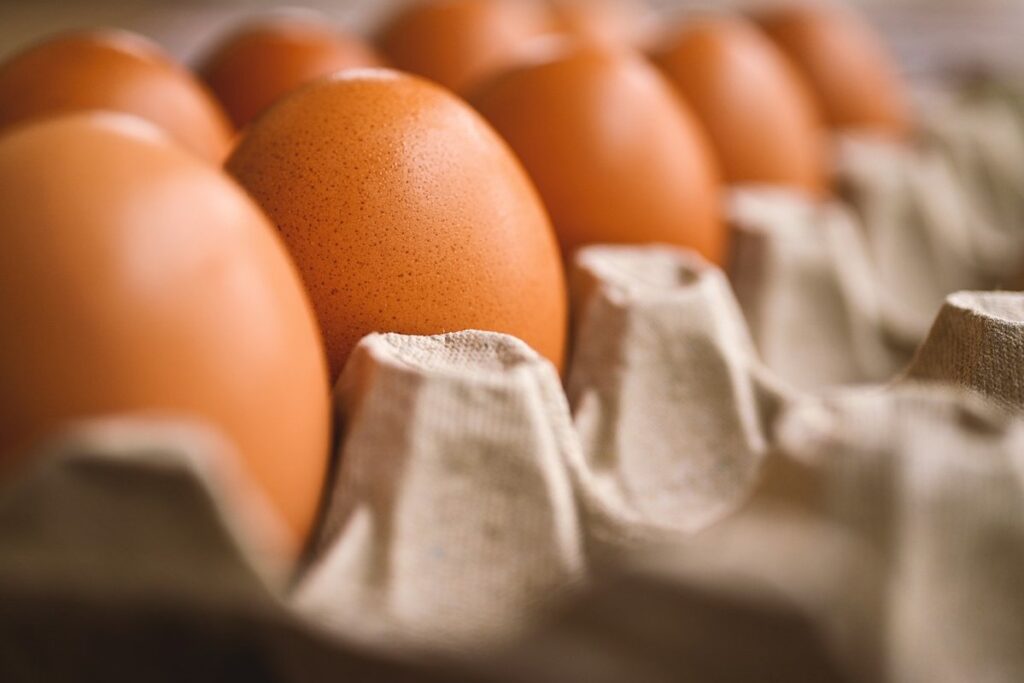
Today, the Rhode Island Red remains one of the most sought-after breeds among backyard farmers due to its friendly disposition, high egg production, and rich, brown eggs that are prized by chefs and home cooks alike.
Key Characteristics of Rhode Island Reds
Rhode Island Reds are one of the most popular chicken breeds worldwide, and it’s easy to see why. They’re known for their friendly and docile nature, making them an excellent choice for families with children or beginners in backyard poultry keeping.
In terms of egg-laying abilities, Rhode Island Reds are prolific layers, producing an average of 200-220 brown eggs per year. Their egg production is consistent throughout the year, providing a steady supply of fresh eggs for your household.
Physically, Rhode Island Reds have distinctive characteristics that set them apart from other breeds. They’re medium to large-sized birds, with roosters weighing between 8-12 pounds and hens reaching weights of 6-10 pounds. Their feathers are a deep reddish-brown color, with a slight sheen in the right light.
When choosing Rhode Island Reds for your flock, look for birds with bright, alert eyes and active movements. These traits are indicative of a healthy and robust bird that will thrive in your backyard chicken coop.
Egg-Laying Patterns in Rhode Island Reds
When it comes to egg-laying patterns, Rhode Island Reds are known for producing a steady supply of eggs throughout their lifespan. Let’s take a closer look at how this breed lays its eggs.
Factors Affecting Egg Color and Production
The egg color and production of Rhode Island Reds can be significantly influenced by several factors. Genetics play a crucial role, as breed-specific traits are often passed down from one generation to the next. In the case of Rhode Island Reds, their eggs tend to range from light brown to dark brown, with some variation due to individual bird characteristics.
Nutrition also plays a significant part in egg color and production. A diet rich in omega-3 fatty acids can contribute to darker-colored eggs, while a lack of essential nutrients may result in lighter eggs or decreased egg production. Calcium, for instance, is vital for strong eggshell formation, so providing calcium-rich foods like crushed oyster shells or dark leafy greens can promote healthier egg-laying.
Environmental conditions also impact Rhode Island Red’s egg color and production. Factors such as temperature, humidity, and light exposure can all influence the bird’s ability to lay eggs consistently. For example, maintaining a consistent temperature between 40°F and 80°F (4°C and 27°C) can help regulate egg-laying.
By understanding these factors, you can take steps to optimize your Rhode Island Reds’ egg color and production. This includes providing a balanced diet rich in essential nutrients, ensuring access to fresh water, and maintaining suitable living conditions.
Understanding the 5-Step Guide to Egg Color Classification
When it comes to determining the egg color chart for various chicken breeds, including Rhode Island Reds, understanding the 5-step guide to egg color classification is crucial. This guide helps breeders and enthusiasts accurately categorize eggs based on their color, which can impact the overall quality and desirability of the flock.
To begin, step one involves observing the eggshell’s primary color. Is it white, brown, blue, or some variation in between? Next, consider the secondary color, if present. This could range from pink to green to yellow. Step three requires looking for any markings or speckles on the eggshell. These can be random or follow a specific pattern.
In steps four and five, we examine the intensity of the primary and secondary colors, as well as any potential undertones. By following these steps carefully, you’ll be able to determine whether your Rhode Island Red’s eggs fall into the light brown, dark brown, or blue categories on the egg color chart. This 5-step guide provides a clear framework for evaluating egg color and can help you make informed decisions about your flock’s breeding program.
Interpreting the Rhode Island Red Egg Color Chart
Now that you’ve got your egg color chart, let’s dive into what each shade means, so you can accurately predict your hens’ egg-laying habits.
The Role of Dominant and Recessive Genes in Egg Color
When it comes to determining egg color on a Rhode Island Red chicken, genetics play a crucial role. Specifically, dominant and recessive genes interact to produce the various shades seen in these eggs.
The gene responsible for brown egg production is called the B locus. The dominant allele (B) codes for brown pigment, while the recessive allele (b) codes for lack of pigment or pale color. When the dominant allele is paired with another dominant allele (BB), it will always produce a brown egg. However, when paired with a recessive allele (Bb), the result depends on the interaction between these two genes.
For example, if you have a Rhode Island Red hen that is Bb genotype, and she lays a light brown or tan-colored egg, her offspring can still exhibit variations in egg color due to the interaction of these genes. This means that even though both parents are brown-egg producers, their chicks may inherit different combinations of dominant and recessive alleles, leading to various shades of brown eggs.
To determine the genetic makeup of your Rhode Island Red flock and predict potential egg colors, consider consulting a genetics expert or conducting research on poultry genetics.
Reading the Egg Color Chart: A Step-by-Step Guide
When you’re ready to identify the egg color of your Rhode Island Red chickens, it’s time to refer to the egg color chart. This chart is a useful tool for breeders and backyard chicken keepers alike, helping you determine the likelihood of certain genetic traits being passed down from parent birds.
To read the egg color chart, first locate the dominant egg colors in each parent bird. The egg color of the offspring will be determined by combining these two colors. For example, if a hen lays brown eggs and her rooster lays blue eggs, their offspring will likely lay eggs with a mix of brown and blue, resulting in green or olive-green eggs.
The chart takes into account multiple egg color combinations, so don’t worry if you have birds that lay different colors – just plot each bird’s dominant egg color on the chart to get an idea of what colors your offspring may produce. Remember, the results are only a prediction and not a guarantee, as individual genetic traits can influence egg color.
Some popular egg color combinations include blue-green, brown-blue, pink-brown, and more. Keep in mind that each egg color represents a unique combination of genetic traits passed down from your parent birds. By using the egg color chart, you’ll be able to anticipate what colors your eggs will take on, making it easier to predict which chickens to breed for specific purposes – whether it’s for show or for their unique egg-laying abilities.
Tips for Achieving Consistent Egg Colors with Your Flock
Achieving consistent egg colors can be a challenge, but with these helpful tips and tricks, you’ll be well on your way to collecting eggs of uniform tone. Let’s dive into some expert advice for consistency.
Managing Nutrition and Health for Optimal Egg Production
Maintaining optimal nutrition and health is crucial for consistent egg production and colors. A well-nourished flock ensures that hens produce eggs with vibrant yolks and sturdy shells. Start by providing a balanced diet rich in protein, calcium, and vitamins. For Rhode Island Reds, a high-quality layer feed or a mix of grains, fruits, and vegetables will meet their nutritional needs.
In addition to a nutritious diet, ensure access to fresh water at all times. Clean drinking water not only keeps your hens hydrated but also helps prevent diseases that can impact egg production. Consider adding supplements like oyster shells or crushed eggs to boost calcium intake and promote stronger shells.
Monitor your flock’s health closely, watching for signs of illness or stress. Regular check-ups with a veterinarian will help identify any issues early on. Keep in mind that a healthy flock is more likely to produce consistent, high-quality eggs. By prioritizing nutrition and health, you’ll be well on your way to achieving the egg colors and consistency you desire.
Breeding Strategies for Selecting Desired Traits
When breeding for specific traits like egg color, it’s essential to understand the genetic basis of these characteristics. The genetics behind egg color in Rhode Island Reds is relatively simple, making selective breeding a viable option. By understanding how different genes interact, you can predict the likelihood of certain traits being passed down to offspring.
Inbreeding, outbreeding, and linebreeding are common strategies used to select desired traits. Inbreeding involves mating birds that are closely related to concentrate desirable genes. While it can increase homozygosity (the uniformity of genotype), it also increases the risk of inherited health problems. Outbreeding, on the other hand, involves crossing different breeds or lines to introduce new genetic diversity. This can help eliminate recessive traits and reduce inbreeding depression.
Linebreeding is a balance between these two approaches, where you select birds that are related but not too closely bred. This strategy allows for the introduction of new genes while still retaining desirable characteristics from your original stock. To successfully implement breeding strategies, it’s crucial to maintain detailed records on egg color and other traits in your flock. This will help you identify patterns and make informed decisions about future matings.
Common Misconceptions About Rhode Island Red Egg Colors
One common misconception when it comes to Rhode Island Reds is that their eggs are always a deep, rich brown. In reality, egg color can vary significantly among this breed.
Separating Fact from Fiction: Debunking Common Myths
One of the most significant challenges when it comes to breeding and selecting Rhode Island Red chickens is separating fact from fiction. There are several common misconceptions about egg colors that can lead to inconsistent results and wasted time.
Many breeders believe that a more intense brown coloration means better fertility, but research has shown no correlation between eggshell color and fertility. In fact, studies have found that eggshell color is largely determined by genetics, with some breeds being more prone to certain colors than others.
Another misconception is that feeding specific diets can change the egg color. While a well-balanced diet is essential for overall health, it has little to no impact on eggshell color. Feeding supplements or additives may even cause more harm than good, as they can lead to inconsistent results and potentially negatively impact bird health.
To avoid falling prey to these myths, it’s essential to understand the genetics behind egg color. By doing so, you can make informed breeding decisions that prioritize fertility and overall health, rather than relying on unproven methods or claims.
Understanding the Science Behind Egg Color Variation
When it comes to understanding the science behind egg color variation in Rhode Island Reds, it’s essential to dive into the genetics and biology of these chickens. The eggshell color is determined by the interaction between two genes: the brown gene (B) and the white gene (I). When both genes are present, they combine to produce a range of shades from light brown to dark chocolate.
The intensity of the color depends on the dominance of one gene over the other. For example, if the brown gene is dominant, it will mask the presence of the white gene, resulting in a darker eggshell color. On the other hand, if the white gene is present in both parents, it can lead to a lighter eggshell color.
Understanding this genetic interaction allows you to predict the potential egg colors your Rhode Island Reds may lay based on their parentage. By selecting breeding pairs with specific traits, you can intentionally influence the eggshell color of your flock. For instance, if you want more dark-colored eggs, choose parents that are both carriers of the brown gene.
When evaluating the potential egg colors in your flock, consider factors such as breed history, genetics, and nutrition. A balanced diet rich in nutrients like calcium and protein can also impact eggshell quality and color. Keep an eye on your breeding program to ensure a diverse range of egg colors, which is often prized by backyard chicken enthusiasts.
Conclusion and Final Thoughts
Now that you’ve learned how to identify Rhode Island Red chicken eggs, let’s summarize what we’ve covered and offer some final thoughts on their unique characteristics.
Recap of Key Takeaways
As we conclude our exploration of the Rhode Island Red chicken egg color chart, let’s recap the key takeaways for both backyard farmers and commercial producers.
Understanding the egg color chart is essential for identifying potential health issues, optimizing breeding programs, and marketing eggs effectively. By recognizing the various shades and patterns on Rhode Island Red eggs, you can better understand the genetics behind your flock’s production. We highlighted the importance of brown-egg laying breeds in the US market and provided a comprehensive guide to interpreting egg color codes.
Key takeaways include:
* Familiarizing yourself with the different shades of brown eggs (light, medium, dark) helps identify potential health issues such as nutritional deficiencies or stress.
* The 7-point scoring system for eggshell quality provides valuable insights into breeding programs, allowing you to select birds that produce high-quality eggs.
* Accurate identification of egg color is crucial for commercial producers looking to capitalize on the demand for brown eggs in the market.
By applying these takeaways, backyard farmers and commercial producers can make informed decisions about their flocks and optimize production to meet consumer demands.
Future Directions for Research and Development
As we conclude our exploration of the Rhode Island Red chicken egg color chart, it’s essential to consider the future directions for research and development in understanding egg color variation. While we’ve delved into the breed’s characteristics and provided practical tips for achieving consistent egg colors, there’s still much to be uncovered.
One area that warrants further investigation is the genetic basis of eggshell coloration. By uncovering the specific genes responsible for the unique shades exhibited by Rhode Island Reds, scientists can better understand the underlying mechanisms driving these variations. This knowledge will not only enhance our appreciation for this beloved breed but also pave the way for more targeted breeding programs.
Moreover, research into environmental factors influencing egg color is also crucial. For instance, studies have shown that dietary supplements and stress levels can impact eggshell pigmentation. By examining these interactions, farmers and breeders can optimize their management practices to promote desirable egg colors while minimizing any potential drawbacks.
Furthermore, advances in genomics and biotechnology offer promising avenues for exploring new frontiers in egg color research. For example, researchers can employ high-throughput sequencing techniques to analyze the genetic makeup of Rhode Island Red chickens with varying levels of eggshell pigmentation. This could lead to a more nuanced understanding of the relationships between genetics, environment, and egg color.
Ultimately, continued research and development will not only enrich our knowledge of this iconic breed but also empower farmers and enthusiasts to make informed decisions about their flocks. By staying at the forefront of these advancements, we can ensure that Rhode Island Red chickens continue to thrive as a beloved and prized component of the poultry community.
Frequently Asked Questions
Can I use the Rhode Island Red egg color chart for other breeds of chickens as well?
No, the Rhode Island Red egg color chart is specific to this breed and may not apply to other chicken varieties. Different breeds have unique characteristics that can affect their egg color, so it’s essential to consult a breed-specific chart or consult with an expert if you’re raising multiple breeds.
What are some common mistakes beginners make when interpreting the egg color chart?
Beginners often misread the chart or fail to account for factors like nutrition and age, which significantly impact egg color. To avoid these mistakes, carefully read and understand each step of the classification process, and be sure to monitor your birds’ diet and health regularly.
Can I influence my Rhode Island Red’s egg color by adjusting their diet?
Yes, your birds’ diet can affect their egg color. A balanced and nutrient-rich feed will promote optimal egg production and color. Ensure you’re providing a high-quality feed that meets the nutritional needs of your flock, and consider supplements or additives to support specific nutritional deficiencies.
What if I notice inconsistent egg colors in my Rhode Island Red flock? How do I address this issue?
Inconsistent egg colors can indicate health issues or nutritional problems within your flock. Start by examining their diet and ensuring they’re receiving a balanced feed. Also, check for signs of illness or stress, such as changes in appetite or behavior. Consult with a veterinarian if you suspect underlying health concerns.
Can I use the egg color chart to predict my Rhode Island Red’s future egg production?
The egg color chart can provide insights into your bird’s current health and nutrition, but it cannot accurately predict their long-term productivity. Factors like genetics, age, and environmental conditions will continue to impact egg production over time. To optimize performance, focus on maintaining a healthy flock through proper nutrition, regular check-ups, and stress management.