
When you’re raising Rhode Island Reds, one question often comes to mind: what colors can I expect from my flock’s eggs? These beloved birds are renowned for their rich, dark brown eggs, but did you know that genetics, nutrition, and even environment play a role in determining the exact hue of each eggshell?
If you’re curious about the typical range of Rhode Island Red chicken egg colours, you’ve come to the right place. In this article, we’ll delve into what factors influence eggshell color and provide a comprehensive chart to help you identify the different shades produced by your flock. Whether you’re looking to promote healthy laying habits or simply want to get a better understanding of your birds’ egg-laying abilities, read on for tips and insights to take your knowledge to the next level.
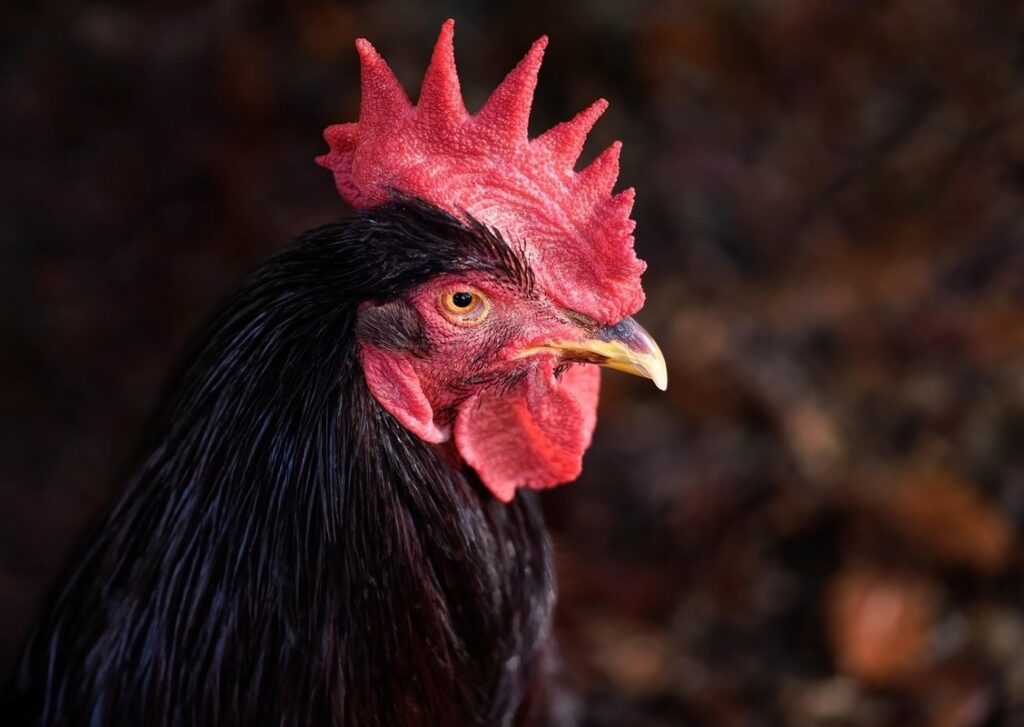
Understanding Rhode Island Red Chickens and Their Eggs
Let’s dive into understanding the unique characteristics of Rhode Island Red chickens that influence their egg-laying abilities, from temperament to genetics.
Origin and History of Rhode Island Reds
The Rhode Island Red breed has its roots in the United States, specifically in Little Compton, Rhode Island. Developed in the mid-19th century, this iconic breed was created by crossing various breeds such as the Malay, Cochin, and Dominique to produce a hardy, egg-laying bird. The first recorded mention of the breed dates back to 1849, when it was exhibited at the Little Compton Fair.
Over time, the Rhode Island Red gained popularity due to its exceptional laying ability, producing an average of 200-300 brown eggs per year. This characteristic, combined with their friendly and docile nature, made them a favorite among backyard chicken keepers. Today, the breed is recognized worldwide for its distinctive red plumage and rich egg-laying capacity.
One of the key factors that contributed to the Rhode Island Red’s success was its adaptability to different climates and environments. They thrived in both hot and cold temperatures, making them an ideal choice for farmers and backyard enthusiasts alike. This hardiness, combined with their impressive egg production, solidified the breed’s place as one of the most popular chicken breeds globally.
The Rhode Island Red’s rich history is a testament to its resilience and adaptability. As you explore the world of these beloved birds, it’s essential to understand their origins and characteristics to ensure that you’re providing the best possible care for your flock.
Key Characteristics of Rhode Island Red Chickens
The Rhode Island Red chicken breed is renowned for its exceptional egg-laying abilities, and several key characteristics contribute to this trait. Firstly, they are known for their energetic and active nature, which encourages them to roam freely and forage for food. This behavior not only keeps them occupied but also stimulates their digestive system, leading to a healthier gut and improved nutrient absorption.
Rhode Island Reds are also relatively large birds, with roosters weighing between 8-12 pounds and hens reaching weights of around 6-9 pounds. Their sturdy build and robust constitution enable them to withstand harsh weather conditions and various health issues that might affect their egg-laying capacity.
In terms of temperament, Rhode Island Reds are friendly, docile birds that adapt well to different living situations, from backyard coops to large farms. They are also known for their intelligence, which makes training relatively easy.
Importance of Egg Color in Breeding Programs
When it comes to breeding Rhode Island Reds for optimal egg production and quality, egg color is a crucial consideration. Breeders often focus on the overall health and productivity of their birds, but neglect to consider the importance of egg color. However, a chicken’s egg color can be a valuable indicator of its overall well-being.
For example, a hen that lays pale or brown eggs may be a sign of a nutritional deficiency or stress in the flock. Conversely, hens that lay deep-brown or dark-colored eggs are often indicative of a robust and healthy bird. By paying attention to egg color, breeders can identify potential health issues early on and take corrective action.
To incorporate egg color into your breeding program, consider evaluating your flock’s eggs regularly and tracking any changes in egg color over time. This will help you pinpoint any nutritional or environmental factors that may be impacting egg production.
Factors Affecting Egg Colour in Rhode Island Reds
So, you’re wondering what influences the beautiful egg colours of your Rhode Island Red hens? Let’s take a closer look at some key factors that affect their eggshell hue.
Genetics and Inheritance of Eggshell Colour
When it comes to determining the eggshell color of Rhode Island Red chickens, genetics play a significant role. Understanding the dominant and recessive traits that influence eggshell color can help you make informed decisions about breeding your flock.
Dominant traits, such as brown or black, will always be expressed if an individual has one copy of the gene. For example, if a hen inherits one copy of the brown gene from her mother and one copy of the yellow gene from her father, she will lay eggs with a dark brown shell. On the other hand, recessive traits, such as white or blue-green, will only be expressed if an individual has two copies of the gene.
Rhode Island Red chickens are known for their rich, dark eggshells, which are often due to the presence of the brown gene in combination with a gene that inhibits the expression of yellow. To breed for this desirable trait, you’ll want to select hens and roosters with a high concentration of brown genes. By doing so, you can increase the chances of your flock laying eggs with a similar dark coloration.
Nutrition and Diet’s Impact on Egg Color
When it comes to the vibrant colors of Rhode Island Red chicken eggs, nutrition and diet play a significant role. The pigments and carotenoids present in a chicken’s diet directly impact the color intensity and hue of their eggshells.
The most critical pigment responsible for eggshell color is xanthophylls, particularly lutein and zeaxanthin. These pigments are derived from plant-based sources such as alfalfa, marigold flowers, and leafy greens like kale and spinach. When chickens consume these foods rich in carotenoids, the pigments are absorbed into their bloodstream and deposited onto the eggshell during formation.
A diet rich in xanthophylls can result in a range of colors from light yellow to deep orange or reddish hues, depending on the concentration and combination of pigments. For instance, marigold flowers contain high levels of lutein and zeaxanthin, making them an excellent addition to your flock’s diet for enhancing eggshell color.
By incorporating foods rich in carotenoids into their diets, you can promote healthy, vibrant eggs with a wide range of colors, from the expected light brown to deep orange or reddish hues.
Environmental Factors Influencing Egg Color
Temperature plays a significant role in determining the eggshell color of Rhode Island Reds. Research suggests that a temperature range between 65°F to 75°F (18°C to 24°C) produces eggs with a deeper, richer brown color. Conversely, temperatures above 80°F (27°C) can result in lighter-colored eggs due to increased respiration rates and subsequent dilution of pigments.
Humidity levels also impact eggshell color. A moderate humidity level between 50% to 60% is ideal for producing eggs with rich, dark colors. However, if the environment becomes too humid, it can lead to mold growth on the eggshells, causing them to appear dull and pale.
Other environmental factors like light exposure and ventilation also influence eggshell color. Direct sunlight can cause the pigment levels in the hen’s body to fluctuate, resulting in eggs with varying shades of brown. Adequate ventilation is essential to prevent the buildup of carbon dioxide, which can reduce pigment production and lead to lighter-colored eggs.
To optimize eggshell color, it’s essential to maintain a consistent temperature range, moderate humidity level, and provide adequate light exposure and ventilation.
Rhode Island Red Egg Colour Chart Range
If you’re wondering what egg colour shades to expect from your Rhode Island Reds, we’ve got you covered with a comprehensive chart below.
Overview of Common Egg Colors Produced by Rhode Island Reds
When it comes to Rhode Island Reds, one of the most popular backyard chicken breeds, their egg-laying abilities are just as impressive as their striking appearance. But have you ever wondered about the various colors of eggs they produce? The truth is that Rhode Island Reds can lay a range of egg colors, including shades of brown, blue, and even green.
In fact, research has shown that about 75% of Rhode Island Red hens will lay eggs with some degree of brown tint. This is due to the breed’s genetic makeup, which causes the pigment protoporphyrin to break down during the egg-laying process, resulting in a range of brown shades from light tan to dark chocolate. But that’s not all – some Rhode Island Red hens will also produce eggs with blue or green undertones, adding an extra layer of interest to their eggs.
It’s worth noting that these variations in egg color are relatively common and can occur even within the same flock. So if you’re a Rhode Island Red owner, don’t be surprised if your hen lays an occasional blue or green egg – it’s all part of what makes this breed so unique!
Describing the Various Shades of Brown Eggs Produced
When it comes to Rhode Island Red chicken eggs, one of the most distinctive and recognizable features is their rich, earthy brown color. However, this broad category encompasses a wide range of shades, each with its own unique charm. As you collect eggs from your Rhode Island Reds, you may notice that they can vary in tone from light tan to dark chocolate.
If you’re new to raising these beautiful birds, it’s essential to understand the different shades of brown eggs they produce. Light tan eggs are often produced during the spring and summer months when the hens are at their peak egg-laying performance. These eggs will have a delicate, creamy undertone that’s perfect for baking or making pasta dishes.
As you move through the color spectrum, you’ll encounter medium-brown eggs with a warm, golden hue. These eggs are ideal for everyday eating and are often used in salads or as a topping for sandwiches. The darker shades of brown, like dark chocolate, are typically produced during the fall and winter months when the hens’ diet may consist of more robust foods.
To accurately identify the shade of your Rhode Island Red’s eggs, consider the following tips: examine the egg under natural light to bring out the subtle nuances in color; take note of the egg’s overall brightness or dullness; and compare it with a color chart for reference. By paying attention to these details, you’ll be able to appreciate the diversity of your Rhode Island Red’s egg-laying abilities.
Characteristics of Blue and Green Eggs Laid by Rhode Island Reds
If you’re lucky enough to own a Rhode Island Red hen that lays blue or green eggs, congratulations are in order! While these colors may seem rare and exotic, they actually fall within the breed’s natural egg-laying spectrum. Blue eggs owe their distinctive hue to a genetic trait called “dilution,” which reduces the amount of pigment in the shell, resulting in a bluish-gray color.
Green eggs, on the other hand, are caused by a specific type of bacteria that can be present on the hen’s feathers or in her environment. This is why green eggs may appear more vibrant and intense than blue eggs. Some breeders even claim to have successfully bred green egg-laying Rhode Island Reds through selective breeding.
When it comes to identifying blue or green eggs, look for a slightly lighter coloration around the edges of the shell, which can sometimes take on a purplish tint. These eggs may also be slightly smaller than their brown counterparts. While rare, blue and green eggs are definitely possible with Rhode Island Reds – so keep an eye out and enjoy this special treat when it happens!
Comparing Egg Colors Across Different Breeds
Let’s take a closer look at how egg colors vary across different breeds, particularly when it comes to our beloved Rhode Island Reds.
Review of Other Chicken Breeds Known for Unique Egg Colors
If you’re looking for other chicken breeds that can add some excitement to your egg-laying routine, there are a few breeds worth considering. Araucanas and Ameraucanas are two popular breeds known for their unique egg colors.
Araucanas, originating from South America, lay blue eggs due to a genetic trait that causes the yolks to be surrounded by a thick, blue membrane. This breed is not only beautiful but also friendly and docile, making them an excellent addition to any backyard flock. If you’re interested in trying your hand at collecting blue eggs, Araucanas are definitely worth considering.
Ameraucanas, on the other hand, lay eggs that range from blue to green in color. Like their cousins, the Araucanas, Ameraucanas have a genetic trait that causes their yolks to be surrounded by this unique membrane. These birds are also known for being friendly and hardy, making them an excellent choice for backyard chicken keepers.
When selecting either of these breeds, it’s essential to ensure you’re purchasing from reputable breeders who can guarantee the bird’s ability to lay colored eggs. This is especially important if you’re looking for a specific egg color, as some birds may not inherit the trait.
Discussion on Potential Benefits and Drawbacks of Each Breed
When it comes to egg color, different breeds of chickens have unique characteristics that can impact not only the appearance but also the fertility and hatchability of their eggs. For instance, a Rhode Island Red chicken’s dark-brown eggs are prized for their rich color, but this comes at the cost of reduced hatch rates compared to lighter-shelled eggs.
Some benefits of darker eggshells include improved insulation against temperature fluctuations, which can be beneficial in cold climates. However, these shells often have smaller pores, reducing oxygen intake and potentially affecting fertility. On the other hand, breeds like Leghorns or Australorps lay lighter-colored eggs with larger pores that facilitate better gas exchange but may not provide the same level of protection from extreme temperatures.
Ultimately, selecting a breed for your egg-laying needs involves weighing these trade-offs. If you prioritize dark egg colors and are willing to accept slightly lower hatch rates, then breeds like Rhode Island Reds might be an excellent choice. But if you’re concerned with maximizing fertility or live in areas where temperature fluctuations are less severe, you may want to consider a breed that lays lighter-colored eggs.
Maintaining Healthy Flock and Encouraging Desired Egg Colors
To maintain a healthy Rhode Island Red flock that lays vibrant eggs, you’ll want to focus on providing optimal nutrition and stress-free living conditions. A balanced diet and regular health checks are crucial for eggshell color development.
Tips for Promoting Healthy Laying in Rhode Island Reds
To promote healthy laying habits in your Rhode Island Reds, it’s essential to provide them with adequate nutrition. Ensure that their diet consists of high-quality feed that is rich in protein and calcium, as these nutrients are crucial for egg production. Provide fresh water at all times, and consider supplementing with oyster shells or crushed eggs to boost calcium levels.
Stress management is also vital in maintaining healthy laying habits. Rhode Island Reds can be prone to stress due to changes in environment, weather, or even the presence of predators. To mitigate this, create a safe and secure coop that provides adequate shelter from harsh weather conditions. Consider adding enrichment activities such as foraging toys or scratching posts to keep them engaged and stimulated.
Monitor your flock’s health regularly, looking out for signs of stress or discomfort. Keep an eye on egg production rates, color variation, and shell quality. By providing the right environment and nutrition, you can encourage your Rhode Island Reds to lay healthy eggs while maintaining their overall well-being. With proper care, they should thrive and produce high-quality eggs throughout the year.
Strategies for Selecting for Desired Traits, Including Egg Color
When selecting Rhode Island Reds for their egg-laying capabilities and desired traits such as egg color, it’s essential to employ strategic methods. Pedigree selection is one approach where you choose birds with a proven track record of producing eggs within the desired range. For instance, if you’re looking for hens that lay eggs in the medium to dark brown spectrum, select breeds with ancestors known for their rich egg production.
Artificial insemination (AI) is another technique used to introduce desirable traits into your flock. This involves using semen from a proven sire to fertilize eggs from your Rhode Island Red hens. AI allows you to combine the genetic advantages of different birds and increase the chances of producing offspring with the desired characteristics, including egg color.
Regularly monitoring your flock’s performance will also help you identify and retain birds that consistently produce eggs within the preferred range. Keep accurate records of egg production, weight, and color to make informed decisions about which birds to breed or cull from your flock.
Conclusion: Choosing the Right Chicken Breed for Your Needs
Now that you’ve learned about the Rhode Island Red’s egg colour chart range, it’s time to choose a breed that fits your needs and lifestyle perfectly.
Recap of Key Points Covered in the Article
To ensure you’ve got a solid understanding of Rhode Island Red chicken egg colours, let’s review the key takeaways from our discussion. By now, you should be familiar with the main characteristics and colour variations of eggs laid by this breed.
We discussed how to identify the different shades of brown that Rhode Island Reds lay, from light cream to dark chocolate. You’ve also learned about the factors that influence egg colour, such as age, nutrition, and genetics. It’s essential to note that while individual birds may have their own unique egg-laying characteristics, some breeds are more consistent than others.
To recap, here are the key points covered:
* Rhode Island Red chickens are known for their medium to dark brown eggs
* Eggs can range from light cream to dark chocolate, with most falling somewhere in between
* Factors influencing egg colour include age, nutrition, and genetics
* Understanding these variations will help you identify your birds’ egg-laying characteristics
Final Thoughts on Selecting a Flock Based on Egg Color Preferences
As you’ve navigated through the Rhode Island Red chicken egg color chart range, it’s essential to remember that selecting a flock based on egg color preferences is more than just a personal preference – it’s a crucial decision that can impact your daily life and the experience of raising backyard chickens. If you’re someone who adores collecting eggs with a specific hue or wants to match their egg-laying birds’ color scheme to their kitchen decor, then prioritizing egg color is a valid consideration.
However, if your primary concern lies elsewhere – for instance, egg production rate, cold hardiness, or noise level – it’s equally important to let that guide your selection process. Ultimately, you should choose breeds that suit your needs and lifestyle, even if their eggs don’t quite fit the bill in terms of color.
Frequently Asked Questions
Can I influence the egg color of my Rhode Island Red chickens through diet?
While nutrition plays a role in determining eggshell color, it’s not the primary factor for Rhode Island Reds. A balanced diet rich in calcium and other essential nutrients will support healthy laying habits, but genetic factors dominate the determination of egg color.
How long does it take to notice a change in egg color if I’m selectively breeding my flock?
Selective breeding can lead to changes in egg color over several generations. You may start noticing subtle variations within 2-3 years, but significant shifts typically occur after 5-7 years of intentional selection and careful record-keeping.
What’s the average range of eggshell thickness for Rhode Island Red chickens?
Eggshell thickness is not directly correlated with egg color, so it’s essential to monitor both factors separately. On average, Rhode Island Reds lay eggs with a medium-thick shell (around 0.37-0.45 mm), which helps protect the embryo during incubation.
Can I mix breeds to create unique egg colors in my flock?
Hybridization can indeed produce interesting results, but it’s crucial to consider the genetic diversity and potential health implications of mixing breeds. Focusing on a single breed like Rhode Island Reds often yields more predictable and desirable outcomes for specific traits like egg color.
How do I handle uneven or irregular egg-laying among my Rhode Island Red chickens?
To promote healthy laying habits, ensure your flock has access to adequate light, space, and nutrition. Also, consider introducing enrichment activities and rotating nesting boxes regularly to minimize stress and maintain optimal health.