
If you’re a Rhode Island Red chicken owner or enthusiast, you’re probably curious about the unique characteristics of these beloved birds. One of the most fascinating aspects of owning a Rhode Island Red is the diversity of eggshell colors they can produce. While many people assume that all RI Reds lay brown eggs, this isn’t always the case. In fact, their genetics can result in light brown, dark brown, blue, or even green eggs – but how do you know what color to expect from your girls? If you’re looking for a comprehensive guide on understanding the eggshell colors of Rhode Island Red chickens, including the role of nutrition and breeding, this article is here to help. We’ll break down the science behind their colorful eggs and provide you with the insights you need to predict what’s in store for your flock.
Introduction to Rhode Island Red Chickens
You’re interested in learning more about these lovely birds, so let’s start by diving into what makes Rhode Island Red chickens unique and special.
Brief History of the Breed
Rhode Island Reds have been a beloved choice among backyard chicken enthusiasts for generations, and it’s easy to see why. Their gentle disposition and friendly nature make them an ideal breed for families with children or for those who want a low-maintenance but rewarding experience. One of the earliest recorded appearances of Rhode Island Reds dates back to 1849, when they were first exhibited at the Charlton County Fair in Massachusetts.
Their popularity continued to grow throughout the late 19th and early 20th centuries, as they became known for their remarkable egg-laying abilities. It’s not uncommon for a mature Rhode Island Red hen to lay over 300 eggs per year, making them an excellent choice for small farms or backyard flocks looking to increase their egg production.
Despite their impressive productivity, Rhode Island Reds are also prized for their friendly and docile nature, which makes them an excellent breed for families with children. They are relatively easy to care for, requiring minimal attention and maintenance.
Importance of Egg Color Diversity
Understanding the importance of egg color diversity is crucial when it comes to Rhode Island Reds. For hobbyists and commercial farmers alike, the different shades of egg colors can significantly impact marketability and nutritional value. Let’s take a closer look at why this matters.
One key aspect to consider is that consumers often associate certain characteristics with specific egg colors. For instance, darker eggs are perceived as being more nutritious due to their rich, intense coloration. This perception can directly influence the demand for these eggs in local markets. Hobbyists and farmers who produce a variety of egg colors can thus cater to this consumer preference.
In terms of nutritional value, research suggests that egg yolks with higher antioxidant levels tend to have deeper pigmentation. Therefore, by maintaining a flock with diverse egg coloration, farmers can inadvertently increase the overall health benefits associated with their eggs. It’s essential for breeders and owners to understand how different factors influence egg color diversity, ultimately enhancing their egg production business or personal experience with Rhode Island Reds.
Understanding Eggshell Pigmentation
When it comes to eggshell pigmentation, understanding why eggs vary in color is crucial for breeders and owners alike. Let’s dive into the world of pigments that determine your Rhode Island Red eggs‘ unique hues.
The Science Behind Eggshell Colors
When it comes to understanding why Rhode Island Red chicken eggs display a range of colors, we need to delve into the science behind eggshell pigmentation. Genetics play a significant role in determining eggshell color, with specific genes controlling the production of key pigments.
These pigments, known as porphyrins, are produced by certain cells within the hen’s oviduct during eggshell formation. The interaction between different types and amounts of porphyrins results in various shades and hues on the surface of the eggshell. For example, the pigment protoporphyrin IX contributes to the brown or reddish tones commonly seen in Rhode Island Red eggs.
Interestingly, researchers have identified several genes responsible for controlling porphyrin production, including the OCA2 gene and the TYRP1 gene. These genetic factors can influence not only eggshell color but also feather pigmentation, further solidifying the link between genetics and phenotypic traits.
Factors Influencing Eggshell Color
While genetics play a significant role in determining eggshell color, environmental factors can also influence the final hue. For instance, if you’re raising Rhode Island Red chickens on a diet lacking essential nutrients like calcium and phosphorus, it may impact their ability to produce eggs with optimal pigmentation.
In addition to diet, health conditions can also affect eggshell color. Chickens that are stressed or unwell may not lay eggs with vibrant colors, as the body diverts resources away from egg production towards recovery. Furthermore, inadequate lighting in the coop can reduce the intensity of eggshell colors, resulting in less pigmentation.
To give your Rhode Island Red hens the best chance at producing eggs with rich, robust colors, ensure they’re receiving a balanced diet that includes calcium and phosphorus supplements. Also, prioritize their health by maintaining a clean and spacious coop, providing access to fresh water, and monitoring for signs of illness or stress. By considering these factors, you can encourage optimal eggshell pigmentation in your flock.
Rhode Island Red Egg Colors: A Charted Guide
As you’re getting familiar with your Rhode Island Reds, it’s essential to know what eggshell colors to expect from these beloved birds. Let’s dive into a detailed chart of their possible egg hues.
Light Brown Eggs (LB)
Light brown eggs (LB) are one of the most recognizable and sought-after egg colors from Rhode Island Reds. These eggs have a distinct light brown shell that is both attractive and nutritious. When it comes to size, light brown eggs tend to be medium to large in diameter, typically ranging from 1.5 to 2 inches in length.
The shape of light brown eggs can vary slightly, but they often have a slight tapering at the large end and are usually quite symmetrical. The shell texture is one of the defining characteristics of LB eggs – it’s smooth to the touch and has a subtle sheen to it. This is due to the presence of a thin layer of cuticle or “bloom” that helps protect the egg from bacteria and other external contaminants.
If you’re interested in raising Rhode Island Reds for their unique light brown eggs, be sure to provide them with a balanced diet rich in calcium and protein. Regular cleaning and maintenance of your chicken coop will also help ensure that your hens produce healthy and clean eggs.
Dark Brown Eggs (DB)
Dark brown eggs (DB) produced by Rhode Island Reds are a common occurrence among backyard chicken keepers. These eggs are often characterized by their uniform dark brown color, which can range from a deep chocolate to a rich mocha hue.
In terms of size, DB eggs tend to be on the larger side, with an average weight of around 50-55 grams (1.76-1.94 oz). Their shape is also quite distinctive, often being more oval or teardrop-shaped than round or egg-shaped. The shell texture is usually smooth and glossy, making it a delight to hold in your hand.
It’s worth noting that DB eggs are not necessarily indicative of the hen’s age or health, but rather a result of her genetic makeup. If you’re concerned about your Rhode Island Red laying dark brown eggs consistently, check for any signs of stress or disease, and ensure she has access to a balanced diet rich in calcium and other essential nutrients.
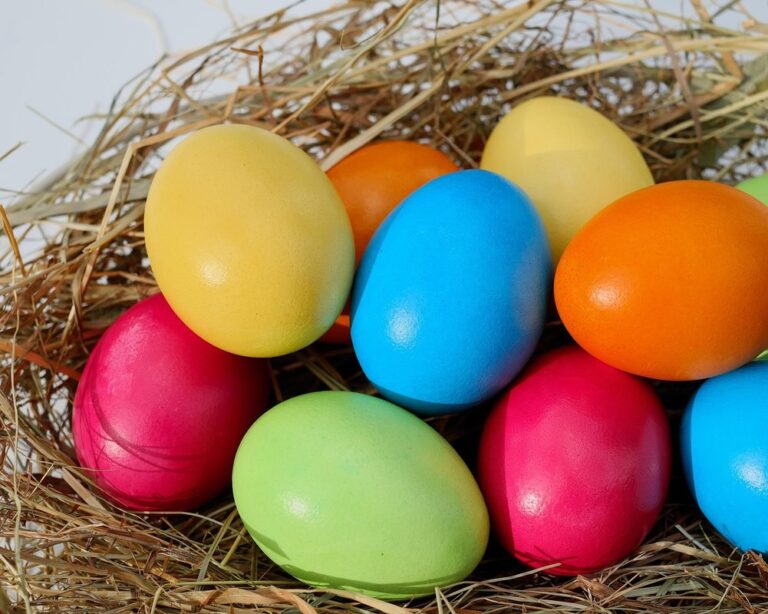
Blue or Green Eggs (BG)
While the stunning golden-brown eggs of Rhode Island Reds are the norm, some flocks may produce blue or green eggs. However, it’s essential to note that this phenomenon is relatively rare, and there could be several reasons behind it.
The main reason for blue or green eggs in Rhode Island Red flocks is often due to crossbreeding with other breeds known for producing these egg colors, such as Araucanas or Ameraucanas. These birds can carry the genetic trait responsible for the production of blue or green eggs, which is then passed down to their offspring.
Another possible cause could be a genetic mutation that occurs within the flock. This can happen spontaneously and may not be directly related to breeding practices. In rare cases, environmental factors such as diet or exposure to certain chemicals might also contribute to the appearance of blue or green eggs.
If you’re an enthusiastic breeder or owner of Rhode Island Reds, it’s crucial to understand that these unusual egg colors don’t necessarily indicate a superior genetic line. Instead, they may simply be the result of external influences.
Breeding for Desired Eggshell Colors
Breeding Rhode Island Red chickens for specific eggshell colors requires a solid understanding of genetics and selection techniques, which we’ll delve into next. Let’s explore the process of achieving your desired color results.
Selective Breeding Programs
Selective breeding programs are a powerful tool for developing strains of Rhode Island Reds with specific eggshell color preferences. These programs involve selecting individuals that produce eggs within the desired color range and then breeding them to produce offspring with the same characteristics.
The goal is to concentrate desirable traits through generations, ensuring consistency in eggshell coloration. This process can be time-consuming and requires careful planning, but it’s a crucial step in creating strains that meet specific industry or market demands.
For example, a breeder might want to develop a strain of Rhode Island Reds with high numbers of dark-brown eggs. To achieve this, they would select roosters and hens that consistently lay dark-brown eggs and breed them together. Over several generations, the offspring will exhibit an increased frequency of dark-brown egg production.
Selective breeding programs can be tailored to suit various needs, whether it’s for commercial or backyard flocks. By following a well-planned breeding strategy, breeders can create consistent strains with specific eggshell color characteristics, meeting market demands and enhancing their flock’s overall performance.
Genetic Factors Influencing Color Production
When it comes to breeding Rhode Island Red chickens for desired eggshell colors, understanding the genetic factors at play is crucial. Eggshell pigmentation is a complex trait controlled by multiple genes interacting with each other and their environment. Research has identified several genes responsible for melanin production, which gives eggs their color.
For example, the gene B (brown) and the gene C (cinnamon) interact to produce the characteristic reddish-brown eggshell of Rhode Island Reds. The extension gene E (yellow) also plays a role in determining the intensity of the red color. However, environmental factors such as diet and age can influence these genes and affect eggshell pigmentation.
To breed for specific eggshell colors, chicken enthusiasts need to consider the genetics of their flock. This involves identifying the dominant and recessive alleles of the relevant genes and selecting breeding stock accordingly. By carefully managing the genetic makeup of your flock, you can increase the chances of producing eggs with the desired color. Keep in mind that genetic variation is a double-edged sword – while it provides opportunities for improvement, it also introduces uncertainty and unpredictability.
Tips for Raising Rhode Island Red Chickens
When it comes to raising your own Rhode Island Reds, there are a few essential tips you’ll want to keep in mind to ensure their health and happiness. Let’s dive into some expert advice!
Providing Optimal Nutrition
When it comes to raising healthy Rhode Island Reds, providing optimal nutrition is crucial. A balanced diet not only affects their overall health but also impacts eggshell color, which we’ll be exploring throughout this comprehensive guide. Research suggests that a well-nourished flock is more likely to produce eggs with vibrant colors.
To ensure your Rhode Island Reds receive the necessary nutrients, consider the following tips: Include a mix of high-quality grains like oats and barley in their diet, supplemented with fresh fruits and vegetables. Leafy greens such as kale and spinach are particularly beneficial for egg production. Adequate protein intake is also essential, so incorporate mealworms or crickets into their feed.
In addition to these dietary recommendations, ensure your flock has access to clean water at all times. A hydrated chicken is more likely to lay eggs with a richer color. Observe your chickens’ behavior and adjust their diet accordingly; for instance, if you notice a decrease in egg production, consult with a veterinarian or poultry expert to identify potential nutritional deficiencies.
Environmental Considerations
When it comes to raising Rhode Island Reds, creating an optimal environment is crucial for their good health and reproductive performance. This includes providing them with adequate space, fresh air, and a balanced diet. Make sure to allocate at least 4-5 square feet of space per bird inside the coop, and about 8-10 square feet in the run.
Proper ventilation is also vital to prevent ammonia buildup from their droppings. Consider installing windows or vents that can be opened during warmer months to circulate air within the coop. Furthermore, ensure they have access to fresh water at all times by using a gravity-fed watering system.
A balanced diet consisting of layer feed and supplements like calcium will support their reproductive performance. Provide a small amount of grit and oyster shells to promote eggshell production. You can also supplement with fruits and vegetables, but avoid overfeeding as this may lead to obesity.
It’s also essential to monitor temperature fluctuations within the coop to ensure it remains between 40°F and 80°F (4°C and 27°C). This will help regulate their molting cycles and maintain a consistent egg-laying rhythm.
Conclusion: Unlocking the Secrets of Egg Colors
Now that we’ve explored the egg colors chart, let’s summarize the main takeaways and unlock the secrets to understanding your Rhode Island Red chicken’s eggshell hues.
Recap of Key Points
In reviewing the key points from this comprehensive guide on Rhode Island Red chicken egg colors, it’s clear that there are several takeaways to consider when exploring the various shades and patterns of these eggs. Firstly, the chart outlined in this guide helps readers quickly identify the different color categories and corresponding shade codes used for each breed. The significance of understanding these code systems lies in accurately predicting and managing egg production expectations.
As discussed throughout the guide, it’s essential to note that Rhode Island Red chickens are prolific layers, producing an average of 200-220 brown eggs per year. Given this high egg-laying capacity, it is crucial to monitor egg color consistency for breeders looking to develop their flock’s characteristics. Regular monitoring and record-keeping enable farmers to identify trends and potential issues affecting the quality or quantity of eggs produced.
Ultimately, utilizing the Rhode Island Red chicken egg colors chart as a reference tool will allow poultry enthusiasts and commercial farms alike to better understand and optimize their flocks’ potential for producing these distinctive eggs. By considering the color variations, breeders can refine their breeding strategies and create more desirable traits within their flock.
Future Research Directions
As we conclude our exploration of the Rhode Island Red chicken egg colors chart, it’s essential to consider potential areas for future research into the genetics and environmental factors influencing eggshell color diversity. The complexity of this phenomenon is still not fully understood, and continued investigation could lead to groundbreaking discoveries.
One promising area of study involves investigating the role of genetic variation in determining eggshell color. For instance, researchers could examine the specific genes responsible for producing different pigments and explore how these genes interact with environmental factors. This knowledge would not only enhance our understanding of eggshell color diversity but also provide insights into breeding programs aimed at optimizing egg production.
Another critical area of research is exploring the impact of environmental factors on eggshell color. Climate, nutrition, and stress levels can all influence the final color of eggs laid by Rhode Island Red hens. Investigating these dynamics could reveal strategies for optimizing eggshell color in various production settings.
Through continued research, we may uncover novel approaches to breeding for desired traits or develop more effective management practices that take into account the intricate relationships between genetics and environment.
Frequently Asked Questions
Can I predict with certainty which color eggs my Rhode Island Red chickens will lay?
No, it’s challenging to predict eggshell colors due to the complex interplay of genetics, nutrition, and environmental factors influencing pigmentation. However, understanding the breed’s genetic potential and providing optimal nutrition can help increase the chances of getting desired egg colors.
How do I determine if my Rhode Island Red chicken is laying blue or green eggs?
If you suspect that your RI Reds are producing blue or green eggs, examine the eggshell closely for any subtle color variations. You can also keep a record of your flock’s egg-laying patterns and note any changes in shell color over time.
Are there any specific nutrition factors that impact Rhode Island Red eggshell colors?
Yes, a balanced diet rich in essential vitamins and minerals is crucial for producing healthy eggs with vibrant pigmentation. Ensuring adequate intake of vitamin E, omega-3 fatty acids, and other nutrients can help support the breed’s natural color production.
Can I influence my Rhode Island Red chicken’s eggshell color through selective breeding?
Selective breeding programs can be an effective way to introduce desired traits, including specific eggshell colors. However, it’s essential to prioritize genetic diversity within your flock and consider the long-term implications of concentrated selection for a particular trait.
What are some common challenges or misconceptions about Rhode Island Red eggshell colors that I should be aware of?
One common misconception is that all RI Reds lay brown eggs; however, this breed can produce an array of eggshell colors. Be prepared to address any questions or concerns from fellow backyard chicken enthusiasts regarding the breed’s unique characteristics and potential eggshell color variations.