
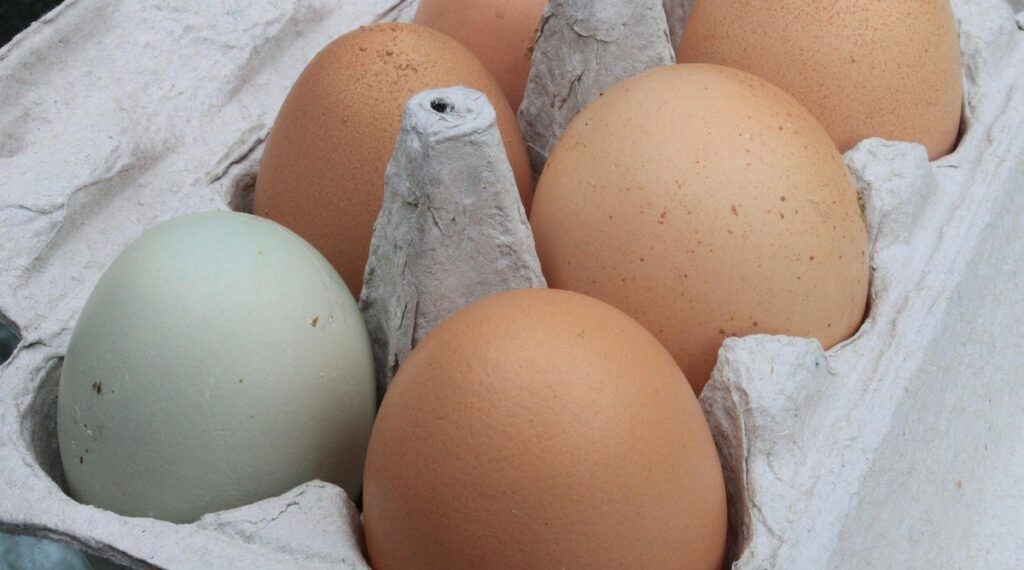
If you’re an avid backyard chicken keeper or simply fascinated by the world of poultry, you’ve probably noticed that Rhode Island Red chicken eggs come in a variety of colors. But have you ever stopped to think about why this is the case? From deep brown to pink and even blue-green, the color of Rhode Island Red chicken eggs can be quite surprising – but what does it mean for their nutritional value and overall health?
In this article, we’ll delve into the fascinating world of Rhode Island Red chicken eggs and explore the unique color variations that make them stand out. We’ll also discuss the potential implications for human health, including the nutritional benefits and any potential risks associated with consuming eggs from these remarkable birds. Whether you’re a seasoned chicken keeper or just curious about the world of poultry, read on to discover more about the incredible Rhode Island Red chicken eggs.
The Origin and History of Rhode Island Reds
The Rhode Island Red’s rich history dates back to the 1800s, where they were first developed in Little Compton, Rhode Island. Let’s explore how this breed came to be!
1. Introduction to Rhode Island Reds
The Rhode Island Red breed has a rich history that dates back to the 19th century. Developed in the United States, specifically in Little Compton, Rhode Island, this chicken breed was created by crossing various breeds such as the Cochin, Malay, and other local fowl. The goal of breeding these birds was to produce a hardy, prolific layer that could thrive in the harsh New England climate.
Rhode Island Reds are known for their distinctive reddish-brown feathers, which give them their name. They are a medium-sized breed, with roosters weighing around 8-10 pounds and hens reaching about 6-7 pounds. One of the most notable characteristics of Rhode Island Reds is their friendly and docile nature, making them an excellent choice for backyard flocks.
Their egg-laying abilities are also impressive, producing around 200-220 brown eggs per year. This breed’s popularity has endured over the years due to its unique combination of hardiness, temperament, and egg production. As you explore the world of Rhode Island Red chicken eggs, understanding their origins will help you appreciate the breed’s rich history and characteristics that make them a favorite among backyard chicken keepers.
2. Breed Development and Early Characteristics
The Rhode Island Red breed has an impressive history that dates back to the late 19th century. Developed by crossing various breeds such as the Cochin, Malay, and Dominique, this poultry was initially intended for its meat production capabilities rather than egg-laying prowess.
However, it wasn’t long before farmers realized that these birds also possessed exceptional laying abilities. As a result, breeders began to select for chickens with more desirable traits related to egg production, such as increased numbers of eggs laid per year and better eggshell quality.
In the early 1900s, the American Poultry Association recognized the Rhode Island Red as one of its official breeds, acknowledging its impressive egg-laying capabilities. By this time, farmers had already begun to appreciate the breed’s consistent laying patterns, with many birds producing an average of 200-300 eggs per year.
The Rhode Island Red’s popularity soared in the early 20th century, and it soon became one of the most widely kept breeds for its exceptional egg-laying abilities.
Eggshell Color Variations in Rhode Island Reds
If you’re curious about the eggshell color variations of Rhode Island Reds, you’ll be interested to know that they come in several different shades. Let’s take a closer look at each one.
1. Brown Eggs: The Most Common Shell Color
When it comes to Rhode Island Red chicken eggs, you’re likely to notice that most of them have brown shells. But why is this the case? The reason lies in genetics and pigmentation. The color of an eggshell is determined by the interaction between two genes: the O gene and the B gene. The O gene codes for a protein called ovotransferrin, which affects the shell’s thickness and structure. The B gene, on the other hand, influences the production of a pigment called porphyrins.
When both O and B genes are present in an Rhode Island Red chicken, they combine to produce brown eggs. This is because the pigments produced by the B gene react with the ovotransferrin protein to create a brown coloration. In fact, research has shown that 80-90% of Rhode Island Reds lay brown eggs due to this genetic combination. So, if you’re an egg producer or breeder, don’t be surprised when most of your Rhode Island Red eggs have brown shells. Instead, take advantage of this natural trait and focus on other factors like nutrition, health, and breed selection to produce high-quality eggs.
2. Light Brown to Dark Chocolate-Brown Shells
The Rhode Island Reds are known for their light brown to dark chocolate-brown eggs. Within this range, you’ll notice that eggshell color can vary significantly, even among birds from the same flock. Factors such as diet and genetics play a significant role in determining the final shade.
In terms of genetics, the sex of the bird also affects eggshell color, with hens laying darker-colored eggs than roosters. However, this is not a definitive rule, and individual variations can occur. A balanced diet rich in calcium, along with access to fresh water and adequate sunlight, will contribute to healthy eggshell development.
Interestingly, some breeders have reported that their Rhode Island Reds produce lighter or darker colored eggs as the seasons change. This phenomenon may be attributed to fluctuations in environmental conditions such as temperature and humidity levels. Regardless of the specific shade, light brown to dark chocolate-brown eggs are a testament to the overall health and vitality of your flock.
Keep in mind that eggshell color can also provide valuable insights into the nutritional well-being of your birds.
Factors Affecting Eggshell Color
When it comes to the stunning colors of Rhode Island Red chicken eggs, several factors come into play to determine their unique hues. Let’s dive into what influences these distinctive eggshell colors.
1. Genetics: The Role of Inheritance in Eggshell Color
Genetics play a significant role in determining the eggshell color of Rhode Island Red chicken eggs. The genetics behind eggshell color can be complex, but understanding it will help you predict the potential colors your hens may lay.
Eggshell color is determined by two types of genes: dominant and recessive. Dominant genes will always be expressed if an individual has one copy of the gene, while recessive genes will only be expressed if an individual has two copies. For eggshell color, the two most important genes are the brown (B) and yellow (Y) genes.
The interaction between these genes determines the final eggshell color. If a chicken inherits the dominant B gene from one parent and the recessive Y gene from the other parent, it will lay eggs with a reddish-brown color. However, if both parents contribute the recessive Y gene, the eggs will have a lighter yellow or cream-colored shell.
Knowing your hens’ genetic makeup can help you predict their eggshell colors. If you’re breeding Rhode Island Reds, look for birds that are homozygous dominant (BB) for brown eggs or heterozygous (Byy) for a mix of both. Keep in mind that multiple generations and complex genetics are involved, making it challenging to pinpoint exact color predictions without proper genetic testing.
2. Nutrition and Diet’s Impact on Eggshell Color
Nutrition and diet play a significant role in determining the color of Rhode Island Red chicken eggs. A well-balanced diet rich in essential nutrients is crucial for eggshell production and coloration. Calcium, phosphorus, and potassium are vital minerals that contribute to eggshell color. However, the actual pigmentation comes from other sources.
Pigment production relies on the presence of carotenoids, particularly xanthophylls and canthaxanthin. These compounds are obtained through the chicken’s diet, which includes yellow and orange foods such as marigold flowers, alfalfa, and sweet potatoes. The intensity and hue of the eggshell color depend on the amount and type of these pigments consumed.
To achieve a desirable eggshell color, it is recommended to provide your Rhode Island Red hens with a balanced diet that includes:
* Leafy greens like kale and spinach
* Fruits rich in carotenoids like oranges and apricots
* Yellow corn and sunflower seeds
* Oyster shells or crushed eggs for calcium supplementation
A nutrient-rich diet will not only contribute to the eggshell color but also promote overall health and well-being of your Rhode Island Red flock.
Health Implications of Rhode Island Red Eggs
While the vibrant color of Rhode Island Red eggs is a delight, it’s essential to consider the health implications for you and your family when consuming these distinctive eggs. Let’s examine some potential risks to be aware of.
1. Omega-3 Content: A Key Nutrient in Brown Eggs
Brown eggs from Rhode Island Reds are not only a delight to look at but also a rich source of essential nutrients. One key nutrient that sets them apart is omega-3 fatty acids. These healthy fats play a crucial role in brain function, heart health, and even fetal development during pregnancy.
Studies have shown that hens raised on pasture or fed omega-3 enriched feed tend to produce eggs with higher levels of this beneficial fatty acid. This makes sense when you consider the natural diet of Rhode Island Reds, which typically involves foraging for grasses and insects on pasture. As a result, their eggs contain more alpha-linolenic acid (ALA), a type of omega-3 that’s essential for human health.
If you’re looking to boost your intake of omega-3s from your egg yolks, consider the following: Opt for eggs from hens raised on pasture or those labeled as “omega-3 enriched.” You can also experiment with adding flaxseeds or chia seeds to their feed to increase ALA levels. Remember that even small amounts of omega-3s in every meal can have a significant impact on overall nutrition and well-being.
2. Other Nutritional Benefits of Eating Rhode Island Red Eggs
In addition to their unique color and nutritional profile, Rhode Island Red eggs also offer several other key benefits when it comes to nutrition. For one, they are an excellent source of protein, containing about 6-7 grams per large egg. This makes them a great option for individuals looking to boost their muscle mass or support overall health.
Rhode Island Red eggs are also rich in essential vitamins and minerals, including vitamin D, B12, and iron. Vitamin D is particularly important during the winter months when sunlight is scarce, while vitamin B12 plays a crucial role in energy production and nerve function. The high levels of iron found in these eggs can help support healthy red blood cell production, reducing the risk of anemia.
One of the most significant nutritional benefits of consuming Rhode Island Red eggs is their higher levels of omega-3 fatty acids compared to other breeds. These essential fats have been shown to reduce inflammation and improve heart health, making them a valuable addition to a balanced diet.
Choosing the Right Breed for Your Needs
When choosing a chicken breed, several factors come into play. Consider your lifestyle, available space, and egg-laying requirements when selecting a breed that suits your needs best.
1. Factors to Consider When Selecting a Chicken Breed
When selecting a chicken breed for egg production, several factors come into play. One of the primary considerations is the egg-laying capacity, as it can significantly impact the number of eggs you’ll collect from your flock. You should also think about the breed’s growth rate, temperament, and climate adaptability.
For instance, if you’re looking to harvest a large quantity of eggs regularly, breeds like Leghorns or Rhode Island Reds are excellent choices due to their high egg-laying capacity (around 300-320 brown eggs per year). On the other hand, if you have limited space or prefer a more docile temperament, smaller breeds such as Bantams or Silkies may be more suitable.
In addition to these factors, consider the breed’s hardiness and resistance to diseases. This is especially important for backyard chicken keepers who may not have access to professional veterinary care. Researching different breeds and their characteristics will help you make an informed decision that aligns with your needs and resources.
2. How Rhode Island Reds Compare to Other Breeds
When it comes to choosing a breed for your backyard flock, you may be wondering how Rhode Island Reds compare to other popular breeds. In this section, we’ll take a closer look at the strengths and weaknesses of Rhode Island Reds compared to other popular egg-laying breeds.
For example, if you’re looking for a high-volume egg layer, you might consider the Leghorn breed. While they out-produce Rhode Island Reds in terms of egg quantity, they tend to lay smaller eggs and have a more delicate temperament. On the other hand, Plymouth Rock chickens are known for their friendly and docile nature, but they don’t quite match the Rhode Island Red’s egg-laying abilities.
If you’re looking for a breed that excels in both egg production and hardiness, the Rhode Island Red is a great choice. They’re relatively low-maintenance, disease-resistant, and can thrive in a variety of environments. However, if you live in an area with extremely cold winters or hot summers, you may want to consider breeds like the Australorp or Orpington that are better suited to extreme temperatures.
In terms of egg color, Rhode Island Reds lay large, dark brown eggs, which many people find appealing. While some breeds, like the Araucana, can lay blue or green eggs, these unique colors often come at the cost of reduced fertility and hardiness. Ultimately, the choice between breeds will depend on your specific needs and preferences as a chicken keeper.
Conclusion: Why Rhode Island Red Eggs Stand Out
Now that you’ve learned all about the characteristics of Rhode Island Red chicken eggs, let’s wrap up with why these eggs stand out from the rest. They have a unique combination of traits that make them truly special.
Summary of Key Points Covered in the Article
In conclusion to our comprehensive guide on Rhode Island Red chicken eggs color, let’s summarize the key points discussed.
We began by understanding the genetics behind the eggshell color of Rhode Island Reds, which is primarily influenced by the production of porphyrins and the interaction between OCA2 gene variants. This led us to explore the various shades of brown that can be present in Rhode Island Red eggs, from light cream to deep chocolate.
We also looked at how factors such as diet, age, and health can impact eggshell color, with a well-balanced diet playing a crucial role in maintaining optimal egg production. Furthermore, we touched on the significance of proper egg handling and storage to preserve the natural colors of the eggs.
Lastly, we discussed how you can use this knowledge to select the best breeders or suppliers for your needs. This includes considering factors such as egg color consistency, overall health, and temperament. By taking these points into consideration, you’ll be well-equipped to appreciate the unique characteristics of Rhode Island Red chicken eggs and make informed decisions when it comes to choosing the right birds for your farm or backyard flock.
Final Thoughts on the Unique Characteristics of Rhode Island Red Eggs
In conclusion to our comprehensive guide on Rhode Island Red chicken eggs color, it’s essential to revisit what makes these eggs truly unique. Their distinctive characteristics set them apart from other egg-laying breeds. From a culinary standpoint, the rich, dark brown color of their eggs is not only visually appealing but also a testament to their high-quality nutritional content.
In terms of health implications, Rhode Island Red eggs are considered an excellent choice for consumers looking for healthier alternatives. Rich in iron and other essential minerals, these eggs are an ideal addition to a balanced diet. Furthermore, their unique shell texture and rich coloration can serve as a natural indicator of egg freshness and quality.
When choosing the right breed, consider factors such as climate adaptability, egg production rates, and ease of maintenance. If you’re new to backyard chicken-keeping or simply looking for a low-maintenance option, Rhode Island Reds are an excellent choice due to their hardiness and forgiving nature. Their eggs will reward your efforts with consistent coloration and quality, making them a great addition to any flock.
Frequently Asked Questions
Can I still get Rhode Island Red eggs if I live in a cold climate?
Yes, Rhode Island Reds are hardy birds that can thrive in a variety of climates. While they do require some protection from extreme cold and wind, they can adapt to colder temperatures with proper care and housing. This makes them an excellent choice for backyard chicken keepers living in areas with cold winters.
How long does it take for Rhode Island Reds to start laying eggs?
Rhode Island Reds are known for their rapid growth rate and will typically begin laying eggs at around 18-20 weeks of age. However, this can vary depending on factors such as nutrition, health, and individual bird development. Regular check-ups with a veterinarian and a balanced diet can help ensure your birds reach their full egg-laying potential.
Can I raise Rhode Island Reds for both eggs and meat?
Yes, Rhode Island Reds are a dual-purpose breed, meaning they can be raised for both eggs and meat. They are known for their rich, flavorful meat and their high-quality eggs make them an excellent choice for backyard chicken keepers who want to produce both food and companionship on their property.
What’s the difference between “blue-green” and “pink” eggshell colors?
The blue-green and pink eggshell colors mentioned in the article refer to specific variations of the Rhode Island Red breed. These color variations are determined by genetics and can be influenced by factors such as diet and nutrition. The exact shade of these eggs may vary depending on individual bird characteristics.
Can I hatch Rhode Island Reds from eggs, or do I need to purchase chicks?
You can hatch Rhode Island Reds from eggs using an incubator, but this requires careful attention to temperature, humidity, and other factors to ensure successful hatching. Alternatively, you can purchase day-old chicks from a reputable supplier, which is often the more convenient option for backyard chicken keepers.