
If you’re raising Rhode Island Red chickens, chances are you’ve marveled at the array of eggshell colors they produce. But have you ever wondered what influences these colorful eggs? From genetics to nutrition, several factors contribute to the vibrant hues that emerge from your flock’s nests. In this article, we’ll delve into the world of Rhode Island Red chicken eggs and explore the fascinating science behind their color variations. You’ll learn about the key environmental and nutritional factors that affect eggshell pigmentation and gain insight into how to optimize your flock’s health. We’ll also provide a comprehensive chart to help you identify different shades, so you can better understand and appreciate the unique characteristics of your hens’ eggs. Get ready to uncover the secrets behind these stunning eggs!
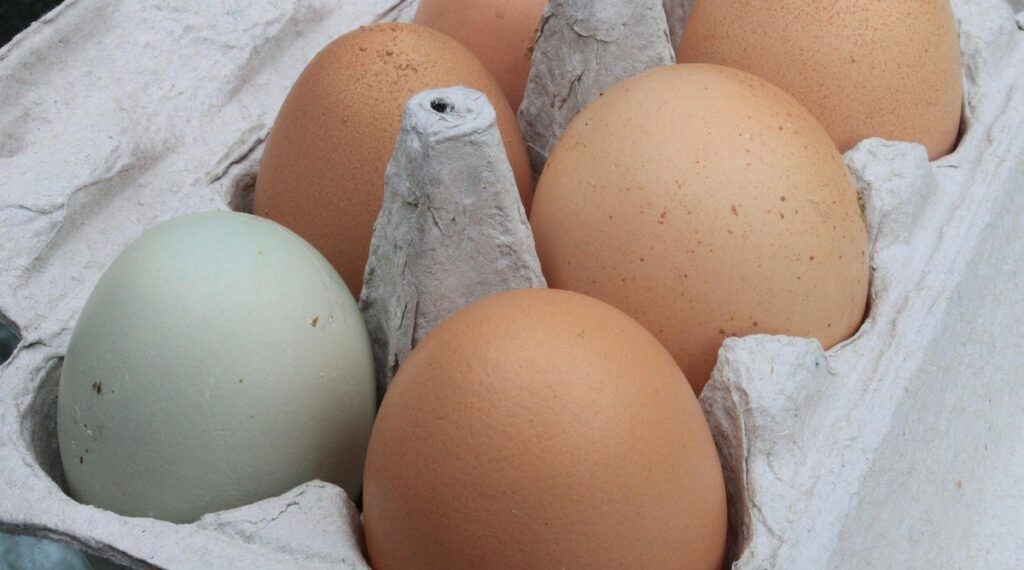
Introduction to Rhode Island Red Chickens
If you’re curious about raising Rhode Island Reds, let’s start with a brief overview of these beloved birds and their distinctive egg-laying characteristics.
Overview of the Breed
The Rhode Island Red is one of the most beloved chicken breeds among backyard flock enthusiasts. Originating from New England in the mid-1800s, this hardy and versatile bird has been a staple in American poultry for over a century.
What makes the Rhode Island Red so popular? For starters, their rich brown eggs are highly prized by many cooks and bakers due to their deep orange-yolk color. But beyond their egg-laying abilities, these birds are also known for their friendly, docile nature, making them an excellent choice for families with children.
Some key characteristics of the Rhode Island Red breed include:
* Rich brown plumage with distinctive red highlights
* Medium-sized hens that lay approximately 200 large brown eggs per year
* Friendly and social personalities that make them a joy to be around
* Adaptable and hardy, thriving in a variety of climates and living situations
As you prepare for your own flock, it’s essential to keep these characteristics in mind. By understanding the Rhode Island Red breed’s unique traits and requirements, you’ll be better equipped to provide the best possible care for your birds and enjoy their many benefits – including those stunning eggs!
Importance of Understanding Egg Color
Understanding egg color is essential for anyone who breeds, raises, or collects Rhode Island Red chickens. Knowing what to expect from your flock’s laying abilities can save you time and resources in the long run. If you’re planning to sell hatching eggs or identify the sex of chicks, understanding egg color is crucial.
For instance, if you’re a breeder, knowing that Rhode Island Red chicken eggs typically have a brown or tan tint helps you identify them quickly and efficiently. This information can also help you determine which chickens are more likely to produce fertile eggs, allowing you to make informed decisions about your breeding program.
Additionally, understanding egg color can give you insight into the overall health of your flock. For example, changes in eggshell color or texture can be an indication of nutritional deficiencies or health issues within the flock. By monitoring egg color and consulting with a veterinarian if necessary, you can take proactive steps to maintain the well-being of your chickens.
Factors Influencing Rhode Island Red Eggshell Colors
Let’s dive into the fascinating world of eggshell colors and explore the various factors that influence the hues you’ll see from your Rhode Island Red chickens. Genetics, nutrition, and environmental conditions all play a role in determining these unique shades.
Genetic Predisposition
Genetics play a significant role in determining the eggshell color of Rhode Island Reds. This is because eggshell color is a polygenic trait, meaning it’s influenced by multiple genes working together. The dominant and recessive genes that influence this trait are inherited from an individual chicken’s parents.
When it comes to eggshell color, there are several genes at play. One of the most well-known genes is the “B” gene, which controls the production of porphyrins – pigments responsible for red and yellow colors in eggshells. The “I” gene, on the other hand, influences the intensity of these colors.
A Rhode Island Red’s eggshell color can be influenced by various combinations of dominant and recessive genes. For instance, a combination of BB (dominant) and ii (recessive) genes will result in a brown eggshell. In contrast, an individual with bb (recessive) and II (dominant) genes will lay eggs with a lighter shell color.
If you’re looking to breed Rhode Island Reds for specific eggshell colors, understanding these genetic combinations is crucial. By selecting birds with the desired gene combinations, you can increase the chances of producing chicks that lay eggs with the desired colors.
Environmental Impact on Eggshell Color
When it comes to raising Rhode Island Reds, you may have noticed that their eggshell colors can vary depending on several factors. One crucial aspect is the environmental impact on eggshell color, which is directly linked to diet, nutrition, and health.
The quality of feed provided to your flock plays a significant role in determining the eggshell color. For instance, laying hens fed with high-quality protein sources tend to produce eggs with deeper brown colors. On the other hand, those on low-protein diets may lay eggs with lighter shades.
In addition to diet, health factors can also influence eggshell color. Hens that are under stress or experiencing health issues may produce eggs with irregular shell patterns or reduced intensity of their natural color.
To ensure optimal eggshell color in your Rhode Island Reds, consider the following:
* Provide a balanced and nutrient-rich feed specifically formulated for laying hens
* Ensure access to clean water and a healthy living environment
* Monitor your flock’s health regularly and address any issues promptly
Common Rhode Island Red Eggshell Colors
When it comes to the beautiful eggs laid by your Rhode Island Reds, you’re probably curious about the different shades of brown they can come in. Let’s take a look at some common eggshell colors.
Light Brown to Cream-Colored Eggs
When it comes to light brown to cream-colored eggs laid by Rhode Island Reds, you can expect them to have a distinctive appearance. These eggs are typically medium-sized, ranging from 24 to 26 ounces (approximately 56-58 grams) in weight. The texture of the eggshell is smooth and slightly cool to the touch.
One notable feature of light brown to cream-colored eggs is their subtle sheen. This is due to the thin layer of pigment present on the surface of the shell, which gives it a warm, sun-kissed appearance. While some people might find this color range less appealing than the more vibrant hues laid by other breeds, many enthusiasts appreciate the understated elegance of these eggs.
In terms of quality, light brown to cream-colored eggs are just as viable and nutritious as their counterparts with deeper pigmentation. You can store them in the refrigerator for up to 4 weeks without sacrificing their flavor or nutritional value. If you’re looking to start a backyard flock or simply want to identify the color range of your Rhode Island Reds’ eggs, keep an eye out for this distinctive light brown to cream-colored hue.
Dark Brown to Rich Chocolate-Colored Eggs
Some Rhode Island Reds may lay eggs with a deep, rich chocolate color that’s quite distinct from their lighter-brown counterparts. These dark brown or chocolate-colored eggs are often the result of genetic variations within the breed. One notable difference between these darker eggs and their lighter-hued cousins is their overall appearance. The eggshell will have a deeper, more muted sheen, almost as if it’s been infused with a warm, earthy tone.
If you’re an owner of Rhode Island Reds, keep in mind that there’s no single factor that determines whether your hens will lay dark brown or lighter-colored eggs. However, genetics do play a role – and the likelihood of laying darker eggs can be influenced by factors such as linebreeding, selection for certain traits, and even geographic location.
While this variation might not impact the quality or nutritional value of the egg itself, it’s certainly an interesting aspect of Rhode Island Red eggshell diversity. So, if you’re curious about your flock’s egg-laying habits, keep a close eye on those shells – you never know what hidden treasures (or darker hues) you might discover!
Charting Rhode Island Red Eggshell Colors
When charting Rhode Island Red eggshell colors, it’s essential to consider the subtle variations that can occur from one batch of eggs to another. This section will help you navigate these nuances and develop a more accurate color chart.
Visual Identification Guide
When it comes to identifying the eggshell colors laid by Rhode Island Reds, it’s essential to have a clear visual reference. Our comprehensive Visual Identification Guide will help you distinguish between the different shades and nuances of these beautiful eggs.
Below are some key examples of Rhode Island Red eggshell colors, which we’ve grouped into distinct categories for your convenience:
• Light Brown: A pale, creamy brown with a hint of beige. This color is often seen on younger hens.
• Medium Brown: A rich, earthy tone that’s deep and warm. As the most common eggshell color among Rhode Island Reds, you’ll likely see plenty of these in your nesting box.
• Dark Chocolate: A velvety, dark brown with a reddish undertone, reminiscent of fine chocolate.
• Reddish-Brown: A deeper, more muted shade that leans towards red, often seen on older hens or those producing eggs for an extended period.
To identify the eggshell color of your Rhode Island Red’s eggs, simply compare them to these examples. Consider the overall hue, undertones, and any visible imperfections.
Factors Affecting Consistency
The consistency of eggshell color can be influenced by several factors that are essential to consider when managing a flock of Rhode Island Reds. Age is one such factor; younger hens tend to lay lighter-colored eggs, while older hens produce darker ones. This is due to the gradual thickening and darkening of the pigment granules in their ovaries as they mature.
Diet plays a significant role as well – a balanced diet rich in omega-3 fatty acids can enhance eggshell color consistency. For instance, hens fed a high-quality layer feed will lay eggs with more consistent colors compared to those on a limited or poor-quality diet.
The health of your flock also impacts eggshell color; birds under stress may produce lighter-colored eggs due to the release of adrenocorticotropic hormone (ACTH) that suppresses pigment production. Regular health checks and vaccinations can help minimize this effect.
Individual bird characteristics, such as breed type and genetics, also influence eggshell color consistency. While Rhode Island Reds are known for their consistent dark-brown eggs, individual birds may exhibit slight variations due to genetic differences.
Caring for Your Flock: Tips and Considerations
As you take care of your Rhode Island Red flock, it’s essential to consider their health and well-being to ensure they continue producing those gorgeous eggs. Proper care includes providing a safe living space and regular check-ups.
Optimal Nutrition for Eggshell Color
To promote healthy eggshell production and vibrant coloration, it’s essential to provide your Rhode Island Red hens with a balanced diet rich in crucial nutrients. Vitamin D3 plays a significant role in calcium absorption, which is vital for eggshell formation. Ensure your flock receives adequate vitamin D3 through natural sources like sunlight or supplement their feed with a vitamin D-rich additive.
Calcium is another critical component of eggshell production, accounting for about 90% of its composition. Include a variety of dark leafy greens like kale and spinach in their diet to provide them with this essential mineral. Also, offer oyster shells or crushed eggshells as a calcium supplement to help maintain strong bones and promote healthy egg production.
Other minerals such as phosphorus, magnesium, and potassium also contribute to overall health and eggshell quality. Ensure your flock’s feed contains the recommended levels of these nutrients to support their well-being. Keep in mind that individual nutrient requirements may vary based on factors like age, climate, and level of activity.
Managing Stress to Support Healthy Laying
Managing stress in your flock is crucial for maintaining their overall health and fertility. When Rhode Island Red hens are under stress, they may exhibit changes in behavior, appetite, or egg production, which can impact the quality and quantity of eggs laid. Consistent egg laying is essential to ensure a steady supply of eggs with desirable colors.
To support healthy laying in your flock, create a stress-free environment by providing adequate space, proper ventilation, and a balanced diet. Ensure access to fresh water at all times and establish a regular routine for feeding, cleaning, and monitoring the coop. This consistency helps hens feel secure and reduces anxiety.
Monitor your flock’s behavior closely, looking for signs of stress such as panting, excessive noise, or changes in droppings. Identify potential causes like overcrowding, parasites, or predators, and take corrective action promptly to address these issues. By managing stress effectively, you’ll help maintain the health and fertility of your Rhode Island Red hens, leading to consistent egg production with vibrant colors.
Frequently Asked Questions
What if I’m still unsure about identifying the color of my Rhode Island Red eggs after using the chart provided in the article?
Don’t worry; it’s normal to need a little practice! Take note that some hens may lay eggs with multiple colors or shades, making identification slightly more challenging. To improve your accuracy, try taking high-quality photos of each egg and referencing them side-by-side for comparison. You can also consult online forums or poultry communities where experienced breeders share their expertise on identifying rare eggshell colors.
Can I control the color of my Rhode Island Red eggs by altering their diet?
Yes! While genetics play a significant role in determining eggshell color, nutrition can influence the intensity and richness of the hue. Ensure your hens receive a balanced diet rich in calcium, protein, and essential vitamins to promote healthy egg production and potentially more vibrant colors.
What if I notice fluctuations in my Rhode Island Red’s egg-laying habits or inconsistent eggshell colors?
If you suspect changes in your flock’s behavior or inconsistent eggshell colors, consider factors like stress levels, nutrition, or health issues. Consult with a veterinarian to rule out any underlying medical concerns that may be affecting egg production.
Can I use the chart provided to predict what color eggs my Rhode Island Red chicks will lay as adults?
While you can make an educated guess based on your chickens’ ancestry and breed characteristics, it’s essential to remember that individual hens may deviate from the expected range. For accurate predictions, research the specific eggshell colors associated with your flock’s bloodlines or consult with experienced breeders in your area.
How often should I expect my Rhode Island Red hens to lay eggs of consistent color?
Consistency can vary depending on multiple factors, including nutrition, genetics, and environmental conditions. However, most healthy Rhode Island Reds will maintain a relatively stable eggshell color over time if provided optimal care and nutrition. Monitor your flock’s behavior and adjust their diet or living conditions as needed to support consistent laying habits.