
If you’re a backyard chicken enthusiast or just starting to learn about egg-laying birds, chances are you’ve come across Rhode Island Red chickens. These popular hens are renowned for their rich brown eggs and impressive laying abilities, making them a favorite among homesteaders and small-scale farmers alike. But have you ever wondered what makes Rhode Island Red chicken eggs so distinct from those of other breeds? In this article, we’ll delve into the characteristics of these beautiful brown eggs, exploring their nutritional benefits and providing tips on how to raise your own Rhode Island Reds for a steady supply of fresh, delicious eggs. Whether you’re looking to start an egg-laying flock or simply want to learn more about these amazing birds, keep reading to discover everything you need to know about Rhode Island Red chicken eggs.
Understanding Rhode Island Red Chickens
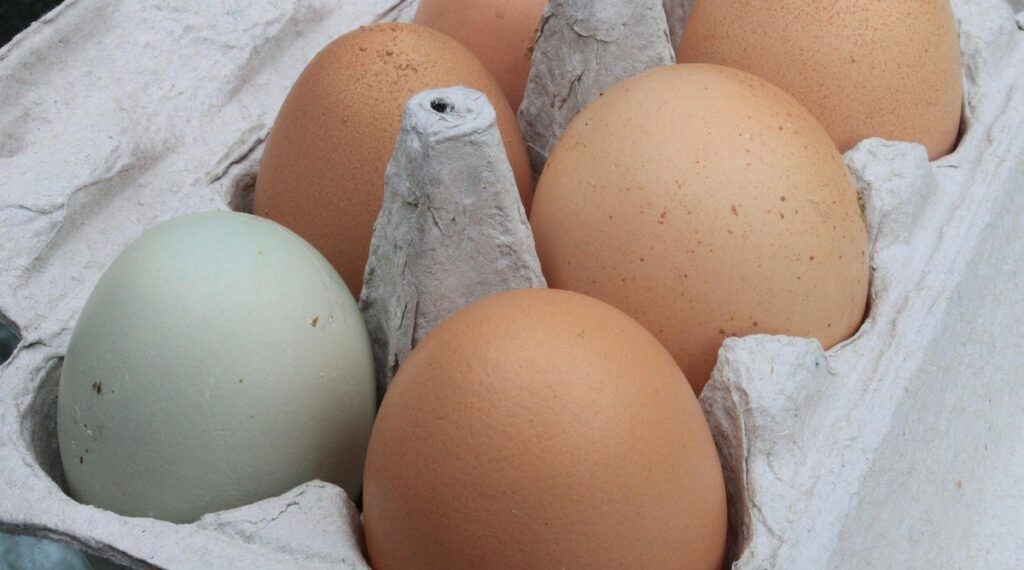
When it comes to understanding the unique characteristics of your Rhode Island Red chicken eggs, there’s one key aspect that sets them apart from other breeds. Let’s take a closer look at their distinctive color.
Origin and History of the Breed
Rhode Island Red chickens have a rich history that dates back to the 19th century. Their origins can be traced to the efforts of David Hall, a farmer from Little Compton, Rhode Island, who developed the breed in the early 1840s. Initially, they were called “Red Jungle Fowl,” but their reputation as a hardy and prolific egg-layer soon earned them the name “Rhode Island Red.”
As the demand for high-quality eggs grew, breeders began to refine the characteristics of the Rhode Island Red, selecting for traits such as large brown eggs, rich red plumage, and friendly disposition. By the late 1800s, the breed had gained popularity across the United States and was being exhibited at major poultry shows.
Today, the Rhode Island Red remains one of the most beloved breeds in the world, prized for its excellent egg-laying abilities and stunning appearance. Understanding their origins is essential to appreciating the unique characteristics of their eggs, which we’ll explore further on.
Key Traits of the Breed
Rhode Island Reds are undoubtedly one of the most beloved breeds among backyard chicken keepers, and it’s not hard to see why. Not only do they produce an impressive number of eggs per year, but their friendly nature makes them a joy to have around the farm or backyard.
One of the key traits that set Rhode Island Reds apart from other breeds is their exceptional egg-laying capabilities. On average, a healthy adult hen will lay around 200-220 large brown eggs per year, making them an excellent choice for families or households with high egg demands. Their high productivity is also due to their robust constitution and adaptability to various climates.
But what about their temperament? Rhode Island Reds are known for being friendly, docile, and relatively easy-going. They’re a great breed for children or beginners to work with, as they’re less prone to aggression and can even become quite affectionate. With proper care and attention, these gentle girls will reward you with years of egg-laying pleasure.
The Color of Rhode Island Red Chicken Eggs
You’re probably curious to know why Rhode Island Red chicken eggs have a distinctive appearance, and it all starts with their rich, terracotta-inspired hue. Let’s dive into what makes this eggshell color so unique.
Factors Influencing Eggshell Color
The brown color of Rhode Island Red eggs is determined by the presence of two types of pigments: protoporphyrin and pteridin. Protoporphyrin is responsible for the reddish-brown hue, while pteridin contributes to the egg’s overall darkness. The combination and concentration of these pigments ultimately give Rhode Island Red eggs their distinctive brown color.
But what influences the production of these pigments? Research suggests that genetics play a significant role in determining an individual chicken’s ability to produce protoporphyrin and pteridin. In other words, a chicken’s eggshell color is largely determined by its genetic makeup. However, environmental factors such as diet and age can also impact the production of these pigments.
For example, studies have shown that chickens fed a diet rich in beta-carotene are more likely to produce eggs with darker brown shells. Similarly, older hens tend to lay eggs with deeper, richer colors than their younger counterparts.
It’s worth noting that while genetics and environmental factors can influence the color of Rhode Island Red eggs, they cannot change the eggshell’s inherent characteristics. As a result, breeders and farmers may focus on optimizing these factors to enhance the overall quality and appearance of their flock’s eggs.
Comparing Eggshell Colors Across Breeds
When it comes to eggshell colors, Rhode Island Red eggs stand out from the crowd. But have you ever wondered why their distinctive color is unique compared to other breeds? Let’s take a closer look at some popular chicken breeds and compare their eggshell colors.
Barred Plymouth Rock hens lay eggs with a slightly darker brown color than Rhode Island Reds, while Leghorns produce lighter, creamier-colored eggs. On the other hand, Marans chickens are known for laying dark chocolate-brown eggs that resemble coffee beans. In contrast, the eggs of Australorps and Orpingtons have a richer, deeper brown hue.
What sets Rhode Island Red eggs apart is their distinctive “warm” or “medium” brown color. This unique tone is due to the breed’s genetic makeup and is influenced by several factors, including the bird’s diet and living conditions. To replicate this color in your own backyard, consider creating a balanced feed plan that includes a mix of grains, fruits, and vegetables.
Keep in mind that individual birds can still vary in their eggshell color, even within breeds. However, with proper care and attention to nutrition, you can encourage your Rhode Island Reds to produce eggs with this distinctive brown hue.
The Science Behind Brown Eggshells
But what really makes Rhode Island Red eggs brown, and is it just a matter of pigmentation or something more complex at play? Let’s take a closer look at the science behind this unique characteristic.
Pigmentation in Birds
When it comes to the color of eggshells, pigmentation plays a significant role. But did you know that the production of pigment varies across different bird species? In fact, the unique characteristics of Rhode Island Red chicken eggs can be attributed to their specific pigmentation.
Pigment production is influenced by two main types: porphyrins and melanins. Porphyrins are responsible for the brown and green colors in eggshells, while melanins contribute to the darker shades of brown and black. The ratio of these pigments determines the final color of the eggshell.
Interestingly, some bird species have adapted to produce specific pigment combinations that help them blend in with their surroundings or communicate effectively with other birds. For example, certain parrot species have evolved to produce vibrant green and blue colors on their eggs, which serve as visual cues for potential mates.
As we explore the science behind Rhode Island Red chicken eggs, it’s essential to consider how pigmentation affects their distinctive brown color. While we can’t replicate the exact pigment combinations found in nature, understanding the role of porphyrins and melanins can help us appreciate the intricate details that make these eggs unique.
Key Nutrients and Vitamins Involved
When it comes to the brown pigmentation of Rhode Island Red eggs, several key nutrients and vitamins play a crucial role. One of the primary contributors is beta-carotene, a pigment that converts into vitamin A in the body. This vitamin is responsible for producing melanin, which gives the egg its distinctive brown color.
Other essential nutrients involved in this process include lutein and zeaxanthin, two carotenoid pigments found in the chicken’s feed. These pigments are fat-soluble antioxidants that help protect the egg yolk from oxidative stress and contribute to the brown hue.
Chickens with a diet rich in omega-3 fatty acids, such as alpha-linolenic acid (ALA), also tend to produce eggs with deeper colors. This is because these healthy fats support the overall health and well-being of the chicken, allowing it to thrive and produce high-quality eggs.
To replicate this process at home, ensure your Rhode Island Red hens are receiving a balanced diet that includes sources of beta-carotene, lutein, zeaxanthin, and omega-3 fatty acids. This might involve supplementing their feed with fruits, vegetables, or algae-based additives rich in these nutrients.
Health Benefits Associated with Brown Eggs
Let’s dive into some of the incredible health benefits associated with brown eggs, which are a hallmark of Rhode Island Red chicken eggs. From vitamins to minerals, we’ll explore their nutritional advantages.
Antioxidant Properties
Brown eggs from Rhode Island Red hens are not only a treat for the eyes but also offer numerous health benefits due to their antioxidant properties. Antioxidants play a crucial role in protecting our bodies from free radicals, which can cause cell damage and lead to chronic diseases like cancer and heart disease.
One of the primary antioxidants found in brown eggs is lutein, a carotenoid that helps protect vision health by reducing the risk of age-related macular degeneration. Eating foods rich in lutein, such as Rhode Island Red eggs, can also help reduce inflammation in the body.
Other antioxidants present in these eggs include zeaxanthin and beta-carotene, which work together to shield our skin from damage caused by UV radiation and pollution. By incorporating brown eggs into your diet, you can potentially improve your eye health, boost your immune system, and even lower your risk of certain cancers. Consider adding a few Rhode Island Red eggs to your breakfast plate or omelette to reap the benefits of these nutritious eggs.
Comparing Nutritional Content Across Egg Colors
When it comes to nutritional content, many people assume that brown eggs are nutritionally superior to white eggs. However, is this truly the case? A closer look at the nutritional profiles of both types reveals some surprising differences.
Brown eggs and white eggs have very similar protein contents, with an average of 6-7 grams per large egg. However, it’s worth noting that the type of chicken that lays the eggs can impact the protein content. For example, a study by Mother Earth News found that eggs from pasture-raised chickens contained higher levels of protein and omega-3 fatty acids compared to conventionally raised hens.
In terms of fat content, brown eggs tend to have slightly more fat than white eggs. However, this difference is relatively small – typically around 0.1 grams per large egg. It’s also worth noting that the type of fat present in brown eggs may be beneficial for health. For example, pasture-raised chicken eggs often contain higher levels of conjugated linoleic acid (CLA), a nutrient with anti-inflammatory properties.
When it comes to choosing between brown and white eggs, consider your dietary needs and preferences. If you’re looking for a more sustainable option or want to support local farmers, choose eggs from pasture-raised hens. On the other hand, if you have specific dietary restrictions or concerns, consult with a healthcare professional or registered dietitian for personalized advice.
Raising Rhode Island Reds for Eggs
If you’re planning to raise Rhode Island Reds for their eggs, it’s essential to understand how their unique characteristics can impact your laying flock. This includes learning about their growth rate and egg-laying habits.
Tips for Successful Breeding
Breeding Rhode Island Reds for egg production requires careful selection of birds with desirable traits. When choosing parents for breeding, consider their egg-laying ability, as this is a key characteristic of the breed. Look for hens that consistently lay large, dark brown eggs and have a strong, robust build.
To select suitable roosters, evaluate their vigor, temperament, and reproductive performance. A good rooster should be alert, active, and possess excellent mating skills. When breeding, prioritize birds with excellent egg production rates, as this trait is highly heritable.
For optimal results, maintain a diverse flock by incorporating multiple bloodlines and selectively breed for specific traits. Monitor the performance of your flock over several generations to identify birds that excel in desired areas. This will enable you to refine your selection process and produce offspring with improved characteristics.
By following these guidelines, you’ll be well on your way to raising high-quality Rhode Island Reds capable of producing exceptional eggs. Regularly evaluating and refining your breeding program will help you achieve your goals and establish a thriving flock.
Managing a Flock for Optimal Egg Production
To manage a flock for optimal egg production, you’ll want to create an environment that’s conducive to their health and happiness. Start by ensuring they have plenty of space to roam, as overcrowding can lead to stress and decreased egg production. A general rule of thumb is to provide at least 2-4 square feet of space per bird inside the coop and 8-10 square feet in the run.
Proper nutrition is also crucial for maximizing egg output. Offer a balanced layer feed that meets their dietary needs, supplemented with fresh fruits and vegetables. Consider implementing a rotation system to ensure they have access to a diverse range of nutrients. A well-balanced flock will not only produce more eggs but also enjoy better overall health.
Regular cleaning and maintenance are also essential for keeping your flock healthy. Clean the coop at least once a week, removing soiled bedding and manure. Replace with fresh material and disinfect all surfaces. Regularly inspect your birds for signs of disease or stress, addressing any issues promptly to prevent them from impacting egg production.
Conclusion: Appreciating the Unique Qualities of Rhode Island Red Eggs
Now that we’ve explored the distinct color and characteristics of Rhode Island Red eggs, let’s appreciate what makes them truly special. You’ll discover why these eggs are prized by many chicken enthusiasts.
Recap of Key Takeaways
As you’ve learned throughout this guide, Rhode Island Red eggs are truly one-of-a-kind. To help solidify these unique characteristics in your mind, let’s recap the key takeaways from our discussion.
One of the most striking features of Rhode Island Red eggs is their distinctive eggshell color. We’ve explored how this characteristic is determined by a combination of genetics and environmental factors, resulting in those beautiful shades of brown ranging from light to dark. But it’s not just about aesthetics – the eggshell color can also serve as an indicator of egg quality.
We’ve also touched on the remarkable fertility rates associated with Rhode Island Red hens. Their ability to lay large numbers of eggs consistently throughout the year makes them a popular choice for backyard chicken keepers and commercial producers alike. But what’s behind this impressive fertility? It all comes down to their robust physical health, excellent nutrition, and careful breeding practices.
Another key point worth revisiting is the exceptional nutritional value of Rhode Island Red eggs. With higher levels of omega-3 fatty acids, vitamins A and E, and minerals like iron and zinc, these eggs are not only delicious but also a nutritious addition to your diet. Whether you’re looking for a healthier breakfast option or seeking to incorporate more egg-based meals into your cooking repertoire, Rhode Island Reds have got you covered.
As we conclude our exploration of the unique qualities of Rhode Island Red eggs, remember that their distinctive characteristics make them an excellent choice for anyone interested in raising chickens or simply enjoying high-quality eggs. By understanding and appreciating these special traits, you can better care for your flock and reap the rewards of their hard work – delicious, nutritious eggs with every single batch!
Frequently Asked Questions
Can I get Rhode Island Red chickens that lay blue or green eggs?
No, the distinctive brown color of Rhode Island Red chicken eggs is a result of their genetic makeup and cannot be altered to produce other colors like blue or green.
How often can I expect my Rhode Island Reds to lay eggs?
Rhode Island Red hens are known for their impressive laying abilities, producing around 200-220 brown eggs per year. However, this number can vary depending on factors such as diet, living conditions, and individual bird health.
What’s the ideal size of a flock when raising Rhode Island Reds for eggs?
A small to medium-sized flock is recommended for optimal egg production and ease of management. This allows you to provide each bird with adequate space and attention while minimizing costs associated with large-scale farming.
How do I ensure my Rhode Island Red chickens are getting enough protein to produce high-quality eggs?
A balanced diet rich in protein (about 16% of daily calories) is crucial for maintaining your flock’s overall health, particularly their egg-laying abilities. Consider supplementing their feed with protein-rich ingredients like mealworms or crickets.
Can I use Rhode Island Red chickens as a dual-purpose breed, both for eggs and meat?
Yes, while Rhode Island Reds are renowned for their exceptional laying abilities, they can also be raised for meat production. However, if you plan to raise them primarily for eggs, consider culling males at an early age to prevent unnecessary feed costs and promote more efficient egg production in your females.