
If you’re anything like me, you’ve probably found yourself mesmerized by the vibrant hues of your Rhode Island Red chicken‘s eggs. From deep blues to rich greens and earthy browns, these stunning colors are not only a feast for the eyes but also a reflection of the intricate biology at play within your flock. As an egg enthusiast or backyard chicken keeper, understanding what influences the color of your RI Reds’ eggs can be incredibly empowering – allowing you to optimize their health, happiness, and productivity. In this article, we’ll delve into the fascinating world of Rhode Island Red chicken eggs, exploring average annual production, factors affecting egg laying, and the science behind those gorgeous green, blue, and brown shells.
What Are Rhode Island Red Chickens?
These birds, known for their rich brown feathers, are also famous for laying some of the most beautiful eggs you’ve ever seen. Let’s take a closer look at what makes them so unique.
Origin and History of the Breed
The Rhode Island Red breed has its roots in the United States, specifically in the state of Rhode Island. Developed in the mid-19th century, this breed was created by crossing various breeds such as the Cochin, Malay, and Java chicken. The primary goal was to produce a hardy, prolific egg-layer that could thrive in the New England climate.
The breed’s development is closely tied to its egg-laying abilities. In fact, it’s said that the Rhode Island Red’s incredible egg production was one of the key factors contributing to the breed’s rapid popularity in the late 1800s and early 1900s. At that time, chicken eggs were a staple food source for many families.
As you learn about the various colors of Rhode Island Red chicken eggs, remember that this breed has been developed over nearly two centuries. From humble beginnings as a simple farm bird to its current status as a beloved backyard pet and prized show animal, the Rhode Island Red’s rich history is evident in every aspect of the breed – including its stunning egg-laying abilities.
Characteristics of Rhode Island Red Chickens
Rhode Island Reds have become a favorite among backyard flock owners due to their unique combination of characteristics. For one, they are incredibly hardy and can thrive in various environments, making them an excellent choice for farmers who want low-maintenance birds.
Their egg-laying abilities are another major advantage, as Rhode Island Reds are known to be prolific layers, producing around 200-220 large brown eggs per year. This is especially beneficial for those looking to supplement their family’s egg supply or start a small-scale egg business.
Another key characteristic of these chickens is their friendly and docile nature, making them an excellent choice for families with children or for those who want birds that are easy to handle. Additionally, Rhode Island Reds are relatively quiet compared to other breeds, which can be a significant advantage for backyard flocks where noise is a concern.
When selecting chicks or purchasing adult hens, it’s essential to look for individuals that exhibit these traits, as they will help ensure your flock remains healthy and productive.
Advantages of Keeping Rhode Island Red Chickens
Owning Rhode Island Red chickens can be a rewarding experience for backyard farmers and enthusiasts. One of the significant advantages of keeping these birds is their exceptional egg production. On average, a healthy Rhode Island Red hen will lay around 200-220 large brown eggs per year, making them an excellent choice for families or individuals looking to supplement their breakfast table.
Another benefit of owning Rhode Island Reds is their friendly and docile temperament. These chickens are known to be approachable and easy-going, even with children. They are also relatively quiet compared to other breeds, making them a great choice for suburban areas or backyards with close neighbors.
In addition to their egg-laying abilities and gentle nature, Rhode Island Reds are also known for their hardiness. They can thrive in various climates and weather conditions, making them an ideal choice for farmers who live in different regions. With proper care and attention, a flock of Rhode Island Red chickens can provide a steady supply of fresh eggs while bringing joy and companionship to your backyard.
Egg-Laying Habits of Rhode Island Red Hens
Rhode Island Red hens are prolific layers, producing a steady supply of eggs throughout their 5-6 year lifespan. Let’s take a closer look at their egg-laying habits and what to expect.
Average Annual Egg Production
Rhode Island Red hens are renowned for their impressive egg-laying abilities. On average, a healthy Rhode Island Red hen will lay around 200-220 eggs per year, with some individuals producing as many as 250 or more. While this is an exceptional number compared to other breeds, it’s essential to note that individual performance can vary depending on factors such as nutrition, health, and living conditions.
To put this in perspective, the American Bantam weighs significantly less than the Rhode Island Red but produces around 180-200 eggs per year. The Leghorn, another popular breed, lays approximately 280-300 eggs annually. This highlights the Rhode Island Red’s exceptional egg-laying capabilities compared to other breeds.
However, it’s crucial to remember that excessive egg production can be detrimental to a hen’s overall health and well-being. Ensure your flock receives adequate rest and nutrients to maintain their egg-laying abilities while promoting longevity.
Factors Affecting Egg Production in Rhode Island Reds
When it comes to egg production in Rhode Island Reds, several environmental and nutritional factors can impact a hen’s ability to lay eggs consistently. For one, temperature plays a significant role – extreme heat above 85°F (29°C) or cold temperatures below 40°F (4°C) can reduce egg-laying. Providing shade and ventilation in hot weather is crucial.
Access to clean water and a balanced diet are also essential for optimal egg production. A hen’s digestive system breaks down nutrients from feed, which are then used to produce eggs. Feed quality and nutritional content should match the needs of Rhode Island Red hens at various stages of their lives. For instance, laying hens require more calcium to strengthen eggshell formation.
Furthermore, light exposure can influence a hen’s reproductive cycle. Adequate light triggers the release of hormones that stimulate ovulation, while inadequate light can lead to irregular or ceased egg-laying. Typically, Rhode Island Reds need around 14 hours of daylight to maintain optimal egg production.
Tips for Maximizing Egg Production
To maximize egg production from your Rhode Island Red hens, it’s essential to understand their unique needs and preferences. First, ensure they have a balanced diet rich in protein, calcium, and other essential nutrients. A high-quality layer feed should be supplemented with fresh fruits and vegetables to provide the necessary vitamins and minerals.
Next, make sure your flock has access to clean water at all times. Dehydration can significantly impact egg production, so ensure that the watering system is efficient and reliable. Provide adequate shelter and ventilation to prevent stress, which can also negatively affect egg-laying habits.
Implement a regular rotation of nesting boxes to encourage hens to use them consistently. A general rule of thumb is one nesting box per three to four hens. This will help minimize competition and maintain cleanliness.
Lastly, monitor your flock’s health closely, as illnesses or injuries can impact egg production. Regular vaccinations and parasite control measures should be implemented to prevent common health issues affecting Rhode Island Red hens.
Colors of Rhode Island Red Chicken Eggs
Let’s dive into the various colors you can expect when collecting Rhode Island Red chicken eggs, including the most common shades. From light brown to dark chocolate, we’ll cover them all!
Overview of Common Eggshell Colors
When it comes to the colors of Rhode Island Red chicken eggs, you’ll notice that they can vary significantly from one farm or backyard flock to another. But what exactly do these color variations look like? Let’s take a closer look at some of the most common eggshell colors produced by Rhode Island Reds.
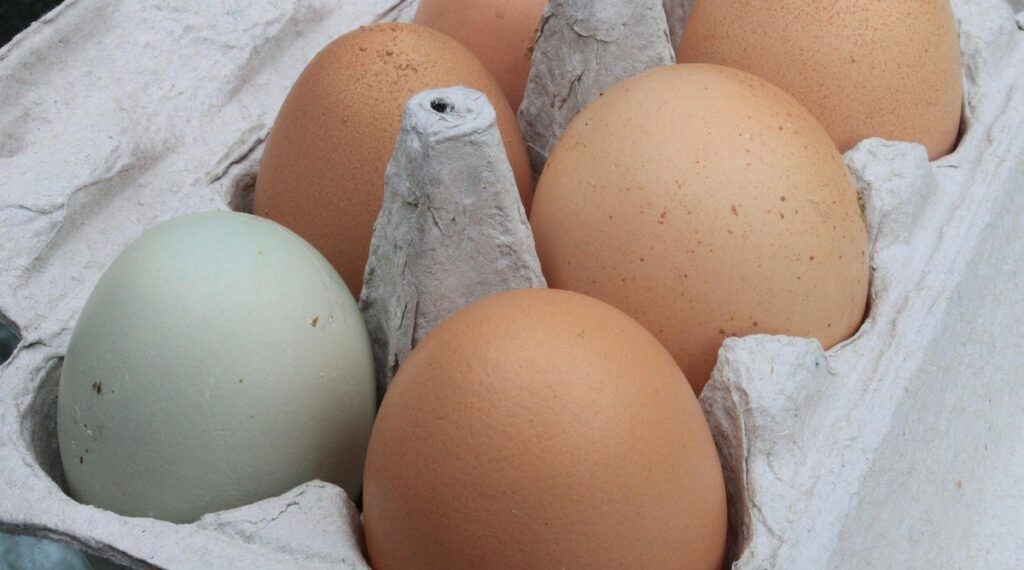
You’ll often find eggs with shades ranging from light brown to dark chocolate, with various undertones and nuances in between. Lighter-colored eggs might have a pale beige or cream tint, while darker eggs can appear more richly browned. Some birds may even produce eggs with hints of pink or reddish-brown hues.
According to the American Poultry Association, the frequency of these colors is influenced by genetics and environmental factors. For instance, egg production is often tied to diet, stress levels, and breed-specific traits. While it’s worth noting that individual results may vary, most Rhode Island Red flocks will produce eggs within a moderate brown spectrum.
To give you a better idea of the potential range of colors, here are some approximate frequencies based on a study published in the Journal of Applied Poultry Research:
* 70-80% of eggs fall within the light to medium brown spectrum
* 15-20% may have darker, richer tones
* 5-10% can exhibit lighter or more pinkish hues
Keep in mind that these are general estimates and actual egg colors can vary significantly depending on specific circumstances.
Green or Blue Eggs: A Closer Look
When it comes to Rhode Island Red chicken eggs, two distinct colors often come to mind: green and blue. But have you ever wondered what causes these vibrant hues? The science behind green or blue eggshells is quite fascinating.
The primary reason for the greenish tint on some Rhode Island Red eggshells lies in the presence of a pigment called porphyrin. This natural substance, produced by the chicken’s body, reacts with the iron found in the eggshell to create a greenish-blue color. The intensity and shade of this color can vary depending on several factors, such as the chicken’s diet, health, and genetics.
Interestingly, not all Rhode Island Reds will produce blue or green eggs. This phenomenon is influenced by the bird’s genetic makeup, with some breeds being more prone to producing colored eggs than others. However, it’s essential to note that these colors are still a natural result of the egg-laying process and should not be cause for concern.
To encourage your Rhode Island Red hens to produce green or blue eggs, ensure they have access to a balanced diet rich in iron, calcium, and other essential minerals. A healthy lifestyle, complete with adequate exercise and proper care, will also contribute to their overall well-being and potentially lead to the production of these beautiful, one-of-a-kind eggs.
Brown Eggs: What’s Behind Their Color?
Brown eggs are indeed the norm when it comes to Rhode Island Red chicken eggs. But have you ever wondered why this is the case? The reason lies in the genetics of the breed itself.
Rhode Island Reds owe their eggshell color to a pigment called porphyrin, which is produced by the hen’s body and deposited into the eggshell during formation. This pigment comes from the chicken’s diet and can vary depending on several factors such as age, health, and nutrition. In the case of Rhode Island Reds, their genetic makeup predisposes them to produce more porphyrin, resulting in a darker brown eggshell.
Interestingly, the intensity of the brown color can also be influenced by external factors like the hen’s diet. A balanced diet rich in antioxidants, vitamins, and minerals can enhance the production of porphyrin, leading to deeper, richer colors. So, if you’re looking to encourage your Rhode Island Red hens to produce even more vibrant brown eggs, consider adding a few nutrient-dense foods to their menu.
Factors Influencing Eggshell Color
Several factors contribute to the unique eggshell color of Rhode Island Red chickens, and understanding these influences can help you identify the specific characteristics of your flock’s eggs. Let’s dive into what makes their colors so distinctive.
Genetics and Inheritance
When it comes to the genetics of eggshell color variation in chickens, it’s fascinating to see how science plays a crucial role. The Rhode Island Red breed, known for its distinctive red-brown plumage, also produces eggs with unique colors.
Genetics influence the production of pigments responsible for eggshell coloration. In chickens, two main types of melanin are present: eumelanin and pheomelanin. Eumelanin creates brown and black colors, while pheomelanin produces red and yellow hues. The interaction between these two melanins determines the final eggshell color.
Rhode Island Red hens have a genetic predisposition to lay eggs with a brown or tan tint due to their high concentration of eumelanin. However, individual birds can exhibit slight variations in eggshell color depending on their genetic makeup. If you’re interested in breeding Rhode Island Reds for specific eggshell colors, consider studying the genetic inheritance patterns within your flock.
Understanding genetics will help you make informed decisions when selecting breeding stock or choosing the right hens for your backyard coop. By embracing the science behind eggshell color variation, you can take steps towards creating a more diverse and visually appealing collection of eggs from your Rhode Island Red hens.
Environmental Influences on Eggshell Color
The color of an eggshell is not just determined by genetics; environmental factors also play a significant role. A Rhode Island Red chicken’s diet, for instance, can affect the hue of her eggs. If she’s fed a diet rich in beta-carotene from leafy greens like kale or carrots, her eggs may develop a slightly orange tint.
On the other hand, if her diet is lacking in certain nutrients, her eggshells might appear more pale. For example, a lack of calcium can lead to weaker, more translucent shells. This is why it’s essential for backyard chicken keepers to ensure their birds are receiving a well-balanced diet that includes a mix of grains, fruits, and vegetables.
In addition to diet, other environmental factors like temperature and humidity levels can also impact eggshell color. For example, eggs laid in hot or humid conditions may develop more intense colors due to the increased production of porphyrins, which are pigments responsible for eggshell coloration.
Health-Related Changes in Eggshell Color
If you notice changes in the color of your Rhode Island Red chicken’s eggshells, it may be an indication of underlying health issues. For instance, a greenish tint on the eggshell can be caused by high levels of iron in their diet. This might seem harmless, but excessive iron consumption can lead to oxidative stress and damage to the liver and other organs. On the other hand, blue or purple spots on the eggs may indicate that your chickens are eating too much copper-rich feed. While a small amount of copper is essential for their health, an overabundance can cause kidney damage and other problems.
To mitigate these issues, monitor your flock’s diet carefully and ensure that you’re not over-supplementing with iron or copper. Provide a balanced diet rich in nutrients, and consider consulting with a veterinarian if you notice any unusual changes in eggshell color. Additionally, maintain clean living conditions for your chickens to prevent the spread of diseases that can cause unhealthy changes in their eggs. Regularly inspect your flock’s health and adjust their care accordingly to promote healthy and happy Rhode Island Red hens.
How to Care for Your Rhode Island Red Chickens
To get the most vibrant eggs from your Rhode Island Reds, proper care is essential. Here’s how to keep your girls happy and healthy.
Nutrition and Diet Requirements
To ensure that your Rhode Island Red chickens stay healthy and productive, it’s essential to provide them with a well-balanced diet and proper nutrition. A good starting point is to offer them high-quality layer feed, which should contain around 16-18% protein, as well as access to fresh fruits and vegetables.
It’s also crucial to ensure that your flock has access to clean water at all times, changing it regularly to prevent bacterial growth. You can supplement their diet with treats like mealworms or sunflower seeds, but avoid overfeeding, which can lead to obesity and other health issues.
A balanced calcium intake is also vital for egg production, so consider adding crushed oyster shells or dark leafy greens to their diet. Regular exercise and adequate space are also essential for maintaining your flock’s overall health and well-being. Provide a safe and comfortable living environment, and ensure that your Rhode Island Red chickens have enough room to roam and engage in natural behaviors.
By following these guidelines, you can help your Rhode Island Red chickens stay healthy and productive, which will ultimately result in more vibrant and varied egg colors!
Environmental Considerations for a Happy Flock
Creating a suitable living environment is essential for the well-being of your Rhode Island Red chickens. This includes providing adequate space, shelter, and amenities that promote comfort, health, and happiness. A happy flock contributes to better egg production, so let’s dive into some practical tips.
Firstly, ensure your coop has sufficient ventilation and natural light. Rhode Island Reds are active birds and need room to move around freely. Allocate at least 3-4 square feet of space per bird inside the coop and 8-10 square feet in the run. This will prevent overcrowding and stress that may affect egg production.
Consider installing nesting boxes with roosts, which should be at least 18 inches off the ground to allow your birds to comfortably lay eggs without straining their backs. You can also add some enrichment activities like perches, ladders, or toys to keep them engaged and stimulated.
Remember, a clean environment is crucial for the health of your flock. Regularly clean the coop, changing bedding material and disinfecting surfaces to prevent disease transmission.
Health Monitoring and First Aid
As you tend to your Rhode Island Red flock and marvel at their stunning egg colors, it’s essential to prioritize their health and well-being. Regular health checks can help identify potential issues before they become major problems. Begin by observing your chickens’ behavior, appetite, and droppings. Check for any signs of stress, such as excessive dust bathing or feather pecking.
Some common ailments affecting Rhode Island Reds include respiratory infections, mites, and internal parasites. Be on the lookout for symptoms like labored breathing, pale combs, or decreased egg production. For minor issues, keep a first-aid kit on hand with supplies like antibiotic ointment, tweezers, and a thermometer. If you suspect your chicken has a serious health issue, consult a veterinarian experienced in poultry care.
To prevent common problems, maintain clean coops and runs, provide adequate ventilation, and ensure access to fresh water and nutritious feed. Regular vaccinations and parasite control can also help safeguard your flock’s health. By staying vigilant and taking proactive steps, you’ll be better equipped to address any health concerns that may arise in your Rhode Island Red flock.
Frequently Asked Questions
Can I expect a consistent egg color from my Rhode Island Red hens, or will it vary?
While some RI Reds may lay eggs with consistent colors, it’s common for the colors to change over time due to various factors like diet, health, and environmental influences. Keep in mind that genetics also play a role, so some birds might naturally produce more vibrant or uniform-colored eggs than others.
How can I optimize my Rhode Island Red flock’s nutrition to promote healthy eggshell color?
A well-balanced diet rich in essential minerals like calcium, phosphorus, and vitamins A and D is crucial for maintaining healthy eggshell production. Ensure you’re providing a high-quality layer feed that meets your flock’s nutritional needs, and consider supplementing with natural sources of these nutrients if necessary.
What can I do if my Rhode Island Red hens stop laying eggs due to a change in environment or stress?
In cases where environmental changes or stress have caused a drop in egg production, try adjusting the coop layout, ensuring adequate light exposure, and maintaining a calm atmosphere. Also, provide a balanced diet, fresh water, and access to exercise and foraging opportunities.
Can I predict the color of my Rhode Island Red eggs based on their breed characteristics?
While some breeds tend to produce more uniformly colored eggs than others, there’s no foolproof way to predict egg color solely based on breed characteristics. Genetics, nutrition, health, and environmental factors all contribute to the final color, making it challenging to accurately forecast.
How often should I collect and clean my Rhode Island Red hens’ coop to promote healthy eggshell production?
Regular cleaning of your chicken coop is essential for maintaining a healthy environment that encourages optimal egg production. Aim to clean out manure and bedding at least every 3-4 weeks, disinfect all surfaces regularly, and ensure adequate ventilation to prevent ammonia buildup and related health issues.