
Raising Rhode Island Red chicks straight run can be an exciting yet intimidating experience for many backyard farmers. These beautiful, hardy birds are known for their rich brown eggs and gentle nature, making them a popular choice for homesteaders and small-scale producers. But what does it take to raise healthy, thriving Rhode Island Red chicks? With so much information available online, it can be overwhelming to know where to start.
In this article, we’ll break down the essential considerations for raising successful Rhode Island Red chicks straight run, from breed characteristics and health considerations to housing, nutrition, handling, and more. We’ll cover everything you need to know to ensure your chicks grow into happy, healthy hens that will reward you with plenty of fresh eggs. Whether you’re a seasoned farmer or just starting out, this guide is designed to provide you with the expert advice and practical tips you need to succeed.
Introduction to Rhode Island Red Chicks
Welcome to our comprehensive guide on raising Rhode Island Red chicks, where we’ll start by introducing you to these adorable birds and their fascinating characteristics.
What are Rhode Island Red Chicks?
The Rhode Island Red (RIR) is one of the most recognizable and beloved chicken breeds globally. Originating from the United States, specifically in Little Compton, Rhode Island, this breed was first developed in the mid-1800s through selective breeding of various red-feathered breeds.
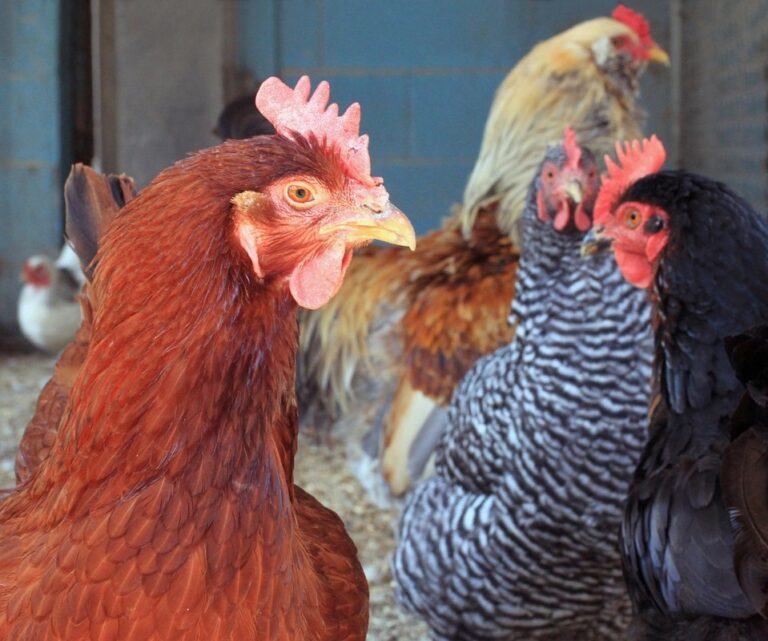
These birds are known for their stunning appearance – deep reddish-brown plumage with distinctive black tails and white wing tips. However, it’s not just their looks that set them apart; RIRs are also renowned for their exceptional egg-laying capabilities and friendly demeanor.
One of the primary reasons backyard chicken keepers love Rhode Island Reds is their impressive productivity. On average, a healthy RIR hen will lay around 200-220 brown eggs per year, making them an ideal choice for those seeking reliable egg production. Their friendly nature also makes them perfect for families with children or those new to raising chickens.
When it comes to caring for your RIR chicks, remember that they are relatively hardy and can adapt well to different climates. However, providing a nutritious diet, adequate shelter, and regular care will help ensure their optimal growth and health.
Why Choose Straight Run Chicks?
When considering purchasing Rhode Island Red chicks, you might be wondering whether to go with straight run or sexed chicks. While sexed chicks can provide some benefits, buying straight run chicks has its own advantages that make it an attractive option for many backyard chicken keepers.
One of the primary reasons why people choose straight run chicks is cost savings. Sexed chicks are typically more expensive than straight run chicks because they require a separate process to determine their sex. This added step increases the cost, which can be a significant factor for those on a budget or new to raising chickens.
Another benefit of straight run chicks is the diversity in flock dynamics. By having both males and females in your flock, you’ll experience more interesting interactions between birds, such as mating and play-fighting. This diversity also encourages natural behaviors and reduces stress within the flock.
One potential drawback of straight run chicks is that they may not all be suitable for egg production. Some will grow into roosters, while others will become hens. However, this can actually work in your favor if you’re looking to create a more robust and resilient flock. With a mix of males and females, your Rhode Island Red birds will have the opportunity to thrive and contribute to a healthy, thriving ecosystem.
In addition, buying straight run chicks allows for more flexibility when it comes to integrating new birds into an existing flock. If some of your chicks turn out to be roosters, you can consider rehoming them or using them as breeders for future generations.
Breed Characteristics and History
The Rhode Island Red is a beloved breed for good reason, known for its friendly demeanor and high egg production. Let’s take a closer look at where these traits come from.
Origins and Development of RIR Chicks
The Rhode Island Red chicken breed has its roots in the late 19th century when farmers sought to create a commercial egg-laying bird that was both prolific and hardy. To achieve this, they crossed two existing breeds: the Black Java and the White Leghorn. The resulting offspring was a bird with exceptional egg-laying capabilities, producing an average of 200-300 large brown eggs per year.
The Rhode Island Red’s popularity grew rapidly, and it soon became one of the most sought-after breeds for commercial egg production. Its ability to adapt to different environments and its high egg production made it an ideal choice for farmers looking to increase their profits. In fact, by the early 20th century, the Rhode Island Red had become a staple in many American farms, accounting for a significant portion of the country’s egg production.
Today, the Rhode Island Red remains one of the most popular breeds among backyard chicken keepers and commercial farmers alike. Its friendly and docile nature makes it an excellent choice for families with children or those new to raising chickens.
Temperament and Personality Traits
When it comes to temperament and personality traits, Rhode Island Reds are renowned for their exceptional characteristics. These birds are known to be extremely friendly, docile, and hardy, making them an excellent choice for backyard chicken keepers of all skill levels.
One of the standout features of Rhode Island Reds is their gentle nature. They are often described as “sweet” and are generally easy-going, even with children. This makes them an ideal breed for families or those who want to introduce chickens to their household. In fact, a study by the American Poultry Association found that Rhode Island Reds were among the top 5 friendliest chicken breeds.
Rhode Island Reds are also remarkably hardy and can thrive in a variety of environments. They are relatively low-maintenance when it comes to health issues, which is a significant advantage for many backyard chicken keepers. With proper care and attention, these birds can live up to 8-10 years or more, providing years of entertainment and fresh eggs.
When introducing Rhode Island Reds to your flock, remember that they are social animals and appreciate being part of a group. Make sure to provide enough space, food, water, and shelter for all your chickens, and you’ll be rewarded with happy, healthy birds that will bring joy to your family for years to come.
Health Considerations for RIR Chicks
When raising Rhode Island Red chicks straight run, it’s essential to consider their unique health needs, from vaccination requirements to monitoring for signs of disease and parasites.
Common Health Issues in RIR Chicks
As a Rhode Island Red (RIR) chick breeder or owner, it’s essential to be aware of the common health issues that can affect these adorable chicks. Unfortunately, RIRs are prone to certain diseases and conditions that can impact their growth, development, and overall well-being.
One of the most significant concerns for RIR breeders is Marek’s disease, a viral illness caused by the gallid herpesvirus-3 (GaHV-3). This highly contagious disease can lead to symptoms like paralysis, lethargy, and even death. To prevent Marek’s disease, make sure your chicks are vaccinated at the hatchery or within their first few weeks of life.
Another issue that affects RIRs is blackhead disease, a bacterial infection caused by Histomonas meleagridis. Blackhead can cause weight loss, diarrhea, and eventual death if left untreated. Regular vaccination and maintaining a clean, well-ventilated coop can help prevent the spread of this disease.
Respiratory problems are also common in RIRs, particularly during times of stress or when exposed to cold temperatures. To mitigate this issue, ensure your chicks have adequate ventilation, maintain a comfortable temperature range (around 90°F for the first week), and provide access to fresh air and water at all times. Regular health checks and prompt veterinary care can also help prevent and treat these conditions.
Remember, prevention is key when it comes to keeping your RIR chicks healthy. By staying vigilant and taking proactive steps, you can minimize the risk of these common health issues and give your birds a happy, healthy life.
Vaccination and Biosecurity Measures
As a backyard flock owner, it’s essential to prioritize vaccination programs and biosecurity measures to protect your Rhode Island Red chicks straight run from diseases. Vaccinations are crucial for preventing and controlling outbreaks of serious diseases such as Marek’s disease, Newcastle disease, and Infectious Bronchitis.
When implementing a vaccination program, start by consulting with a veterinarian who specializes in poultry health. They will help you determine the best vaccine schedule for your flock based on factors like age, breed, and regional disease prevalence. Typically, vaccinations begin at day-old and continue throughout the first few weeks of life.
Biosecurity measures are equally important in preventing disease outbreaks. This includes practices such as regular cleaning and disinfection of coops and equipment, proper storage of feed and bedding materials, and limiting human contact with the flock to prevent introducing diseases from outside. Regular monitoring for signs of illness and keeping accurate health records can also help identify potential issues early on.
Housing and Environment for RIR Chicks
When it comes to raising happy and healthy Rhode Island Red chicks, providing a suitable environment and proper housing is crucial for their growth and development. Here’s what you need to know about creating the best space for your RIR chicks.
Coop Design and Layout Requirements
When it comes to designing and laying out a coop for your Rhode Island Red chicks straight run, there are several essential elements to consider. First and foremost, ventilation is crucial to prevent ammonia buildup from droppings, which can be toxic to the birds. A good rule of thumb is to provide at least 2 square feet of space per bird, with adequate ventilation to ensure airflow.
Lighting is another critical aspect to consider. Rhode Island Red chicks need a photoperiod of around 14 hours of light and 10 hours of darkness to regulate their circadian rhythms. You can use LED or fluorescent lights, which are energy-efficient and easy to install.
Predator-proofing is also vital to protect your flock from predators such as foxes, raccoons, and hawks. Use hardware cloth or chicken wire with openings of 1 inch or less to cover windows, vents, and any other potential entry points. Also, consider using a secure roof overhang and a sturdy door with a lock.
Remember to position the coop in a safe location, away from potential predators and noise pollution. A south-facing orientation can also help provide natural light during winter months.
Outdoor Enclosures and Fencing Options
When it comes to creating an outdoor space for your Rhode Island Red chicks straight run, choosing the right enclosure and fencing options is crucial. A well-designed outdoor area will not only provide a safe haven for your chickens but also help maintain a healthy environment.
You’ll want to start by selecting a fence material that’s durable, easy to clean, and can withstand harsh weather conditions. Some popular options include chicken wire (also known as hardware cloth), hog wire, or wood panels. When choosing the right fencing material, consider factors like the size of your property, the number of chickens you’re raising, and local regulations regarding backyard chickens.
A good rule of thumb is to have at least 2-3 feet of vertical clearance around the perimeter of the coop to ensure easy access for cleaning and maintenance. You’ll also want to take into account the size of the enclosure itself – a minimum of 2-4 square feet per chicken inside the coop, with an additional 8-10 square feet in the run.
When integrating your outdoor enclosure with the coop, consider using a covered walkway or a roofed area for protection from the elements. Make sure to leave enough space between the coop and the fencing material to allow for proper ventilation and airflow within the enclosure.
Consider including a sheltered area within the run for providing shade during hot summer days and protection from strong winds. Don’t forget to add some enrichment features like perches, nesting boxes, or scratching posts to keep your Rhode Island Red chicks entertained and stimulated throughout the day!
Nutrition and Feeding Practices for RIR Chicks
When it comes to raising healthy Rhode Island Red chicks, proper nutrition is essential. This section will cover key feeding practices, from starter feed to layer feed, and provide valuable insights on how to optimize your chicks’ diet.
Starter Feed Formulations and Nutrient Requirements
During their first few weeks of life, Rhode Island Red chicks have specific nutritional needs that are crucial for optimal growth and development. As a straight run producer, it’s essential to ensure you’re providing the right balance of nutrients through starter feed formulations.
Rhode Island Reds require a diet rich in protein during this critical growth phase. A minimum of 18% protein is recommended, but 20% or higher is ideal, especially for the first few weeks after hatching. This will support muscle development and overall health. Calcium levels are also crucial, with a minimum of 1.5% being essential for strong bone growth.
Vitamin D3 is another vital nutrient that Rhode Island Red chicks need during this period. A lack of vitamin D3 can lead to weakened bones and an increased risk of metabolic disorders. Ensure your starter feed formulation includes adequate levels of vitamin D3, as this will help maintain optimal health and reduce the risk of disease.
When selecting a starter feed for your Rhode Island Reds, look for a product that meets or exceeds these nutritional requirements. This will give you peace of mind knowing you’re providing your chicks with everything they need to thrive during their early weeks of life.
Grown Bird Diets and Supplemental Feeding Options
As your Rhode Island Red straight-run flock matures into laying hens, their nutritional needs will shift from rapid growth to peak egg production. Laying hens require a balanced diet rich in calcium and protein to maintain strong bones and produce high-quality eggs.
Layers’ feed is specifically formulated for mature hens, containing higher levels of calcium (around 3-4%) compared to starter or grower feeds. However, some producers prefer to supplement their flock’s diet with additional calcium sources, such as oyster shells or crushed eggshells. These natural supplements can provide an extra boost of calcium and help prevent eggshell thinning.
If you’re raising your Rhode Island Reds on pasture, consider incorporating fresh forages like grasses, clover, or alfalfa into their diet. These nutrient-dense foods will not only support their overall health but also contribute to the rich flavor and nutritional profile of their eggs. For organic flocks, ensure that your feed choices meet the USDA’s National Organic Program standards, which prohibit synthetic fertilizers and pesticides.
To transition your flock from grower to layers’ feed, do so gradually over a 7-10 day period to prevent digestive upset. Additionally, provide fresh water and access to clean foraging areas at all times to support optimal health and egg production.
Handling and Socialization of RIR Chicks
Once you bring your Rhode Island Red chicks home, it’s essential to handle them gently to ensure they grow into confident, friendly birds. Proper socialization is also crucial for their well-being and temperament.
Initial Handling and Acclimation Techniques
When introducing new Rhode Island Red chicks to their surroundings, it’s essential to handle them gently and with care. Chicks are naturally timid and can easily become stressed if not treated carefully.
Begin by letting the chicks adjust to their environment for a few hours before handling them. This allows them to get accustomed to their surroundings, and reduces the risk of them getting overwhelmed or frightened.
When picking up the chicks, support their body and lift them gently from underneath, making sure not to grab them by their legs or wings. Hold them securely but not too tightly, allowing them to move freely within your hands.
To acclimate your chicks to human interaction, start with short sessions of handling, gradually increasing the duration as they become more comfortable. Provide a safe and quiet space for them to explore, and make sure their food and water are easily accessible. By following these gentle handling practices, you’ll help your Rhode Island Red chicks feel at ease in their new environment.
Make it a habit to handle the chicks daily, ideally during the same time each day, so they can become accustomed to the routine.
Socialization Strategies and Tips
Socializing young Rhode Island Red chicks is crucial for their development into confident and friendly adult hens. When chicks are born, they have limited exposure to the world around them. It’s essential to socialize them with other chickens, humans, and potential predators to ensure they grow into well-adjusted birds.
Start by introducing your straight-run RIR chicks to a mixed flock of older, calm hens. This will teach them how to interact with their own kind and establish a pecking order naturally. Make sure the older hens are not too dominant or aggressive, as this can be intimidating for young chicks.
When interacting with humans, it’s vital to handle your chicks gently and regularly, getting them accustomed to being picked up and cuddled. This will help them become comfortable around people and reduce stress when handled. You should also expose your chicks to different environments, noises, and visual stimuli to broaden their understanding of the world.
Keep in mind that socialization is an ongoing process. Continue introducing new experiences and interactions throughout the chick’s growth stages to ensure they develop into confident and friendly adult hens.
Conclusion: Raising Healthy and Thriving RIR Chicks
In conclusion, raising healthy and thriving Rhode Island Red chicks straight run requires attention to detail and a well-planned approach. By following the guidelines outlined in this guide, you’ll be well on your way to successfully rearing these beautiful birds from hatch to maturity. Remember to provide them with a nutritious diet, clean living conditions, and plenty of fresh air and exercise. For example, make sure their brooder is at least 1 square foot per chick, and keep the temperature between 90-100°F for the first week. This attention to detail will help your chicks develop into robust and healthy adults, ready to produce eggs and bring joy to your backyard flock. With time and patience, you’ll be rewarded with happy, thriving birds that will make your farming journey a delightful experience.
Frequently Asked Questions
What are some common mistakes to avoid when introducing Rhode Island Red chicks to their new environment?
When introducing your RIR chicks to their new home, it’s essential to avoid sudden temperature changes or loud noises that can stress them out. Ensure a smooth transition by providing a familiar space for them to adjust to gradually.
How often should I check on my chicks’ water and feed during the first few days after arrival?
Yes, it is recommended to check on your RIR chicks’ water and feed frequently, especially within the first 24-48 hours. Monitor their consumption closely to ensure they’re getting enough to eat and drink.
Can Rhode Island Red chicks be kept indoors without a dedicated coop, or do I need a separate enclosure for them?
While it’s possible to keep your RIR chicks indoors temporarily, it’s crucial to provide a safe and healthy environment with adequate ventilation. A dedicated coop is still recommended to prevent overcrowding and ensure their well-being.
How can I handle the molting process in my Rhode Island Red hens, as they transition from laying eggs to growing new feathers?
During molting, your RIR hens may stop producing eggs for a few weeks. Be sure to provide them with a balanced diet rich in protein and calcium to support their feather growth. Remove any stressors and ensure adequate light exposure to promote healthy regeneration.
What are some signs that my Rhode Island Red chicks might be experiencing heat stress, and how can I prevent it?
Signs of heat stress in RIR chicks include panting, lethargy, or refusal to eat. To prevent heat stress, provide a shaded area for them to relax, ensure access to fresh water at all times, and maintain a comfortable temperature range between 50-80°F (10-27°C) in their enclosure.