
Are you curious about the stunning eggs laid by your Rhode Island Red chickens? You’re not alone! Many backyard chicken keepers are fascinated by the unique egg color variations of this popular breed. But have you ever stopped to think about what influences those colors, or how to track changes in your flock’s egg production?
If you’re looking for a reliable guide on Rhode Island Red egg color chart, you’ve come to the right place! In this article, we’ll break down the most common egg color variations and explore the factors that impact them. We’ll also share tips on creating an egg color chart for your own flock and troubleshooting any issues that might be affecting your eggs’ colors. Whether you’re a seasoned chicken keeper or just starting out, this guide will help you better understand your Rhode Island Reds’ egg-laying habits.
Understanding Rhode Island Red Chickens
Meet the beloved Rhode Island Red, a hardy and prolific breed known for its rich brown eggs, which will be the focus of our upcoming egg color chart. Let’s take a closer look at what makes these chickens so special.
What Are Rhode Island Reds?
The Rhode Island Red is one of the most beloved and popular backyard chicken breeds. Originating from Rhode Island in the late 1800s, this breed was developed for its excellent egg-laying abilities and rich, brown eggs. One reason they’re so well-liked among backyard chicken keepers is their friendly, docile nature – making them a great choice for families with children or first-time flock owners.
Rhode Island Reds are medium to large-sized birds, weighing between 7-9 pounds, with a sturdy build and distinctive red plumage. They have a rich history in the poultry industry, being used as both egg layers and meat birds. Today, they’re prized for their consistent laying abilities – producing around 200-220 light-brown eggs per year.
Their popularity among backyard chicken enthusiasts is also due to their relatively low maintenance needs. Rhode Island Reds are hardy birds that can adapt to a variety of living conditions, making them perfect for those new to raising chickens. With proper care and attention, they’ll reward you with an abundance of delicious eggs from your very own backyard flock!
Benefits of Keeping Rhode Island Reds
If you’re considering adding Rhode Island Reds to your backyard flock, there are numerous benefits to keeping these lovable birds. One of the most significant advantages is their exceptional egg-laying capacity. On average, a healthy Rhode Island Red hen will produce around 200-220 brown eggs per year, making them an excellent choice for families or small-scale farmers looking to supplement their egg supply.
In addition to their impressive egg production, Rhode Island Reds are also known for their friendly and docile nature, which makes them a great fit for families with children. They’re relatively easy-going and won’t stress easily when handled or introduced to new surroundings. Another advantage of keeping Rhode Island Reds is their adaptability to different climates. Whether you live in a hot desert or a cold northern state, these birds can thrive in various environments as long as they have access to adequate shelter and nutrition.
With proper care and management, your Rhode Island Reds will reward you with a steady supply of delicious brown eggs and plenty of joy and companionship.
Egg Color Variations in Rhode Island Reds
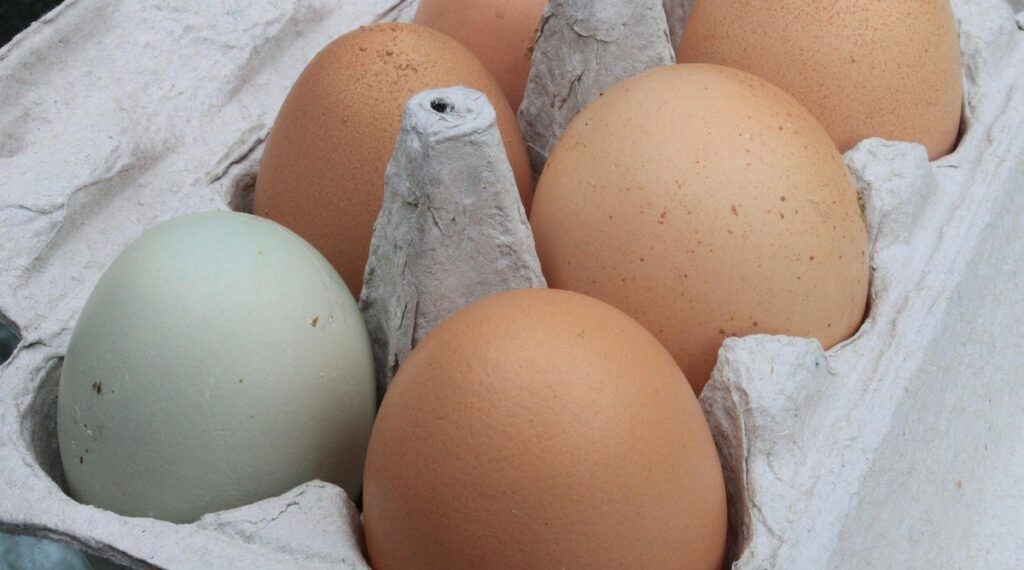
Rhode Island Reds are known for their rich, dark brown eggs, but did you know they can come in a range of colors? In this section, we’ll explore some common egg color variations.
Why Do Rhode Island Red Eggs Vary in Color?
When it comes to Rhode Island Reds, one of the most common questions is why their eggs vary in color. The answer lies in a combination of factors that can affect the intensity and hue of an egg’s shell.
Diet plays a significant role in determining the color of a Rhode Island Red’s egg. A hen’s nutritional intake will influence the production of pigments, which are then deposited onto the eggshell. For instance, if your hens have access to a balanced diet rich in calcium, their eggs may turn out with a deeper, richer brown hue.
The age of the hen can also impact egg color. As Rhode Island Reds mature, their egg-laying abilities tend to increase, and so does the intensity of their eggshell colors. Younger hens may produce lighter-colored eggs due to hormonal fluctuations.
Lastly, individual bird characteristics come into play as well. Some Rhode Island Red breeds are bred specifically for their unique egg-laying traits, such as intense brown or even blue-green hues.
Common Egg Colors Associated with Rhode Island Reds
Rhode Island Reds are known for their beautiful, richly colored eggs, and one of the most common egg colors found in this breed is pink. In fact, over 50% of Rhode Island Red eggs laid by backyard chickens or commercial farms will have a pink tint to them. This is due to the presence of a pigment called porphyrin, which gives the egg its characteristic reddish-pink hue.
Other common egg colors found in Rhode Island Reds include brown, blue, green, and olive. Brown eggs are often darker and richer than those laid by other breeds, with an almost chestnut-brown color. Blue and green eggs, on the other hand, have a lighter, more pastel appearance due to the presence of a pigment called biliverdin. Olive eggs are a unique and beautiful shade, ranging from a light golden brown to a deep dark olive.
When it comes to predicting which egg color your Rhode Island Red will lay, it’s largely a matter of genetics. If you’re new to raising Rhode Island Reds or want to predict the color of your hens’ eggs, consider the following: if both parents are known for laying pink or brown eggs, there’s a good chance their offspring will inherit these traits.
Creating an Egg Color Chart for Your Flock
Creating a personalized egg color chart is essential for monitoring your Rhode Island Red flock’s egg production and identifying any potential health issues. We’ll walk you through how to create one.
Gathering Information on Your Chickens’ Eggs
As you embark on creating an egg color chart for your Rhode Island Red flock, it’s essential to establish a system for tracking their egg-laying patterns. Keeping a record of your hens’ eggs can provide valuable insights into their overall health and productivity.
Start by observing the color, size, and frequency of each hen’s eggs. You’ll likely notice that some hens produce brown or tan eggs with varying shades, while others may lay lighter or darker eggs. Record this information in a spreadsheet or egg journal to track patterns over time. For instance, you might note that one hen consistently lays larger eggs than the others.
In addition to color and size, also track the frequency of each hen’s egg-laying. This can help identify any issues with fertility or ovulation. By monitoring these factors, you’ll gain a better understanding of your flock’s overall performance. For example, if you notice a significant drop in egg production for one hen, it may indicate a health issue that needs attention.
Tips for Accurately Identifying Egg Colors
Accurately identifying egg colors can be a daunting task, especially if you’re new to chicken-keeping. However, with a simple system and chart, you’ll be able to categorize those eggs like a pro! To start, let’s discuss the basic egg color categories: white, brown, blue, green, and pink.
Begin by examining the egg’s overall appearance. Notice the intensity of the color – is it light or dark? Next, take a closer look at the egg’s surface for any subtle nuances in tone. For instance, some eggs may have a slightly olive-green tint, while others might appear more turquoise-like. These variations can be due to individual bird characteristics or environmental factors.
To create a foolproof system, use a simple color chart and assign each egg a numerical value (e.g., 1-5) based on its hue intensity. This will enable you to track changes in your flock’s egg production over time. For example, if one of your Rhode Island Reds consistently lays eggs with a light blue tint, you can note this in the chart as ‘2’ and monitor for any shifts in coloration. By implementing a consistent system, you’ll be able to accurately identify and categorize your egg colors with ease!
Factors Influencing Egg Color in Rhode Island Reds
When it comes to your Rhode Island Red flock, understanding what affects egg color is crucial for predicting their shell hues. Genetics and nutrition play key roles in determining these colors.
Genetics and Breed Characteristics
When it comes to egg color, genetics play a crucial role in determining the final hue. In Rhode Island Reds, the genetics that influence egg color are closely tied to the breed’s coat color and comb type. The breed’s dominant gene for red or golden feathers also contributes to their characteristic orange-brown eggs. This is because the production of melanin, responsible for pigment deposition in eggs, is directly linked to the expression of these genes.
For instance, Rhode Island Reds with a reddish-golden coat tend to lay eggs with deeper, richer tones, while those with a more golden or silver sheen often produce paler eggshells. Additionally, comb type can also impact egg color – birds with single combs may lay slightly darker eggs compared to those with rose combs.
Understanding these genetic influences can help you anticipate the likely egg color of your flock based on their parentage and breed characteristics.
Nutrition and Diet Impact on Egg Color
When it comes to egg color, nutrition and diet play a significant role in determining the intensity and shade of the yolk. As an owner of Rhode Island Reds, you may have noticed that their eggs can range from pale yellow to deep orange. This variation is largely due to the nutrients present in their diet.
Beta-carotene, a precursor to vitamin A, is one such nutrient that significantly influences pigmentation. Foods rich in beta-carotene, such as leafy greens like kale and spinach, sweet potatoes, and carrots, can cause eggs to take on a deeper orange hue. Xanthophylls, particularly lutein and zeaxanthin, also contribute to egg coloration. These yellow and orange pigments are found in high quantities in corn, alfalfa, and marigold flowers.
To incorporate these nutrients into your Rhode Island Red’s diet, consider adding leafy greens or sweet potatoes to their feed. Additionally, supplementing with a balanced multivitamin can provide the necessary boost for vibrant egg yolks. It’s essential to maintain a balanced diet to ensure optimal health and egg quality in your flock.
Recording and Analyzing Your Flock’s Egg-Laying Patterns
To track your flock’s egg-laying patterns, you’ll want to start keeping a record of when each hen lays an egg, including its size and color. This will help you identify any trends in their production.
The Importance of Record-Keeping
Keeping track of your Rhode Island Red’s egg-laying patterns is crucial to understanding their behavior and making informed decisions about their care. By monitoring and recording this data, you can identify trends and make adjustments as needed. For instance, if you notice a sudden drop in egg production, you may need to reassess your flock’s nutrition or ensure they have adequate light exposure.
To get started with record-keeping, consider using a simple spreadsheet or mobile app that allows you to track daily egg production, including the number of eggs laid and any notable characteristics such as color or size. Make it a habit to check on your flock regularly and update your records accordingly. This will not only help you stay on top of your flock’s needs but also provide valuable insights into their behavior.
By doing so, you’ll be able to detect changes in egg-laying patterns and take corrective action before they become more significant issues. For example, if you notice a consistent decrease in egg production during certain times of the year, you can adjust your feeding schedule or implement other strategies to boost production.
Using Data to Inform Breeding Decisions
Accurate record-keeping is essential for making informed breeding decisions that can improve the overall performance and quality of your Rhode Island Red flock. By tracking egg-laying patterns, including variables such as egg color, size, and production levels, you can identify desirable traits to select for in future generations.
For example, if you notice a specific hen consistently laying eggs with vibrant red-brown colors, you may want to consider breeding her or her offspring to pass on this trait. Conversely, if some hens are producing pale or washed-out eggs, it might be worth investigating the underlying causes and adjusting your breeding program accordingly.
To make the most of data-driven decision-making, start by collecting detailed records on each hen’s egg-laying characteristics, including dates, quantities, and descriptions of egg appearance. Analyze this information to identify trends and patterns that can guide your breeding choices. This might involve using tools like spreadsheets or software specifically designed for poultry record-keeping.
Once you’ve identified the traits you want to emphasize in your flock, incorporate them into your breeding program by selecting parents with desirable characteristics. Be sure to also consider factors like fertility, hatchability, and overall health when making your selections.
Troubleshooting Common Egg Color Issues in Rhode Island Reds
If you’re noticing unusual colors on your Rhode Island Red eggs, don’t worry – we’ve got solutions for common issues that can affect eggshell color. Let’s troubleshoot together and get back to perfect eggs!
Identifying Potential Causes of Abnormal Egg Colors
When it comes to identifying potential causes of abnormal egg colors in Rhode Island Reds, there are several factors to consider. A diet imbalance is one common cause of unusual egg colors. For instance, a sudden change in feed or an overabundance of certain nutrients can lead to eggs with unappealing colors.
Health issues can also play a significant role in the coloration of your Rhode Island Red’s eggs. For example, if your hen has a respiratory infection, her eggs may turn a lighter shade due to changes in blood oxygen levels. Similarly, anemia or other circulatory problems can cause egg yolks to become discolored.
Genetic factors are also at play when it comes to egg coloration. Some breeds, including the Rhode Island Red, are naturally prone to producing eggs with certain characteristics, such as a brown or green tint. However, if you notice that your hen’s eggs are consistently deviating from their usual coloration, it may be worth investigating other potential causes.
In cases where you suspect a genetic issue is the culprit, consider consulting with a veterinarian or poultry expert for guidance on managing and mitigating any adverse effects.
Solutions for Common Egg Color Problems
If you’ve noticed irregularities in the egg color of your Rhode Island Reds, don’t worry – it’s not uncommon. Sometimes, eggs may appear too pale, too dark, or exhibit unusual colors like green or blue.
In most cases, these issues can be resolved by making a few adjustments to their diet or consulting with a veterinarian if necessary.
For pale eggs, ensure the hens are consuming adequate amounts of calcium through their feed or supplements. A lack of calcium can cause weakened eggshell production and result in pale or thin-shelled eggs. You may also consider adding dark-colored veggies like kale or spinach to their diet, which contain pigments that can help deepen egg color.
On the other hand, if eggs appear too dark, it could be due to excessive vitamin A intake through food or supplements. Monitor their vitamin A levels and adjust accordingly.
If you notice green or blue tinted eggs, this is often an indication of a liver disorder or a bacterial infection. Consult with a veterinarian to determine the underlying cause and follow their advice for treatment.
By making these adjustments or seeking veterinary care when needed, you can help restore your Rhode Island Reds’ egg color to its usual vibrant red-brown hue.
Frequently Asked Questions
How do I create a customized egg color chart for my Rhode Island Red flock?
Creating an egg color chart can be as simple as tracking the date, egg color, and any notable characteristics (e.g., cracks, dirt) on each egg. Consider using a spreadsheet or a dedicated chicken-keeping app to make recording easier and more efficient.
What if I notice a significant change in my Rhode Island Red’s egg colors?
Don’t panic! Changes in egg color can be caused by various factors, including diet, health issues, or even hormonal fluctuations. Start by adjusting your chickens’ nutrition and environment. If the issue persists, consult with a veterinarian to rule out underlying medical conditions.
Can I use any old system for tracking my flock’s egg-laying patterns?
While it’s essential to track egg production, using an inconsistent or unorganized method can lead to inaccurate records and poor decision-making. Consider implementing a standardized chart or spreadsheet that includes columns for date, egg color, weight, and any other relevant data points.
How do I know if the changes in my Rhode Island Red’s egg colors are due to genetics or environmental factors?
Genetics play a significant role in determining egg color, but environmental factors can also influence the outcome. Consider consulting with a poultry expert or conducting further research on the specific breed characteristics and nutritional requirements of your Rhode Island Reds.
What should I do if my Rhode Island Red’s eggs are consistently lighter or darker than usual?
A sudden change in egg color can be caused by various factors, including diet changes, health issues, or even hormonal fluctuations. Consult with a veterinarian to rule out underlying medical conditions and adjust your chickens’ nutrition accordingly.