
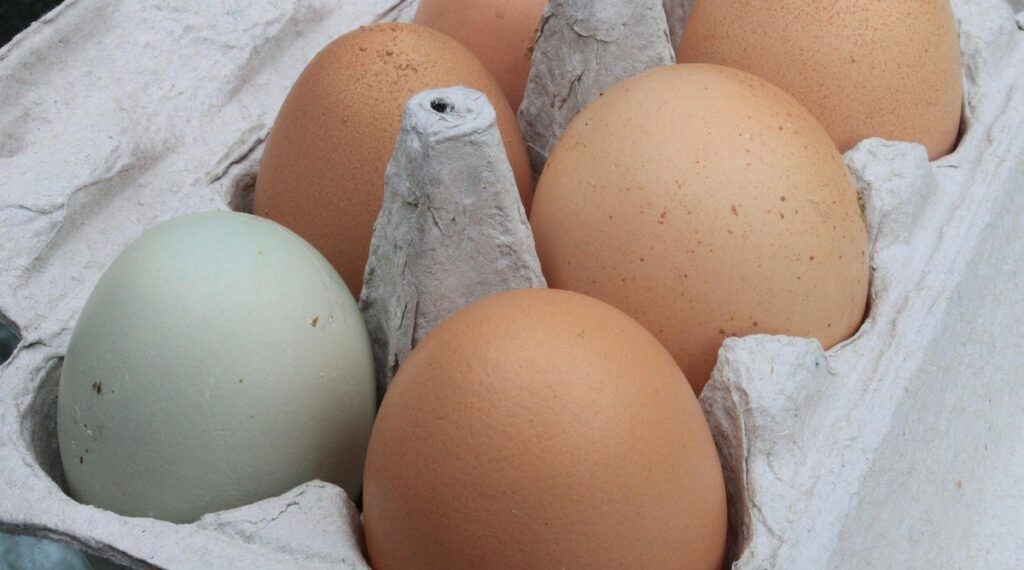
If you’re a backyard chicken enthusiast or just starting to learn about raising hens, you might have noticed that Rhode Island Reds are one of the most popular breeds. But did you know that these birds can produce eggs in a range of colors beyond your typical brown? From rare white eggs to beautiful shades of golden brown and everything in between, the egg color range of Rhode Island Reds is truly fascinating. Genetic factors such as breeding history and genetics play a significant role in determining the eggshell color, but environmental factors like diet also come into play. In this article, we’ll explore the various egg colors produced by Rhode Island Reds, examining both the genetic and environmental influences that contribute to this range.
Characteristics of Rhode Island Reds
One of the most distinctive characteristics that set Rhode Island Reds apart from other breeds is their rich, dark brown plumage. Let’s take a closer look at what makes this breed so unique.
Physical Characteristics that Affect Egg Color
As you learn about the Rhode Island Red egg color range, it’s essential to understand that various physical characteristics can impact the final egg color. While genetics play a significant role in determining eggshell color, certain physical traits of the bird itself can influence the outcome.
For instance, the size and shape of a Rhode Island Red‘s body can affect eggshell thickness, which in turn influences the color intensity. Larger birds tend to lay eggs with thicker shells, often resulting in richer, more vibrant colors. Conversely, smaller birds may produce eggs with thinner shells, leading to lighter or more washed-out hues.
The shape of their beak is another factor to consider. Rhode Island Reds with a slightly curved beak are more likely to produce darker-colored eggs due to the increased friction on the eggshell during laying. This physical trait can contribute to a deeper coloration and richer sheen, particularly in birds that lay brown or dark brown eggs.
Rhode Island Reds’ feather color is also worth noting, although it may seem unrelated to egg color at first glance. In fact, research has shown that there’s a correlation between the intensity of a bird’s plumage coloration and its ability to produce darker-colored eggs. So, if you notice your Rhode Island Red has particularly rich, deep feathers, it might be an indication that they’ll lay eggs with more intense colors.
By being aware of these physical characteristics, you can better anticipate the potential egg color variations from your Rhode Island Reds.
Genetic Factors Influencing Egg Color
When it comes to the genetic makeup of Rhode Island Reds, several factors contribute to the remarkable range of egg colors produced by this breed. At its core, the genetics of a chicken’s egg color is determined by two types of pigments: porphyrins and melanin. The interaction between these pigments, along with other genetic influences, ultimately decides the shade and intensity of an eggshell.
Interestingly, Rhode Island Reds can lay eggs in a wide range of colors, including brown, dark brown, light brown, pink, blue-green, and even white or speckled eggs. Research suggests that certain genetic markers, such as the presence or absence of specific melanin-producing genes, play a significant role in determining eggshell color.
For instance, studies have shown that chickens carrying the B allele (a gene variant) tend to produce eggs with a more intense brown coloration. On the other hand, those without this allele might lay lighter-colored eggs. While individual genetics can influence egg color, environmental factors such as diet and living conditions also play a role in determining the final hue.
When keeping Rhode Island Reds, it’s essential to recognize that each bird may produce a unique eggshell color based on its genetic makeup. By understanding these underlying factors, breeders and owners can better appreciate the complexities of eggshell pigmentation in this popular breed.
Understanding the Different Egg Colors Produced
Let’s dive into the various egg color shades you can expect from your Rhode Island Red hens, each with its unique characteristics and meanings. This range of colors is more extensive than you might think!
White Eggs: A Rarity Among Rhode Island Reds
White eggs are indeed a rare occurrence among Rhode Island Reds, which might come as a surprise given that white is one of the most common egg colors. However, the genetics of these birds play a significant role in determining their egg color. You see, most commercial breeds, including Leghorns and some other prolific layers, can produce white eggs due to their genetic makeup.
Rhode Island Reds, on the other hand, owe their rich brown shell coloration to a specific gene that codes for the production of porphyrins. These pigments are responsible for the egg’s reddish-brown hue. While this dominant gene ensures that most Rhode Island Reds produce eggs with some degree of brown tint, it also makes it challenging for them to lay white eggs.
In fact, studies have shown that only around 2-3% of Rhode Island Reds will consistently produce white eggs. This is because the genetic mechanism required for producing white eggs is recessive and masked by the dominant gene responsible for the egg’s brown coloration.
Brown Eggs: The Most Common Color Among Rhode Island Reds
Among all egg-laying breeds, Rhode Island Reds are known for producing brown eggs. In fact, they’re one of the most prolific producers of brown eggs, and it’s not hard to see why. Brown eggs owe their color to a pigment called porphyrin, which is present in the hen’s diet and skin. The intensity of this pigment determines the shade of brown produced.
You can expect Rhode Island Red eggs to range from light tan to dark chocolate in color. Lighter shades are often seen in younger hens or those with less melanin production. As they mature, their egg yolks tend to deepen in color, resulting in a richer, darker brown hue. This natural variation ensures that every egg is unique and can help you identify specific breeding lines within your flock.
To increase the likelihood of producing darker, more intense eggs, focus on providing a balanced diet rich in nutrients, particularly those containing beta-carotene like leafy greens. Additionally, ensure good lighting conditions to encourage optimal melanin production.
Environmental Factors Affecting Egg Color
Factors such as diet, climate, and health of the hen can significantly impact the egg color, making it a crucial aspect to consider when breeding Rhode Island Reds. Let’s explore how these environmental factors influence the egg color range.
Nutrition’s Role in Determining Egg Color
When it comes to determining egg color, nutrition plays a significant role. A bird’s diet can influence the intensity and hue of their eggs, which is especially evident in Rhode Island Reds. For instance, if a Rhode Island Red hen consumes a diet rich in beta-carotene and other carotenoids, her eggs may develop a more vibrant yellow or orange tint.
This principle is demonstrated by some backyard chicken keepers who report that their Rhode Island Red hens lay eggs with a deep golden hue after introducing marigold flowers to the flock’s feed. Marigolds are rich in alpha-carotene, which is converted into vitamin A in the bird’s body and deposited onto the eggshell as a pigment.
On the other hand, if a hen consumes less beta-carotene-rich foods or has limited access to fresh fruits and vegetables, her eggs may appear pale or washed out. This can be particularly true for backyard chicken keepers who rely on commercial feed, which often lacks essential nutrients found in whole foods.
To encourage egg color variation through nutrition, consider adding a variety of colorful produce to your flock’s diet. Fresh greens like kale and spinach, as well as fruits like berries and citrus, can all contribute to more vibrant eggs.
Stress Levels and Their Impact on Egg Color Variations
Stress levels play a significant role in determining the egg color variations of Rhode Island Reds. When these birds experience stress, it can cause changes in their physiology, including alterations in eggshell pigmentation. Factors contributing to stress in Rhode Island Reds may include changes in their environment, such as shifts in temperature or humidity, lack of adequate space, poor nutrition, and health issues.
To manage stress levels, it’s essential to create a conducive environment for your birds. This includes providing them with ample space to roam, fresh water at all times, and a balanced diet that meets their nutritional needs. Ensure proper ventilation and maintain optimal temperature ranges to prevent heat stress. Additionally, regular health checks can help identify any underlying health issues that may be contributing to stress.
Maintaining a consistent routine for feeding, cleaning, and handling your Rhode Island Reds is also crucial in reducing stress levels. Avoid sudden changes or surprises that might cause anxiety in the flock. By understanding and addressing the causes of stress, you can promote a healthier and more relaxed environment for your birds, which may result in more consistent egg coloration.
Breeding and Selection for Specific Traits
To breed Rhode Island Reds with unique traits, you’ll need to understand how specific genetic factors influence eggshell color and learn strategies for selective breeding. This process is crucial in creating a desired phenotype.
Selective Breeding for Desired Egg Colors
Selective breeding is a deliberate process used to achieve specific traits within a flock. Farmers and breeders have selectively bred Rhode Island Reds to produce eggs in a range of colors, from light cream to dark brown. The goal is to create a flock that consistently lays eggs with the desired color.
To achieve this, breeders focus on individual birds that exhibit the preferred egg color trait. They then mate these birds with others that possess similar characteristics, gradually refining the flock’s overall egg color over generations. This selective breeding process can take years or even decades to produce consistent results.
For example, a breeder might select birds from their existing flock that lay light brown eggs and breed them with birds that produce cream-colored eggs. Over time, this selective breeding can result in a flock that lays eggs consistently within the desired color range.
Challenges in Selectively Breeding Rhode Island Reds
When attempting to selectively breed Rhode Island Reds for specific traits, farmers and breeders encounter several challenges. One of the primary concerns is maintaining genetic diversity within a small population. When selecting individuals with desirable egg color variations, it’s easy to inadvertently reduce the gene pool by repeatedly choosing from a limited number of carriers.
This can lead to increased susceptibility to diseases and reduced fertility in future generations. To avoid this issue, breeders must carefully balance their selection process between choosing individuals with desired traits and maintaining genetic diversity.
Another challenge is predicting egg color inheritance patterns, as they can be influenced by multiple genes and interactions. For example, a female Rhode Island Red may lay brown eggs due to the interaction of two different alleles controlling eggshell pigmentation. Breeders must have a thorough understanding of genetics and egg color inheritance patterns to make informed selection decisions.
To mitigate these challenges, breeders should maintain detailed records of their breeding program, including genetic testing data and pedigree information. Regular evaluation of the flock’s overall health, fertility, and genetic diversity will also help identify potential issues early on.
Tips for Raising Healthy Rhode Island Reds
To raise happy and healthy Rhode Island Reds, it’s essential to provide them with a balanced diet, plenty of space to roam, and regular exercise and social interaction. This will help them thrive in your backyard flock.
Nutrition and Health Practices for Optimal Egg Production
To ensure that your Rhode Island Reds produce high-quality eggs with consistent color, it’s essential to prioritize their nutrition and health. A balanced diet is crucial for maintaining the overall well-being of these birds. Start by providing them with a nutrient-rich layer feed that contains all the necessary vitamins and minerals.
In addition to a good quality feed, ensure access to fresh water at all times. Aim to provide around 1-2 gallons per bird daily. Also, consider supplementing their diet with calcium and oyster shells to support strong eggshell production. For optimal health, maintain a clean and comfortable living environment for your birds.
Aim to collect eggs regularly to prevent breakage and maintain the quality of the remaining eggs. Regular check-ups with a veterinarian can also help identify any potential health issues early on. By following these best practices, you’ll be well on your way to raising healthy Rhode Island Reds that consistently produce high-quality eggs. A consistent egg color will also reflect their overall health and nutritional status.
Management Strategies for Maximizing Egg Color Range
When managing a flock of Rhode Island Reds, it’s essential to balance egg production with preserving genetic diversity. This is where selection and culling come into play. By carefully selecting the most desirable birds for breeding, you can optimize egg color range while maintaining a healthy and genetically diverse flock.
To maximize egg color range, consider implementing a tiered system within your flock. Separate your birds into distinct groups based on their eggshell characteristics, such as intensity of color or consistency in production. This will allow you to breed birds that excel in specific areas, like deep brown eggs, while also maintaining a pool of genetically diverse birds.
Culling is another crucial management technique for preserving genetic diversity. Regularly remove birds with low egg production, poor health, or undesirable traits to maintain a healthy and thriving flock. By doing so, you’ll create space for your more valuable breeding stock to thrive, resulting in a better overall egg color range.
Frequently Asked Questions
What are the chances of my Rhode Island Red laying white eggs?
Yes, while extremely rare, some Rhode Island Reds can lay pure white eggs due to genetic variations. This phenomenon occurs when a bird inherits recessive genes that suppress the production of melanin, resulting in eggshells without pigment.
How long does it take for a Rhode Island Red’s egg color to stabilize after hatching?
It may take several months for a young Rhode Island Red hen’s eggshell color to fully mature and stabilize. This period can vary depending on factors such as diet, genetics, and overall health, but typically, the final egg color becomes apparent within 6-12 months of laying.
Can I influence my Rhode Island Red’s egg color through nutritional changes?
While nutrition plays a role in determining eggshell color intensity, it is not possible to change the fundamental color itself. A balanced diet rich in calcium and other essential nutrients will promote overall health and may affect the eggshell thickness or sheen, but the primary genetic factors influencing eggshell color cannot be altered by dietary means.
How do I know if my Rhode Island Red’s stress levels are affecting its egg color?
Watch for signs of chronic stress such as changes in appetite, feather condition, or egg production rates. If you suspect that your hen is experiencing undue stress, address the underlying cause (e.g., environmental issues or health concerns) to promote a healthier and more stable laying routine.
Can I selectively breed my Rhode Island Reds for specific egg colors?
Selective breeding can be a complex process, especially when attempting to influence genetic factors like eggshell color. It’s essential to have a solid understanding of genetics and experience in poultry breeding before embarking on such an endeavor. Even then, success is not guaranteed due to the intricate interplay between genetic and environmental influences on eggshell color.