
If you’re a backyard chicken enthusiast or simply a fan of these stunning birds, you know that Rhode Island Reds are known for their rich, dark brown eggs. But have you ever wondered about the fascinating variations in egg colors within this breed? From light brown to deep chocolate and even blue-green hues, each egg is unique and influenced by a complex interplay of genetics, nutrition, and environmental factors.
In this article, we’ll delve into the world of Rhode Island Red egg colors, exploring the science behind these stunning variations. You’ll learn about the key genetic markers that contribute to egg color, how nutrition affects pigment production, and what role environmental factors play in shaping the final result. Whether you’re a seasoned chicken keeper or just starting out, this article will give you a deeper appreciation for the intricate processes at work in your flock’s egg-laying abilities.
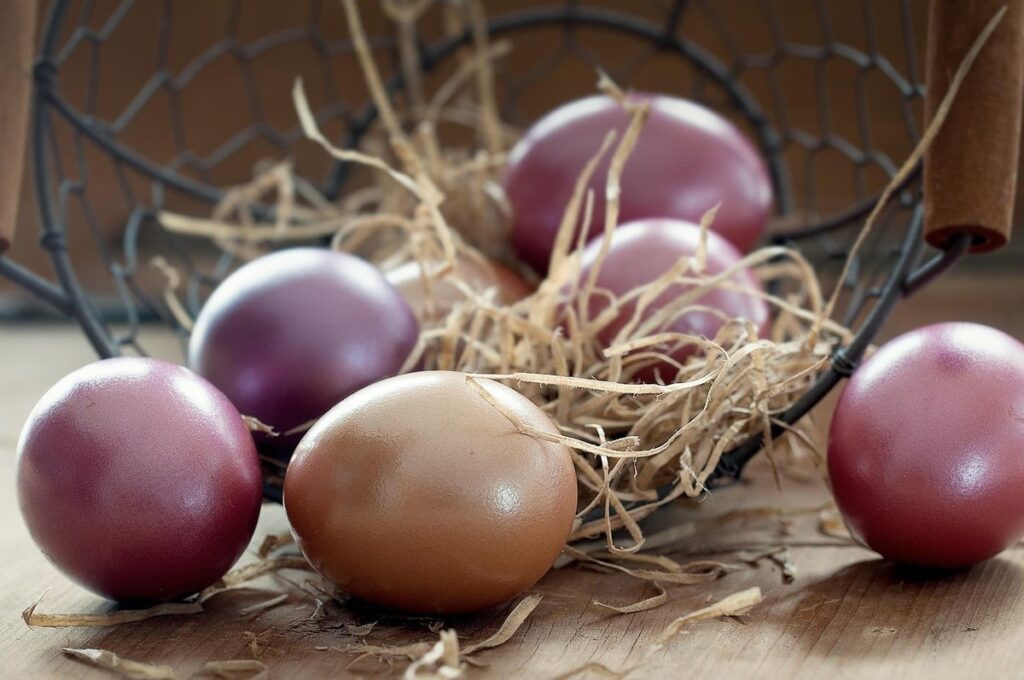
Introduction to Rhode Island Red Egg Colors
As you learn about Rhode Island Reds, understanding their egg colors is essential for breeders and enthusiasts alike. In this section, we’ll delve into the fascinating world of RIR egg color variations.
Overview of Rhode Island Reds
The Rhode Island Red is one of the most popular breeds kept by backyard flock owners due to its hardiness, gentle nature, and high egg production. This breed has been a favorite among chicken enthusiasts for over a century, with its rich history dating back to the late 1800s.
If you’re already a fan of this iconic breed or considering adding it to your flock, you’re likely curious about the various egg colors it produces. With this article, we’ll delve into the fascinating world of Rhode Island Red egg colors and explore why they’re an essential topic for anyone keeping these birds in their backyard.
As we explore the different shades and hues that emerge from a Rhode Island Red’s nesting box, you’ll discover how to identify each color, understand what influences them, and learn tips on how to encourage your girls to produce those coveted eggs. By the end of this comprehensive guide, you’ll be well-versed in all things Rhode Island Red egg colors and confident in your ability to care for these wonderful birds.
Importance of Understanding Egg Color Variations
Understanding egg color variations is crucial for chicken keepers to ensure the health and well-being of their flock. Different eggshell colors can be indicative of internal health issues, such as a high concentration of certain nutrients or mineral deficiencies. For instance, eggs with dark brown or blue-green shells may indicate higher levels of iron or copper in the hen’s diet.
Moreover, understanding egg color variations can also impact marketing opportunities for backyard chicken keepers who plan to sell their eggs. Some consumers are willing to pay a premium for eggs with certain colors or characteristics. For example, eggs with pink or red undertones are often associated with higher nutritional value and may command a higher price at farmers’ markets.
To take advantage of these opportunities, chicken keepers can experiment with different feed supplements or nutrition plans to influence the color of their hens’ eggs. This can be achieved by adding specific nutrients such as omega-3 fatty acids, which have been shown to produce eggs with a deeper orange hue.
The Genetics of Rhode Island Red Egg Colors
When it comes to understanding the genetics behind the egg colors of your Rhode Island Reds, let’s dive into the fascinating science that explains why they come in different hues. We’ll explore what influences their color palette.
Dominant and Recessive Genes
When it comes to understanding the genetics behind Rhode Island Red egg colors, it’s essential to grasp the basics of dominant and recessive genes. Simply put, dominant genes will always be expressed if an individual has one copy of the gene, while recessive genes require two copies (one from each parent) to be expressed.
Think of it like a light switch – a single dominant gene can be thought of as flipping the switch to “on”, making its expression unavoidable. On the other hand, recessive genes are more like dimmers, where only when both switches (or genes in this case) are set to the same level (“on”) will their effect be noticeable.
For example, let’s consider a simple scenario involving two parents, each contributing one egg color gene – one parent with the dominant red gene and the other with a recessive yellow gene. In this case, the offspring will express the dominant red gene because it only needs one copy to be present for its expression.
Understanding these basic genetic principles can help you predict which colors your Rhode Island Red hens are likely to produce. While it’s not a foolproof method, being aware of how genetics influence egg coloration can give you an edge in selecting birds that will meet your desired production requirements.
Gene Interactions and Expression
When it comes to understanding the genetics behind Rhode Island Red egg colors, gene interactions and expression play a crucial role. Think of genes like recipes – each one provides a specific ingredient, but combining them in different ways yields unique outcomes. In the case of Rhode Island Reds, multiple genes work together to produce eggs in various shades.
For example, the E gene controls the production of eumelanin, which contributes to brown pigmentation, while the H gene influences the distribution of this pigment. When combined, these genes result in chocolate-brown eggs. On the other hand, the I gene affects the intensity of yellow pigmentation, leading to a lighter overall color.
To give you a better idea, here’s how specific gene combinations can affect egg colors: E/E + H/H = dark brown, e/e + H/h = medium brown, and i/i + I/I = pale yellow. Keep in mind that these interactions are influenced by multiple factors, including the bird’s overall health and environment. As a breeder or enthusiast, understanding how gene combinations impact your flock’s egg colors can help you make informed decisions about breeding programs and optimize your birds’ potential.
Common Egg Color Variations in Rhode Island Reds
Rhode Island Red eggs come in a range of beautiful colors, and in this section we’ll explore some of the most common variations you might notice. From light brown to dark speckled, each one is unique!
Light Brown Eggs
Light brown eggs are a common variation among Rhode Island Reds, characterized by their soft, warm beige color. The intensity of this shade can vary, with some eggs appearing more golden than others. If you’re an egg producer or simply want to understand the potential causes behind light brown egg production in your flock, it’s essential to consider the breed’s genetic makeup and environmental influences.
The most likely reason for light brown eggs is a mix of genetics and nutrition. Rhode Island Reds are known for their dark brown eggs, but individual birds may exhibit lighter shades due to their unique genetic profile or diet. A diet rich in calcium and other essential nutrients can also impact eggshell color. Factors like stress, age, and health issues can sometimes affect the appearance of eggs, resulting in lighter hues.
To produce consistent light brown eggs, focus on providing a balanced diet and maintaining good flock management practices.
Dark Brown Eggs
Dark brown eggs are a common variation of Rhode Island Red eggs, and their unique characteristics make them stand out from lighter-colored eggs. One key factor contributing to the dark brown color is the distribution of pigment melanin within the eggshell. In Rhode Island Reds, the melanin is more concentrated in certain areas, resulting in an overall darker hue.
The structure of the eggshell also plays a crucial role in determining its color. The microscopic pores on the surface of the eggshell, known as megareas, can affect how light interacts with the melanin pigment. Dark brown eggs tend to have smaller megareas, which allows more melanin to reflect and intensify the dark color.
As an owner of Rhode Island Reds, you may be wondering what factors influence the production of dark brown eggs in your flock. Genetics, nutrition, and overall health can all impact eggshell color. For example, providing a balanced diet rich in omega-3 fatty acids and antioxidants can help promote healthy pigmentation. By monitoring these factors and making adjustments as needed, you can encourage the production of high-quality, dark brown eggs from your Rhode Island Reds.
Rare and Uncommon Egg Colors in Rhode Island Reds
Beyond the more common shades, some Rhode Island Red flocks produce truly unique egg colors, including blue, green, and even pink. Let’s explore these fascinating variations up close.
Blue-Green Eggs
While Rhode Island Reds are primarily known for their rich brown eggs, some hens can produce an uncommon but striking blue-green egg color variation. This rare occurrence is often due to the interaction of specific genetic factors that influence the production of porphyrins and other pigments in the eggshell.
Research suggests that the blue-green coloration may be linked to the presence of a particular combination of alleles (forms) of the gene responsible for melanin regulation. In some cases, this combination can lead to an overproduction of porphyrins, resulting in the characteristic blue-green hue.
If you’re breeding Rhode Island Reds and want to increase the chances of producing blue-green eggs, focus on selecting hens with a strong genetic predisposition to this trait. Look for birds that exhibit unusual pigmentation patterns or other characteristics associated with eggshell color variation. Keep in mind that introducing new genetics can also introduce variability, so be prepared to monitor and adjust your breeding program accordingly.
As these blue-green eggs are relatively rare, they’re highly prized among backyard chicken keepers and enthusiasts. If you’re lucky enough to have a hen laying these unique eggs, consider preserving the genetic material for future generations by keeping detailed records of your flock’s history and eggshell colors.
Olive Green Eggs
Olive green eggs are one of the rarest and most striking colors found in Rhode Island Red hens. These eggs owe their unique coloration to a specific combination of genetic traits that influence the production of pigments in the hen’s body.
When it comes to olive green eggs, you’ll notice they tend to have a more muted, earthy tone compared to other eggshell colors. This is due to the way the pigment biliverdin interacts with other chemicals in the hen’s oviduct during egg formation. Biliverdin is responsible for the greenish tint of many bird species’ feathers and eggs.
Environmental influences can also play a role in determining the intensity of olive green eggs. For example, hens that have access to a diverse range of plants and minerals may produce more vibrant, olive-green eggs due to the presence of certain nutrients and pigments in their diet.
To encourage your Rhode Island Red hen to lay olive green eggs, focus on providing her with a balanced diet rich in leafy greens, fruits, and vegetables. You can also try supplementing her feed with crushed oyster shells or eggshell powder to support calcium intake – essential for maintaining healthy eggshell production.
Factors Influencing Egg Color in Rhode Island Reds
When it comes to determining your Rhode Island Red’s egg color, several factors come into play that can affect the final result, making each egg unique. Let’s explore what influences their distinctive hues.
Diet and Nutrition
When it comes to egg color in Rhode Island Reds, dietary elements play a crucial role in determining the intensity and vibrancy of the pigment. As an egg producer, providing the right balance of nutrients is essential for optimal egg production and color.
One key factor influencing egg color is vitamin A, which is responsible for producing the yellow pigment in eggs. Vitamin A deficiency can lead to pale or washed-out egg yolks. To combat this, consider adding foods rich in beta-carotene such as leafy greens, sweet potatoes, and carrots to your hens’ diet. On the other hand, excessive amounts of vitamin A can cause greenish discoloration, so it’s essential to maintain a balanced intake.
Minerals like zinc and iron also play a role in pigment production. Zinc is vital for the synthesis of melanin, while iron helps regulate the breakdown of porphyrins, which are responsible for egg yolk color. To supplement your hens’ diet with these essential minerals, consider adding oyster shells or dark leafy greens like kale and spinach. By paying attention to your hens’ dietary needs, you can influence the final product – a beautiful, richly colored Rhode Island Red egg.
Health and Environmental Factors
When it comes to egg color variations in Rhode Island Reds, health issues and environmental conditions play a significant role. For instance, nutritional deficiencies can impact the egg’s pigment production. A lack of certain minerals like copper or zinc can lead to lighter or irregularly colored eggs. On the other hand, an overabundance of certain nutrients might result in darker or more intense colors.
Environmental factors such as light exposure and temperature fluctuations can also influence egg color. Rhode Island Reds raised in areas with minimal natural light may lay eggs with a pale or washed-out appearance due to reduced melanin production. Conversely, birds exposed to direct sunlight for extended periods might produce eggs with a richer, darker hue.
It’s essential to maintain optimal living conditions for your flock to ensure consistent and healthy egg coloration. Provide access to fresh water, balanced feed, and adequate shelter. Monitor the flock’s overall health and adjust their environment accordingly. By doing so, you’ll not only achieve more vibrant egg colors but also support a happy and thriving flock.
Caring for Rhode Island Red Hens to Promote Healthy Egg Color
To keep your Rhode Island Reds laying vibrant eggs, it’s essential to provide them with a healthy environment and proper care, including nutrition and regular health checks. This starts with the birds themselves.
Nutrition and Dietary Needs
To ensure your Rhode Island Red hens produce eggs with vibrant colors, it’s essential to provide them with a balanced diet that meets their nutritional needs. A lack of certain minerals and nutrients can lead to pale or washed-out egg yolks. Start by offering a high-quality layer feed that contains the necessary vitamins and minerals, such as calcium, phosphorus, and protein.
In addition to commercial feed, supplement your hens’ diet with fresh fruits and vegetables rich in antioxidants and fiber. Dark leafy greens like kale and spinach are excellent sources of iron and other essential nutrients. You can also offer cooked eggs yolks or eggshell meal to provide an extra boost of calcium.
To promote optimal egg production, ensure your hens have access to clean water at all times. Fresh water is crucial for maintaining their overall health and preventing nutrient deficiencies. Aim to spend about 10-15% of their daily intake on supplements, as excessive amounts can lead to digestive issues. By striking the right balance between commercial feed and nutrient-dense supplements, you’ll be well on your way to raising healthy Rhode Island Red hens that produce stunningly colored eggs.
Health Monitoring and Management
As you work to promote healthy egg color in your Rhode Island Red hens, it’s essential to be aware of potential health issues that can affect the color and quality of their eggs. One common condition is pasty vent syndrome, which causes a buildup of droppings around the vent area, leading to stress and discomfort for the hen.
Another issue is prolapsed reproductive organs, which can cause egg yolk peroxidase deficiency, resulting in off-color or greenish-blue eggs. Regular health checks and monitoring are crucial to identifying these conditions early on.
To keep your hens healthy, make sure they have access to clean water, a balanced diet, and adequate space to roam. A well-ventilated coop with regular cleaning schedules can also help prevent the buildup of ammonia and other pollutants that can harm your hens.
Monitoring egg quality and color is just as important as monitoring hen health. Look for any changes in the color or consistency of the eggs, and take note of any unusual patterns. By staying vigilant and addressing potential issues promptly, you can promote healthy egg color and production in your Rhode Island Red hens.
Conclusion and Final Thoughts
In conclusion, understanding Rhode Island Red egg colors can be a fascinating topic for backyard chicken enthusiasts. By now, you should have gained insight into the various shades of brown eggs that this breed is known for producing. As you continue on your journey to raise healthy and happy chickens, remember that egg color is not an indicator of nutritional value or quality. It’s essential to keep in mind that every flock will produce slightly different colored eggs due to factors like genetics and individual characteristics.
When selecting new hens, don’t base your decision solely on their potential egg-laying abilities – consider the temperament, health, and overall well-being of each bird as well.
Frequently Asked Questions
What factors should I consider when selecting Rhode Island Reds for their egg color variation?
When choosing RIRs, consider the breed’s genetic diversity, as this will impact the range of egg colors you can expect from your flock. Look for birds with diverse ancestry and a mix of genetic traits to increase the likelihood of producing varied egg colors.
Can I influence the egg color by adjusting my chickens’ diet?
While nutrition plays a role in pigment production, it’s not a direct way to change egg color. A balanced diet rich in essential nutrients will support healthy production, but you can’t specifically “switch” from one color to another through dietary changes alone.
How do environmental factors impact the final egg color?
Environmental influences like temperature, humidity, and lighting can affect pigment production, leading to variations in egg color. Ensure your flock has a stable and suitable environment to promote optimal health and egg-laying abilities.
What’s the likelihood of my Rhode Island Reds laying rare or uncommon egg colors?
The likelihood depends on your flock’s genetic makeup. While some RIRs may lay rare colors like blue-green, these are relatively less common than other variations. Monitor your flock’s production and consider bloodline diversity to increase the chances of producing unique colors.
Can I predict what color eggs my Rhode Island Red hens will lay based solely on their breed or ancestry?
While a bird’s breed can influence egg color, it’s not a guarantee of a specific color. Many factors, including genetics, nutrition, and environment, contribute to the final result. Consider individual characteristics and flock diversity when expecting egg-laying abilities.