
If you’re a chicken enthusiast or simply curious about the fascinating world of egg colors, you’ll love learning about the Rhode Island Red. This popular breed is known not only for its rich, brown eggs but also for the incredible diversity in their color tones. From light to dark brown, every batch of eggs is unique, and understanding what influences this variation can be both intriguing and useful.
In this article, we’ll dive into the world of Rhode Island Red egg colors, exploring how genetics, nutrition, and environment come together to create such a wide range of appearances. We’ll look at the factors that affect eggshell color, from the chicken’s breed characteristics to external influences like feed quality and living conditions. By the end of this journey, you’ll have a deeper appreciation for these beautiful eggs and be better equipped to nurture happy, healthy Rhode Island Reds in your own backyard.
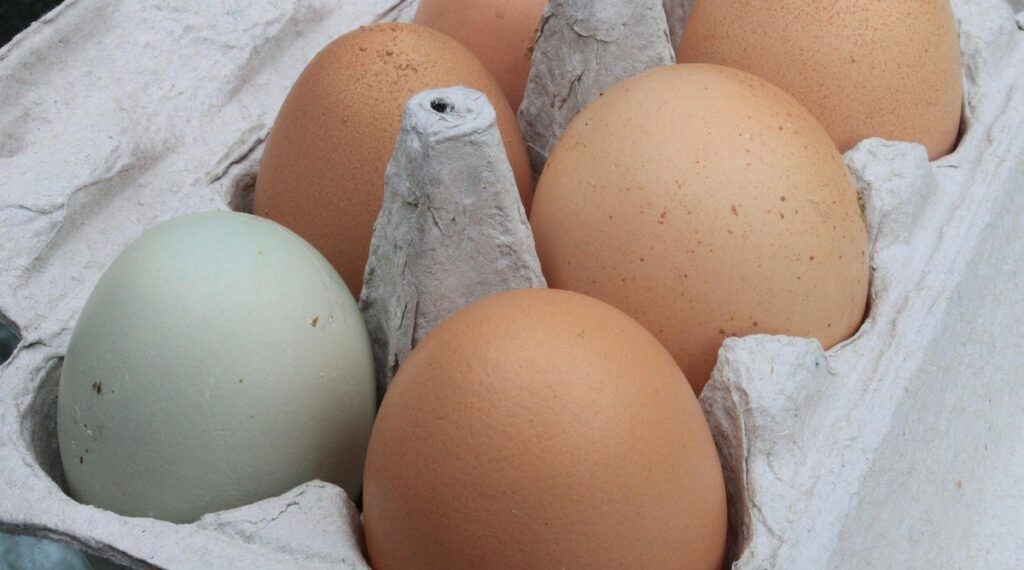
Introduction to Rhode Island Red Eggs
Welcome to our guide on Rhode Island Red eggs, where we’ll explore the unique characteristics and variations of egg colors that these amazing birds produce. You’re about to discover their stunning shades.
What are Rhode Island Red Chickens?
The Rhode Island Red breed is one of the most recognizable and beloved chicken breeds globally. Originating in the United States in the 1800s, this hardy and versatile bird was bred specifically for its ability to produce large quantities of eggs with a rich, reddish-brown color. Developed by crossing various breeds such as the Cochin and the Dominique, the Rhode Island Red quickly gained popularity due to its friendly nature, high egg-laying capacity, and robust constitution.
Today, the Rhode Island Red remains one of the most popular backyard chicken breeds in many parts of the world. Its rich history and adaptability have cemented its status as a favorite among both novice and experienced poultry keepers. Known for their distinctive copper-red plumage and friendly demeanor, Rhode Island Reds make excellent additions to any flock.
When it comes to egg production, Rhode Island Reds are renowned for laying large brown eggs with an average weight of 200-220 grams per dozen.
Importance of Egg Color in Poultry Breeding
In poultry breeding, egg color is often overlooked as a significant factor, but it holds immense importance when selecting breeds for commercial production. For Rhode Island Reds, understanding the significance of egg color can help you make informed decisions about which birds to breed and how to optimize their performance.
Egg color affects consumer preferences, making darker eggs more desirable in some markets. Darker eggs have a higher yolk:albumen ratio, resulting in richer, creamier yolks that consumers love. In contrast, lighter eggs tend to have paler yolks, which may not appeal as much to buyers. This distinction is crucial for breeders looking to cater to specific market demands.
Moreover, egg color can impact hatchability rates and chick viability. Research has shown that darker-shelled eggs exhibit better fertility rates than their lighter counterparts. By selecting birds with desirable egg colors, you can improve the overall efficiency of your breeding program and increase profitability. If you’re planning to breed Rhode Island Reds for commercial production, pay attention to egg color as it will play a significant role in determining the success of your operation.
Theories Behind Rhode Island Red Egg Colors
So, you’re curious about why Rhode Island Reds lay eggs in a range of colors from pink to green? Let’s explore some of the most popular theories behind these colorful eggshell variations.
Genetic Factors Influencing Eggshell Pigmentation
The genetic factors that determine eggshell pigmentation are quite fascinating. As we’ve discussed earlier, Rhode Island Reds are known for their beautiful range of egg colors, from the classic brown to the deep red and even blue-green hues. But have you ever wondered what makes these colors possible? The answer lies in the dominant and recessive genes that influence the production of pigments in the hen’s oviduct.
In simple terms, dominant genes are those that will express themselves if an individual has one copy of the gene, while recessive genes require two copies to be expressed. When it comes to eggshell color, the interaction between these genes determines the final result. For example, the B locus is responsible for brown pigment production, and the I locus controls the intensity of the red pigment. If a hen inherits two copies of the dominant gene for brown pigment (B), she will lay eggs with a predominantly brown color. However, if she has one copy of the recessive gene for blue-green pigment (I), her eggs may display a beautiful green or blue tint. By understanding these genetic factors, breeders can predict and even influence the eggshell colors produced by their hens, allowing them to create new and exciting varieties.
Role of Nutrition and Environment in Egg Color
When it comes to the vibrant colors of Rhode Island Red eggs, many factors come into play. In addition to genetics and breed characteristics, nutrition and environment also have a significant impact on egg color, particularly when it comes to yolk color.
A diet rich in carotenoids, which are pigments found in plants such as marigolds, kale, and alfalfa, can cause the yolks of Rhode Island Red eggs to take on a deeper orange or yellow hue. For example, if your flock is fed a diet supplemented with dried marigold petals, you may notice a more vibrant yolk color. On the other hand, a lack of carotenoids in the diet can result in paler yolks.
Environmental factors also play a role in egg color. Exposure to sunlight and outdoor living conditions can affect the levels of vitamin A in the chicken’s system, which in turn affects egg color. Chickens that spend more time outdoors may produce eggs with deeper yolk colors due to their increased exposure to carotenoids found in grasses and other plant matter.
To encourage healthy egg yolks with vibrant colors, consider incorporating a balanced diet rich in carotenoids into your flock’s nutrition plan. You can also provide additional supplements or offer a varied range of fruits and vegetables to support optimal vitamin A levels. By paying attention to both nutrition and environment, you may be able to influence the color of your Rhode Island Red eggs.
Characteristics of Different Rhode Island Red Egg Colors
You’re probably wondering what makes each Rhode Island Red egg color unique, and we’ve got you covered – let’s dive into the characteristics of the different colors. From light to dark, each hue has its own special traits.
Light Brown Eggs: Traits and Identification
If you’re looking for eggs from a Rhode Island Red hen that don’t have the deep reddish-brown color of the more typical eggs, light brown eggs are a viable option. These eggs are produced when the hens’ diet is rich in foods containing beta-carotene or when they have access to sunlight.
Light brown eggs tend to be slightly smaller than their deeper-colored counterparts but still offer the same nutritional benefits as all Rhode Island Red eggs. Their shells may also be less prone to cracking due to a lower concentration of pigments that contribute to the coloration.
One potential advantage of light brown eggs is their lower visibility in the market, which can make them more desirable for bakers and chefs who value the aesthetic appeal of their dishes. However, this benefit may not outweigh the preference some consumers have for deeper-colored eggs. Ultimately, whether you choose light brown or darker eggs depends on your specific needs and preferences.
In terms of identification, light brown eggs are often characterized by a lighter, more washed-out appearance compared to their richer counterparts. They may also have a slightly different sheen or texture to the shell, making them stand out from other Rhode Island Red egg colors. If you’re trying to identify which eggs come from your flock, look for these distinguishing features and note any patterns in your hens’ diet or environmental conditions that may contribute to their coloration.
Dark Brown or Chocolate-Brown Eggs: Traits and Identification
Dark brown or chocolate-brown eggs are a striking feature of some Rhode Island Red hens. These eggs have a rich, warm color that’s often associated with high-quality, nutrient-dense eggs. One unique aspect of dark brown eggs is their ability to develop a deeper, more complex flavor profile over time. This is due in part to the antioxidants and other compounds present in the egg yolks, which are more concentrated than those found in lighter-colored eggs.
When it comes to identifying dark brown or chocolate-brown eggs, look for a deep, rich color that’s often described as being between dark brown and chocolate brown on the egg color spectrum. The tone may vary slightly depending on factors like diet, environment, and individual hen characteristics. However, one key trait of these eggs is their relatively consistent coloration from week to week, making them stand out in an egg carton.
To maximize the potential benefits of dark brown or chocolate-brown eggs, consider providing your Rhode Island Red hens with a balanced diet rich in omega-3 fatty acids and antioxidants. This will help support overall health and promote the production of high-quality eggs with enhanced nutritional profiles.
Factors Affecting Rhode Island Red Egg Color Consistency
When it comes to raising Rhode Island Reds, consistency in egg color is crucial for breeders and hobbyists alike. Several key factors influence the intensity and uniformity of their eggs.
Management Practices That Influence Egg Color
When it comes to achieving consistent egg color with Rhode Island Reds, management practices play a significant role. The quality of feed, health care, and living conditions can directly impact the pigmentation of eggs.
A well-balanced diet is crucial for producing healthy hens that lay consistently colored eggs. A diet rich in omega-3 fatty acids, vitamin E, and calcium supports the production of pigments responsible for eggshell color. Ensure your Rhode Island Reds have access to high-quality feed that meets their nutritional needs.
Proper health care is also vital in maintaining consistent egg color. Regular vaccinations, parasite control measures, and monitoring of stress levels can prevent issues that may lead to discoloration. Keep an eye out for signs of illness or stress, such as changes in droppings or appetite.
Provide your Rhode Island Reds with a comfortable living environment by offering adequate space, ventilation, and lighting. A clean and well-maintained coop reduces the risk of disease and ensures hens stay healthy. By paying attention to these management practices, you can improve egg color consistency and enhance overall flock health.
Role of Breeding Programs in Standardizing Egg Color
Breeding programs play a crucial role in standardizing egg color among Rhode Island Red chickens. Breeders use selective breeding to emphasize desired traits, including consistent eggshell color and pattern. This involves mating birds with specific characteristics to pass on to their offspring. For instance, a breeder may pair a hen laying dark brown eggs with a rooster also known as “dark-brown” or “dark-red”. The goal is to increase the chances of producing offspring that exhibit the desired eggshell color.
In practice, this means selecting breeding stock based on factors like eggshell color intensity, uniformity, and pattern. Breeders might use color classification systems, such as the American Poultry Association’s (APA) eggshell color chart, to identify birds with desirable traits. By incorporating these techniques into their breeding programs, farmers can increase the consistency of eggshell color among their flocks.
Breeders must also consider genetic diversity when selecting birds for breeding. This involves choosing a range of birds with varying characteristics to avoid inbreeding and promote healthy growth within the flock. With careful planning and execution, breeding programs can significantly contribute to standardizing egg color among Rhode Island Reds.
Rhode Island Red Egg Color Variations: Rarity and Collectibility
As you collect and admire your Rhode Island Red eggs, have you ever wondered about the rarest colors and their unique characteristics that make them so valuable? Let’s explore the variations in egg color.
Rare and Unique Egg Colors Among Rhode Island Reds
If you’re lucky enough to own Rhode Island Reds, chances are you’ll stumble upon some unique and rare egg colors. While most eggs will be a beautiful shade of brown, some may surprise you with their vibrant hues. Among the rare and unusual colors found among Rhode Island Reds are olive green, blue, and blue-green eggs.
These eggs owe their distinct coloration to genetic variations that affect the production of pigments in the oviducts of the hens. The likelihood of laying these unique eggs can vary depending on factors such as breed quality, nutrition, and overall health of the flock.
Olive green eggs, for instance, are relatively rare but highly prized among egg collectors due to their distinctive color. Blue eggs, on the other hand, may have a more muted tone or be closer to blue-green in hue. While these colors can add an extra layer of interest to your collection, keep in mind that they don’t necessarily signify better quality or fertility.
If you’re aiming to breed for these rare colors, consider cross-breeding with other breeds known for their unique egg hues. This approach requires careful planning and monitoring of the flock’s genetics to achieve the desired results.
The Appeal of Rare Eggs for Collectors and Enthusiasts
For many collectors and enthusiasts, rare eggs are the holy grail. The allure of a one-in-a-million find can be overwhelming, especially when it comes to the Rhode Island Red breed. With its rich history and versatility, it’s no wonder that rare egg variations have become increasingly sought after.
A rare egg from a purebred Rhode Island Red hen can fetch a handsome price, especially if it meets certain criteria such as unusual color patterns or markings. Take, for instance, the Blue-Egg White Leghorn variation – an extremely rare occurrence in Rhode Island Reds, making each egg a true collector’s item.
To increase your chances of finding these rare gems, pay attention to the egg-laying habits and nutritional needs of your hens. A well-balanced diet rich in calcium and protein can lead to healthier eggs and a higher likelihood of producing rare varieties.
Caring for Rhode Island Reds to Enhance Egg Color Consistency
To achieve consistent and vibrant egg colors, it’s essential to provide your Rhode Island Red hens with a well-balanced diet and optimal living conditions. A healthy environment will boost their overall health and egg quality.
Nutrition Strategies for Optimal Eggshell Quality
When it comes to maintaining healthy eggshell quality and consistent egg color, nutrition plays a crucial role. As a Rhode Island Red owner, you want to ensure that your girls are getting the right balance of nutrients to produce eggs with vibrant colors.
Calcium is an essential mineral for building strong eggshells. However, excessive amounts can lead to overcalcification, causing brittle shells and potentially affecting their color. To strike the perfect balance, provide a high-quality layer feed that contains around 1-2% calcium. Supplementing with crushed oyster shells or dark leafy greens like kale or spinach can also help meet your girls’ needs.
In addition to calcium, phosphorus is another vital nutrient for eggshell development. Phosphorus helps regulate the absorption of calcium and ensures that the shell doesn’t become too brittle. A balanced layer feed should contain around 1-2% phosphorus as well. You can also consider adding small amounts of alfalfa meal or dried kelp to provide a natural source of phosphorus.
Maintaining optimal eggshell quality is not just about individual nutrients; it’s also essential to ensure that your girls have access to clean water and adequate space for exercise. Stress can negatively impact the production of strong, vibrant eggs, so make sure you’re providing a stress-free environment for your flock.
Lastly, some owners swear by adding probiotics to their girls’ feed to promote gut health and boost eggshell quality. While more research is needed on this topic, many commercial producers have reported improvements in eggshell quality after introducing probiotics into their feeding regimens.
Conclusion: Appreciating the Diversity of Rhode Island Red Eggs
In conclusion, the diversity of Rhode Island Red eggs is truly something to appreciate. As you’ve learned throughout this article, these beautiful eggs come in a range of colors and characteristics that set them apart from other breeds. From their classic brown hue to the occasional lighter or darker shade, each egg is unique and tells its own story. By recognizing and embracing this diversity, backyard chicken keepers can gain a deeper understanding and appreciation for their flock’s individuality. Whether you’re new to keeping Rhode Island Reds or have been raising them for years, taking time to notice and celebrate these variations will undoubtedly enrich your experience as a chicken keeper.
Frequently Asked Questions
Can I raise Rhode Island Reds for their rare egg colors?
Yes, many breeders and enthusiasts raise Rhode Island Reds specifically for the unique characteristics of their eggs. With proper care and management, you can encourage your flock to produce a variety of colors, including light brown, dark brown, and even chocolate-brown. Research local regulations and consider joining a chicken club or online community to connect with other breeders who share your passion.
How consistent will the egg colors be in my backyard flock?
Consistency in egg color can depend on various factors, such as genetics, nutrition, and environment. While you may not get identical eggs every day, proper care, balanced feed, and a healthy living space can help promote more uniform egg colors. Keep records of your birds’ diets, health, and environmental conditions to identify potential influences on their eggshell pigmentation.
Can I influence the egg color by changing my chicken’s diet?
Yes, nutrition plays a significant role in determining egg color. A balanced feed that includes essential vitamins and minerals can promote healthy egg production and potentially influence the color tone. However, it’s essential to note that extreme dietary changes may not have the desired effect and could harm your birds’ health. Consult with a poultry expert or veterinarian for guidance on optimal nutrition strategies.
What are some common mistakes to avoid when managing Rhode Island Reds for optimal egg colors?
Some common pitfalls include over-reliance on supplements, neglecting environmental factors, or failing to provide adequate space for exercise and socialization. Regularly inspect your flock’s living conditions, ensure they receive a balanced diet, and consider implementing rotation schedules to promote overall health and reduce stress.
Can I collect rare eggs from my Rhode Island Red flock as a hobby?
Yes, if you’re able to produce rare or unique egg colors consistently, you may be interested in collecting them. Many enthusiasts appreciate the variety of egg colors and may be willing to purchase them from responsible breeders. However, be sure to research local regulations and consider factors like egg quality, quantity, and consistency before marketing your collection.