
Are you raising Rhode Island Reds or thinking about adding these beautiful birds to your flock? One of the most fascinating aspects of chicken keeping is observing the egg-laying process, and Rhode Island Reds are no exception. These popular backyard chickens are known for their rich brown eggs, but have you ever wondered why some eggs might be lighter or darker than others? Understanding the factors that influence egg color variations can help you create an accurate chart to track your flock’s performance. In this article, we’ll delve into the average laying period and egg production of Rhode Island Reds, as well as the key factors affecting their unique egg colors. Whether you’re a seasoned breeder or just starting out, learn how to create a reliable chart and make informed decisions about selecting the right hatchery or breeder for your flock.
Understanding Rhode Island Reds and Their Eggs
Let’s dive into understanding the Rhode Island Red breed, exploring their unique characteristics that impact egg color and quality. This will give us a solid foundation for our chart analysis.
Characteristics of Rhode Island Red Chickens
Rhode Island Reds are one of the most popular chicken breeds worldwide, and for good reason. Originating from Little Compton, Rhode Island, in the early 1800s, this breed was developed to be a hardy, reliable layer that could thrive on small farms and backyards.
In terms of temperament, Rhode Island Reds are known for their friendly and docile nature. They make excellent pets for families with children, as they are easy-going and gentle. However, it’s worth noting that males can become quite aggressive during breeding season, so it’s essential to separate them from females at this time.
When it comes to egg-laying abilities, Rhode Island Reds excel. On average, a healthy hen will produce around 200-220 large brown eggs per year, with some individuals laying up to 300 or more. This is due in part to their high fertility rate and excellent egg production genetics. With proper care and nutrition, you can expect your Rhode Island Red hens to provide a steady supply of delicious, farm-fresh eggs for months on end.
Rhode Island Reds are also relatively low-maintenance when it comes to feed and living conditions. They’re adaptable to various environments and require less space than some other breeds, making them an excellent choice for backyard chicken keepers or small-scale farmers.
Average Laying Period and Egg Production
Rhode Island Reds are known for their prolific egg-laying abilities. On average, a healthy Rhode Island Red hen will lay around 280-300 eggs per year. This makes them one of the most popular breeds for backyard chicken keepers and commercial egg producers alike.
When it comes to the duration of their laying period, Rhode Island Reds typically start producing eggs at around 18-20 weeks of age. They will then continue to lay eggs consistently throughout the spring and summer months, with a slight drop-off in production during the winter. However, even during this slower period, they may still produce around 200-220 eggs per year.
It’s worth noting that individual hens can vary significantly in their egg-laying abilities, depending on factors such as nutrition, health, and living conditions. With proper care and management, many Rhode Island Red hens have been known to lay upwards of 320-350 eggs per year.
To maximize your flock’s egg production, make sure to provide them with a balanced diet, plenty of fresh water, and regular access to sunlight and exercise. By doing so, you can expect your Rhode Island Reds to produce high-quality eggs for years to come.
Recognizing Rhode Island Red Egg Colors
When it comes to identifying a healthy Rhode Island Red egg, understanding its color is essential. In this section, we’ll walk you through the unique shades and hues that indicate quality.
Types of Eggs Produced by Rhode Island Reds
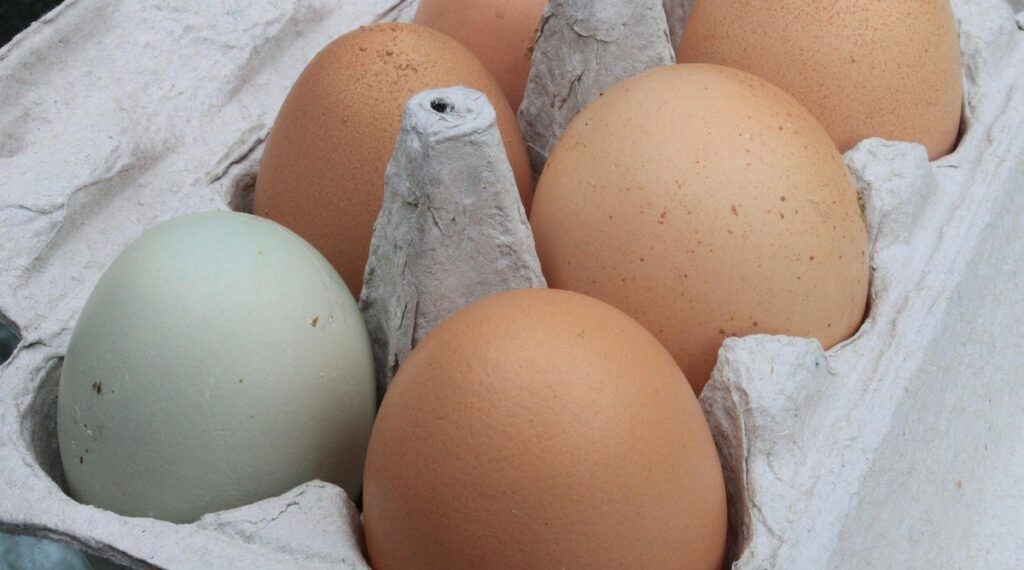
Rhode Island Reds are known for producing eggs with distinct colors that vary depending on individual characteristics and genetics. While brown is the most common eggshell color associated with this breed, white and blue eggs can also be produced.
A light to dark brown eggshell is typically a result of the interaction between the hen’s genetics and her diet. Hens with higher levels of pigment in their ovaries will produce darker brown eggs. For example, if you’re looking for eggs with a rich, earthy tone, you may want to consider feeding your Rhode Island Reds a balanced diet rich in dark leafy greens like kale or spinach.
White eggshell color is less common in Rhode Island Reds but can be seen in some birds. This occurs when the hen’s genetics produce little to no pigment, resulting in a clean white shell. On the other hand, blue eggs are relatively rare and only appear if the hen inherits specific genetic traits that allow her to produce this unique color.
It is essential for backyard chicken owners to recognize these differences as they can be indicative of the health and nutrition of their flock.
Factors Influencing Egg Color Variations
The color of a Rhode Island Red egg is not just a result of genetics, but also influenced by various factors. Nutrition plays a significant role in determining the intensity and shade of the eggshell color. A diet rich in calcium, phosphorus, and other essential minerals supports strong bone growth and development, which can contribute to more vibrant egg colors.
Genetics, however, remains the primary factor determining eggshell color. The interaction between the hen’s genetic makeup and environmental factors like nutrition influences the final result. For example, a Rhode Island Red hen with a high concentration of porphyrins, a pigment responsible for red-brown colors, will likely produce darker eggs than one with lower concentrations.
Environmental conditions can also impact eggshell color. Exposure to sunlight, particularly during breeding or hatching seasons, may cause eggs to become lighter in shade due to increased melanin breakdown. Additionally, extreme temperatures and humidity levels can affect the health and nutritional balance of the hen, potentially influencing egg color.
To maximize the chances of getting your desired egg colors, consider providing a balanced diet rich in essential minerals and vitamins, maintaining optimal environmental conditions, and ensuring proper genetic diversity among your flock. This combination will help you achieve the vibrant, consistent eggshell colors you’re aiming for with your Rhode Island Red hens.
Creating an Accurate Rhode Island Red Egg Colors Chart
To create a reliable Rhode Island Red egg colors chart, you’ll need to consider various factors that influence eggshell coloration, including breed genetics and environmental conditions.
Essential Criteria for a Reliable Chart
When creating an accurate Rhode Island Red egg colors chart, it’s essential to consider the data sources and methodology used. A reliable chart is built on trustworthy information, which starts with credible sources.
Look for charts that cite reputable studies or surveys from organizations like the American Poultry Association (APA) or the United States Department of Agriculture (USDA). These institutions have extensive knowledge and experience in poultry research, providing a solid foundation for your egg color chart. Additionally, consider using data from multiple sources to ensure accuracy and avoid biases.
The methodology used to gather data is equally important. A transparent and consistent approach will help you create a chart that’s easy to understand and rely on. For instance, if the data is collected through surveys or observations, it’s crucial to note the sample size, survey duration, and any specific conditions under which the data was gathered. This information helps you assess the reliability of the chart and make informed decisions based on your findings.
Examples of Existing Charts and Their Limitations
While there are existing charts and resources available that attempt to categorize Rhode Island Red egg colors, they often have limitations. For instance, some charts may group eggshell colors too broadly, failing to account for subtle variations within a given category. The “Eggshell Color Chart” by the American Bantam Association is one such example, which lists six main categories: red, reddish-brown, dark brown, light brown, white, and blue.
However, upon closer inspection, it becomes apparent that these categories can be somewhat subjective and may not accurately reflect the true diversity of Rhode Island Red egg colors. For instance, an egg that is classified as “reddish-brown” on this chart might appear more like a deep crimson or a muted terracotta to the untrained eye.
Moreover, some charts neglect to consider factors such as lightness or darkness, resulting in eggs being incorrectly placed within a category. By taking a closer look at these existing resources and their limitations, we can better understand what is missing from our own chart and create a more comprehensive guide to Rhode Island Red egg colors.
Building Your Own Rhode Island Red Egg Colors Chart
To create a personalized egg colors chart, you’ll need to understand the various factors that influence the shades of your Rhode Island Red eggs. Let’s break it down step by step.
Gathering Data from Breeder Associations and Hatcheries
To create an accurate Rhode Island Red egg colors chart, gathering data from reputable breeder associations and hatcheries is essential. Reach out to these organizations via phone, email, or through their websites. Prepare a list of questions beforehand, such as the breed’s recognized colors, rare colors, and any known genetic variations.
Some notable breeder associations include the American Bantam Association (ABA) and the American Poultry Association (APA). These organizations can provide insight into the official recognized colors for Rhode Island Reds. The APA has a comprehensive list of breeds, including their standard colors and characteristics.
When collecting data from hatcheries, look for ones that specialize in purebred poultry or have extensive experience with Rhode Island Reds. Ask about their breeding programs, egg-laying abilities, and any known genetic traits that might influence egg coloration. Keep detailed notes on the information provided by each breeder or hatchery to ensure accuracy when creating your chart.
Additionally, look for data from reputable breeders who participate in poultry shows and have extensive knowledge of the breed’s characteristics. This can help identify rare colors or unique patterns not found in standard egg-laying hens.
Using Online Resources and Research Studies
When it comes to creating an accurate Rhode Island Red egg colors chart, there are numerous online resources and research studies that can aid in the process. One of the most valuable tools is the American Bantam Association’s (ABA) Egg Color Chart, which provides a comprehensive guide to the various shades and combinations found in Rhode Island Reds.
The ABA’s chart is based on extensive research and data collection from breeders across the country, making it an invaluable resource for anyone creating their own egg color chart. Additionally, you can utilize online forums, such as BackYard Chickens or Chicken Forum, where experienced breeders share their knowledge and experiences with specific breeds.
Researchers have also conducted studies on the genetics behind eggshell coloration in Rhode Island Reds, which can be found through academic databases like Google Scholar or PubMed. For example, a study published in 2017 identified several genes responsible for the production of certain pigment variations in eggs. By consulting these resources and staying up-to-date with the latest research, you’ll be well-equipped to create an accurate and comprehensive Rhode Island Red egg colors chart.
Tips for Interpreting the Rhode Island Red Egg Colors Chart
As you navigate the Rhode Island Red Egg Colors Chart, keep these simple tips in mind: pay attention to subtle variations and look for consistent patterns.
How to Choose the Right Color Variation
When selecting eggs from your Rhode Island Red flock, it’s essential to choose the color variation that best suits your personal preferences and needs. If you’re looking for a breed with consistent egg-laying habits, consider the dark brown eggs of the darker varieties. On the other hand, if you want your eggs to stand out on the grocery store shelf or at your local farmers’ market, lighter-colored eggs may be more appealing.
Consider the color intensity and its relation to egg nutrition. Darker eggs tend to have higher levels of iron and antioxidants compared to their lighter counterparts. Conversely, lighter eggs often contain less saturated fat and calories. When evaluating these trade-offs, think about your priorities: do you want a breed that lays nutrient-rich eggs or one with more visually appealing colors?
Ultimately, the choice between dark brown, light brown, pale cream, pinkish-brown, and blue-green eggs comes down to personal taste. If you’re unsure which color variation suits you best, consider keeping multiple Rhode Island Red hens for cross-breeding. This approach can yield a diverse range of egg colors and allow you to experiment with different options.
Factors to Consider When Selecting a Hatchery or Breeder
When selecting a reputable hatchery or breeder for Rhode Island Reds, it’s essential to consider several key factors. First and foremost, research their reputation and experience with the breed. Look for reviews, testimonials, and ratings from other customers to get an idea of their reliability and quality. Check if they have any certifications or affiliations with poultry associations, such as the American Poultry Association (APA). This can be a good indicator of their commitment to raising healthy birds.
Another crucial aspect is their sanitation and biosecurity measures. A reputable hatchery or breeder should have strict protocols in place to prevent disease transmission and ensure the health of their flock. Ask about their vaccination and testing procedures, as well as their handling practices for eggs and chicks.
It’s also vital to inquire about their genetic diversity and selection process. Rhode Island Reds are a popular breed, and some hatcheries or breeders may prioritize quantity over quality. Make sure they use reputable parent stock and have a transparent selection process in place. This will help ensure you receive healthy, high-quality birds that meet your expectations.
Maintaining Your Rhode Island Red Flock’s Health and Productivity
To keep your flock thriving, it’s essential to maintain their health and productivity through proper care, nutrition, and management practices that cater specifically to their needs. This section will guide you on how to achieve optimal results.
Nutritional Requirements for Optimal Egg-Laying
To maintain optimal egg-laying and ensure the overall health of your Rhode Island Red flock, it’s essential to provide them with a balanced diet that meets their nutritional requirements. These birds are prolific layers, producing an average of 200-220 brown eggs per year. To support this level of production, they require a diet rich in protein, calcium, and other essential nutrients.
A high-quality layer feed should be the main staple of your flock’s diet, providing approximately 16-18% crude protein. You can also supplement with fresh fruits and vegetables to add variety and increase nutrient intake. Calcium is critical for eggshell production, so ensure that your birds have access to a calcium-rich source such as crushed oyster shells or dark leafy greens like kale.
To promote optimal health and egg production, it’s recommended to provide free-choice calcium supplements throughout the year. Aim to provide about 2-3% of their daily diet in calcium-rich feed or supplements. Additionally, ensure that your birds have access to clean water at all times, as hydration is essential for maintaining a healthy digestive system and promoting overall health.
Best Practices for Raising Healthy Rhode Island Reds
When it comes to maintaining the health and productivity of your Rhode Island Red flock, providing optimal care is crucial. A happy and healthy flock will not only thrive but also produce eggs consistently. To achieve this, it’s essential to consider three key areas: housing, feeding, and breeding.
Start by ensuring that your flock has a spacious, well-ventilated coop with adequate perches for roosting. Rhode Island Reds are large birds, so they need room to move around comfortably. Aim for at least 5 square feet of space per bird inside the coop, and double this amount in the run area. Provide enough nesting boxes to accommodate your hens’ needs, ideally one box per three to four birds.
When it comes to feeding, offer a balanced diet rich in protein, calcium, and essential vitamins. A high-quality layer feed should be the main staple of their diet. You can also supplement with fresh fruits and vegetables, but avoid overfeeding as this can lead to obesity and other health issues. When breeding your Rhode Island Reds, choose pairs that are healthy, well-matched, and have a good temperament.
By following these best practices, you’ll set your flock up for success and enjoy a steady supply of eggs from your happy, healthy hens. Regularly inspect their living conditions, adjust as needed, and prioritize preventative care to avoid costly veterinary bills down the line. With proper care and attention, your Rhode Island Red flock will thrive and reward you with delicious eggs year-round.
Frequently Asked Questions
Can I use the egg colors chart for other chicken breeds?
Yes, while this article focuses on Rhode Island Reds, the principles outlined can be applied to understanding and creating charts for other breeds as well. However, keep in mind that each breed has its unique characteristics, and you may need to gather specific data from breeder associations or research studies to create an accurate chart.
How often should I update my egg colors chart?
It’s essential to regularly review and update your chart as your flock grows or changes over time. This will help ensure accuracy and allow you to identify any patterns or variations in egg color that may indicate a change in your birds’ health or nutritional status.
What factors are most important when selecting a hatchery or breeder for my Rhode Island Red flock?
When choosing a reputable hatchery or breeder, look for ones with a strong reputation for producing high-quality eggs and chicks. Research their breeding programs, read reviews from other customers, and ensure they provide health guarantees and clear documentation of egg color variations.
How can I use the egg colors chart to identify potential health issues in my flock?
By monitoring your birds’ egg-laying patterns and comparing them to the expected averages for Rhode Island Reds, you may be able to identify early signs of health problems or nutritional deficiencies. Keep an eye out for significant deviations from normal ranges or unexpected color variations.
Can I use digital tools or software to create and manage my egg colors chart?
Yes, there are many digital tools available that can help you track and analyze your flock’s performance. Consider using spreadsheets, graphing software, or specialized poultry management apps to make it easier to collect and interpret data from your chart.