
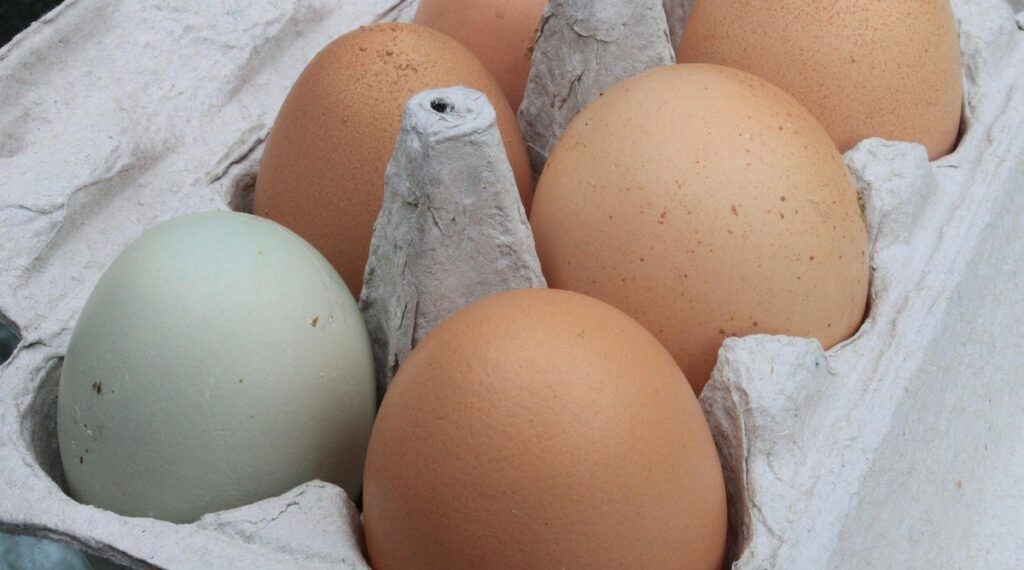
If you’re raising Rhode Island Reds for eggs, you’ve probably noticed that their eggs come in a wide range of brown hues. From pale light browns to rich dark chocolatey tones, each egg is unique and fascinating in its own way. But have you ever wondered what influences these varying shades? The answer lies in the complex interplay between genetics, nutrition, and breed characteristics.
In this article, we’ll delve into the world of Rhode Island Red eggs, exploring the factors that contribute to their diverse color palette. We’ll examine how diet, health, and individual bird traits all play a role in determining the final egg color. By understanding these influences, you can better care for your flock and appreciate the incredible diversity within this beloved breed. Whether you’re an experienced breeder or just starting out, get ready to discover the amazing world of Rhode Island Red eggs!
Understanding the Rhode Island Red Breed
Let’s dive into the fascinating history and characteristics of the Rhode Island Red breed, which is known for its rich brown eggs. This iconic breed has been a favorite among chicken enthusiasts for centuries.
Origin and History of the Breed
The Rhode Island Red breed has a rich history that dates back to the mid-19th century. Originally developed in Little Compton, Rhode Island, USA, this breed was created by crossing various breeds, including the Cochin and Malay, with the goal of producing a chicken that was both hardy and prolific.
By the late 1800s, the Rhode Island Red had become a popular choice among farmers due to its excellent egg-laying abilities. It’s said that one Rhode Island Red can produce up to 200 brown eggs per year! This impressive feat made it an instant favorite among backyard chicken keepers who were looking for a reliable and efficient layer.
As time passed, the breed’s popularity continued to grow, and by the early 20th century, it had become one of the most sought-after breeds in the United States. Today, the Rhode Island Red is still a beloved choice among chicken enthusiasts due to its gentle nature, high egg production, and rich history.
Key Characteristics of the Breed
The Rhode Island Red breed is renowned for its distinct physical characteristics, exceptional temperament, and impressive egg-laying abilities. One of the most noticeable features of this breed is their striking red plumage, which can range from a deep crimson to a golden brown hue. Males typically weigh between 9-11 pounds and stand at approximately 18-20 inches tall, while females are slightly smaller.
In terms of temperament, Rhode Island Reds are known for being friendly, outgoing, and social birds. They make excellent additions to backyard flocks and can thrive in a variety of environments, from small backyards to larger farms. Their gentle nature makes them an ideal choice for families with children or for those who want to keep a low-maintenance flock.
When it comes to egg-laying, Rhode Island Reds are prolific producers, laying an average of 200-220 brown eggs per year. They are also relatively hardy and can tolerate extreme temperatures and weather conditions. With proper care and nutrition, these birds can live for up to 8 years or more.
Egg Colour Variations in Rhode Island Reds
Rhode Island Red eggs can come in a variety of colours, but did you know that some breeds within this group have distinct colour ranges? Let’s explore these differences together.
Brown Eggs: The Most Common Shade
Brown eggs are indeed the most common shade produced by Rhode Island Reds, and their color intensity can vary due to several factors. The level of pigmentation is influenced by the bird’s genetics, age, diet, and living conditions. For instance, a hen that has been fed a diet rich in carotenoids will likely produce eggs with a deeper orange-brown hue.
Another key factor affecting egg color is the bird’s age. As Rhode Island Reds mature, their egg yolks become more intense, resulting in darker brown eggs. Additionally, stress and health issues can cause a decrease in egg production or alter the color of the eggshell.
Interestingly, some breeders have reported that hens raised on pasture tend to produce eggs with a more vibrant brown color due to their increased access to forage and sunlight. While it’s not possible to predict the exact shade of an individual hen’s eggs, understanding these factors can help you provide your Rhode Island Reds with optimal living conditions to bring out their full egg-laying potential.
Dark Brown to Marbled Eggs: Shades and Patterns
While many Rhode Island Red flocks lay eggs with classic brown hues, some unique variations can be found in their egg colour range. If you’re lucky enough to have a flock with this genetic diversity, you might stumble upon darker shades of brown or even marbled patterns.
Dark chocolate-brown eggs are a result of the interaction between different genes that control pigmentation. These eggs tend to be more uniform in their dark hue, almost resembling fine-quality dark chocolate. To spot these eggs, look for flocks with a higher percentage of Marans or Barnevelder influence, as these breeds can contribute to this unique trait.
Marbled patterns, on the other hand, are caused by a different combination of genetic factors. These eggs often display swirling brown and white streaks, creating an intriguing marbled effect. To encourage marbled eggs in your flock, try cross-breeding with breeds known for their mottled plumage, such as the Sussex or Orpington.
Keep in mind that these less common shades are relatively rare, so don’t be discouraged if you’re not lucky enough to find them in your own flock.
Factors Influencing Egg Colour
The colour of Rhode Island Red eggs can be influenced by a variety of factors, including genetics and environmental conditions. Let’s explore these influences in more detail.
Genetics: The Primary Role in Determining Egg Colour
Genetics plays a significant role in determining the egg colour of Rhode Island Reds. This breed’s egg colour is primarily influenced by two types of traits: dominant and recessive. Dominant traits will always be expressed if an individual has one copy of the gene, whereas recessive traits require two copies to be expressed.
In Rhode Island Reds, the dominant gene for brown eggs is denoted as ‘B’, while the recessive gene for white eggs is represented by ‘b’. The interaction between these genes determines the egg colour. For instance, if an individual has the genotype ‘BB’ or ‘Bb’, they will lay brown eggs due to the dominance of the ‘B’ gene. However, if they have the genotype ‘bb’, they will lay white eggs.
Understanding the genetic makeup of your Rhode Island Red flock is essential for predicting egg colour. Breeders can use this knowledge to select individuals that meet their desired egg colour requirements. Additionally, knowing the dominant and recessive traits in your flock will help you make informed decisions when introducing new birds or selecting breeding stock.
Nutrition and Diet: Impact on Egg Yolk Colour
A chicken’s diet plays a significant role in determining the colour of their eggs, particularly the yolk. A nutrient-rich diet that includes essential vitamins and minerals is crucial for producing high-quality eggs with vibrant colours.
A study conducted by the University of Georgia found that laying hens fed a diet rich in omega-3 fatty acids produced eggs with deeper orange yolks compared to those on standard feed. This is because the omega-3s promote the deposition of xanthophylls, pigments responsible for egg yolk colouration.
In addition to omega-3s, dietary sources of carotenoids such as lutein and zeaxanthin also contribute to enhanced yolk colours. Dark leafy greens like kale and spinach are rich in these pigments and can be added to a chicken’s feed to promote deep orange yolks.
Rhode Island Red chickens, known for their rich egg-laying abilities, thrive on diets that incorporate these nutrient-dense ingredients. To replicate this at home, consider supplementing your flock’s feed with flaxseed or adding dark leafy greens to their diet.
Breed Variations with Different Egg Colours
The Rhode Island Red is a popular breed, but did you know that some varieties produce eggs in different colors? In this section, we’ll explore the unique egg colour variations found within the breed.
White-Rumped or White-Sported Rhode Island Reds
One of the most distinctive and sought-after variations of the Rhode Island Red breed is the White-Rumped or White-Sported. These birds are bred to have white feathers on their rumps or with small white spots scattered across their bodies, which can sometimes result in lighter eggshell colours.
The genetics behind this variation are complex, but it’s primarily influenced by a specific gene that controls the expression of melanin. This gene is responsible for the distribution of pigment in the bird’s feathers and beak. When this gene is expressed differently, it can lead to the characteristic white markings on their rumps or bodies.
If you’re interested in breeding White-Rumped or White-Sported Rhode Island Reds, look for birds with a high percentage of white on their tails and a more pale overall appearance. Keep in mind that these variations may be less fertile than standard Rhode Island Reds due to the genetic complexity involved. With careful selection and breeding practices, however, you can produce stunning offspring with beautiful markings and lighter eggshell colours.
Black-Acre or Dark-Backed Rhode Island Reds
The Black-Acre or Dark-Backed Rhode Island Reds are sub-breeds of the renowned Rhode Island Red chicken. These birds have been bred to emphasize their dark plumage and, as a result, they produce eggs with a more intense brown hue. The impact on egg color is significant, with some breeders reporting eggs that range from a deep chocolate brown to nearly black.
Interestingly, the genetic makeup of these sub-breeds can also affect the texture and size of the eggs. Dark-Backed Rhode Island Reds tend to lay slightly larger eggs than their lighter counterparts, which may be an attractive trait for backyard chicken keepers looking to maximize egg production.
If you’re considering adding a Black-Acre or Dark-Backed Rhode Island Red to your flock, it’s essential to research and understand the specific needs of these birds. They require more space and exercise due to their larger size, so be sure to provide adequate housing and foraging opportunities. By understanding and accommodating their unique characteristics, you can enjoy a steady supply of beautiful, dark-colored eggs from your Rhode Island Red hens.
Caring for Your Rhode Island Red Flock
To keep your flock happy and healthy, it’s essential to understand their specific needs, including nutrition, exercise, and regular veterinary check-ups. Providing these basics will ensure your Rhode Island Reds thrive.
Tips for Optimizing Egg Colour
To promote healthy egg-laying and optimal egg colour, it’s essential to focus on providing your Rhode Island Red flock with a balanced diet. Ensure they have access to fresh water and high-quality layer feed that contains adequate amounts of protein, calcium, and other essential nutrients. A diet rich in omega-3 fatty acids can also enhance the colour intensity of their eggs.
Breeding plays a significant role in determining egg colour. Selecting hens with desirable traits such as intense red or dark brown egg yolks will increase the likelihood of producing eggs with optimal colour. Genetic diversity within your flock is also crucial, as it allows for natural selection and adaptation to environmental conditions.
Effective management practices can also contribute to healthy egg-laying and optimal egg colour. Regular health checks, vaccination programs, and parasite control measures are essential in maintaining a disease-free environment that promotes optimal fertility and egg production.
Monitoring Flock Health for Improved Egg Quality
Monitoring flock health is crucial for maintaining high-quality eggs. It’s not just about keeping your birds healthy; it also impacts egg production characteristics like size, color, and shell strength. A balanced and nutritious diet, along with access to clean water, plays a significant role in determining the overall health of your Rhode Island Red flock.
Regular health checks can help identify any potential issues early on. Look out for signs such as changes in droppings, labored breathing, or unusual behaviors. Keep track of egg production rates and monitor for any sudden drops, which could indicate illness or stress. Maintaining a clean coop with adequate ventilation is also vital to prevent the spread of disease.
To ensure your flock’s overall health, ensure they have access to calcium-rich feed, as it directly affects eggshell quality. A well-balanced diet should include fruits and vegetables in moderation. Consider incorporating supplements like oyster shells or crushed eggs for an extra boost of calcium. Regularly collecting eggs from the nesting boxes will also help prevent pecking order issues within the flock.
Frequently Asked Questions
Can I expect my Rhode Island Red eggs to be the same color throughout their laying cycle?
Yes, while it’s true that Rhode Island Reds are known for their varied egg colors, individual birds can have a consistent egg-laying pattern. Factors such as diet and genetics play a role in determining egg color, but some hens may produce eggs with similar shades throughout their reproductive years.
How do I know if my flock is getting the right nutrients to optimize egg color?
A well-balanced diet rich in omega-3 fatty acids, calcium, and vitamins A and E can positively impact egg yolk color. Consider consulting a poultry nutritionist or adjusting your feed according to your flock’s age, health, and breed characteristics.
What if I notice some eggs with unusual colors or patterns? Should I be concerned?
While rare or unusual egg colors may indicate underlying health issues, they can also be a natural occurrence within the Rhode Island Red breed. Monitor your flock’s overall health and adjust their diet as needed to ensure optimal egg production and quality.
Can I crossbreed different breeds to create Rhode Island Reds with specific egg color traits?
While it’s possible to experiment with crossbreeding, introducing new genetics can be unpredictable. Focus on developing a strong understanding of the breed characteristics and genetic influences on egg color before attempting to create your own hybrid breeds.
How often should I collect and examine eggs for signs of health issues or poor quality?
Regular egg collection and inspection can help you identify any potential health concerns within your flock. Set aside time each week to review egg-laying patterns, inspect eggs for cleanliness and quality, and address any issues promptly to maintain a healthy and thriving Rhode Island Red flock.