
Are you an egg enthusiast or simply curious about the fascinating world of Rhode Island Red chickens? If so, you’re in for a treat. These beloved birds are renowned not only for their stunning plumage but also for producing some of the most sought-after eggs out there – and we’re talking specifically about the color of those eggs. But have you ever wondered why Rhode Island Reds lay brown eggs? The answer lies in the unique combination of genetics, nutrition, and environmental factors that come together to create these beautiful, brown orbs.
In this article, we’ll dive into the science behind Rhode Island Red egg production, exploring how to optimize nutrition, maintain a healthy flock, and ensure optimal egg production. By the end of it, you’ll be equipped with the knowledge to care for your own flock and reap the rewards of fresh, delicious eggs right from your backyard.
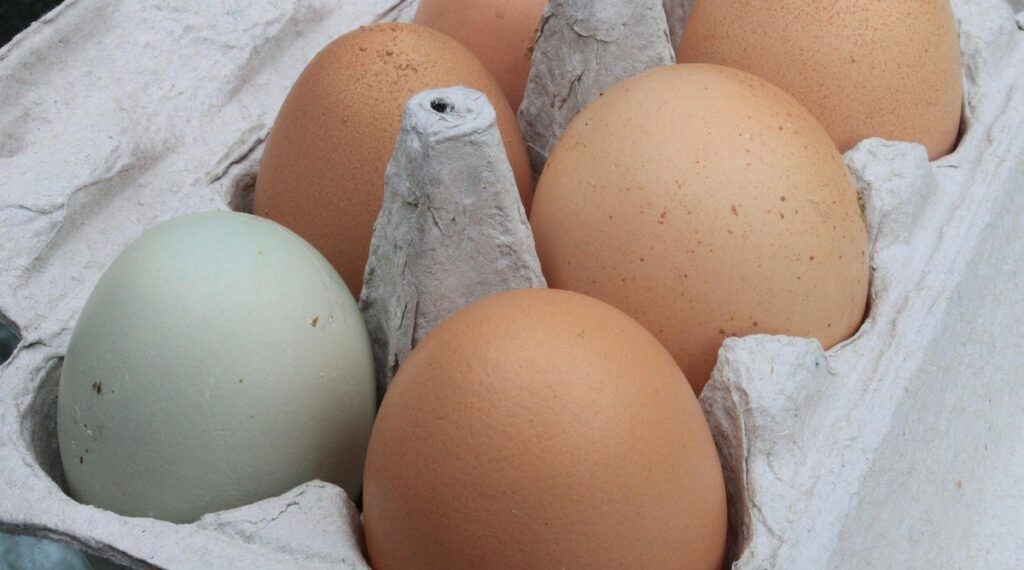
Understanding Rhode Island Red Chickens
Let’s dive into the fascinating world of Rhode Island Reds and explore what makes their eggs such a vibrant delight to behold. You’ll learn the secrets behind their stunning color palette.
Origin and History of Rhode Island Reds
Rhode Island Red chickens have a rich history that dates back to the 19th century. Their origins can be traced back to the New England region of the United States, where they were first bred for their hardiness and egg-laying abilities. The breed was developed by crossing various strains of fowl, including the Cochin, Malay, and Java chickens.
By the mid-1800s, Rhode Island Red chickens had gained popularity among farmers due to their exceptional egg production. They could lay up to 200 large brown eggs per year, which made them a valuable asset for small-scale farms. As their reputation grew, so did their demand. By the early 20th century, Rhode Island Reds had become one of the most widely kept chicken breeds in the United States.
The breed’s popularity can be attributed to its hardiness and adaptability. They are well-suited to a variety of environments and climates, making them an ideal choice for backyard farmers and small-scale producers. Today, Rhode Island Red chickens continue to be a popular choice among poultry enthusiasts due to their rich history and exceptional egg-laying abilities.
Characteristics of Rhode Island Red Roosters
Rhode Island Red roosters are an essential part of the breed’s charm and character. When it comes to their physical characteristics, these majestic males stand out with their striking appearance.
Firstly, let’s talk about plumage. Rhode Island Red roosters have a rich, deep red coloration that covers most of their body. However, they often sport a slightly darker, almost maroon hue on the wings and tail feathers. This unique combination gives them an attractive and eye-catching look.
In terms of size, Rhode Island Red roosters can grow quite large, with some individuals reaching up to 28 inches in height. Their robust build and impressive stature make them a commanding presence in any backyard flock.
One notable aspect of their temperament is their confidence and boldness. These roosters are known for strutting around the farmyard with pride, proclaiming their dominance and asserting their position within the pecking order. While this can be intimidating at times, it’s essential to recognize that their assertiveness stems from a strong sense of self-preservation.
As you consider raising Rhode Island Red chickens, remember that understanding these characteristics will help you make informed decisions about your flock’s management and welfare.
Temperament and Personality Traits
Rhode Island Red chickens are known for their exceptional temperament and personality traits, making them an ideal choice as backyard pets or farm animals. These birds are renowned for being friendly, docile, and relatively quiet, which is a significant advantage for families with small children or for those who live in close proximity to neighbors.
One of the most notable characteristics of Rhode Island Reds is their affectionate nature. They thrive on human interaction and love to be around people, often seeking attention and treats from their owners. This trait makes them an excellent choice for families who want a pet that will engage with their children and provide companionship. In fact, many backyard chicken keepers report that their Rhode Island Reds become like part of the family, following them around the yard and enjoying treats.
If you’re considering bringing Rhode Island Reds into your flock, it’s essential to remember that they are social birds that require attention and interaction to stay happy and healthy. Provide them with regular exercise, a balanced diet, and plenty of space to roam, and you’ll be rewarded with a loyal and loving companion that will provide you with a bounty of colorful eggs for years to come.
Their gentle nature also makes them an excellent choice for first-time chicken keepers or those who are new to backyard poultry. With proper care and attention, Rhode Island Reds can become a treasured member of your family, providing endless hours of entertainment and joy.
The Egg-Laying Process: How Rhode Island Reds Produce Colorful Eggs
Let’s take a closer look at how Rhode Island Reds lay those gorgeous eggs. We’ll break down the process of egg production in this breed, highlighting what makes their eggs so unique.
Anatomy of a Rhode Island Red Ovary
A Rhode Island Red chicken‘s ovary is responsible for producing eggs that are rich in color and nutrients. Located within the hen’s reproductive system, the ovary is a vital organ that plays a crucial role in egg-laying.
To understand how the ovary contributes to this process, let’s break it down: the ovaries contain follicles, which produce ova (eggs). As these eggs mature, they are released from the follicle and make their way through the oviduct. Here, they undergo a series of transformations that give them their characteristic shape, size, and color.
The unique pigmentation of Rhode Island Red eggs is due in part to the presence of porphyrins, which are deposited onto the eggshell as it passes through the oviduct. This process is influenced by genetics, with the breed’s genetic makeup determining the intensity and distribution of these pigments.
Understanding this intricate process can help you better appreciate the complexity and beauty of a Rhode Island Red’s egg-laying abilities.
Hormonal Regulation of Egg Production
In order for Rhode Island Red chickens to produce those beautiful, brown eggs, a complex hormonal regulation process is at play. This intricate dance of hormones ensures that egg production occurs smoothly and efficiently.
Estrogen, specifically 17-beta-estradiol, plays a crucial role in this process. It stimulates the growth and maturation of follicles in the hen’s ovaries, which eventually release an egg. As estrogen levels increase, it signals the pituitary gland to produce more FSH (Follicle-Stimulating Hormone), further stimulating follicular growth.
On the other hand, progesterone helps maintain the development of the ovarian follicles and prepares the uterus for ovulation. Its levels surge right before egg release, ensuring a smooth transition from follicular growth to ovulation.
In practical terms, this hormonal balance is crucial for optimal egg production. Breeders often focus on creating breeding stock with healthy hormone profiles to ensure consistent egg-laying capabilities. By understanding the role of estrogen and progesterone in Rhode Island Red chickens’ reproductive cycles, you can better appreciate the intricacies behind these gorgeous eggs.
Factors Affecting Egg Color
When it comes to the vibrant colors of Rhode Island Red eggs, several factors come into play. Genetics is one of the primary contributors to egg color. The breed’s unique genetic makeup influences the production of porphyrins, which are responsible for the eggshell’s pigmentation. This means that even if your Rhode Island Reds receive the same diet and environmental conditions, their eggs will still display distinct colors based on their inherited traits.
A chicken’s diet can also impact egg color to some extent. While it may not be as significant as genetics, a diet rich in certain nutrients like beta-carotene (a precursor to vitamin A) can enhance the eggshell’s natural pigmentation. For example, adding leafy greens or sweet potatoes to your flock’s feed can lead to more intense colors.
Environmental conditions also play a role in determining egg color. Factors such as temperature, humidity, and exposure to sunlight can all affect the intensity of porphyrin production. As a result, eggs laid during different seasons may exhibit varying shades of color due to these environmental influences.
Keep in mind that individual variations are common among Rhode Island Reds, even within the same flock. As an egg producer, understanding these factors will help you appreciate and anticipate the unique colors your hens produce.
The Science Behind Brown Eggshell Color
But what makes Rhode Island Red eggs brown? We’ll dive into the fascinating science behind their distinctive eggshell color, revealing the genetic and physiological factors at play.
Porphyrins and Melanin: The Pigments Responsible for Eggshell Color
When it comes to the distinctive brown color of Rhode Island Red eggs, two pigments play a crucial role: porphyrins and melanin. These molecules are responsible for absorbing certain wavelengths of light and reflecting others, resulting in the characteristic eggshell hue.
Porphyrins, specifically biliverdin and bilirubin, contribute to the red-brown coloration of Rhode Island Red eggs. These pigments are derived from hemoglobin, which is broken down during the process of shell formation. As a result, porphyrins become incorporated into the shell’s outer layer, imparting their reddish hue.
Melanin, on the other hand, adds depth and richness to the brown color. This pigment is produced by the chicken’s melanocytes and plays a key role in determining eggshell pigmentation. The interaction between porphyrins and melanin creates a unique combination of colors that distinguishes Rhode Island Red eggs from those of other breeds.
Understanding the chemical basis for brown eggshell color can be fascinating, especially for backyard chicken keepers who want to breed their own colored birds. By recognizing the role of these pigments, you’ll appreciate the intricate biology behind your flock’s colorful eggs.
How Eggshell Color is Determined
When it comes to the brown eggshell color of Rhode Island Red chickens, the final outcome is determined by a complex interplay between genetics and environmental factors. On one hand, genetic makeup plays a significant role in influencing the pigmentation of an eggshell. The genetics of the chicken breed dictate which genes are responsible for producing the various components necessary for creating brown pigment on the shell.
For instance, the interaction between two specific genes – OCA2 and TYRP1 – is crucial in determining the final color intensity of the eggshell. While genetic predisposition sets the stage, environmental factors also have a hand in shaping the final hue. Nutrition, particularly the intake of pigments such as lutein and zeaxanthin found in leafy greens, can influence eggshell production.
Moreover, factors like temperature, humidity, and light exposure during the laying process can cause subtle variations in eggshell color. It’s essential to understand that these environmental influences do not significantly impact the overall brown pigment of a Rhode Island Red egg but rather add nuanced shades and undertones to the final result.
Nutrition and Diet: The Impact on Rhode Island Red Egg Production and Color
When it comes to producing vibrant eggs, nutrition and diet play a significant role in influencing the color of your Rhode Island Reds’ ova. Let’s explore how proper feeding affects their eggshell pigmentation.
Macronutrients Essential for Eggshell Development
When it comes to producing those stunning eggs, Rhode Island Red chickens require a specific blend of macronutrients that are crucial for eggshell development. At the top of this list is calcium, an essential mineral that makes up about 95% of the eggshell’s composition. Chickens need a reliable source of calcium from their diet to produce strong and healthy shells.
Protein is another vital component, as it serves as the building block for the intricate structure of the eggshell. Rhodies require around 1-2 grams of protein per pound of feed daily, which can come from animal-based sources like meat and bone meal or plant-based sources such as soybean meal.
Energy, in the form of metabolizable energy (ME), is also essential to support the production process. A balanced diet that includes a mix of carbohydrates, fats, and proteins will help ensure your Rhodies have enough energy to produce those beautiful eggs.
To support eggshell development, provide your flock with oyster shells or crushed limestone as a calcium supplement, in addition to their regular feed. Also, make sure they have access to clean water at all times, as dehydration can affect calcium absorption.
Micronutrients Affecting Eggshell Quality and Color
When it comes to producing high-quality eggs with vibrant colors, Rhode Island Red chickens rely heavily on a balanced diet rich in micronutrients. Two essential groups of micronutrients that significantly impact eggshell quality and color are vitamins and minerals.
Vitamin A is particularly crucial for maintaining healthy eggshells and promoting optimal pigmentation. This vitamin helps regulate the production of melanin, responsible for the brown or red hues found in Rhode Island Red eggs. Adequate levels of vitamin A can be achieved through a diet rich in leafy greens, sweet potatoes, and carrots.
Minerals such as calcium, phosphorus, and potassium also play significant roles in eggshell development. Calcium is vital for building strong eggshells, while phosphorus helps regulate the formation of crystalline structures that give eggs their characteristic texture. Potassium aids in maintaining electrolyte balance, which ensures proper nutrient delivery to the reproductive system.
To optimize your Rhode Island Red flock’s diet and promote exceptional eggshell quality, ensure they have access to a well-balanced feed or supplement their regular diet with vitamin A-rich foods like leafy greens and sweet potatoes. Regular monitoring of mineral levels is also essential for maintaining optimal egg production and coloration.
Health Considerations: Factors Affecting Rhode Island Red Fertility and Egg Production
When it comes to raising healthy Rhode Island Reds, several key factors can impact their fertility and egg production, affecting your overall success as a backyard chicken keeper. Let’s explore these crucial health considerations together.
Common Health Issues Affecting Rhode Island Reds
Rhode Island Red hens are known for their remarkable fertility and egg-laying abilities. However, they can be prone to certain health issues that may impact their reproductive performance. One of the most common problems is ovarian cysts, which can cause abdominal pain, lethargy, and decreased egg production. Stress-related disorders such as Marek’s disease and heat stress are also prevalent in Rhode Island Reds.
Proper nutrition, regular exercise, and adequate ventilation in the coop can help mitigate these issues. A balanced diet that includes essential nutrients like calcium and protein is crucial for maintaining healthy ovaries and reproductive organs. Regular health checks by a veterinarian can also help identify potential problems early on.
In addition to these factors, breeders should be aware of common genetic disorders that may affect fertility in Rhode Island Reds. For example, the “broody” trait can cause hens to become excessively broody, leading to reduced egg production and increased energy expenditure. By understanding and addressing these health issues, breeders can help optimize their flock’s reproductive performance and ensure a steady supply of those beautiful, brown eggs.
Maintaining a Healthy Flock to Ensure Optimal Egg Production
Maintaining a healthy flock is crucial to ensure optimal egg production and minimize the risk of disease. A thriving flock means happy, productive hens laying eggs consistently throughout the year. To achieve this, provide your Rhode Island Red chickens with a balanced diet that includes high-quality layer feed, fresh fruits and vegetables, and access to clean water at all times.
Ensure they have adequate space to roam, exercise, and engage in natural behaviors like dust bathing and scratching. A good rule of thumb is to provide at least 2-3 square feet per bird inside the coop and 8-10 square feet per bird outside in the run. This will help reduce stress and prevent overcrowding.
Regular health checks are also essential. Monitor your flock regularly for signs of illness or disease, such as changes in appetite, droopy wings, or unusual behavior. Keep a record of vaccinations, parasite control measures, and other health interventions to ensure your hens receive the necessary care. By following these guidelines, you’ll be well on your way to maintaining a healthy flock that will reward you with an abundance of delicious eggs all year round.
Frequently Asked Questions
What are the ideal living conditions for Rhode Island Red chickens to produce brown eggs?
To optimize egg production, ensure your flock has access to a balanced diet, clean water, and sufficient space (about 4-5 square feet per bird) with adequate ventilation. Provide a nutrient-rich feed specifically formulated for laying hens, and supplement their diet with calcium, oyster shells, or dark leafy greens to support strong eggshell development.
Can I keep Rhode Island Reds in small backyard flocks?
Yes, Rhode Island Reds are an excellent choice for small backyards due to their hardiness and friendly nature. However, ensure you provide enough space for each bird (about 2-3 square feet per hen) and maintain a balanced flock with a mix of ages and personalities to promote social harmony.
How can I determine if my Rhode Island Reds are receiving the right amount of nutrients?
Regularly inspect your hens’ droppings, egg production, and overall health. A healthy diet should result in firm, brown droppings and regular egg-laying (about 280-300 eggs per year). Monitor their feed consumption and adjust as needed to ensure they’re getting enough calcium, protein, and other essential nutrients.
What are some common health issues that affect Rhode Island Red flocks?
Keep an eye out for respiratory problems, mites, lice, and internal parasites. Regularly clean coops, dust with diatomaceous earth, and provide a balanced diet can help prevent these issues. Monitor your flock’s overall health, and consult a veterinarian if you notice any signs of illness or stress.
How long does it take for Rhode Island Red chickens to start laying eggs?
Rhode Island Reds typically begin laying eggs at around 18-20 weeks of age. Ensure they’re receiving a balanced diet and sufficient nutrients during this critical growth period to support optimal egg production and color development.