
If you’re looking to add some new life to your backyard flock, consider introducing Rhode Island Red hens into the mix. These stunning birds have been a favorite among farmers and homesteaders for over a century, and it’s easy to see why. Not only are they incredibly productive layers, producing rich brown eggs with regularity, but they’re also friendly, hardy, and relatively low maintenance.
If you’re new to raising chickens, or just looking to improve your existing flock’s health and happiness, this comprehensive guide is for you. We’ll cover the fascinating history of these iconic birds, as well as expert advice on providing the best possible care, from nutrition and health to breeding and showing. Whether you’re a seasoned pro or just starting out, our Rhode Island Red hen guide will give you all the tools you need to raise happy, thriving hens that bring joy and eggs to your life.
History and Origin
The Rhode Island Red hen has a rich history that dates back to 1840s New England, where it was first bred for its distinctive appearance and exceptional egg-laying abilities. Let’s dive into how this breed came to be!
The Breeding of the First Rhode Island Reds
The creation of the Rhode Island Red breed is an fascinating story that spans several decades and involves the contributions of many poultry enthusiasts. In the mid-19th century, farmers in New England began experimenting with crossing various breeds to produce a hardy, egg-laying hen that could thrive in the region’s climate.
One such farmer was William Tripp, who in 1844 developed a strain of bird known as the “Red Cap,” which would eventually become the foundation for the Rhode Island Red breed. By selectively breeding these birds with other strains, including the Cochin and the Langshan, Tripp created a robust and prolific layer that quickly gained popularity among local farmers.
As the breed’s reputation grew, it caught the attention of poultry enthusiasts across the country, who sought to develop their own versions using similar breeding techniques. The resulting Rhode Island Red was officially recognized as a distinct breed in 1894 by the American Poultry Association, marking its entry into the world of mainstream poultry keeping.
Early Characteristics and Traits
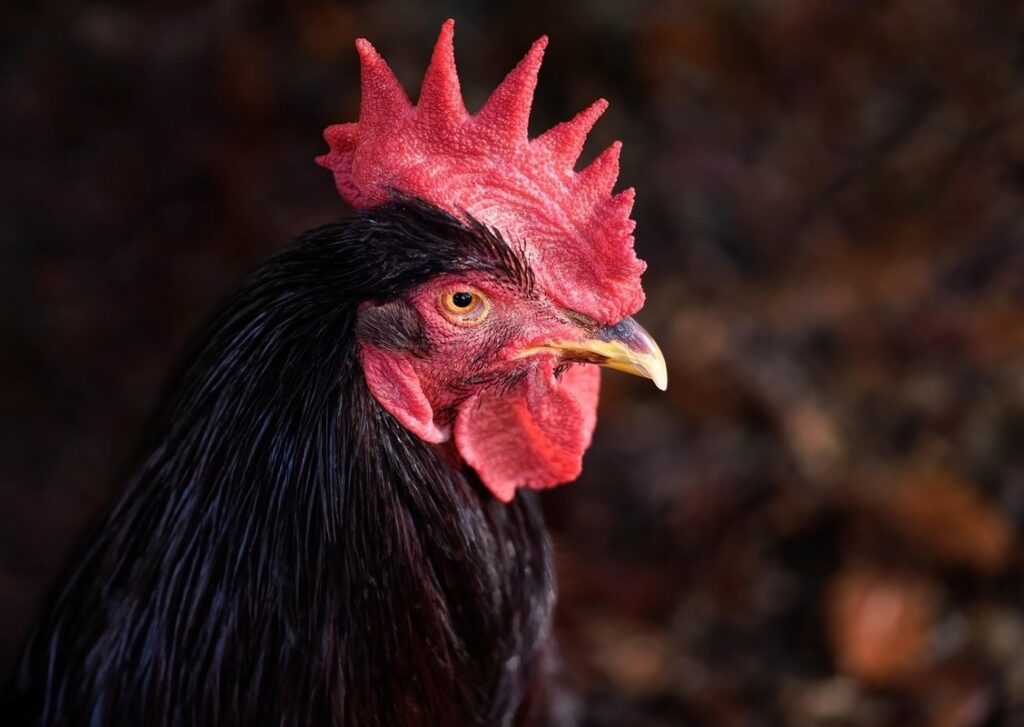
The Rhode Island Red is easily recognizable due to its striking appearance. One of the breed’s most distinctive characteristics is its rich, reddish-brown plumage. The feathers have a glossy sheen, and the coloration becomes even more vibrant as the bird matures. This beautiful coat pattern is a result of the unique genetics that have been selectively bred over centuries.
In addition to their stunning appearance, Rhode Island Reds are also known for their friendly and docile nature. They are often described as having a calm temperament, making them an excellent choice for families with children or for backyard flocks. However, it’s worth noting that like any chicken breed, they can be wary of strangers at first and may require some time to warm up to new faces.
When choosing Rhode Island Reds, look for birds with even coloration and a sturdy build. Avoid hens with uneven plumage or other signs of poor health. With proper care and attention, these gentle girls will reward you with rich eggs and endearing personalities.
Care and Management
To keep your Rhode Island Red hens happy and healthy, it’s essential to understand their specific care needs. This section will guide you through feeding, housing, and health management tips.
Housing and Roosting Requirements
When it comes to providing suitable housing for your Rhode Island Reds, there are several key factors to consider. First and foremost, ensure that the coop is well-ventilated. This can be achieved through proper installation of a ventilation system, which should allow for airflow exchange between the inside and outside environments. A general rule of thumb is to provide one square foot of ventilation per hen.
In terms of roosting bars, it’s essential to provide multiple options for your hens to perch comfortably at night. Aim for a minimum of 2-3 inches of space per hen on the roosting bar, and consider installing multiple levels or bars to cater to different personalities and preferences. When it comes to nesting boxes, provide one box per three to four hens, and ensure they’re located in a quiet, dark area where your girls can lay their eggs undisturbed.
To avoid overheating, which can be detrimental to egg production and overall health, consider adding windows or skylights to allow natural light to filter in. Regular cleaning of the coop is also crucial, not only for hygiene but also to monitor your hens’ behavior and detect any potential issues early on.
Nutrition and Feeding Best Practices
When it comes to feeding Rhode Island Reds, understanding their dietary needs is crucial for maintaining their overall health and well-being. As a general rule, hens require a balanced diet that includes a mix of grains, proteins, and essential vitamins and minerals.
For Rhode Island Reds, a high-quality layer feed specifically formulated for chickens is recommended as the main staple. This type of feed should contain around 16-18% protein to support egg production and overall health. In addition to their regular feed, providing fresh vegetables and fruits can be beneficial in supplementing their diet with essential nutrients.
When it comes to treats, moderation is key. Avoid giving your hens high-sugar foods like chocolate or candy, as they can cause digestive issues. Instead, opt for healthy options like leafy greens, carrots, and apples. Always introduce new foods gradually to prevent any adverse reactions. Aim to provide around 10-15% of their daily calories from treats.
Establishing a regular feeding schedule is also important. For Rhode Island Reds, feeding twice a day is recommended – once in the morning and again in the afternoon. Ensure access to fresh water at all times to keep your hens hydrated.
Health Considerations
When it comes to raising Rhode Island Red hens, there are several health considerations you should be aware of to ensure your flock remains healthy and happy. This includes common health issues and preventative measures you can take.
Common Health Issues Affecting Rhode Island Reds
As a Rhode Island Red owner, it’s essential to be aware of the common health issues that can affect this breed. One of the most noticeable problems is broodiness, which causes hens to become overly focused on incubating eggs rather than laying them. This can lead to weight loss and decreased egg production. If you notice your hen exhibiting signs of broodiness, such as pacing, clucking, or attempting to sit on eggs, it’s crucial to intervene immediately.
Feather pecking is another significant issue that affects Rhode Island Reds. This behavior occurs when hens peck at each other’s feathers, causing irritation and stress. To prevent feather pecking, provide a balanced diet, ensure adequate space for exercise, and separate hens with any existing conflicts. Additionally, some Rhode Island Red hens may experience reproductive problems, such as egg-binding or prolapse. Regular health checks and providing a warm, dry nesting area can help minimize the risk of these issues. By being aware of these potential health concerns, you can take proactive steps to ensure your Rhode Island Reds stay happy and healthy.
Preventative Measures for Common Health Issues
When it comes to maintaining the health and well-being of your Rhode Island Red hens, preventative measures are key. Regular vaccinations can help protect against common illnesses such as Newcastle disease and Marek’s disease. Consult with a veterinarian to determine the best vaccination schedule for your flock.
Parasite control is also crucial in preventing health issues. Mites, lice, and fleas can all cause discomfort and stress for your hens. Use a gentle mite powder or spray on a regular basis to keep these pests at bay. Keep your coop clean and free of debris to reduce the risk of internal parasites.
Environmental enrichment is also essential in maintaining the health of your Rhode Island Red hens. Provide plenty of space for them to move around, dust bathe, and engage in natural behaviors. Add toys and perches to keep them stimulated and entertained. A happy and healthy hen is less likely to develop behavioral issues or stress-related problems.
Provide a balanced diet rich in nutrients and ensure access to fresh water at all times. Monitor your hens’ health closely and take prompt action if you notice any signs of illness or discomfort.
Breeding and Fertility
When it comes to breeding and raising healthy Rhode Island Red hens, understanding their fertility is crucial for success. This guide will walk you through the process of achieving optimal fertility in your flock.
Understanding Rhode Island Red Roosters’ Fertility
When it comes to breeding Rhode Island Reds, understanding the reproductive biology of these birds is crucial. However, fertility issues often arise with roosters, making it essential to know what factors affect their fertility.
Factors such as age, health, and genetics play a significant role in determining a rooster’s fertility. A healthy rooster typically begins showing signs of maturity around 4-6 months old, but optimal breeding performance is usually achieved between 1-2 years of age. Genetics also play a key role; some breeds are naturally more fertile than others.
A rooster’s health can significantly impact its fertility. Infections, parasites, and injuries can all affect sperm quality and motility. A balanced diet and regular exercise will ensure your rooster stays healthy. Environmental factors such as stress, humidity, and temperature fluctuations can also affect a rooster’s ability to breed.
It’s essential to monitor the reproductive health of your roosters regularly, checking for signs of infertility or decreased fertility such as reduced egg-laying by hens. Early detection and addressing any issues promptly will help maintain a healthy breeding program.
Strategies for Maximizing Broodiness and Hatching Success
As you strive to breed successful Rhode Island Red hens, understanding broodiness and hatching success is crucial. To maximize these factors, it’s essential to manage egg production effectively. This means providing a balanced diet rich in protein, calcium, and phosphorus, as well as ensuring access to clean water and adequate space for exercise.
When managing your flock, look for signs of impending broodiness, such as cessation of laying eggs or increased nesting behavior. At this stage, offer your hen a safe and quiet environment to incubate her eggs. A dedicated nesting box can help minimize disturbance from other birds.
To identify fertile eggs, gently pass them under a light source at the large end. The presence of a small spot or “eye” on the yolk indicates fertility. Monitor egg production closely, and separate your hens according to age and breed to prevent overcrowding, which can lead to stress and decreased fertility.
Show Preparation and Judging
Now that you’ve chosen a show-quality Rhode Island Red hen, it’s time to prepare her for the judging ring. This section covers key tips on handling, grooming, and exhibiting your bird to perfection.
Preparing Your Rhode Island Reds for Showing
When it’s time to show off your Rhode Island Reds’ best features, proper preparation is key. Start by focusing on their grooming needs. Regularly brush their feathers to prevent matting and tangling, especially around the vent area and under the wings. Use a soft-bristled brush or a slicker brush for this purpose.
Next, consider conditioning your birds’ feet, legs, and beaks. Trim any overgrown nails and clean the beak with a nail file to keep it in good condition. To achieve that sleek show look, gently massage some conditioner into their feathers, paying extra attention to areas prone to matting.
Training is another essential aspect of preparing your Rhode Island Reds for showing. Introduce them to handling early on, so they become comfortable with being picked up and examined. Acclimate them to wearing a halter and having their wings clipped if necessary.
It’s also crucial to get them accustomed to the show environment by practicing in a quiet area before the actual event.
Understanding the Judging Process and Standards
When entering a poultry show with your Rhode Island Reds, it’s essential to understand the judging process and standards. The American Bantam Association (ABA) and the American Poultry Association (APA) govern the judging criteria for these shows.
Judges evaluate hens based on their breed characteristics, including plumage, beak shape, comb size, and overall appearance. They also assess temperament, with a focus on calmness and docility. In addition to individual traits, judges consider the hen’s overall conformation, or how well its body parts fit together.
For Rhode Island Reds specifically, some key criteria for evaluation include:
* Rich, deep red plumage with minimal white feathers
* Well-developed comb and wattle
* Clean, neatly trimmed beak
* Balanced, well-proportioned body
To prepare your hens for judging, make sure to provide them with a nutritious diet, regular exercise, and proper care. Grooming is also crucial, as judges notice cleanliness and neatness in the feathers and beak. By paying attention to these details, you can increase your chances of success at poultry shows.
Conclusion
Now that you’ve learned all about Rhode Island Red Hens, let’s summarize what we’ve covered and look at how these amazing birds can be a great addition to your farm.
Recap of Key Points and Takeaways
As we conclude our comprehensive guide to Rhode Island Red hens, let’s take a moment to recap the key points and takeaways from each section. By now, you should have a solid understanding of what makes these birds so unique and valuable.
From the history section, you learned about the origins of the Rhode Island Red breed, which dates back to the 1840s in Little Compton, Rhode Island. You also discovered that this breed was developed specifically for its egg-laying abilities, with some hens producing up to 200 brown eggs per year. This is a testament to their hardiness and high productivity.
In terms of characteristics, you’ve probably already fallen in love with the friendly, curious nature of Rhode Island Reds. Their striking plumage, which ranges from golden-brown to dark red, makes them a stunning addition to any backyard flock. But beyond their appearance, these birds are also known for their impressive size and muscular build, making them well-suited to free-range living.
Practical considerations were also covered in our guide, including breed selection, housing, nutrition, and health care. You now know how to choose the right rooster or cockerel for your flock, as well as how to provide a safe and comfortable environment for your birds. We’ve also shared tips on how to keep your Rhode Island Reds healthy through regular vaccinations, parasite control, and good husbandry practices.
With this comprehensive guide, you should feel confident in your ability to raise happy, healthy Rhode Island Red hens of your own. By following the advice outlined here and taking into account the unique characteristics of these birds, you’ll be well on your way to enjoying the many rewards that come with raising these incredible animals.
Frequently Asked Questions
Can I mix Rhode Island Red hens with other breeds in my backyard flock?
When introducing new birds to your existing flock, it’s essential to consider their temperament, size, and egg-laying abilities. Rhode Island Reds are friendly and hardy, but they can be quite dominant, especially around smaller breeds. Start by observing the behavior of your current flock and choose complementary breeds that will get along harmoniously.
How often should I collect eggs from my Rhode Island Red hens?
As prolific layers, Rhode Island Reds produce an abundance of eggs, typically 200-220 per year. Collecting eggs regularly is crucial to maintain their egg-laying performance and prevent the buildup of droppings in the coop. A good rule of thumb is to check for eggs daily, ideally first thing in the morning.
What are some common health issues that affect Rhode Island Red hens?
Rhode Island Reds are generally a hardy breed, but they can be prone to certain health issues, including Marek’s disease, Coccidiosis, and respiratory problems. Regular veterinary check-ups, proper nutrition, and maintaining a clean living environment can help prevent these conditions. Consult with your veterinarian for specific guidance on keeping your flock healthy.
Can I keep Rhode Island Red roosters as pets or do they only serve as breed stock?
While Rhode Island Red roosters are magnificent birds, their primary purpose is to fertilize eggs and improve the breed’s genetic diversity. They can make excellent pets for experienced chicken owners who understand their needs and behavior. However, it’s essential to note that roosters can be quite loud and may not be suitable for small or urban spaces.
How do I prepare my Rhode Island Reds for showing at a poultry exhibition?
Preparing your Rhode Island Reds for showing requires attention to detail regarding their appearance, health, and handling. Make sure they are well-groomed, clean, and in optimal physical condition. Familiarize yourself with the specific breed standards and judging criteria to ensure you’re presenting your birds in the best possible light.