
If you’re one of the many backyard chicken enthusiasts with Rhode Island Red hens, you might be curious about the colors of their eggs. The Rhode Island Red is a popular breed known for its rich brown eggs, but have you ever wondered why some eggs are lighter or darker than others? As it turns out, eggshell color is influenced by both genetics and environmental factors. In this article, we’ll dive into the world of egg color charts and explore what affects the shades of your Rhode Island Red’s eggs. We’ll also share tips on how to promote healthy production and encourage consistent laying. By the end of this post, you’ll have a better understanding of why your hens’ eggs come in different colors – and how to get more consistent results.
Introduction to Rhode Island Red Hens
Meet the iconic Rhode Island Red hens, a breed known for their rich brown eggs and friendly demeanor, setting the stage for our comprehensive guide. Let’s dive in!
Breed History and Characteristics
The Rhode Island Red breed has been a staple in backyard flocks for over 150 years. Originating in Little Compton, Rhode Island, in the mid-1800s, this hardy and adaptable breed was developed to withstand the harsh New England climate.
One of the reasons for their enduring popularity is their impressive egg-laying abilities – an average of 200-220 brown eggs per year! This makes them a favorite among homesteaders, backyard farmers, and chicken enthusiasts alike. But what truly sets Rhode Island Reds apart from other breeds are their striking physical characteristics.
Their distinctive red-brown plumage, ranging in shade from deep mahogany to rich auburn, is often accompanied by subtle black or white markings on the wings, tail, and face. With their robust build, sturdy legs, and bright, curious eyes, it’s no wonder Rhode Island Reds are known for their friendly, outgoing personalities. Whether you’re raising them for eggs or simply for companionship, these beautiful birds are sure to delight.
Importance of Egg Color in Chicken Breeds
When it comes to choosing the perfect chicken breed for your backyard flock, there are many factors to consider. But have you ever stopped to think about the importance of egg color? As a backyard chicken keeper or hobbyist, you may be wondering why egg color even matters.
The truth is, egg color can play a significant role in determining which breed is right for you and your family. Different breeds produce eggs of various colors, ranging from white and brown to blue and green. For Rhode Island Red hens, their signature egg color is a rich, dark brown. But why does it matter?
For one, egg color can give you an idea of the nutritional content of the eggs themselves. Eggs with darker yolks tend to be higher in certain nutrients like beta-carotene and xanthophylls. Additionally, some breeds are more productive than others when it comes to laying eggs, so if you’re looking for a breed that will provide a steady supply of eggs, egg color can help guide your decision.
In fact, the American Poultry Association recognizes several different egg colors in its standards, including brown, blue, green, and pink. So whether you’re looking for a breed that produces rich, dark brown eggs or something more exotic like blue eggs, there’s a breed out there to suit your needs.
Factors Affecting Eggshell Color
So you’re wondering what affects the beautiful shades of color on your Rhode Island Red hens’ eggs? Let’s explore some common factors that influence eggshell color.
Genetic Influence on Eggshell Color
Genetics play a significant role in determining the color of eggs laid by Rhode Island Red hens. As a breed known for their rich brown eggs, it’s essential to understand the genetic factors at play.
Research suggests that eggshell color is influenced by multiple genes, with each gene contributing to the overall coloration. In Rhode Island Reds, the interaction between two specific genes, the Brown gene and the Blue gene, determines the intensity of the eggshell color. The Brown gene codes for the production of eumelanin, responsible for brown pigment in the eggs, while the Blue gene affects the amount of phaeomelanin present.
This genetic combination results in a range of eggshell colors, from light cream to deep terracotta. Interestingly, individual hens within the breed can exhibit variations in eggshell color due to differences in their genetic makeup. If you’re breeding Rhode Island Reds, understanding these genetic factors can help you predict and influence the coloration of your flock’s eggs.
When selecting birds for breeding, look for individuals with consistent, rich brown eggs as a starting point. This will increase the likelihood of producing offspring with desirable eggshell colors.
Environmental Factors That Impact Eggshell Color
When it comes to eggshell color, many people assume that it’s solely determined by genetics. However, there are several environmental factors that can impact the vibrant colors of Rhode Island Red hens’ eggs. Let’s dive into how diet, age, and health can affect eggshell color.
A hen’s diet plays a crucial role in determining the intensity of her eggshell color. For instance, if your Rhode Island Red hen is fed a high-quality layer feed that contains plenty of antioxidants like beta-carotene, her eggs may have a deeper orange or reddish tint. On the other hand, a diet lacking in these nutrients can result in less vibrant colors.
Age also plays a significant role in eggshell color. Younger hens tend to produce lighter-colored eggs, while older hens produce darker eggs. This is because as hens age, their bodies produce more melanin, which is responsible for the darkening of eggshells.
Lastly, health can also impact eggshell color. For example, if your hen is experiencing stress or illness, her eggs may appear duller or lighter in color. By maintaining a healthy environment, providing a balanced diet, and ensuring regular veterinary check-ups, you can promote optimal egg production and coloration.
Understanding the Rhode Island Red Egg Color Chart
If you’re new to keeping Rhode Island Reds, understanding their egg color chart is essential for predicting what to expect from your hens. This section breaks down the typical shades of brown eggs you can look forward to laying.
What to Expect from Rhode Island Red Eggs
When you collect eggs from your Rhode Island Red hens, it’s essential to understand what typical colors and patterns you can expect. While the breed is known for its distinctive red plumage, the eggshell color can vary significantly.
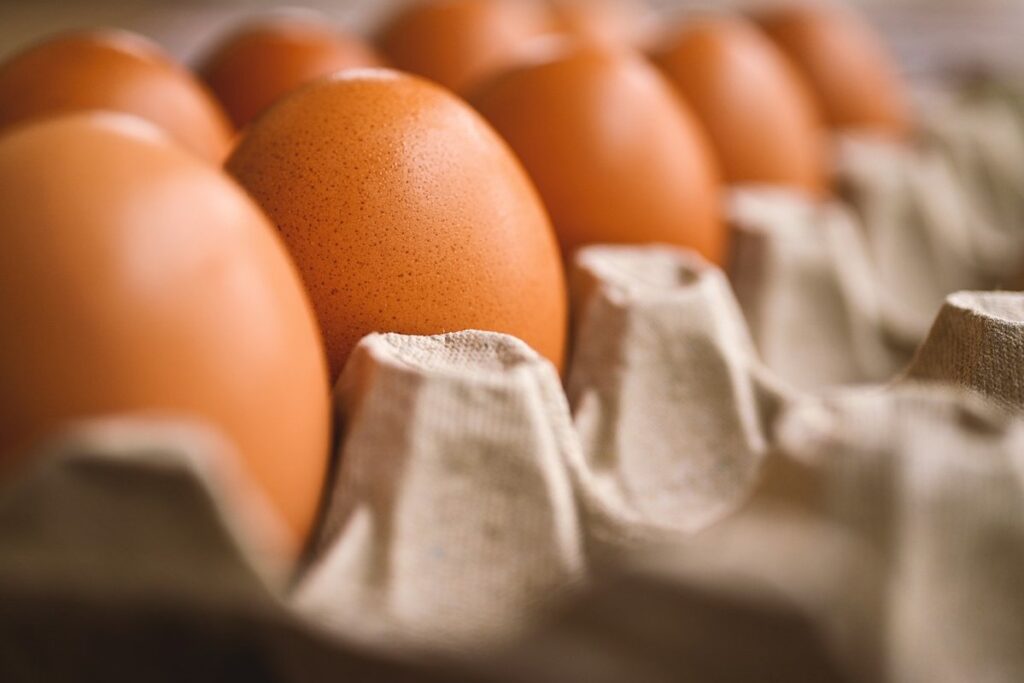
You’ll often find shades of brown, which can range from a light golden tan to a deep chocolate brown. These brown eggs are a common sight in any Rhode Island Red flock, and their color can be influenced by factors such as diet, age, and individual hen characteristics.
Beyond brown eggs, you may also encounter pink or blue-tinged eggs, especially if your hens are producing eggs with a high concentration of iron. In some cases, the eggshell might even display a greenish tint due to its unique structure.
Keep in mind that these variations can occur within the same flock and even among eggs from the same hen. So don’t worry if you notice changes in color – it’s all part of the natural process. By understanding what to expect, you’ll be better equipped to care for your hens and appreciate their unique contributions to your backyard egg harvest.
Interpreting the Egg Color Chart
When interpreting the Rhode Island Red egg color chart, it’s essential to understand that variations and exceptions are common. The chart typically categorizes eggs into four main colors: light brown, medium brown, dark brown, and pinkish-brown.
Start by examining the eggshell for any visible characteristics, such as spotting or swirling patterns. These markings can sometimes influence the overall color classification. For instance, an egg with a prominent red speckle may be considered darker than one without.
Another factor to consider is the environmental conditions under which your hens lay eggs. Temperature and humidity levels can affect eggshell pigmentation, resulting in variations within the same breed. Keep in mind that some Rhode Island Red hens may naturally produce more vibrant or intense colors due to their individual characteristics.
To accurately interpret the chart, refer back to your flock’s specific breeding history and any known genetic influences on egg color. Consult with experienced breeders or poultry experts if you’re unsure about a particular egg’s classification. Remember that minor discrepancies are normal, and even within the same breed, egg colors can exhibit a range of variation.
Common Variations in Rhode Island Red Eggshell Colors
While Rhode Island Reds are known for their signature brown eggs, many hens can lay eggs with varying shades of color, from lighter to darker hues. Let’s explore some common eggshell color variations you might encounter in your flock.
Shades of Brown: From Light Tan to Dark Chocolate
When it comes to the eggshell colors of Rhode Island Red hens, you’ll often notice a range of shades within the brown spectrum. From light tan to dark chocolate, these subtle variations can be attributed to several factors, including genetics, diet, and environmental influences.
The lightest shade of brown is typically referred to as Light Tan. This coloration often appears on younger birds or those that have just begun laying eggs. As hens mature and their egg-laying habits become more consistent, the eggs may darken in hue. Keep in mind that even among hens from the same flock, individual variations can occur.
On the other end of the spectrum lies Dark Chocolate, a rich, deep brown color that’s often associated with high-quality egg production. Birds laying this shade tend to be experienced layers, and their diet typically consists of nutrient-rich foods that contribute to their dark-colored eggs.
In between these two extremes lie several other shades, including Medium Brown, Mocha, and Caramel. Each of these colors offers a unique appearance that can provide valuable information about your hens’ health and egg-laying habits. By paying attention to the subtle variations in egg color, you’ll be better equipped to make informed decisions about their care and well-being.
Some breeds may exhibit additional shades or undertones not mentioned here.
Pink and Blue Eggs: The Rarer Varieties
If you’ve ever collected eggs from your Rhode Island Red hens and noticed a few that deviated from the usual brown hue, you might be wondering what’s behind this variation. While pink and blue eggs are relatively rare, they can still occur in some Rhode Island Red hens.
Pink eggs owe their color to a genetic trait that’s influenced by the hen’s genetics and diet. A study found that a significant percentage of chicks from Rhode Island Red breeding flocks exhibited varying degrees of pink eggshell pigmentation. In general, these eggs tend to be lighter in color than the average brown egg and often have a more vibrant, rosy tint.
Blue eggs, on the other hand, are even rarer due to the specific genetic conditions required to produce them. However, if you do happen to get blue eggs from your Rhode Island Red hens, it’s likely because of the breed’s genetic predisposition to produce these eggs. To increase your chances of getting pink or blue eggs from your flock, consider feeding your hens a balanced diet rich in minerals and nutrients that promote healthy eggshell production.
Tips for Encouraging Desired Eggshell Colors
If you’re not thrilled with your Rhode Island Red hen’s egg color, don’t worry! We’ve got some expert tips to help you encourage the desired shades.
Nutrition and Supplements for Healthy Eggshell Color
When it comes to promoting healthy eggshell color in Rhode Island Red hens, nutrition plays a crucial role. A balanced diet rich in essential vitamins and minerals is vital for maintaining vibrant eggshell colors. Ensure that your girls are consuming adequate amounts of calcium, vitamin D3, and omega-3 fatty acids.
A high-quality layer feed specifically formulated for laying hens should be the foundation of their diet. However, supplementing with additional nutrients can help enhance eggshell color. Consider adding crushed oyster shells or eggshells to their feed as a natural source of calcium. You can also provide dark leafy greens such as kale and spinach, which are rich in iron and other micronutrients essential for healthy eggshell production.
Additionally, consider supplementing with probiotics and prebiotics to support gut health, which is closely linked to overall eggshell quality. Some feed stores sell supplements specifically designed to promote vibrant eggshell colors, containing a blend of vitamins and minerals tailored for laying hens.
Environmental Considerations for Optimizing Egg Production
When it comes to optimizing egg production in your Rhode Island Red hens, it’s essential to consider their living conditions. A well-designed and well-maintained coop can make a significant difference in the quality and quantity of eggs produced.
Start by ensuring adequate ventilation and airflow within the coop. This will help maintain a healthy environment for your hens, reducing stress and promoting overall well-being. Next, provide an optimal range of temperatures between 40°F to 80°F (4°C to 27°C), as this will encourage your hens to be more active and productive.
Additionally, ensure access to fresh water at all times, and provide a balanced diet rich in essential nutrients. Aim for around 16-18% protein content in their feed, along with adequate calcium and vitamin D3 to support strong eggshell production.
Some other crucial factors include providing enough space per hen (around 2-4 square feet per bird) and ensuring regular cleaning of the coop to maintain hygiene standards. By focusing on these key areas, you’ll be well on your way to optimizing egg production in your Rhode Island Red hens and enjoying a steady supply of beautiful eggs.
Conclusion: Using the Rhode Island Red Egg Color Chart Effectively
Now that you’ve learned how to interpret and use the Rhode Island Red egg color chart, let’s talk about putting it into practice effectively. You’ll see some final tips on maximizing its value.
Putting It All Together: A Holistic Approach
Now that you’ve learned about the Rhode Island Red hens’ unique egg color chart, it’s time to put all the pieces together. To use this valuable tool effectively, remember the following key takeaways:
First and foremost, familiarize yourself with the standard colors and their corresponding percentages. This knowledge will help you identify any deviations from the norm and monitor your flock’s performance over time.
When monitoring your Rhode Island Red hens’ egg color chart, pay close attention to changes in color intensity or frequency. A sudden shift could indicate a health issue or an imbalance in nutrition.
To get the most out of this egg color chart, incorporate it into your regular record-keeping and data analysis routine. Keep track of the colors produced by each bird over time, noting any trends or patterns.
By doing so, you’ll be able to identify areas for improvement within your flock’s health, genetics, and nutrition.
Next Steps for Backyard Chicken Keepers and Hobbyists
Now that you’ve made it through this comprehensive guide on the Rhode Island Red hen’s egg color chart, you’re likely eager to start implementing what you’ve learned. As a backyard chicken keeper or hobbyist, it’s essential to remember that raising healthy and productive Rhode Island Reds requires attention to detail and a commitment to their well-being.
To ensure your girls are laying eggs with vibrant colors and excellent quality, follow these key takeaways:
* Provide a balanced diet rich in calcium and protein to support strong eggshell production.
* Ensure access to fresh water and adequate space for exercise and movement.
* Regularly clean the coop and run to maintain a healthy environment.
* Monitor your girls’ behavior and health closely, addressing any issues promptly.
By following these guidelines and staying informed about the Rhode Island Red’s unique characteristics, you’ll be well on your way to enjoying delicious eggs from happy and healthy hens. Remember to stay patient, observant, and committed to providing the best possible care for your flock. With time and practice, you’ll become an expert in raising thriving Rhode Island Reds that bring joy and sustenance to your family.
Frequently Asked Questions
Can I use the Rhode Island Red egg color chart for other breeds of chickens?
Yes, while this article focuses on Rhode Island Reds, the principles discussed can be applied to other breeds as well. However, keep in mind that genetics and environmental factors unique to each breed may influence their eggshell colors differently.
What’s a general rule of thumb for introducing new supplements to promote healthy egg production?
Start with small amounts (about 1/4 teaspoon per hen) and gradually increase as needed, monitoring your hens’ response. Consult with a veterinarian or experienced breeder if you’re unsure about the best nutritional approach for your flock.
How can I tell if my Rhode Island Red’s eggshell color is influenced more by genetics or environmental factors?
Look for consistency in your hens’ laying patterns and eggshell colors over time. If their eggs remain relatively consistent, it may be more due to genetic influence. However, if there are noticeable changes based on seasonal variations or dietary changes, environmental factors might be at play.
What’s the average lifespan of a Rhode Island Red hen, and how does this affect egg production?
Rhode Island Reds typically live between 8-12 years, with some individuals living up to 15 years. As they age, egg production naturally decreases, but proper care and nutrition can help maintain healthy laying habits well into their senior years.
Can I use the Rhode Island Red egg color chart for predicting future eggshell colors in my flock?
While the chart provides valuable insights, it’s essential to remember that individual variations are normal. A single bird may lay eggs with different shades of brown or even other colors, which can affect overall flock averages. Regular monitoring and adjustments will help you fine-tune your expectations based on specific circumstances.